


Energy-Climate
In the face of the climate emergency and geopolitical confrontations, how can we reconcile security of supply, competitiveness, accessibility, decarbonization and acceptability? What policies are needed?
Related Subjects
The US’s Critical Mineral Offensive Strategy: How Can Europe Step Up?
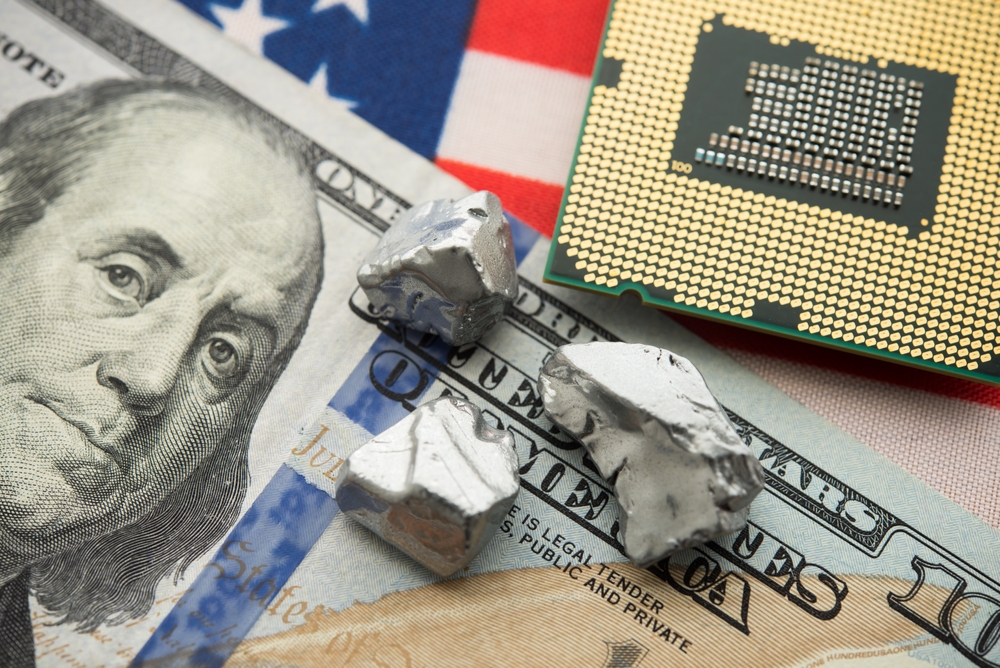
As Organization for Economic Co-operation and Development (OECD) economies are confronted with mounting threats to critical raw materials (CRM) supplies, resolute interventionist policies are needed to build resilient value chains.

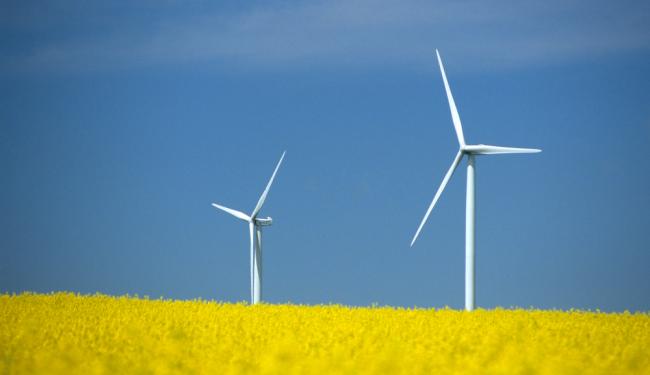
France eagerly awaits more detailed climate plan from China
The two countries have been solid partners throughout the Trump era and France is now watching China’s investments closely, both at home and abroad.


Nord Stream 2: Europe stays quiet while US ‘tramples over EU sovereignty’
With the recent adoption of its defence budget for 2021, the US has further tightened the screw on Nord Stream 2, threatening sanctions on EU companies involved in the Russian-backed pipeline and putting the future of the project further into uncertainty.

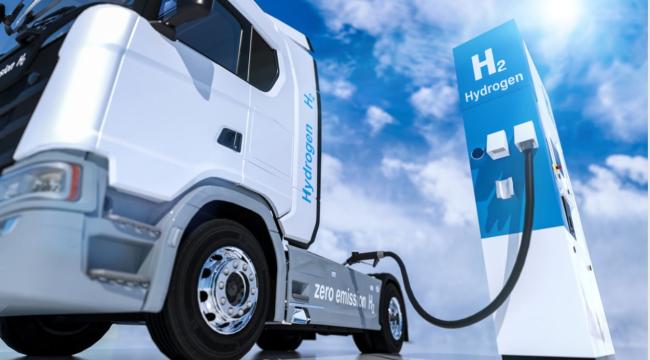
China Defies Elon Musk’s Warnings and Pushes Ahead With Hydrogen
Asia’s biggest economy wants to promote fuel cells for trucks. Renewable energy investments should make hydrogen less costly. Tesla Inc.Chief Executive Officer Elon Musk has spent years mocking the idea of using hydrogen fuel cells rather than electric batteries to power next-generation green vehicles.

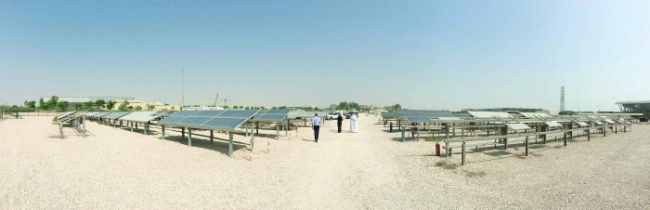
QF scales up mission to expand Qatar’s solar energy vision
Governments across the globe are increasingly focusing on the benefits of sustainable energy and Qatar is no different. As part of its national vision, the country is working to create harmony between environmental protection and economic growth.
Academic: Higher carbon price needed to ramp up EU biomethane production
The price of CO2 credits on Europe’s emissions trading scheme needs to rise to around €50 per tonne in order to drive the long-term development of Europe’s biomethane industry, says Marc-Antoine Eyl-Mazzega, a French researcher.
The future of biogas in Europe: it’s a local affair
The prospects for biogas in Europe look bright, with conservative estimates pointing to a tenfold increase in production by 2030. However, the industry will need to stay rooted in the local economy and come clean on environmental credentials if it wants to avoid a green backlash, analysts say.

Naftogaz vs Gazprom: Infinity War
Energy has been at the heart of Ukraine's troubles with Russia over the past two decades, typically as a means for Moscow to pressure its former province. The pressure points have changed over the years – moving from a focus on direct supplies to transit through Ukraine – but the battle remains a constant for regional energy and security.
Naftogaz vs Gazprom: Infinity War
Energy has been at the heart of Ukraine's troubles with Russia over the past two decades, typically as a means for Moscow to pressure its former province. The pressure points have changed over the years – moving from a focus on direct supplies to transit through Ukraine – but the battle remains a constant for regional energy and security.

Biogas and Biomethane in Europe: Denmark, Germany, Italy lead
Over and again, legislators worldwide are confronting the same question: which technologies do we subsidise and support, when, by how much, and for how long. Get it right and those costs will reduce and should disappear once scale is reached. Solar and wind are on their way to proving that. What about biofuels?
EU challenges Asian dominance of battery cell manufacturing
Carole Mathieu of the French Institute of International Relations explains some of the developments between the EU battery manufacturing and automaker industries and how they impact on the region's contributions towards the global energy storage market.
Support independent French research
Ifri, a foundation recognized as being of public utility, relies largely on private donors – companies and individuals – to guarantee its sustainability and intellectual independence. Through their funding, donors help maintain the Institute's position among the world's leading think tanks. By benefiting from an internationally recognized network and expertise, donors refine their understanding of geopolitical risk and its consequences on global politics and the economy. In 2026, Ifri partners with over 90 French and international companies and organizations.

Related centers and programs
Center for Energy & Climate
Ifri's Energy and Climate Center carries out activities and research on the geopolitical and geoeconomic issues of energy transitions such as energy security, competitiveness, control of value chains, and acceptability. Specialized in the study of European energy/climate policies as well as energy markets in Europe and around the world, its work also focuses on the energy and climate strategies of major powers such as the United States, China or India. It offers recognized expertise, enriched by international collaborations and events, particularly in Paris and Brussels.