





Security - Defense
As a result of global strategic competition, security and defense issues are marked by the return of major wars and nuclear deterrence, the transformation of terrorism and the race for military technologies.
Related Subjects
Ballistic Missile Defense in Japan: Deterrence and Military Transformation
In December 2003, Japan decided to be the second country in the Asia-Pacific to deploy a ballistic missile defense (BMD) system.
The Battle over Fire Support: The CAS Challenge and the Future of Artillery
Traditionally, maneuver units are designed for mobility and control of the ground, while supporting forces (artillery, aviation) deliver fires to protect the former and ensure their freedom of action.
Deterring the Weak: Problems and Prospects
Strong states often fail to deter vastly weaker competitors. This paper explores some reasons of this failure and identifies factors that can increase the prospects that deterrence will succeed in these situations.
Les réserves en première ligne ? Du citoyen-soldat à l'intérim
A central piece of national security during two centuries and an essential link between the military and the people, the French reserve forces have considerably decreased over the last decades.
Building Security Institutions: Lessons Learned in Afghanistan
After its rapid military victory over the Taliban, the international community underestimated the resources, time and work that would be required enforce to Security Sector Reform (SSR) in Afghanistan. Even though the Afghan population was supportive of the coalition’s efforts at first, the light footprint approach, fostered by the Europeans, failed to provide with satisfying results as the insurgency made its way through popular frustration.
Establishing the Rule of Law: the U.N. Challenge in Kosovo
Created on the 10th July 1999 by Security Council Resolution 1244, UNMIK was responsible for restructuring the institutions of a country devastated by war and establishing democratic governance. The security of people and goods and the existence of a legal system trusted by the population were two crucial prerequisites to the state-building process.

Cyberwar Will Not Happen, but We Must Be Prepared
Even if no independent cyberwar has ever taken place, “cyberspace” has nonetheless become an important dimension of current conflicts.
Les opérations aéroportées : la profondeur stratégique en question
Airborne operations draw their strategic importance from the scale and magnitude they provide to air-land operations. Yet, their concept of employment, shaped by their historical legacy may seem unfit to contemporary requirements - especially regarding their vulnerability during dropping and penetration phases when troops are isolated and highly dependent on external support.
Proliferation and Nonproliferation in the Early Twenty-First Century: The Permanent Five Hold the Key to Success
Since the early twenty-first century, the international nonproliferation landscape has experienced a shift from relatively steady proliferation schemes to more complex and diverse challenges. New entities are gaining access to nuclear material and among them is a growing number of non-state actors. Some states continue to abuse international norms and rules overtly, while others opt for covert proliferation strategies.
Defence and Foreign Policy Under President-elect François Hollande
We know little about François Hollande's stance on wider foreign and defence policy issues. Though we are unlikely to see major changes from his predecessor, some clues from his successful campaign suggest that President-elect Hollande will adopt a more European and Gaullist approach.
Cruise Missiles and NATO Missile Defense: Under the Radar?
The purpose of this paper is to demonstrate that the threat of cruise missile proliferation is as equally challenging to NATO as the threat of ballistic missiles. Over the last two decades, the emergence of cruise missiles and UAVs as a threat has been slow, and governments, particularly the United States, have invested much less in cruise missile defenses than in ballistic missile defenses.
Dancing with the Bear: Managing Escalation in a Conflict with Russia
"Escalation", the tendency of belligerents to increase the force or breadth of their attacks to gain advantage or avoid defeat, is not a new phenomenon. Systematic thought about how to manage it, however, did not crystallize until the Cold War and the invention of nuclear weapons.
Helicopter Warfare: The Future of Airmobility and Rotary Wing Combat.
Military helicopters have evolved into technologically sophisticated weapon systems. Originally designed to counter Soviet armor, attack helicopters now have to cope with a wide spectrum of threats, some of them bringing them back to their counterinsurgency roots.
Libya: Old or New Picture? Risks of political uncertainty for the gas and oil business
Libya has an opportunity to get back on track. The end of embargoes and sanctions after the conclusion of the “February Revolution” is favoring a fast production growth.
Digital Hoplites: Infantry Combat in the Information Age
FELIN, the world's first "integrated soldier system", will enter service in the French Army this year. Throughout history, infantrymen have sought to capitalize on technology while seeking the best compromise between three basic requirements: mobility, firepower and protection of combatants.
War 2.0: Irregular Warfare in the Information Age (simplified Chinese translation)
In Defense of Deterrence: the Relevance, Morality and Cost-Effectiveness of Nuclear Weapons
Since 1945, nuclear deterrence has frequently been the target of continuous criticism on strategic, legal and moral grounds. In the past five years, however, the renewed debate on nuclear disarmament has been accompanied by an increase in such criticism.
Toward the End of Force Projection? II. Operational Responses and Political Perspectives
For more than a decade, US defense circles have been concerned about the emergence of capabilities and strategies, which, as they spread, risk imperiling the United States" position in the world by their ability to disrupt or prevent force projection operations. Though most of the literature on such “anti-access” strategies focuses on the military aspects of the threat, this Focus stratégique - the second and last part of a two-part study - adopts a different perspective.
Ifri, a foundation recognized as being of public utility, relies largely on private donors – companies and individuals – to guarantee its sustainability and intellectual independence. Through their funding, donors help maintain the Institute's position among the world's leading think tanks. By benefiting from an internationally recognized network and expertise, donors refine their understanding of geopolitical risk and its consequences on global politics and the economy. In 2026, Ifri partners with over 90 French and international companies and organizations.

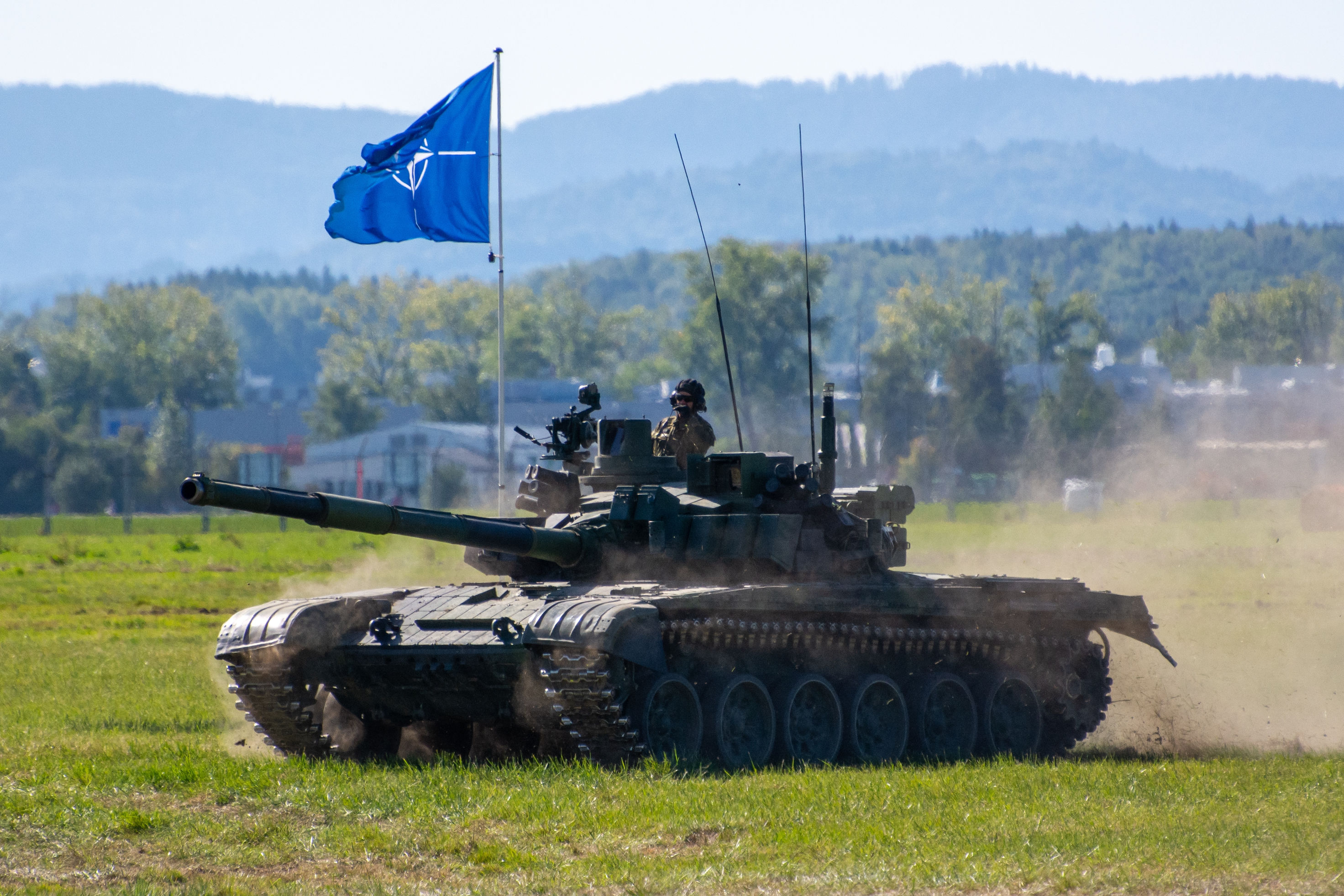
The European & Transatlantic Security Program aims to contribute to the strategic debate by developing analyses around three main axes: European defense and the security architecture of the European continent, institutional and strategic links between the Treaty Organization of North Atlantic (NATO) and the European Union (EU), as well as the evolution of the transatlantic relationship.
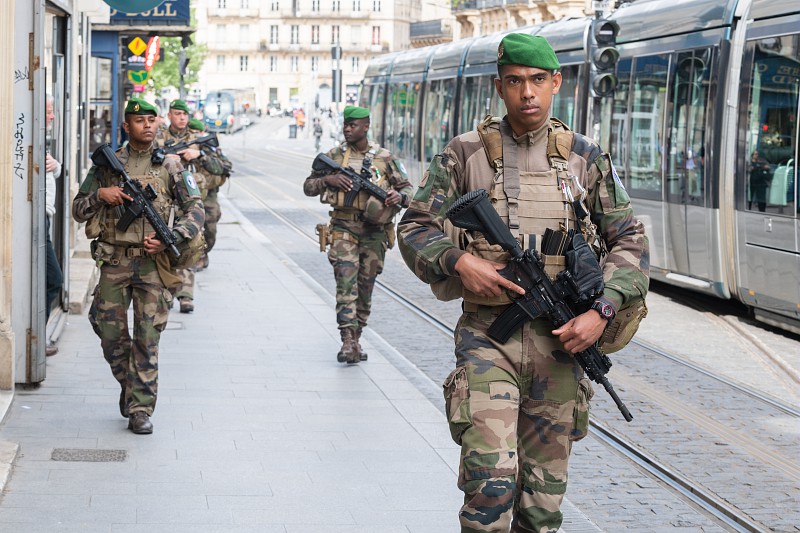
The distinction between internal and external threats is often exaggerated, as the borders are so porous. Conflicts taking place thousands of kilometers from France can have tragic resonances on national territory. Radicalization, terrorism and even organized crime have an international dimension that cannot be ignored.
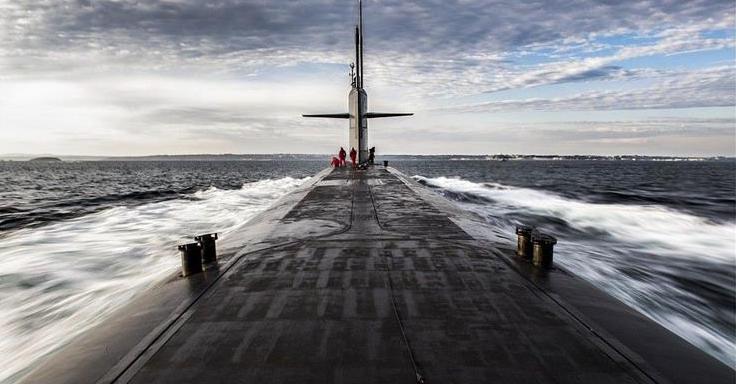
The conflicts in Europe, Asia and the Middle East demonstrate a return of nuclear power to the balance of power. Arsenals are being modernized and expanded, while arms control is collapsing. This research program aims to analyze these phenomena.
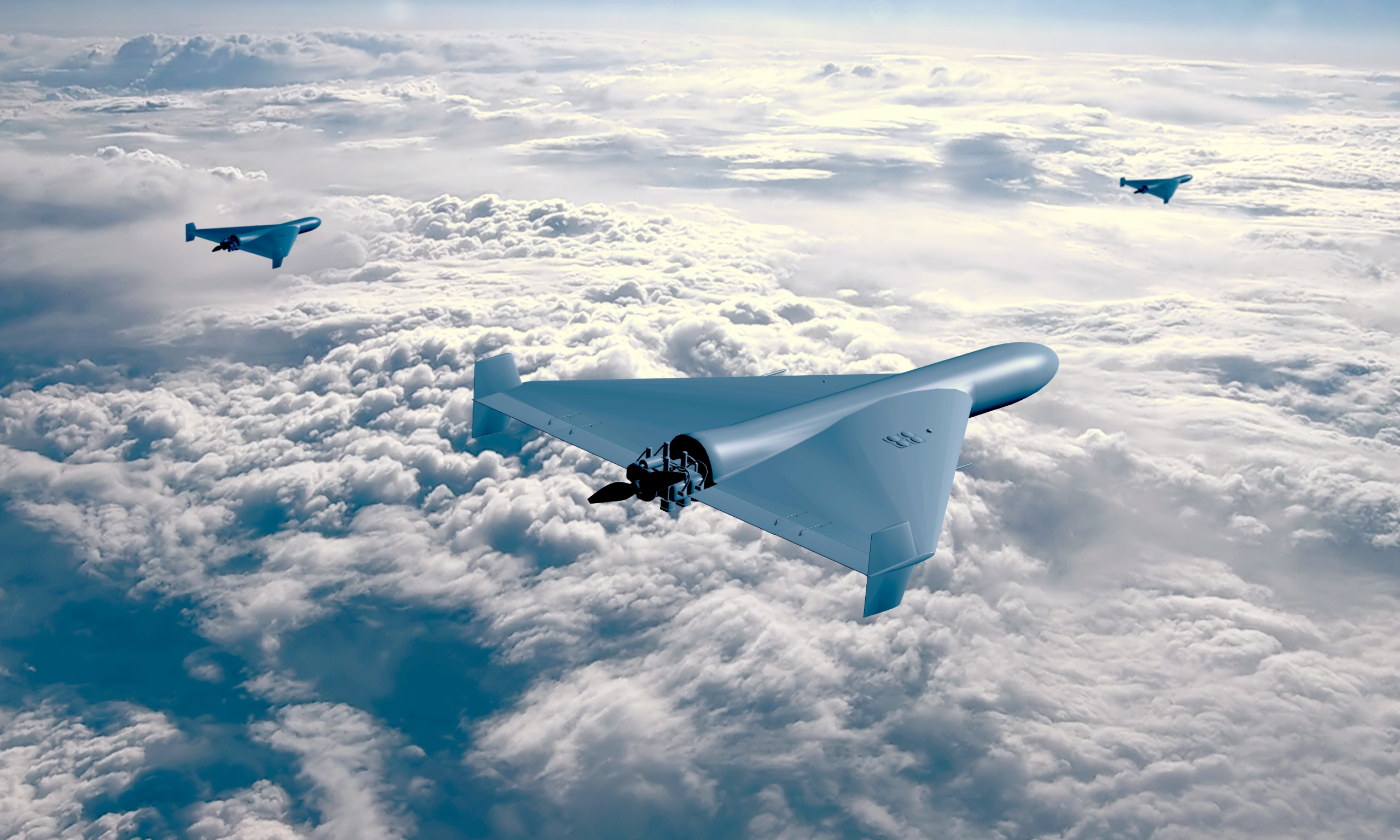
The Observatory of Future Conflicts is a research program carried out by the French Institute of International Relations and the Foundation for Strategic Research on behalf of the three army headquarters aimed at studying developments in tensions and armaments at the horizon 2040 in a transversal perspective, taking into account the issues of each army.
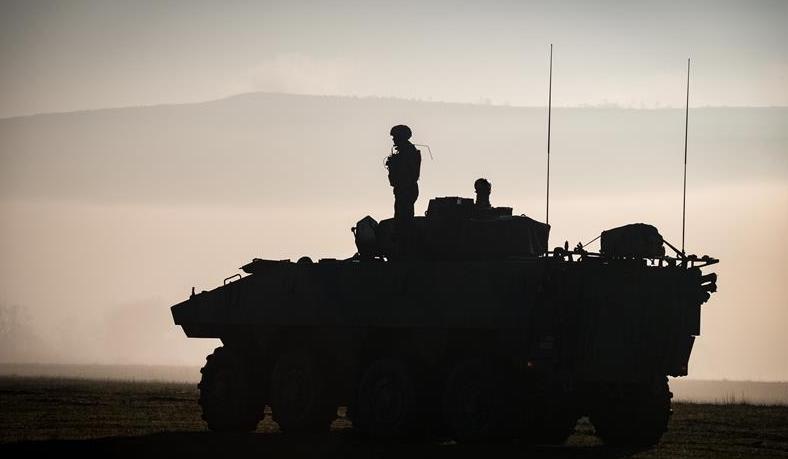
Heir to a tradition dating back to the founding of Ifri, the Security Studies Center provides public and private decision-makers as well as the general public with the keys to understanding power relations and contemporary modes of conflict as well as those to come. Through its positioning at the juncture of politics and operations, the credibility of its civil-military team and the wide distribution of its publications in French and English, the Center for Security Studies constitutes in the French landscape of think tanks a unique center of research and influence on the national and international defense debate.
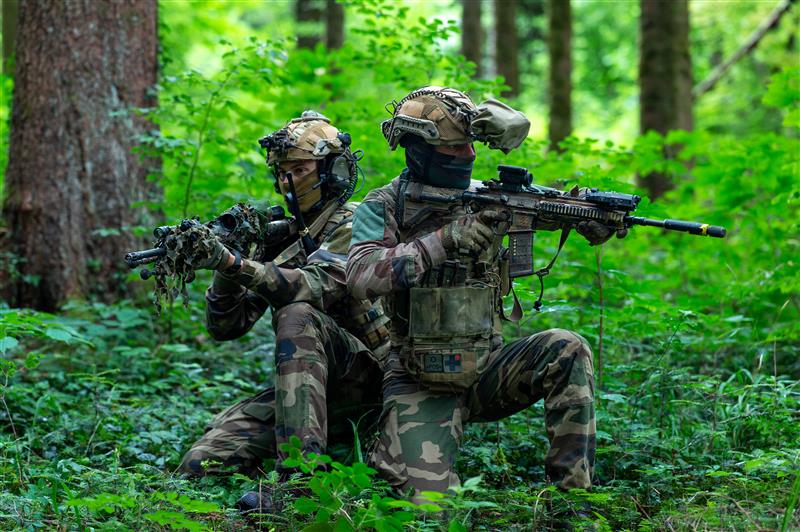
The Defense Research Unit is a program that aims at stimulating the strategic debate by dealing with subjects at the junction of the “technico-operational” and the “political-strategic”. A unique structure in France, it brings together civilian researchers and “military fellows” from each of the three armies to produce work on defense policies, the capability and strategic adaptation of armies, and foresight on tomorrow's conflicts.