


Security - Defense
As a result of global strategic competition, security and defense issues are marked by the return of major wars and nuclear deterrence, the transformation of terrorism and the race for military technologies.
Related Subjects
L’union ou la force ? Les défis des opérations multinationales contemporaines
Contemporary multinational military operations occur in a strategic context characterized by the domination of limited conflicts for Western states.

Afghanistan’s Difficult Transition
Afghanistan’s transition has been, politically speaking, slower than first expected; militarily, it has been difficult with the Taliban increasing its attacks in many provinces, compromising the possibility of dialogue with the new power; and a diplomatic transition in which partners and neighbors have moved slowly from dialogue to action.
Tunisia’s Armed Forces and Democratic Transition
Having reportedly helped topple Ben Ali, the Tunisian Armed Forces enjoy substantial support from the population.
Australia: A New Strategy for a Medium-Size Power
New configurations in Asia suggest to Canberra, as a middle-size power, that it should employ its external strategy as a means to bolster its security and regional stability.
The United States - South Korea Military Alliance in Question
The alliance born of the Korean War trades the assurance of security for Seoul with a certain alignment with Washington.
Volcanic Activity and Nuclear Security in Japan
At the beginning of 2014, Japan experienced the deadliest volcanic eruption on its territory in over a century. The unpredictable nature of the event reignited fears of the risks of nuclear power plants.
Conventionalizing Deterrence? U.S. Prompt Strike Programs and Their Limits
About a decade ago, the U.S. started to examine options to develop and acquire Conventional Prompt Global Strike capabilities. This move fits in an effort to conventionalize deterrence, an effort initiated decades before and undertaken for profound and diverse motives. Although it has been renewed under the Obama administration, which aims to reduce the U.S. reliance on nuclear weapons, this ambition has resulted in very little concrete progress.
Syria and Beyond: The Future of the Chemical Weapons Threat
The use of chemical weapons (CW) in Syria and the decision to award the 2013 Nobel Peace Prize to the Organization for the Prohibition of Chemical Weapons (OPCW) reminded the international community that these weapons continue to represent a serious threat. The number of incidents of chemical attacks has been increasing in recent years, and efforts to curb CW programs – apart from the joint mission in Syria – have generally proven unsatisfactory.
Judicialization of the Battleground
The increasing judicialization of external military action is encouraging military law to fall into line with common law.
Citizens’ Self-Defense Groups in Mexico: Rightful Defenders, Incontrollable Groups or Whistle-Blowers?
The rise of civilian self-defense groups in various states across Mexico since 2011 bear witness to the powerlessness and corruption of state bodies confronted with the pervasiveness of organized crime.
Support independent French research
Ifri, a foundation recognized as being of public utility, relies largely on private donors – companies and individuals – to guarantee its sustainability and intellectual independence. Through their funding, donors help maintain the Institute's position among the world's leading think tanks. By benefiting from an internationally recognized network and expertise, donors refine their understanding of geopolitical risk and its consequences on global politics and the economy. In 2025, Ifri supports more than 80 French and foreign companies and organizations.
Related centers and programs
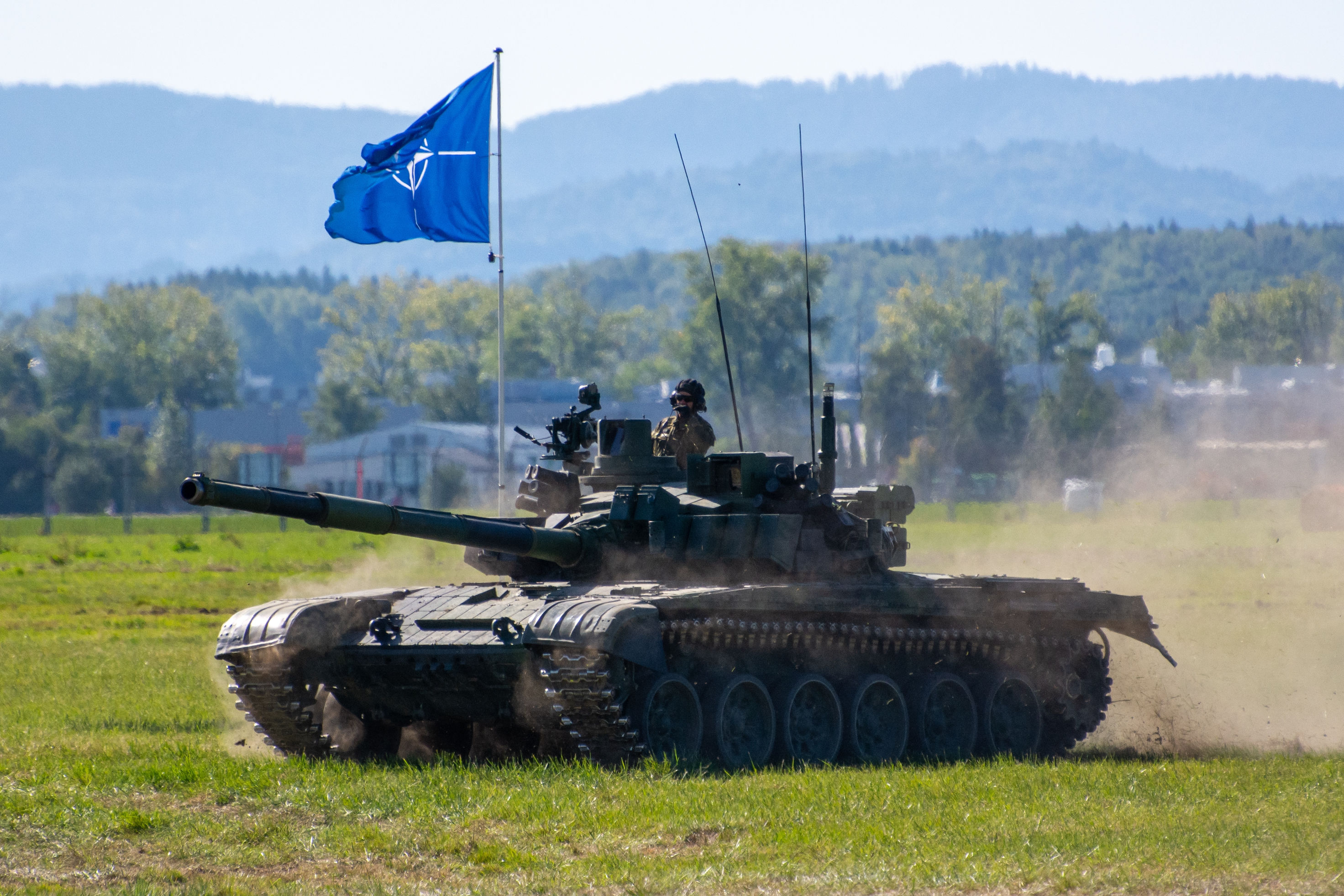
European & Transatlantic Security
The European & Transatlantic Security Program aims to contribute to the strategic debate by developing analyses around three main axes: European defense and the security architecture of the European continent, institutional and strategic links between the Treaty Organization of North Atlantic (NATO) and the European Union (EU), as well as the evolution of the transatlantic relationship.
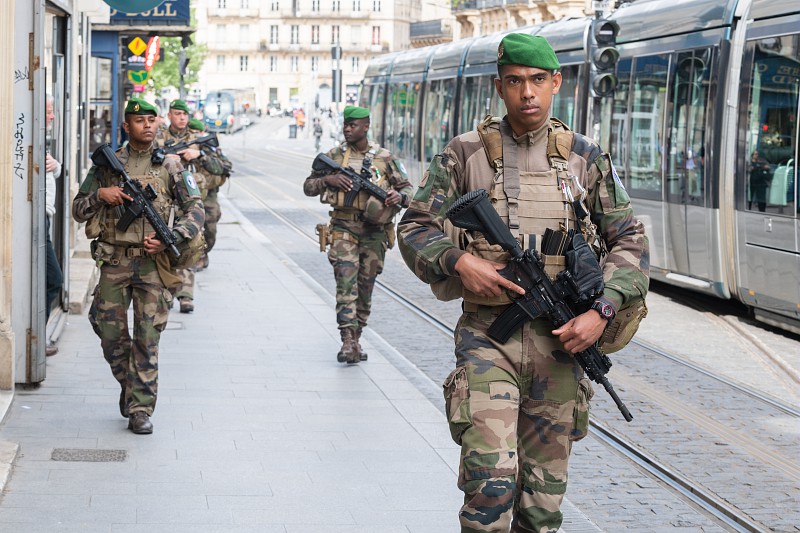
Internal Security
The distinction between internal and external threats is often exaggerated, as the borders are so porous. Conflicts taking place thousands of kilometers from France can have tragic resonances on national territory. Radicalization, terrorism and even organized crime have an international dimension that cannot be ignored.
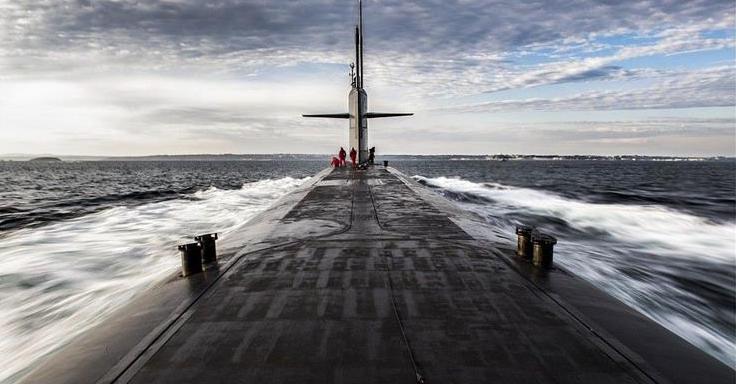
Deterrence and Proliferation
The conflicts in Europe, Asia and the Middle East demonstrate a return of nuclear power to the balance of power. Arsenals are being modernized and expanded, while arms control is collapsing. This research program aims to analyze these phenomena.
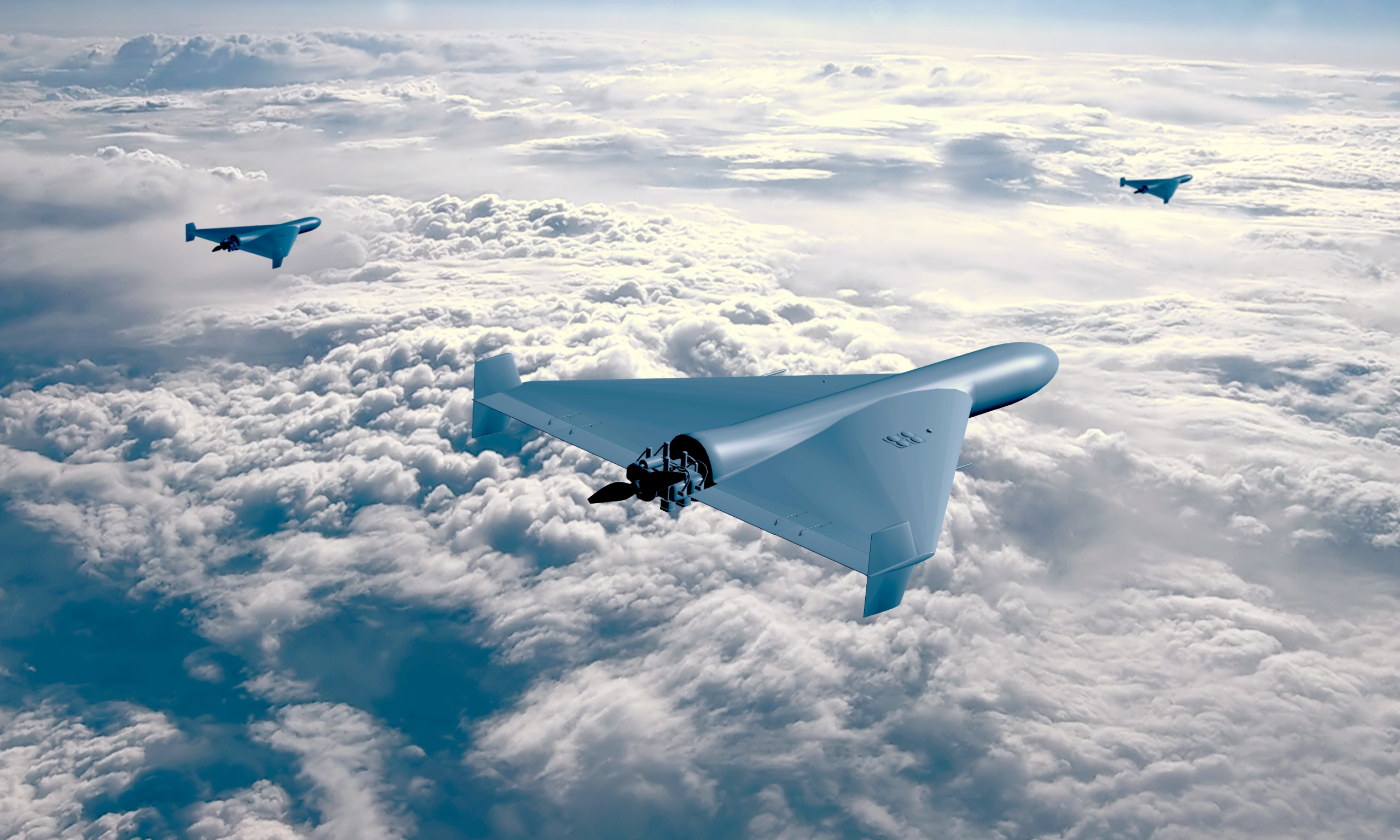
Observatory on Future Conflicts
The Observatory of Future Conflicts is a research program carried out by the French Institute of International Relations and the Foundation for Strategic Research on behalf of the three army headquarters aimed at studying developments in tensions and armaments at the horizon 2040 in a transversal perspective, taking into account the issues of each army.
Security Studies Center
Heir to a tradition dating back to the founding of Ifri, the Security Studies Center provides public and private decision-makers as well as the general public with the keys to understanding power relations and contemporary modes of conflict as well as those to come. Through its positioning at the juncture of politics and operations, the credibility of its civil-military team and the wide distribution of its publications in French and English, the Center for Security Studies constitutes in the French landscape of think tanks a unique center of research and influence on the national and international defense debate.
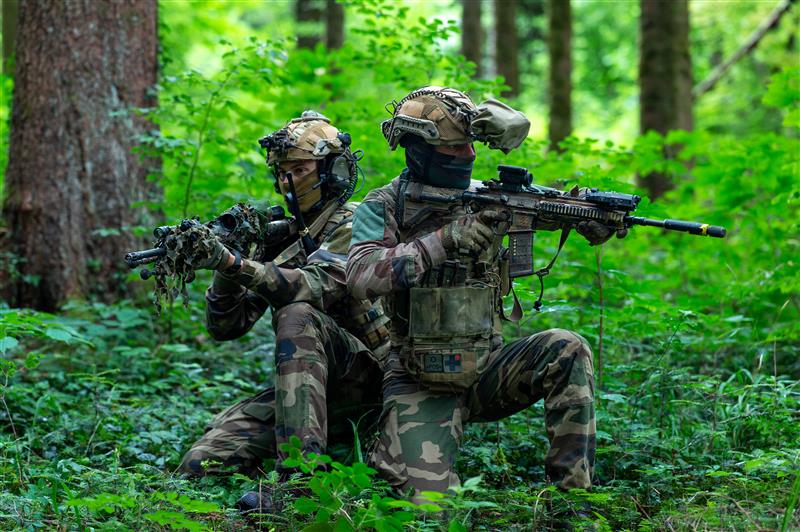
Defense Research Unit
The Defense Research Unit is a program that aims at stimulating the strategic debate by dealing with subjects at the junction of the “technico-operational” and the “political-strategic”. A unique structure in France, it brings together civilian researchers and “military fellows” from each of the three armies to produce work on defense policies, the capability and strategic adaptation of armies, and foresight on tomorrow's conflicts.