





Practical information
The Syrian imbroglio has arguably proved to be the most consequential foreign policy topics for Turkey in decades, structurally impacting Ankara's vision and priorities as well as its regional engagement.
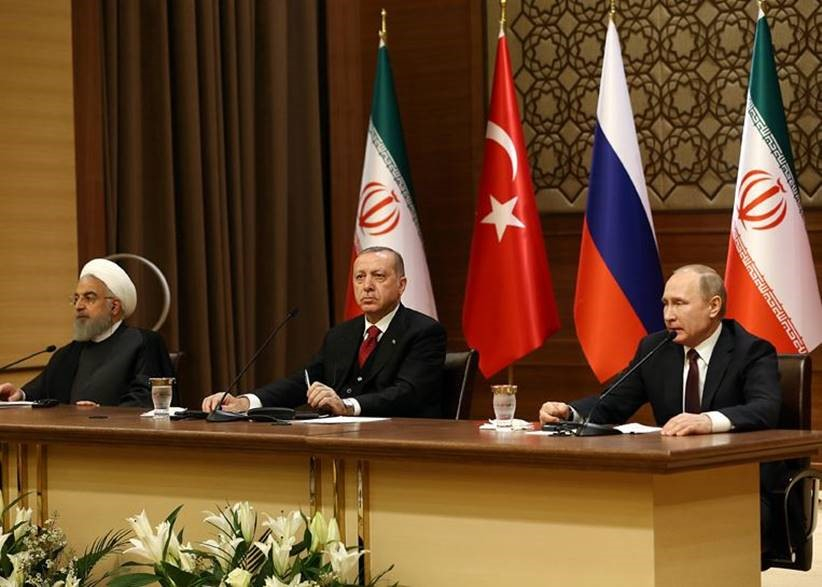
If this crisis has had qualitative impacts on Turkey's western ties in general and European in particular, another crisis of unknown consequences between Turkey and Saudi Arabia is in offing. The murder of Jamal Khasogghi in Istanbul consulate has generated a set reactions shaking bilateral relations between the two regional powers as well as larger regional geopolitics.
What can be learned from the Khashoggi affair on Turkey today’s priority? What role Ankara wishes to play in a regional game evermore conflictual? The volatility of Turkish alliances frightens the Europeans in a context of general tensions with the United States.
With the contribution of:
- Galip Dalay, Associate Research Fellow at IFRI's Turkey and Middle-East Program, Research Director at Al Sharq Forum and Non-resident Fellow at Brookings Institution, Doha Centre.
- Kadri Tastan, Senior Fellow at the German Marshall Fund of the United States in Brussels
-
Dorothée Schmid, Senior Research Fellow and Head of Ifri’s Turkey and Middle-East Program
-
Moderated by Christine Ockrent, author of Le Prince mystère de l'Arabie. Mohammed Ben Salman, les mirages d'un pouvoir absolu, Robert Laffont (2018)
Organized in partnership with the German Marshall Fund of the United States
Related Subjects
Other events
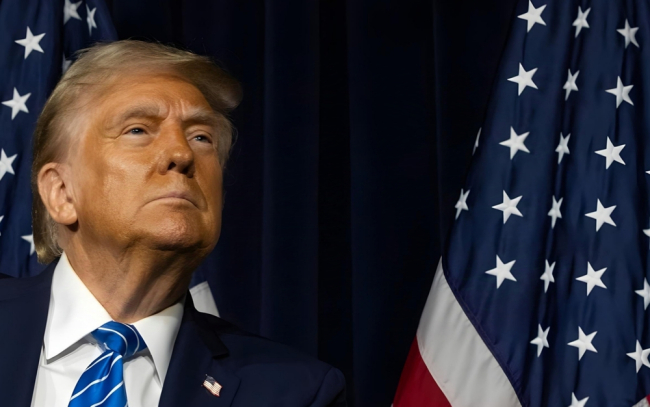
One Month Ahead of the Midterms: Where Is Trump’s America Headed?
The 24th edition of the Ifri Americas Programme Annual Conference will examine the dynamics at play in the United States and their implications for Europe and the transatlantic relationship. will examine the dynamics at play in the United States and their implications for Europe and the transatlantic relationship.
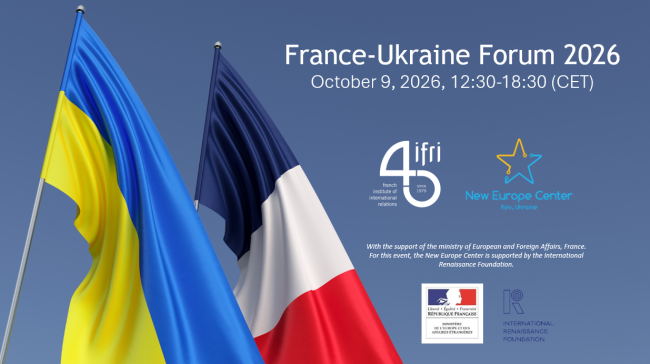
France-Ukraine Forum 2026
More than four and a half years after the start of the full-scale war launched by Russia against Ukraine, the 2026 France-Ukraine Forum will bring together policymakers, experts, academics, and civil society representatives from both countries to discuss three main topics: the formats and conditions for a lasting diplomatic settlement; Ukraine’s Euro-Atlantic integration, encompassing both the EU accession process and closer ties with NATO; and the societal transformations of postwar Ukraine, as well as its prospects for reconstruction.
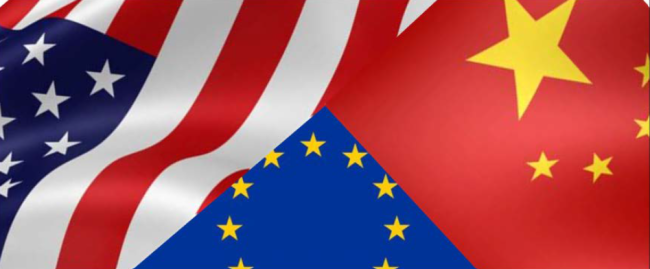
The EU in a World of Economic Warfare: Trade, Geopolitics, and the Battle for Economic Sovereignty
The international trading system has become a primary theatre of geopolitical competition. Tariffs, sanctions, and technology controls have replaced dialogue as the default instruments of economic relations.