




War in the Middle East: Regional Fractures, Global Shockwaves, and the End of the Old Order
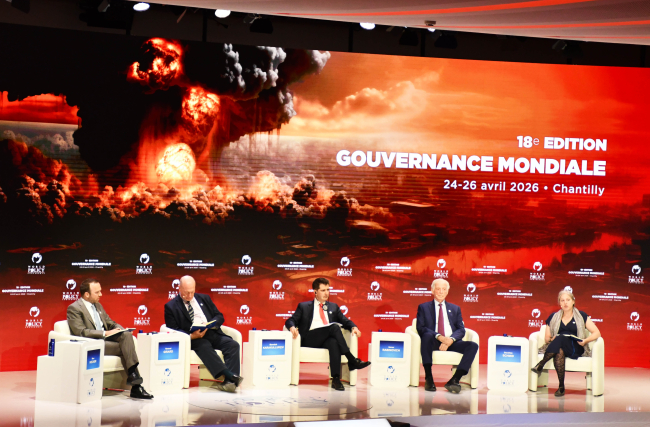
Panel from the World Policy Conference 2026, organized by Thierry de Montbrial and Ifri, from April 24 to 26, 2026.
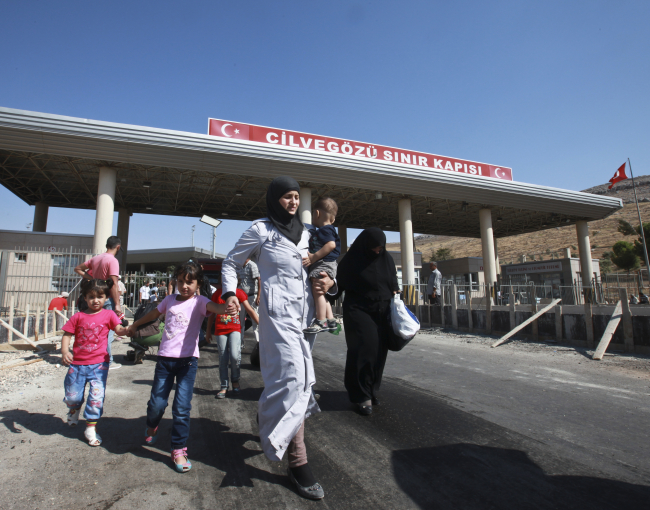
How to Jumpstart Economic Recovery in Syria? The role of syrian entrepreneurs in Turkey
This report examines the potential role of Syrian-partnered companies operating in Türkiye in supporting economic recovery and reconstruction efforts in Syria. Based on data collected through field research and surveys conducted by the Economic Policy Research Foundation of Türkiye (TEPAV), the report provides an overview of the business characteristics, sectoral distribution, and cross-border economic activities of Syrian entrepreneurs. The report explores how this business activity could contribute to restoring supply chains, stimulating local production, and generating employment.

Turkey and France - Allies or Rivals: Opportunities to be Seized
As international relations have become increasingly unpredictable, the quest is to find a semblance of normality. Alliances are shifting as interests are changing. The so-called order established after the Second World War is being shattered by those who have given so much to create it. Global relations are being transformed by countries that wish to follow the rules and others that want to circumvent or ignore them. In this uncertain environment, it is therefore all the more crucial to find stable allies.
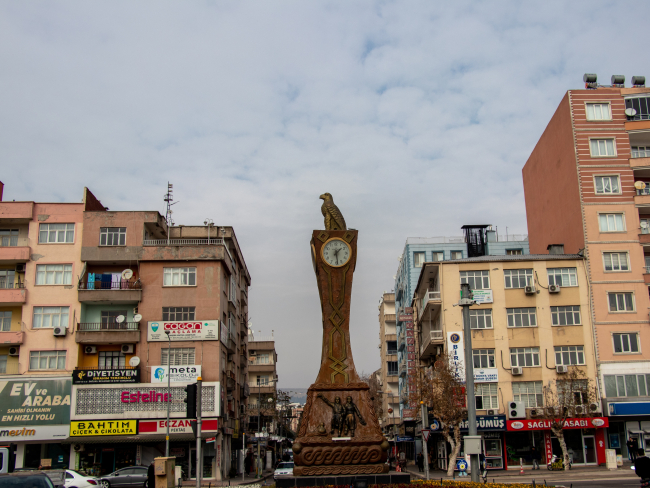
Adıyaman, the “Ownerless City”: Story of a Political Emancipation
Over the past two years, the city of Adıyaman has made headlines for two major reasons: first, its devastation by the earthquake of February 6, 2023, which struck between Turkey and Syria, and second, its significant political shift following the municipal elections of March 31, 2024.
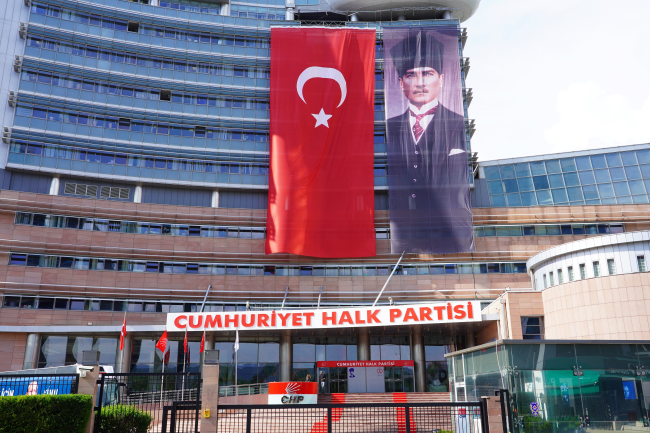
Is the Republican People’s Party (CHP) Rising from the Ashes?
The victory of the CHP [Cumhuriyet Halk Partisi, Republican People’s Party] in the Turkish municipal elections of March 2024 firmly established it as the leading party of opposition to the Islamic-conservative AKP [Adalet ve Kalkınma Partisi, Justice and Development Party], which has been in power since 2002.
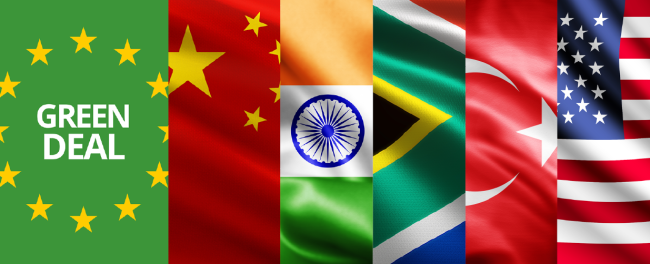
The EU Green Deal External Impacts: Views from China, India, South Africa, Türkiye and the United States
Ahead of June 2024 European elections and against the backdrop of growing geopolitical and geoeconomic frictions, if not tensions, between the EU and some of its largest trade partners, not least based on the external impacts of the European Green Deal (EGD), Ifri chose to collect views and analyses from leading experts from China, India, South Africa, Türkiye and the United States of America (US) on how they assess bilateral relations in the field of energy and climate, and what issues and opportunities they envisage going forward.
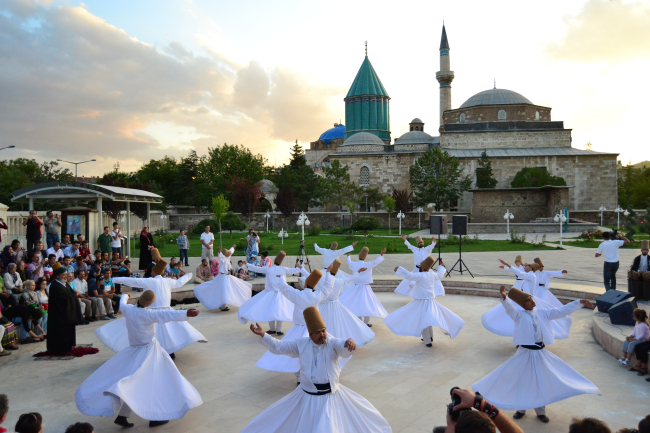
"A Capital City Will Always Be a Capital City”: Konya’s Rise Under the AKP’s Rule
While the May 2023 parliamentary and presidential elections looked as a difficult test for the flagging Islamo-conservative Justice and Development Party (AKP), they eventually held on to power, demonstrating their remarkable foothold in the Turkish context. The party notably recorded one of its highest scores in Konya, confirming the massive and uninterrupted support of this two-million inhabitants central Anatolian city for Turkish political Islam.
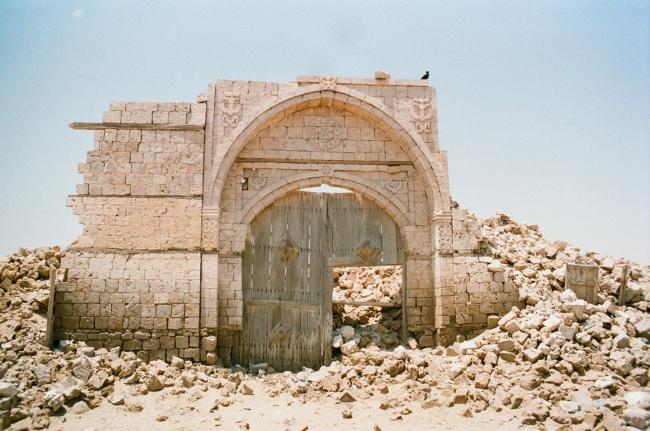
Sudan in Turkey’s African Geopolitics: A Sotto Voce Experience in a Coveted Region
Since the launch of the Opening Plan to Africa in 2003, Turkey's African policy has spread to the whole of the African continent, where its involvement is distinguished by its scope and diversity.
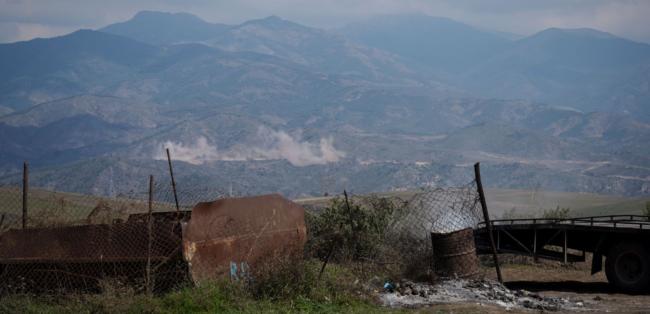
The Next Surge of Conflict in the South Caucasus Is Still Preventable
The tragic exodus of the Armenian population from the Nagorno Karabakh region has closed a chapter in the long saga of conflict between Armenia and Azerbaijan.
The Russo-Ukrainian Conflict: An Opportunity for Türkiye
In response to the Ukrainian conflict, Ankara, which had previously developed a special relationship with both sides based on history and economic interests, adopted a balancing strategy of active neutrality.

Balancing Security and Innovation: Opposition's View on Turkey's Digital Policies
The upcoming presidential and parliamentary elections in Turkey on May 14, 2023, are expected to be closely contested. Polls suggest that the ruling AK Party-led People’s Alliance will lose its majority in parliament, resulting in a hung lower house.
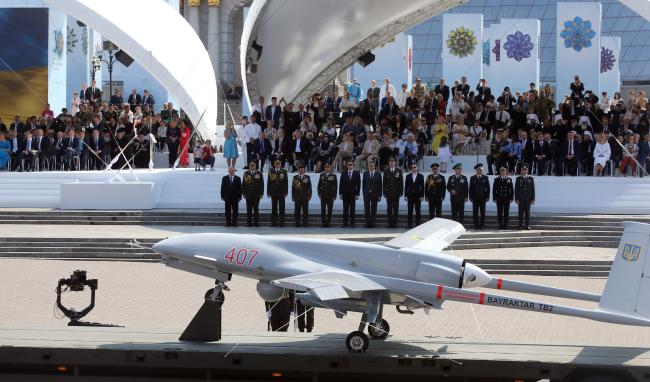
TB2 Bayraktar: Big Strategy for a Little Drone
Since 2016, the tactical drone TB2 Bayraktar—“standard bearer” in Turkish—has received considerable media attention, particularly during the conflict in Nagorno-Karabakh in 2020. Thanks to Azerbaijan’s victory over its neighbor Armenia, the drone, manufactured by Baykar, is now a proven combat system with increasing numbers of export clients.
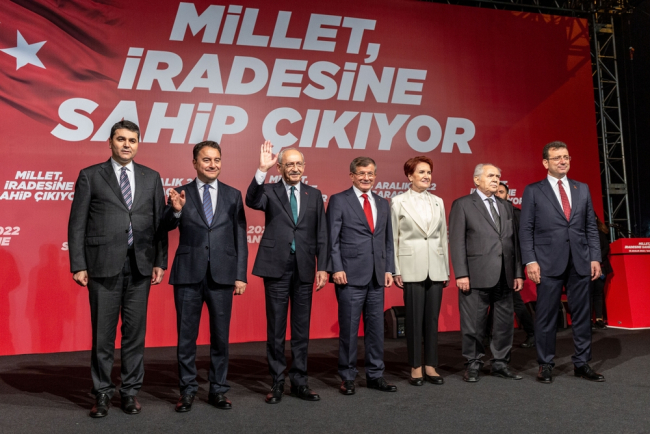
Political Coalitions in Turkey in the Run-Up to the 2023 Elections
The year 2023, already marked by a deadly double earthquake in the south-east of the country in February, is the year of the centenary of the Republic, but above all an election year for Turkey.
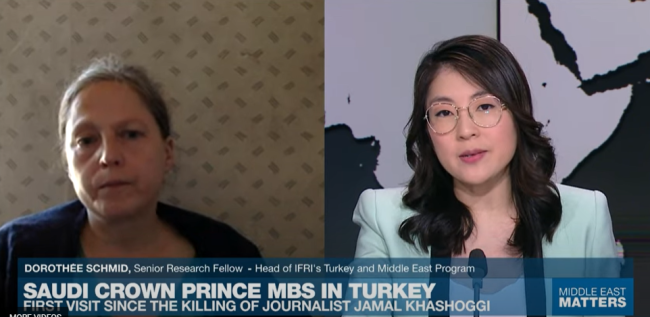
Saudi Arabia, Turkey Seek to Mend Ties as Crown Prince Visits Ankara
The leaders of Saudi Arabia and Turkey are turning the page on years of strained relations, exacerbated by the 2018 assassination of Saudi journalist Jamal Khashoggi at the kingdom's consulate in Istanbul. Face-to-face dialogue is the order of the day between Crown Prince Mohammed bin Salman and President Recep Tayyip Erdogan.
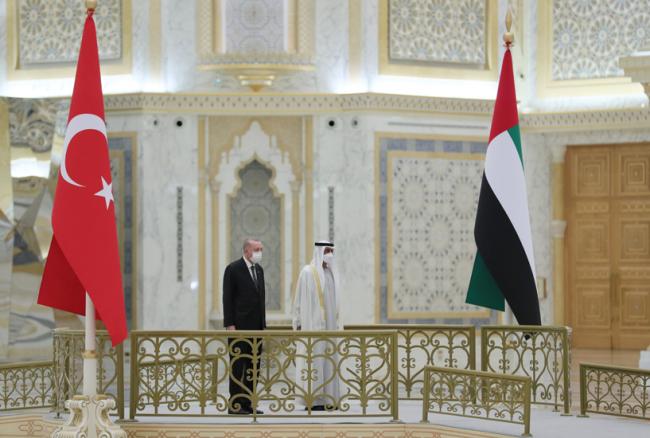
After a Divorce, a Frosty Entente: Turkey's Rapprochement with the United Arab Emirates and Saudi Arabia
After the Arab uprisings, Turkey’s relations with Saudi Arabia and the United Arab Emirates (UAE) broke down along sharp ideological lines. While Riyadh and Abu Dhabi sought to preserve the regional status quo by adopting a counter-revolutionary approach, Turkey emerged as an anti status quo, pro-revolutionary power supporting political islam.
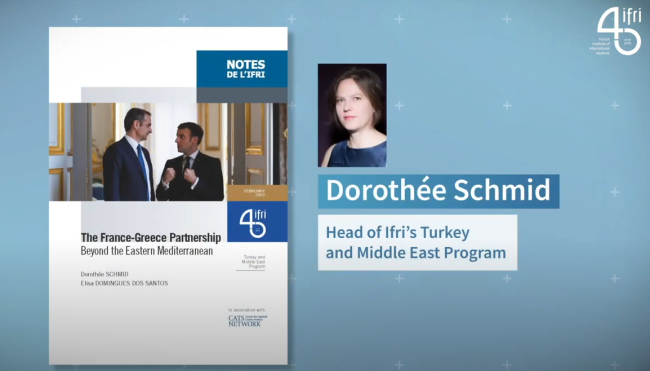
The French-Greek Partnership: Beyond The Eastern Mediterranean.
This week, Ifri, in partnership with CATS Network, is launching a series of five videos on the tensions in the Eastern Mediterranean, seen through the prism of the geopolitical rivalry between France and Turkey.

The French Military's Perception of the Turkish Military and Turkey's Expansion in the EastMed.
This week, Ifri, in partnership with CATS Network, is launching a series of five videos on the tensions in the Eastern Mediterranean, seen through the prism of the geopolitical rivalry between France and Turkey.
Building European Strategic Autonomy vs. Turkish Strategic Depth: Macron's Diplomatic Gamble.
This week, Ifri, in partnership with CATS Network, is launching a series of five videos on the tensions in the Eastern Mediterranean, seen through the prism of the geopolitical rivalry between France and Turkey.
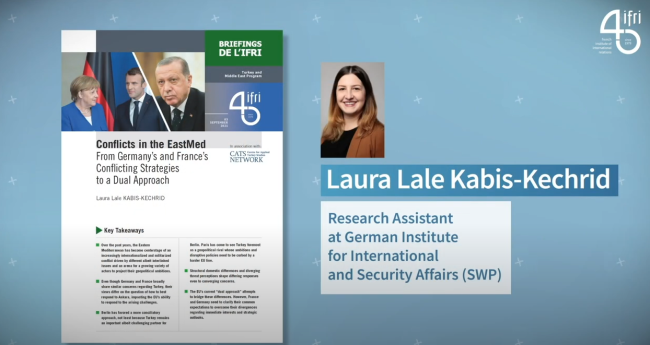
Conflicts in the EastMed: from Germany's and France's Conflicting Strategies to a Dual Approach.
This week, Ifri, in partnership with CATS Network, is launching a series of five videos on the tensions in the Eastern Mediterranean, seen through the prism of the geopolitical rivalry between France and Turkey.
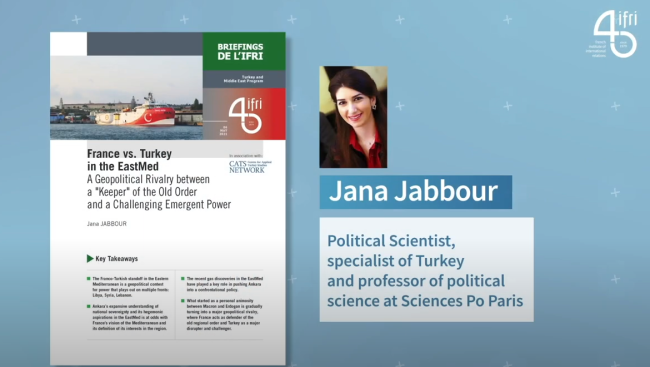
France/Turkey in the EastMed: a Closer Look at the Rivalry between the Two Countries.
This week, Ifri, in partnership with CATS Network, is launching a series of five videos on the tensions in the Eastern Mediterranean, seen through the prism of the geopolitical rivalry between France and Turkey.
NATO and ESDP: Institutional Complexities and Political Realities
With 50 years’ seniority over the ESDP, and despite its austere origins, NATO transformed itself during the 20th century into a political-bureaucratic machine in search of a more appropriate international role.
How to Jumpstart Economic Recovery in Syria? The role of syrian entrepreneurs in Turkey
This report examines the potential role of Syrian-partnered companies operating in Türkiye in supporting economic recovery and reconstruction efforts in Syria. Based on data collected through field research and surveys conducted by the Economic Policy Research Foundation of Türkiye (TEPAV), the report provides an overview of the business characteristics, sectoral distribution, and cross-border economic activities of Syrian entrepreneurs. The report explores how this business activity could contribute to restoring supply chains, stimulating local production, and generating employment.
Adıyaman, the “Ownerless City”: Story of a Political Emancipation
Over the past two years, the city of Adıyaman has made headlines for two major reasons: first, its devastation by the earthquake of February 6, 2023, which struck between Turkey and Syria, and second, its significant political shift following the municipal elections of March 31, 2024.
Turkey and France - Allies or Rivals: Opportunities to be Seized
As international relations have become increasingly unpredictable, the quest is to find a semblance of normality. Alliances are shifting as interests are changing. The so-called order established after the Second World War is being shattered by those who have given so much to create it. Global relations are being transformed by countries that wish to follow the rules and others that want to circumvent or ignore them. In this uncertain environment, it is therefore all the more crucial to find stable allies.
Is the Republican People’s Party (CHP) Rising from the Ashes?
The victory of the CHP [Cumhuriyet Halk Partisi, Republican People’s Party] in the Turkish municipal elections of March 2024 firmly established it as the leading party of opposition to the Islamic-conservative AKP [Adalet ve Kalkınma Partisi, Justice and Development Party], which has been in power since 2002.
Sudan in Turkey’s African Geopolitics: A Sotto Voce Experience in a Coveted Region
Since the launch of the Opening Plan to Africa in 2003, Turkey's African policy has spread to the whole of the African continent, where its involvement is distinguished by its scope and diversity.
The Next Surge of Conflict in the South Caucasus Is Still Preventable
The tragic exodus of the Armenian population from the Nagorno Karabakh region has closed a chapter in the long saga of conflict between Armenia and Azerbaijan.
TB2 Bayraktar: Big Strategy for a Little Drone
Since 2016, the tactical drone TB2 Bayraktar—“standard bearer” in Turkish—has received considerable media attention, particularly during the conflict in Nagorno-Karabakh in 2020. Thanks to Azerbaijan’s victory over its neighbor Armenia, the drone, manufactured by Baykar, is now a proven combat system with increasing numbers of export clients.
Balancing Security and Innovation: Opposition's View on Turkey's Digital Policies
The upcoming presidential and parliamentary elections in Turkey on May 14, 2023, are expected to be closely contested. Polls suggest that the ruling AK Party-led People’s Alliance will lose its majority in parliament, resulting in a hung lower house.
After a Divorce, a Frosty Entente: Turkey's Rapprochement with the United Arab Emirates and Saudi Arabia
After the Arab uprisings, Turkey’s relations with Saudi Arabia and the United Arab Emirates (UAE) broke down along sharp ideological lines. While Riyadh and Abu Dhabi sought to preserve the regional status quo by adopting a counter-revolutionary approach, Turkey emerged as an anti status quo, pro-revolutionary power supporting political islam.
Building European Strategic Autonomy vs. Turkish Strategic Depth: Macron's Diplomatic Gamble
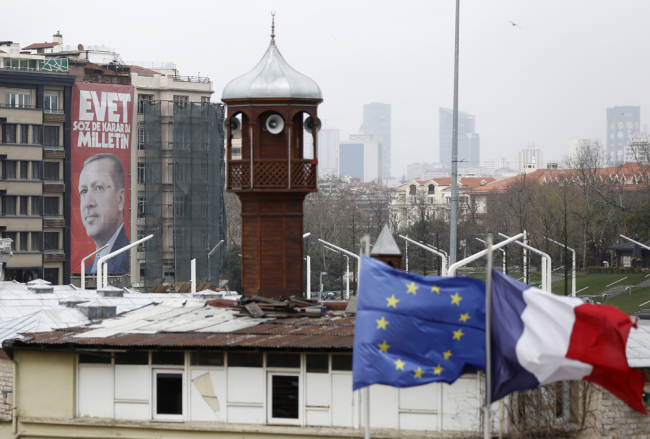
Since coming into office in 2017, Emmanuel Macron has been the loudest advocate for the development of European ‘strategic autonomy’, which aims at reinforcing the European Union’s geo-strategic independence. Asserting the EU’s role on the international stage, starting with its immediate neighborhood, directly clashes with Recep Tayyip Erdogan's long-term expansion strategy in several key areas.
Conflicts in the EastMed: From Germany’s and France’s Conflicting Strategies to a Dual Approach
Back to “the Tradition”: Turkey’s Changing Position from a Federal to a Two-State Solution to the Cyprus Conflict
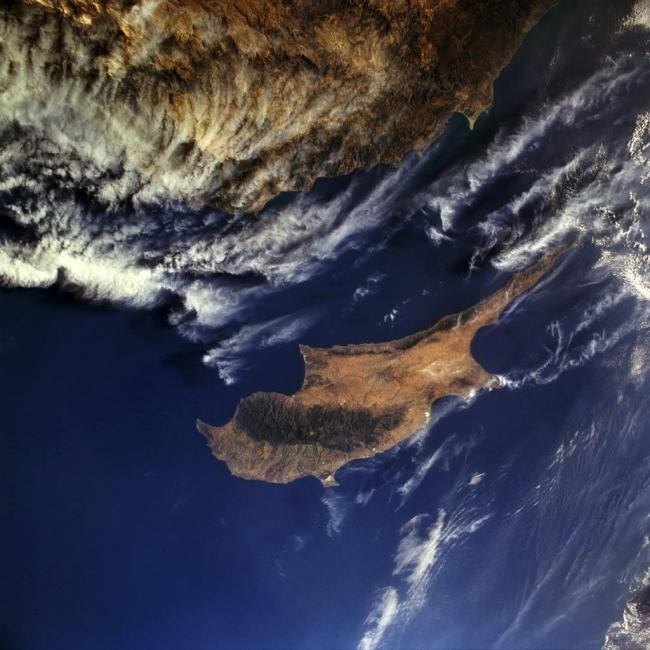
When it came to power in 2002, the Justice and Development Party (AKP) defended a bicommunal, federal solution for Cyprus, and supported the Annan Plan to reunite the island.

Turkey-China Relations: Ambitions and Limits of the Economic Cooperation
At first glance, China and Turkey have many interests to cooperate. The deployment of the Chinese Belt and Road Initiative (BRI), Turkey's colossal investment and financing needs, as well as President Erdogan's mistrust of the West, appear as many converging interests. Yet economic cooperation between the two countries is struggling to achieve its full potential. Political differences persist, particularly the question of the Uyghurs.
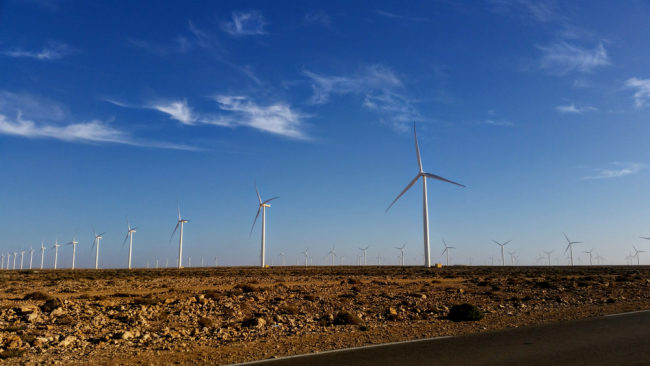
Accelerating the Energy Transition in the Southern Mediterranean
The Mediterranean region has been identified as one of the most affected regions by climate change endangering human security at the food-water-energy nexus.
The Taboo of the Armenian Genocide, Part One: Global Reaction and American Inaction
In the Syrian refugee crisis enveloping Europe, Turkey has become the bottleneck toward which migrants are flowing into Europe, a factor increasingly important for Germany in particular. Relations have been strained, however, due to disputes over the possibility of lifting visa requirements.
Turkey: the Sèvres Syndrome, or the Endless War
For Turks, the Treaty of Sèvres symbolises the dissolution of the empire and the carving up of Turkey by foreign powers.
The Left in Turkey: A Fragmented History
The Gezi protest movement gripped Turkey throughout the summer of 2013 and reignited observers’ interest in Turkey’s left-wing activist groups, which participated in the protests.
France, Germany, Turkey: A New Triangle of Powers
Relations between Germany, France and Turkey have been strictly bilateral for a long time, with varying intensity, styles and areas of cooperation. The European perspective that is now part of these relations has introduced a three-way dynamic.
Russia-Turkey: A Relationship Shaped by Energy
Deepening energy ties between Turkey and Russia prompt questions as to the balance of power between the two countries, with the former relying heavily on the latter for its energy needs.
War in the Middle East: Regional Fractures, Global Shockwaves, and the End of the Old Order
Panel from the World Policy Conference 2026, organized by Thierry de Montbrial and Ifri, from April 24 to 26, 2026.
War in the Middle East: Regional Fractures, Global Shockwaves, and the End of the Old Order
Panel from the World Policy Conference 2026, organized by Thierry de Montbrial and Ifri, from April 24 to 26, 2026.

EU border crisis : an interview with Matthieu Tardis
Matthieu Tardis, Research Fellow at the Center for Migration and Citizenship spoke about the European Union's migration policy and the crisis at the Turkish-Greek border on Euronews's program, Now.
Ifri, a foundation recognized as being of public utility, relies largely on private donors – companies and individuals – to guarantee its sustainability and intellectual independence. Through their funding, donors help maintain the Institute's position among the world's leading think tanks. By benefiting from an internationally recognized network and expertise, donors refine their understanding of geopolitical risk and its consequences on global politics and the economy. In 2026, Ifri partners with over 90 French and international companies and organizations.
