Middle East
Related Subjects
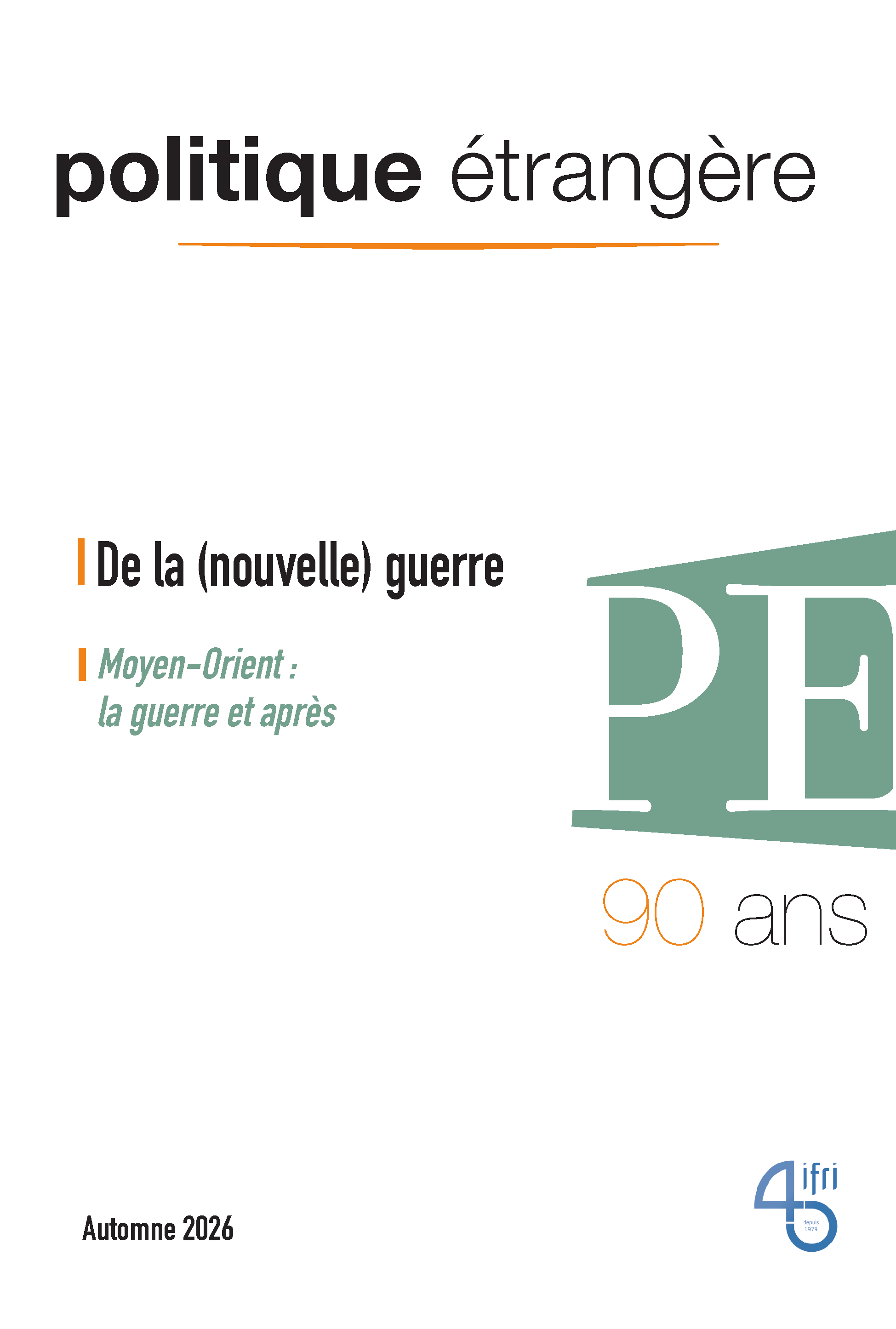
On (New) War
Are the new dynamics of power assertion, the redistribution of influence, and the emergence of new technologies changing both the place of war in the everyday life of our societies and the way war is waged when it occurs? Does the obsession with conflict, combined with technical efficiency, impose upon us a state of permanent latent war? And when weapons speak, does the involvement of modern technologies and the companies that produce them revolutionize both the political decision-making process and the way people are engaged in war? These are fundamental questions raised by the conflicts in Ukraine and the Middle East, and they are already shaping current thinking on military strategy and organization.
“Remodeling” the Middle East?
Chaos continues to spread, seemingly without end, across the Middle East. The Israeli-American attack on Iran has resulted in a clear military and diplomatic failure, but it is paving the way for a regional realignment, the consequences of which remain uncertain. New regional groupings are taking shape, either centered around Israel or built on the prospect of coexistence with Tehran, alongside a decline in American influence and the marginalization of Europe, while China maintains a low-key presence.
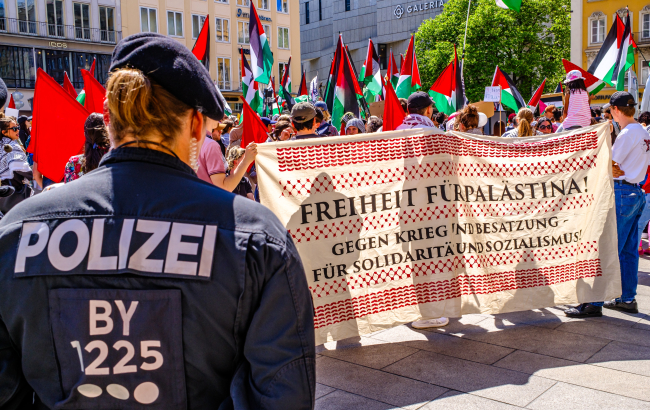
Overwhelmed: Germany’s Israel Policy after October 7th
Few countries have been as profoundly affected by the attacks of October 7th and the subsequent Gaza war as Germany. This is not merely a political controversy. It reflects a deeper structural problem: German-Israel policy has long rested on two guiding principles—a particular historical responsibility toward Israel derived from the Holocaust, and a firm commitment to universalist norms, above all international law and human rights.

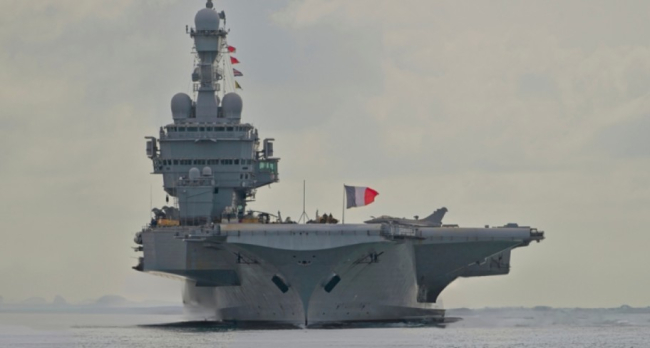
War in Mideast Tests Europe’s Military Might. The Verdict? Mixed.
To defend allies from Iran, the continent’s powers have mounted a rare show of force. But those efforts have diverted limited resources from other hot spots. Despite refusing to join the attacks on Iran, Europe’s leaders have responded to the widening war in the Middle East by sending warships, fighter jets and air-defense systems to protect bases and allies in the region.
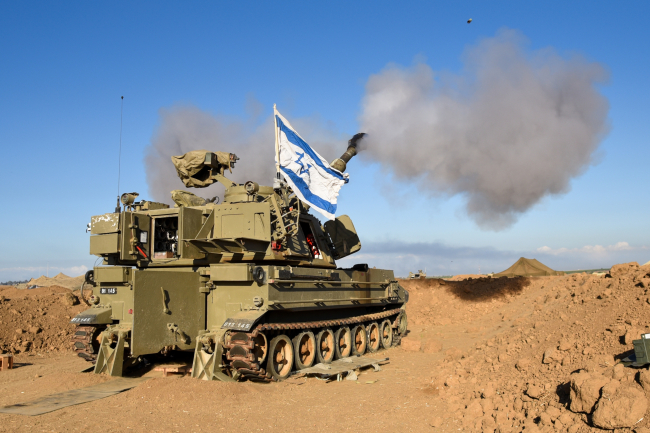
"Iron Swords" A Military Analysis of Israel's War in Gaza
On October 7, 2023, Hamas' attack, dubbed “Al-Aqsa Flood,” caused a major shock and led Israel to launch the longest war in its history. Operation “Iron Swords” was notable for its unprecedented intensity, both in terms of the massive ground forces deployed and the firepower used.


Thomas Gomart, director of the French Institute of International Relations: 'Trump reasserts the US' strategic centrality'
By bombing Iran alongside Israel, Donald Trump has performed a show of force aimed at China and Russia, explains the director of the French Institute of International Relations in an interview.

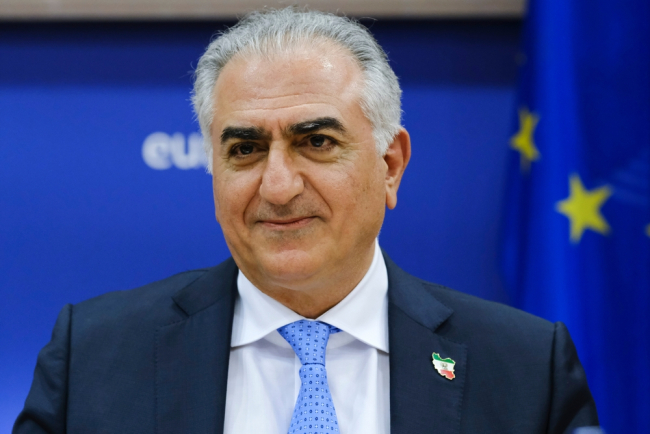
Reza Pahlavi, son of king overthrown by Iran's clerical rulers, sees a chance at regime change
Reza Pahlavi, whose father was deposed in the 1979 Islamic Revolution, is Iran's most recognizable opposition figure.

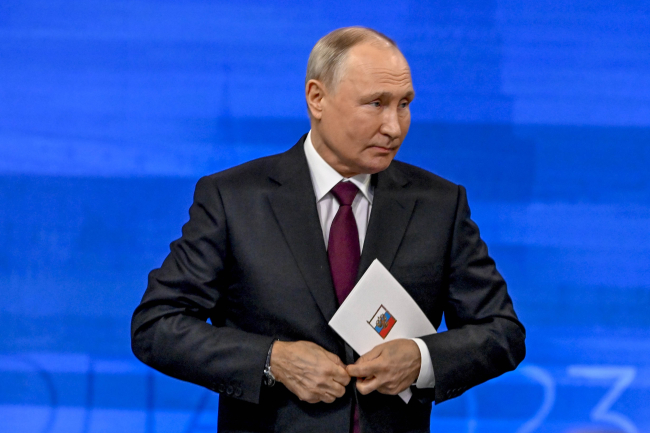
Putin Eyes Peacemaking Role In Israel-Iran Air War
Vladimir Putin is eyeing the conflict between Israel and Iran as an opportunity to thrust himself to the forefront of the international stage, more than three years into his invasion of Ukraine.

Out of Thin Air but More than a Mirage: The Politics of Saudi Arabia's Nascent Music Industry
This study critically examines Saudi Arabia’s nascent music industry, which is promoted as a key element of Vision 2030, Crown Prince Mohammed bin Salman’s strategic framework to diversify the kingdom’s economy. It explores how state-led investments in music and entertainment intersect with authoritarian governance. The author neither dismisses these investments as conspicuous spending nor reproduces an alarmist narrative of impending cultural imperialism. The article takes a political sociology approach to understand how Saudi entertainment plans consolidate domestic power and reshape regional cultural landscapes.
War and Peace in the Middle East: What Role for the Europeans? (World Policy Conference 2024)
Saturday, December 14, 2024 - 17th edition of the World Policy Conference in Abu Dhabi, United Arab Emirates. Plenary session 19: War and Peace in the Middle East: What Role for the Europeans?
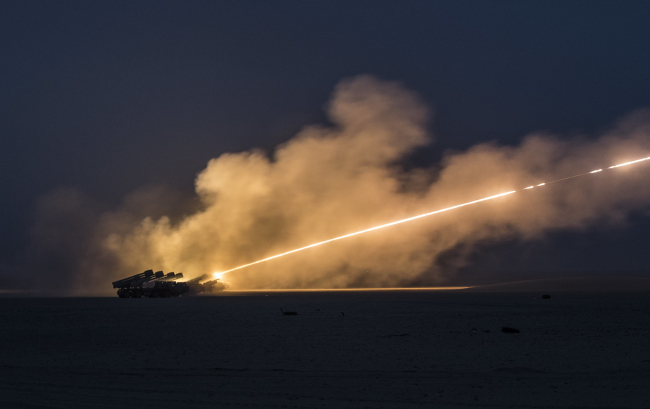
Deep Precision Strikes: A New Tool for Strategic Competition?
Reaching deep into the enemy’s system to weaken it and facilitate the achievement of operational or strategic objectives is a key goal for armed forces. What capabilities are required to conduct deep strikes in the dual context of high-intensity conflict and strengthened enemy defenses?
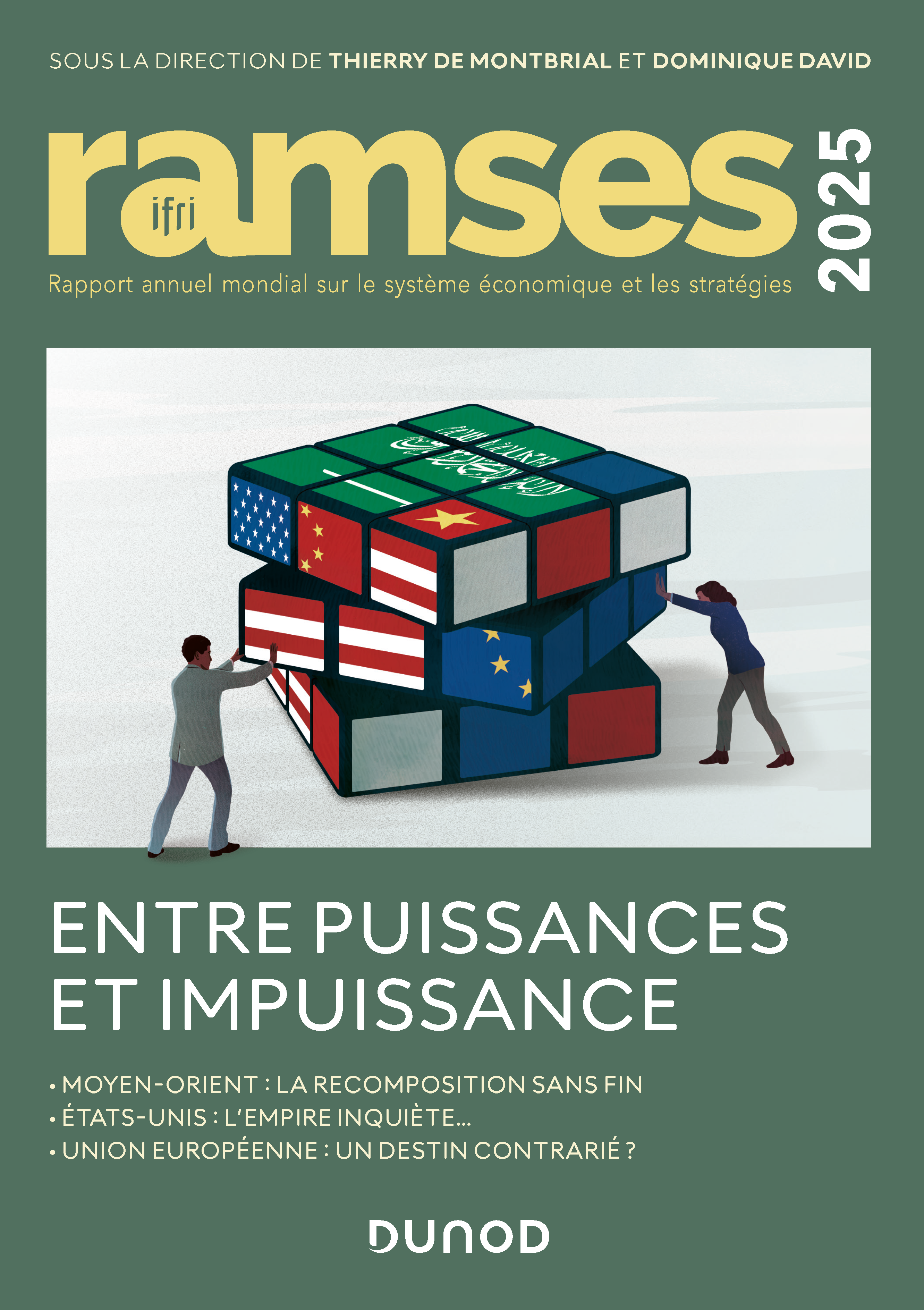
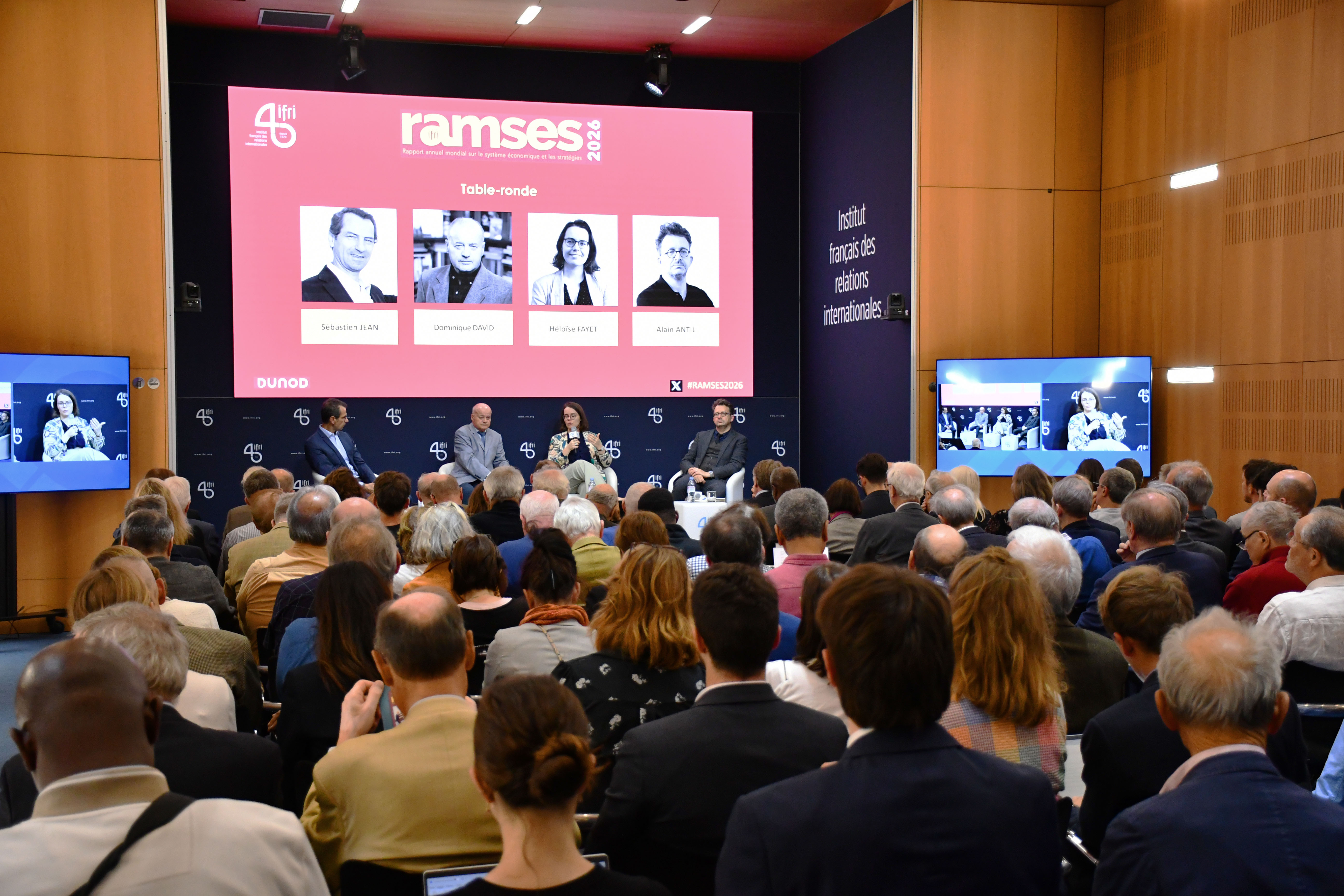
RAMSES 2025. Between Powers and Powerlessness
Never before have there been so many powers able to upset the international balance of power, and never before have the dominant powers seemed so powerless to counter the fragmentation of the world.


Israel-Hamas War Exposes Divisions in France
In a polarized France, President Emmanuel Macron must navigate the conflict in a way that doesn’t further inflame the public or advantage his political rivals.
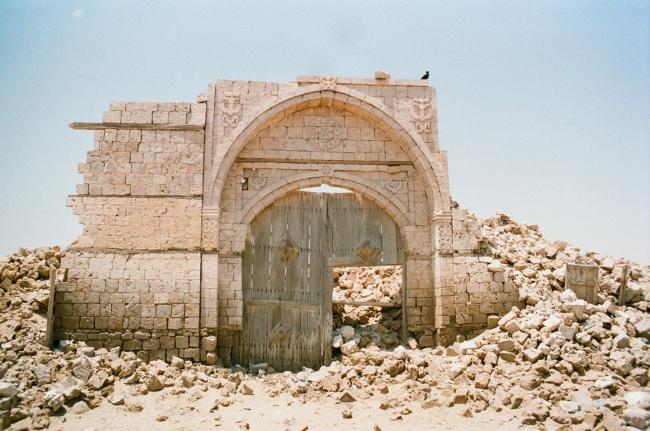
Sudan in Turkey’s African Geopolitics: A Sotto Voce Experience in a Coveted Region
Since the launch of the Opening Plan to Africa in 2003, Turkey's African policy has spread to the whole of the African continent, where its involvement is distinguished by its scope and diversity.
Thirty Years on from the Oslo Accords: An Israeli Perspective
The Oslo agreements signed in 1993 raised high hopes for peace in the Middle East. But appraising the state of affairs, thirty years on, the picture is bleak.
A Palestinian Perspective on the Oslo Accords
The Oslo Agreement of 1993 was a declaration of principles that later needed to be clarified through further negotiations.
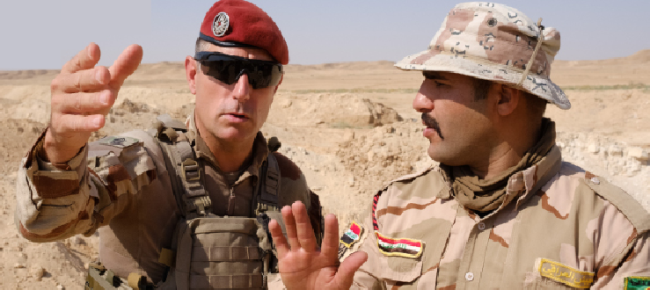
What Strategic Posture Should France Adopt in the Middle East?
France has a historical presence in the Middle East, where it has many interests to defend: the fight against terrorism, the promotion of the arms industry, the dissemination of humanitarian values, etc. To this end, it has a number of resources at its disposal, notably military: French forces are deployed in Iraq, Syria and Jordan as part of Operation Chammal, in Lebanon for the United Nations Interim Force in Lebanon (UNIFIL), and in the United Arab Emirates.
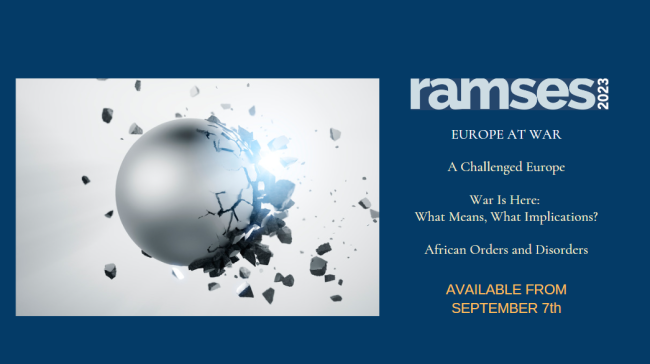
RAMSES 2023. Europe at War
For its 41st edition, RAMSES 2023. Europe at War, written by Ifri's research team and external experts, offers an in-depth and up-to-date analysis of geopolitics in today’s world.
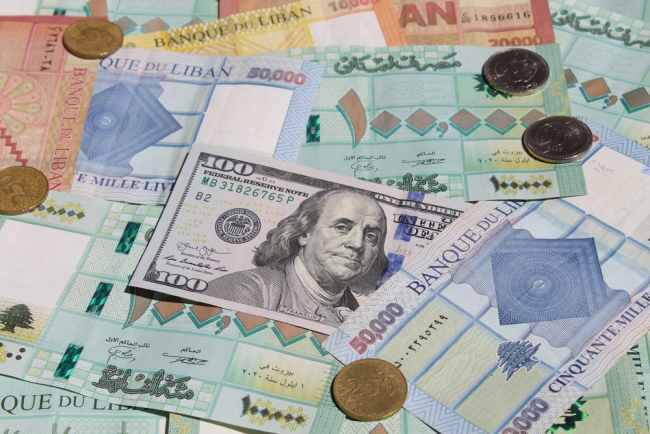
Lebanese Banking Crisis: The Systemic Workings of a Wreck
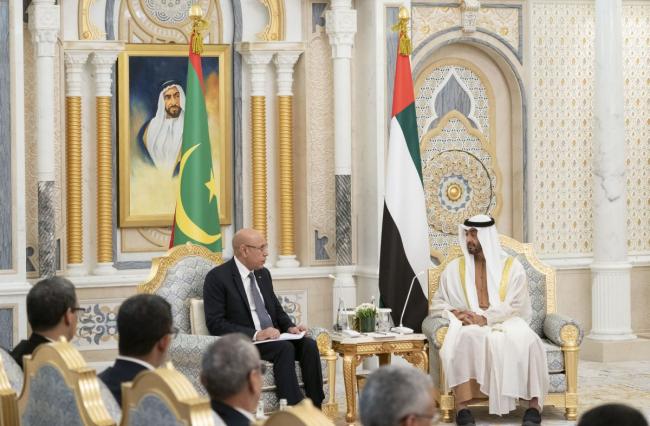
The United Arab Emirates in Africa: The Partly Thwarted Ambitions of a New Regional Player
The United Arab Emirates (UAE) has long-standing ties with African countries, but the implementation of a genuine Africa policy dates back only about 15 years.
“Remodeling” the Middle East?
Chaos continues to spread, seemingly without end, across the Middle East. The Israeli-American attack on Iran has resulted in a clear military and diplomatic failure, but it is paving the way for a regional realignment, the consequences of which remain uncertain. New regional groupings are taking shape, either centered around Israel or built on the prospect of coexistence with Tehran, alongside a decline in American influence and the marginalization of Europe, while China maintains a low-key presence.
On (New) War
Are the new dynamics of power assertion, the redistribution of influence, and the emergence of new technologies changing both the place of war in the everyday life of our societies and the way war is waged when it occurs? Does the obsession with conflict, combined with technical efficiency, impose upon us a state of permanent latent war? And when weapons speak, does the involvement of modern technologies and the companies that produce them revolutionize both the political decision-making process and the way people are engaged in war? These are fundamental questions raised by the conflicts in Ukraine and the Middle East, and they are already shaping current thinking on military strategy and organization.
"Iron Swords" A Military Analysis of Israel's War in Gaza
On October 7, 2023, Hamas' attack, dubbed “Al-Aqsa Flood,” caused a major shock and led Israel to launch the longest war in its history. Operation “Iron Swords” was notable for its unprecedented intensity, both in terms of the massive ground forces deployed and the firepower used.
The Middle East in 2029
The wars ravaging the Middle East are not destined to continue forever and the region is not condemned to being governed by autocrats. A transition to a more just order for the region’s populations is possible, but will take time. It is unlikely to happen by 2029. Progress will be gradual, pushed by civil society. New revolutions are possible, although it is not sure they will lead to greater democracy.
RAMSES 2025. Between Powers and Powerlessness
Never before have there been so many powers able to upset the international balance of power, and never before have the dominant powers seemed so powerless to counter the fragmentation of the world.
Deep Precision Strikes: A New Tool for Strategic Competition?
Reaching deep into the enemy’s system to weaken it and facilitate the achievement of operational or strategic objectives is a key goal for armed forces. What capabilities are required to conduct deep strikes in the dual context of high-intensity conflict and strengthened enemy defenses?
Out of Thin Air but More than a Mirage: The Politics of Saudi Arabia's Nascent Music Industry
This study critically examines Saudi Arabia’s nascent music industry, which is promoted as a key element of Vision 2030, Crown Prince Mohammed bin Salman’s strategic framework to diversify the kingdom’s economy. It explores how state-led investments in music and entertainment intersect with authoritarian governance. The author neither dismisses these investments as conspicuous spending nor reproduces an alarmist narrative of impending cultural imperialism. The article takes a political sociology approach to understand how Saudi entertainment plans consolidate domestic power and reshape regional cultural landscapes.
Thirty Years on from the Oslo Accords: An Israeli Perspective
The Oslo agreements signed in 1993 raised high hopes for peace in the Middle East. But appraising the state of affairs, thirty years on, the picture is bleak.
A Palestinian Perspective on the Oslo Accords
The Oslo Agreement of 1993 was a declaration of principles that later needed to be clarified through further negotiations.
What Strategic Posture Should France Adopt in the Middle East?
France has a historical presence in the Middle East, where it has many interests to defend: the fight against terrorism, the promotion of the arms industry, the dissemination of humanitarian values, etc. To this end, it has a number of resources at its disposal, notably military: French forces are deployed in Iraq, Syria and Jordan as part of Operation Chammal, in Lebanon for the United Nations Interim Force in Lebanon (UNIFIL), and in the United Arab Emirates.
Lebanese Banking Crisis: The Systemic Workings of a Wreck
The United Arab Emirates in Africa: The Partly Thwarted Ambitions of a New Regional Player
The United Arab Emirates (UAE) has long-standing ties with African countries, but the implementation of a genuine Africa policy dates back only about 15 years.
RAMSES 2021. At the Edge?
RAMSES 2021. At the Edge?, written by Ifri's research team and external experts, offers an in-depth and up-to-date analysis of geopolitics in today’s world.
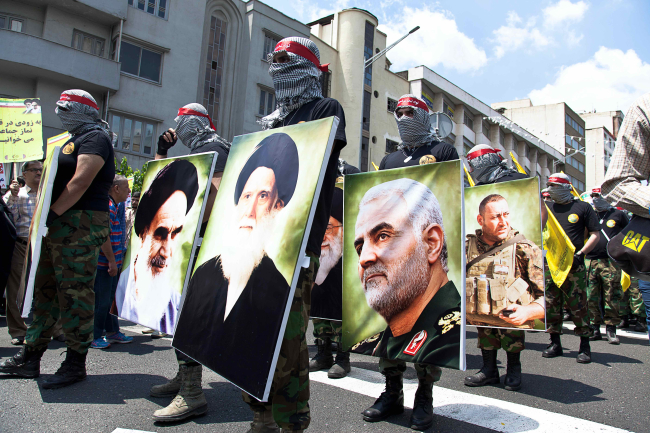
L’Iran et ses “proxys” au Moyen-Orient. Les défis de la guerre par procuration
If Iran is a key player in the Middle East, it is in no small part because of its extensive network of armed militia, which it uses as proxies.
Quel avenir pour le djihadisme ? Al-Qaïda et Daech après le califat
Despite a relative weakening since 2017, the international jihadist movement should continue to pose a genuine threat over the next decade.
The US Oil Embargo on Iran: A New Oil Shock?
The 14 July 2015 Vienna agreement on Iran’s nuclear activities (Joint Comprehensive Plan of Action – JCPoA) was a game changer on the geopolitics in the Middle East and for the oil market. The oil sanctions were lifted and Iran increased significantly its production and exports. On 8 May 2018, President Trump announced that the United Stated (US) would withdraw from the agreement. Financial sanctions were reintroduced. From 5 November 2018 onwards, further sanctions will be re-imposed more specifically on petroleum related transactions, including the purchase of petroleum, petroleum products and petrochemical products. What could be the impact of this new embargo? Is there a risk of a new oil supply and price shock?
Understanding the Resilience of the Islamic Republic of Iran
The leaders of Iran nurture regional ambitions, and are conscious of the limits of their country’s power.
The Future Middle East Strategic Balance. Conventional and Unconventional Sources of Instability
This paper seeks to analyze the future Middle Eastern military balance of power, in a time horizon of five to ten years.
War and Democratic Decision Making: How do Democracies Argue and Decide Whether or Not to Intervene in Distant Wars?
What is the proper place and forum for decisions about war and peace in a democracy? There is surprisingly little consensus on this matter, not in theory and not in practice. While in Iraq, Libya and Syria, all Western actions have ended in failure, it seems necessary to analyze the place and importance of this aspect of the democratic decision making.
Russia's Diplomacy in the Middle East: Back to Geopolitics
Moscow's approach to the Middle East has undergone real changes from Soviet times to the present day: it evolved from creating zones of influence against the background of confrontation with the West to seeing the region through the prism of mainly economic interests, and, finally, to Moscow’s current pragmatic view.
War in Mideast Tests Europe’s Military Might. The Verdict? Mixed.
To defend allies from Iran, the continent’s powers have mounted a rare show of force. But those efforts have diverted limited resources from other hot spots. Despite refusing to join the attacks on Iran, Europe’s leaders have responded to the widening war in the Middle East by sending warships, fighter jets and air-defense systems to protect bases and allies in the region.
Thomas Gomart, director of the French Institute of International Relations: 'Trump reasserts the US' strategic centrality'
By bombing Iran alongside Israel, Donald Trump has performed a show of force aimed at China and Russia, explains the director of the French Institute of International Relations in an interview.
Reza Pahlavi, son of king overthrown by Iran's clerical rulers, sees a chance at regime change
Reza Pahlavi, whose father was deposed in the 1979 Islamic Revolution, is Iran's most recognizable opposition figure.
Putin Eyes Peacemaking Role In Israel-Iran Air War
Vladimir Putin is eyeing the conflict between Israel and Iran as an opportunity to thrust himself to the forefront of the international stage, more than three years into his invasion of Ukraine.
Israel-Hamas War Exposes Divisions in France
In a polarized France, President Emmanuel Macron must navigate the conflict in a way that doesn’t further inflame the public or advantage his political rivals.
War and Peace in the Middle East: What Role for the Europeans? (World Policy Conference 2024)
Saturday, December 14, 2024 - 17th edition of the World Policy Conference in Abu Dhabi, United Arab Emirates. Plenary session 19: War and Peace in the Middle East: What Role for the Europeans?
Lebanon: Out With The Old, In With The What?
Dorothée Schmid, head of the Middle East program participated in a webinar organized by Italian think tank ISPI and the Malcolm H. Kerr Carnegie Middle East Center to talk about the current Lebanese government, French and American foreign policy in the country.
Ifri, a foundation recognized as being of public utility, relies largely on private donors – companies and individuals – to guarantee its sustainability and intellectual independence. Through their funding, donors help maintain the Institute's position among the world's leading think tanks. By benefiting from an internationally recognized network and expertise, donors refine their understanding of geopolitical risk and its consequences on global politics and the economy. In 2026, Ifri partners with over 90 French and international companies and organizations.