








Practical information
Dans le cadre de l'Ifri Energy Breakfast Roundtable, un séminaire avec la participation de Yurdakul Yigitgüden, ancien Sous-secrétaire d'Etat au Ministère turc de l'Energie, Elshad Nassirov, Vice-Président, SOCAR (tbc) et Brendan Devlin, administrateur principal, DG TREN, Commission européenne.
Discutant : Christof van Agt, chercheur, Clingendael International Energy Program.
Modérateur : William C. Ramsay, directeur du programme Energie à l'Ifri.
En collaboration avec le "Cligendael International Energy Programme" - http://www.clingendael.nl/
The pipeline projects in the Southern Gas Corridor have been extensively discussed inside and outside the EU. After the different high-level summits in April and May, what is the current state of the several pipeline projects in the Southern Gas Corridor? In the context of the Southern Gas Corridor, the position of Turkey as a transit country is crucial. Where are the negotiations on a transit regime going? What are the remaining obstacles to finding a solution acceptable to all parties involved?
Moreover, Azerbaijan as a potential supplier country is of uppermost importance for all pipeline projects in the Southern Gas Corrido and already makes an important contribution to the security of oil and gas markets. What lessons can be learnt and how is the position of Azerbaijan evolving in the context of current development in the region?
This meeting further develops on the outcomes & findings of earlier roundtable discussions held by the Energy Program of Ifri and the Clingendael International Energy Program, like most recently Ifri's Annual Conference "Investing in Europe's Energy Future" in Brussels or Clingendael's "Energy in SE-Europe" conference in the Hague.
Other events
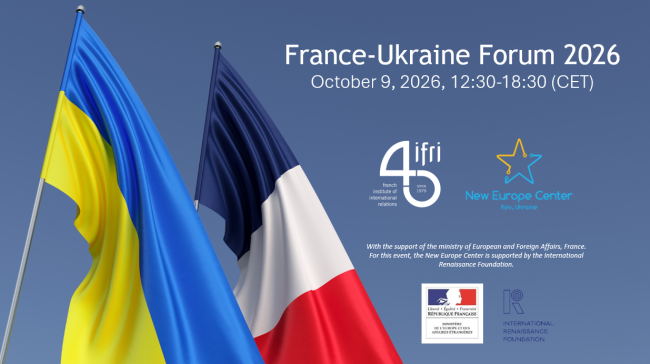
France-Ukraine Forum 2026
More than four and a half years after the start of the full-scale war launched by Russia against Ukraine, the 2026 France-Ukraine Forum will bring together policymakers, experts, academics, and civil society representatives from both countries to discuss three main topics: the formats and conditions for a lasting diplomatic settlement; Ukraine’s Euro-Atlantic integration, encompassing both the EU accession process and closer ties with NATO; and the societal transformations of postwar Ukraine, as well as its prospects for reconstruction.
The EU in a World of Economic Warfare: Trade, Geopolitics, and the Battle for Economic Sovereignty
The international trading system has become a primary theatre of geopolitical competition. Tariffs, sanctions, and technology controls have replaced dialogue as the default instruments of economic relations.
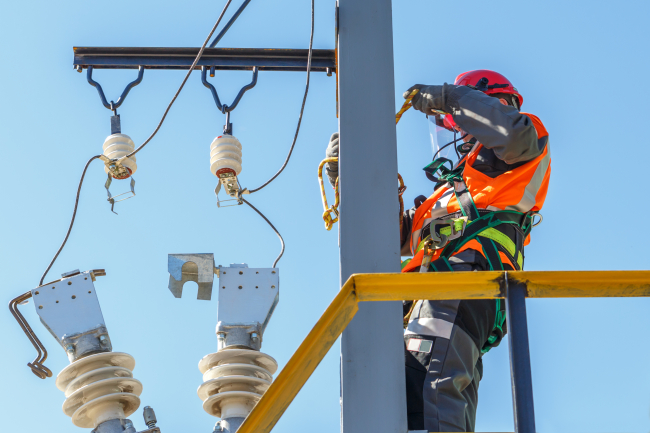
The Road to 27 Electrification Action Plans: Planning and Investing in Europe’s Electric Future
The European Commission’s Electrification Action Plan places the continent on an electric path to structurally reduce dependence on fossil fuel imports and boost the energy transition in industry, transport and buildings.