




Approaching the Indo-Pacific: American, French, Indian and Japanese Visions

Practical information
The Indo-Pacific has become a buzzword since 2017, as it came to be used by all major players in the region stretching from East Africa to the Pacific.
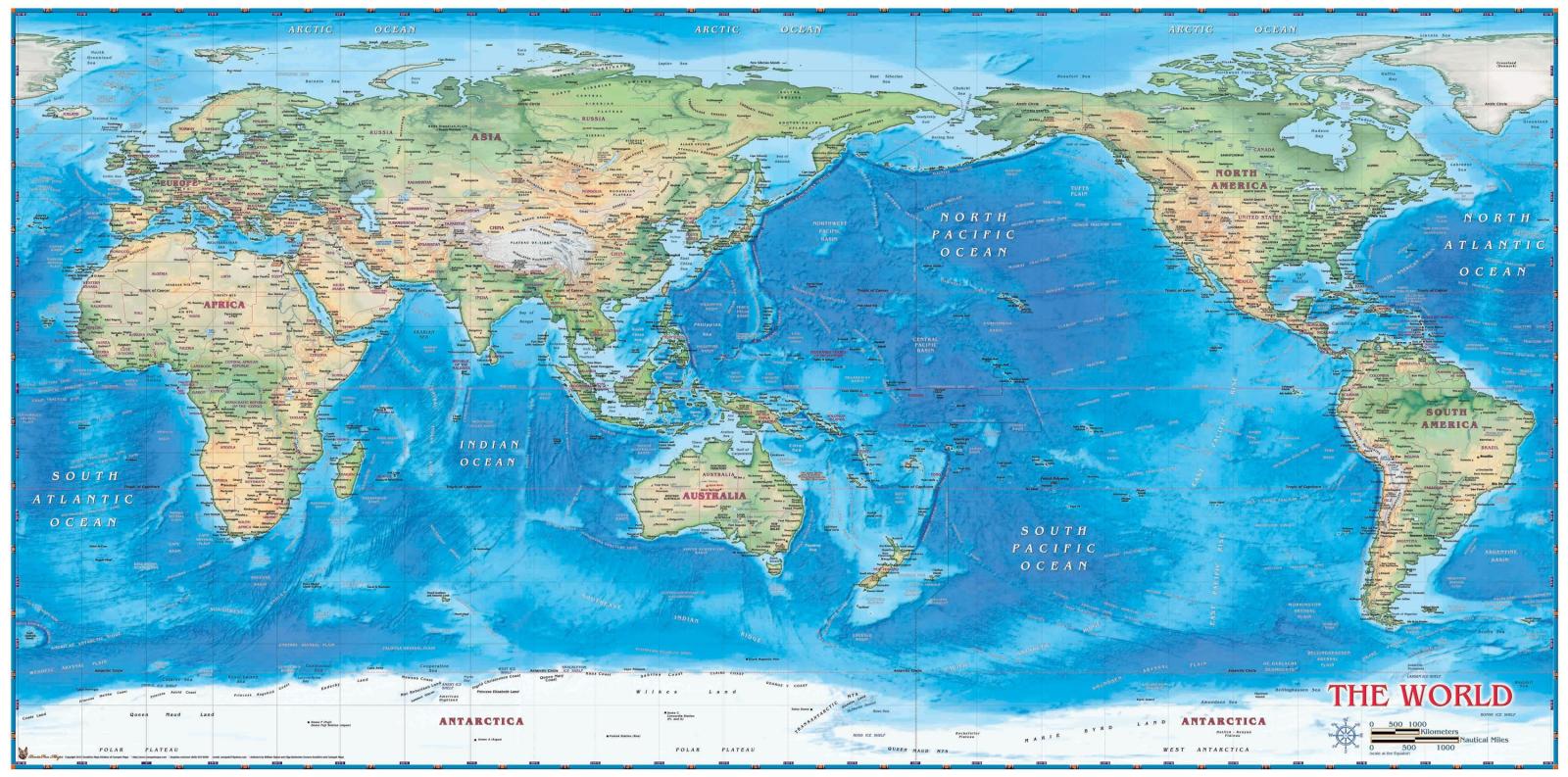
The relevance of this new terminology is grounded in the common challenges the countries from the Indian Ocean to the Pacific face in terms of development, connectivity and maritime security. This conference will help deciphering the various visions for the Indo-Pacific and understanding the implications in terms of strategy and cooperation for France, India, Japan, and the US. It will take the form of an interactive discussion, organized around a set of key questions.
The conference will be held in English.
Programme
9:00-11:00 – In search of the Indo-Pacific: Experts debate four visions for the region
Chair: Françoise NICOLAS, Director, Center for Asian Studies, Ifri
- The Japanese vision: Tsuneo WATANABE, Senior Fellow, The Sasakawa Peace Foundation, Tokyo
- The French vision: Isabelle SAINT-MEZARD, Associate research Fellow, Center for Asian Studies, Ifri
- The American vision: Mira RAPP-HOOPER, Senior Fellow, Paul Tsai China Center, University of Yale and Nonresident Senior Fellow at the Brookings Institution
- The Indian vision: Abhijit SINGH, Head, Maritime Policy Initiative, Observer Research Foundation (ORF), New Delhi
11:00-11:30 – Wrap-up Remarks: A French strategic vision of the Indo-Pacific region
- Nicolas REGAUD, Special Representative to the Indo-Pacific, French Ministry for the Armed Forces
Related Subjects
Other events
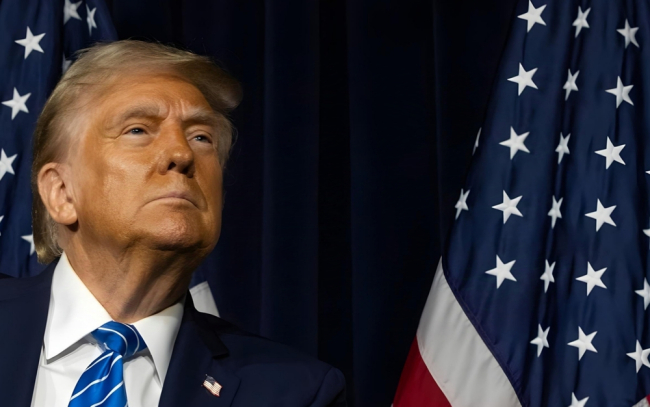
One Month Ahead of the Midterms: Where Is Trump’s America Headed?
The 24th edition of the Ifri Americas Programme Annual Conference will examine the dynamics at play in the United States and their implications for Europe and the transatlantic relationship. will examine the dynamics at play in the United States and their implications for Europe and the transatlantic relationship.
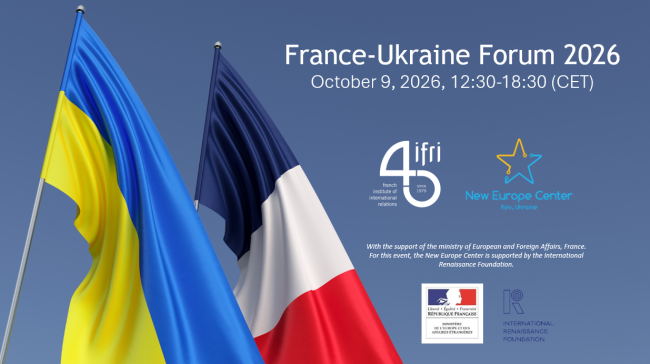
France-Ukraine Forum 2026
More than four and a half years after the start of the full-scale war launched by Russia against Ukraine, the 2026 France-Ukraine Forum will bring together policymakers, experts, academics, and civil society representatives from both countries to discuss three main topics: the formats and conditions for a lasting diplomatic settlement; Ukraine’s Euro-Atlantic integration, encompassing both the EU accession process and closer ties with NATO; and the societal transformations of postwar Ukraine, as well as its prospects for reconstruction.
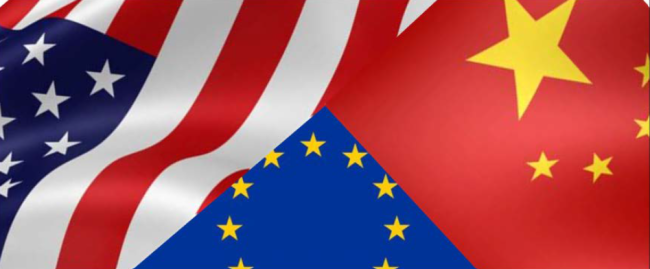
The EU in a World of Economic Warfare: Trade, Geopolitics, and the Battle for Economic Sovereignty
The international trading system has become a primary theatre of geopolitical competition. Tariffs, sanctions, and technology controls have replaced dialogue as the default instruments of economic relations.