



Practical information
Themes and regions
Related centers and programs
Ongoing tensions around the European project have been accompanied by what could be described a popular disaffection towards European institutions, as symbolized by a low turnout rate in the Czech Republic and the rest of Central Europe at the European Parliament elections in 2014. Other elements have also created a divide between the EU and its citizens, revolving around the idea of solidarity: the Eurozone crisis, the refugee and Schengen crisis, the looming threat of a Brexit, which all represent at their heart differing visions about a common future for Europe. How can these visions be integrated in re-imagining Europe, and what role do citizens play, and how can their influence be channeled? What is the role of the institutions in reflecting and enacting these preferences?
This conference aimed to present the findings of the Building Bridges project to a wider audience and to stimulate a public debate on the EU and the diverse views across the member states. It gathered about 120 participants from 11 EU countries (France, Greece, Italy, Ireland, Finland, Sweden, the Netherlands, Lithuania, the UK and the Czech Republic). This event was organised with EUROPEUM Institute for European Policy. To see the full programme, please click here.
The “Building Bridges Between National Perspectives on the European Union" project which is co-funded by the "Europe for citizens" programme of the European Union.
Related Subjects
Other events
A New Moment for Central Europe? Regional Cooperation in a Time of European Strategic Choices
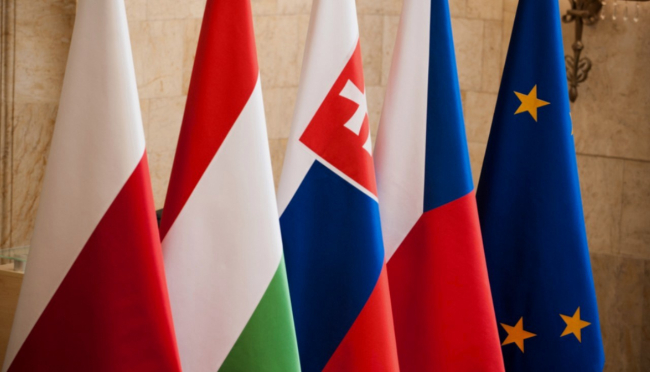
Recent political developments in Central Europe have revived the debate about the future of regional cooperation and the Visegrád Group. Changes in Hungary, Poland, the Czech Republic and Slovakia, together with Austria’s growing interest in closer cooperation with its neighbours, could create new opportunities for dialogue and coordination around shared priorities.
China’s Nuclear Buildup: Developments, Drivers, and Implications for Major-Power Relations and Arms Control
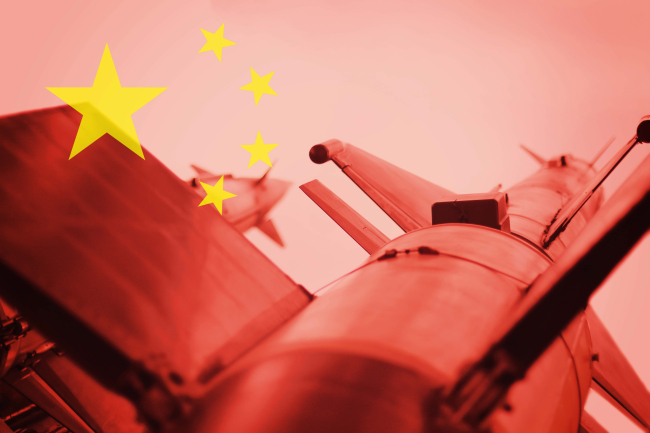
China has been steadily expanding its nuclear arsenal for several years amid levels of geopolitical tension unseen since the end of the Cold War, marked by a resurgence in nuclear proliferation and a broader, global arms race.