


EU-UK Summit: The Need for a Reset
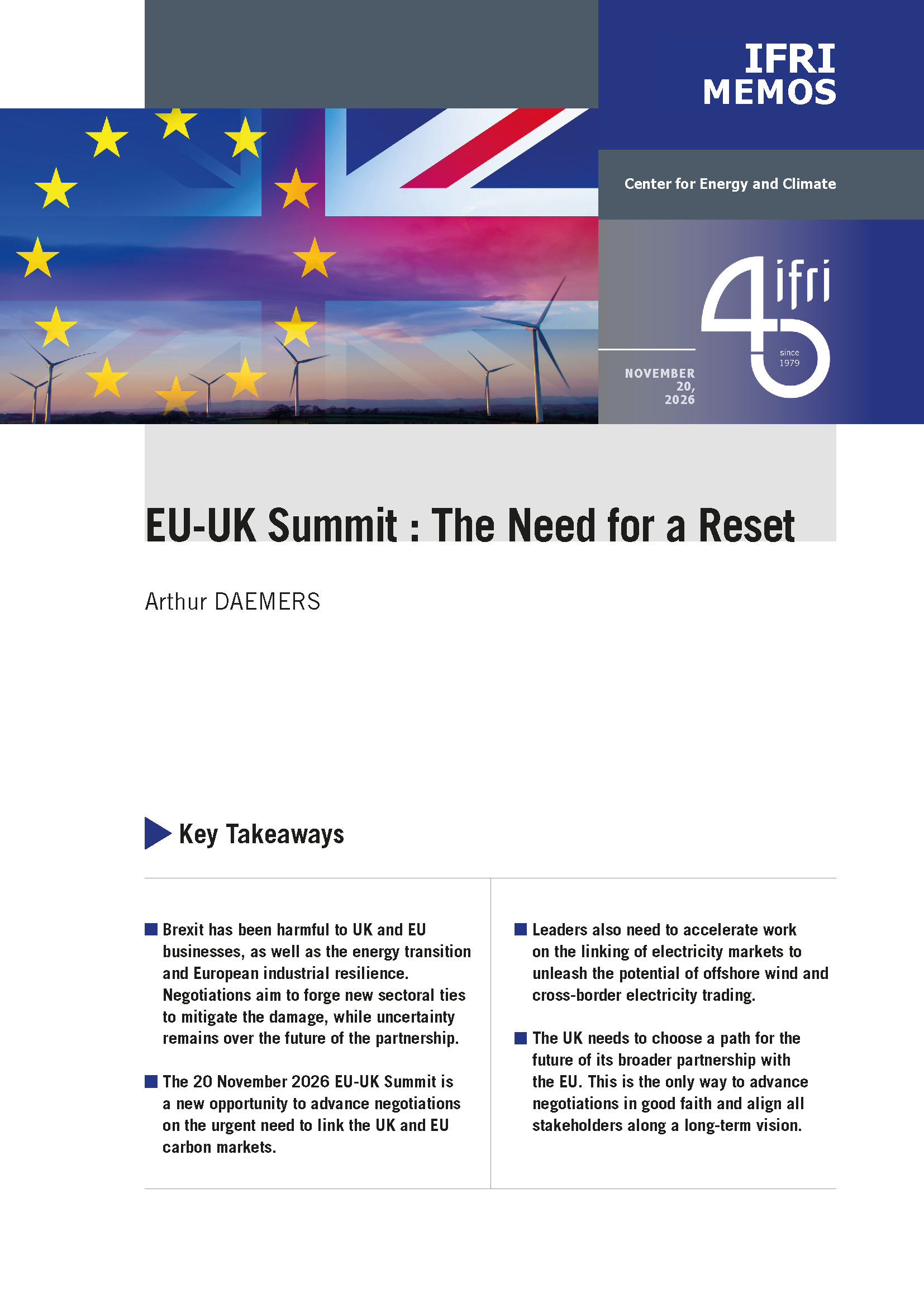
Since Brexit officially entered into force in 2020, the United Kingdom (UK) has worked to forge a new partnership with the European Union (EU). Serving its interests has meant getting closer to the EU in several economic sectors, without ever officially working towards EU reaccession.
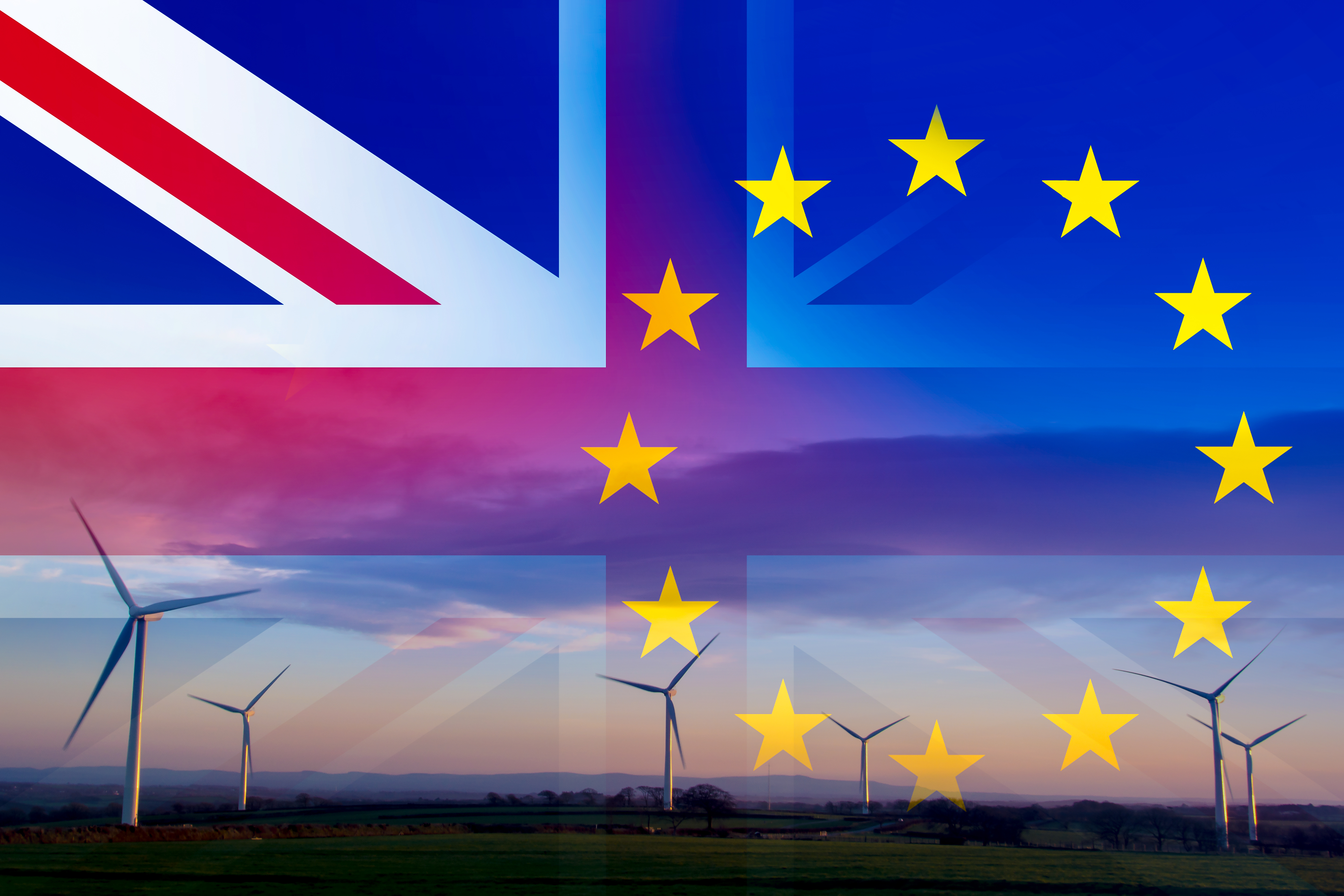
On November 20, after months of political instability in the UK, Prime Minister Andy Burnham and European Commission (EC) President Ursula von der Leyen will meet to discuss the way forward for this partnership. Ahead of the official talks, amid long and technical negotiations on various deals regarding youth mobility, food safety and carbon markets, Mr. Burnham floated the idea of a potential reaccession to the EU: “So, I will take the opportunity around the summit to lay out to you, to lay out to the country, what I believe the different options are for Britain’s long-term relationship with our European partners.”
Since 2020, the UK and the EU have worked on numerous deals, from the Withdrawal Agreement to the Windsor Framework, through to the UK-EU Competition Cooperation Agreement, in an attempt to take advantage of opportunities for cooperation in specific sectors while laying political conditions for progress in each area.
The UK now has much to gain in accelerating the transition to a closer relationship with the block as a geopolitical, economic and political entity. From both sides of the Channel, businesses are pushing for a closer partnership and a path towards integrated markets, especially energy, after six years of damage to trade.
Negotiations still need to overcome key hurdles, especially regarding industrial, energy and competition policy, to reach deals on carbon and energy markets. Long term, full reaccession would require a stronger political commitment from London that the UK is ready to reintegrate the block entirely, including on migration, cohesion, agriculture, energy, competition, trade and possibly monetary policy. More than technical negotiations, this requires a more structured and coherent high-level push.
Titre
Key takeaways

Available in:
Themes and regions
ISBN / ISSN
Share
This page contains only a summary of our work. If you would like to have access to all the information from our research on the subject, you can download the full version in PDF format.
EU-UK Summit: The Need for a Reset



Center for Energy & Climate
Ifri's Energy and Climate Center carries out activities and research on the geopolitical and geoeconomic issues of energy transitions such as energy security, competitiveness, control of value chains, and acceptability. Specialized in the study of European energy/climate policies as well as energy markets in Europe and around the world, its work also focuses on the energy and climate strategies of major powers such as the United States, China or India. It offers recognized expertise, enriched by international collaborations and events, particularly in Paris and Brussels.
Strategic Redundancy beyond Hormuz: Alternative Oil and Gas Corridors and Türkiye’s Emerging Role
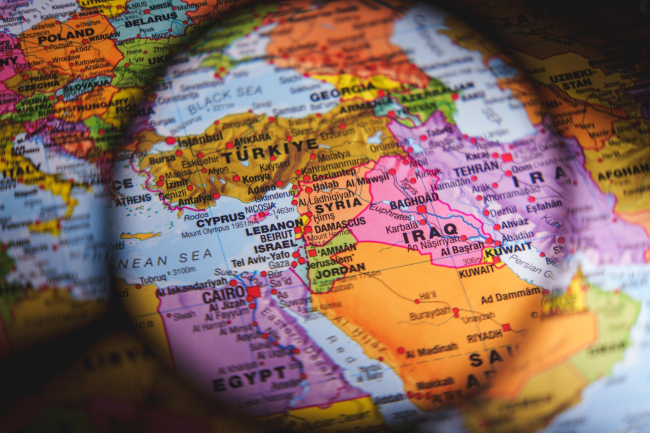
The central question raised by the present crisis in the Gulf and the disruption of navigation through the Strait of Hormuz is not simply how quickly and lastingly normal flows can be restored, but whether the regional energy architecture can continue to rely so heavily upon a single maritime corridor.
Mining Nationalism and Export Restrictions: The Challenges of Economic Development
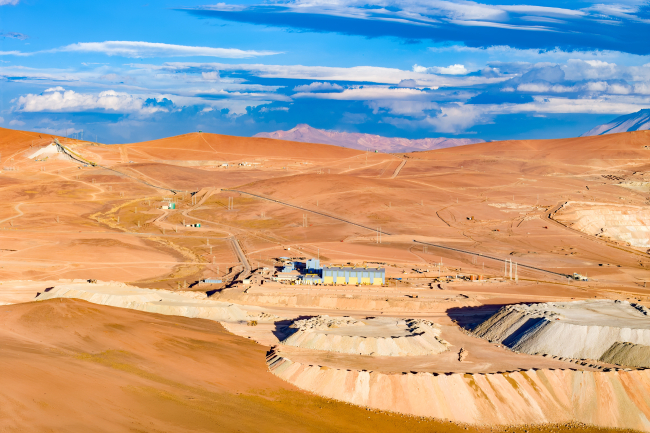
Since the end of the 2000s and especially the 2010s, resource nationalism has been on the rise.

Solar Radiation Management: A Climate Tool with Geopolitical Implications
The Paris Agreement (2015) aims to keep global warming below 2 °C, preferably 1.5 °C, above pre-industrial levels. Mitigation (reducing greenhouse gas emissions) remains the core tool for reaching net carbon neutrality by mid-century. However, a temperature overshoot is anticipated. The United Nations Environment Programme (UNEP) forecasts that the 1.5 °C threshold will be exceeded in the coming years, with warming potentially peaking between 2.2 °C and 3.6 °C this century. Against this backdrop, three trends characterize the climate policy debate.
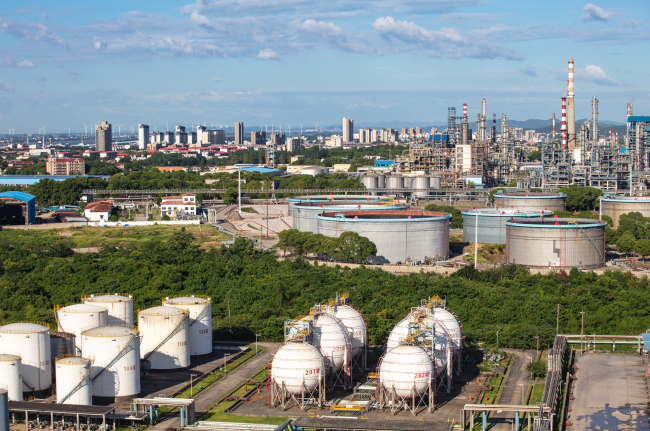
China’s Hydrogen Economy Five Years On
China’s hydrogen sector is not new. It is the world’s largest industrial hydrogen system, rooted in ammonia, methanol, refining, coal chemicals and by-product gas streams.