Framework Nation: A European Challenge and French Ambition
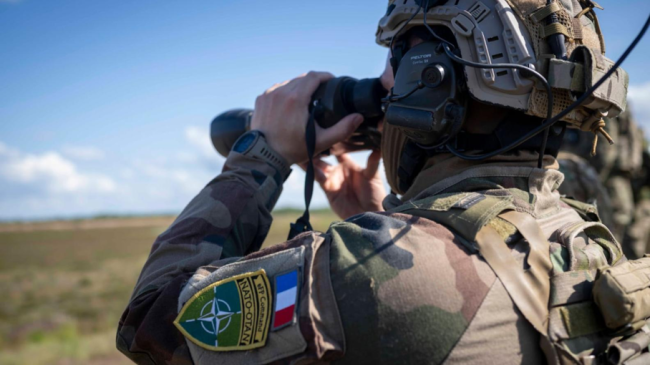
First appearing in the early 2000s, the framework nation concept follows several distinct rationales, whether it refers to a country assuming the leadership of a military operation, directing a multinational capability project, or commanding a permanent force structure. In every case, the country that takes on this role fully intends to derive from it additional politico-military influence.
A New Path for Europe
The construction of the European Union is historically inseparable from the emergence, at the end of World War II, of an Atlantic world dominated by the United States. Successive enlargements and the revision of U.S. policy are undermining the concepts upon which the European Union has been built since the fall of the USSR. It is undoubtedly time to return to a path of more diverse groupings, corresponding to the levels of commitment and the interests of the states of the Old Continent.
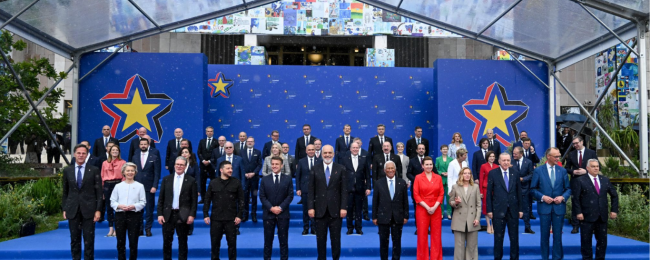
The Geopolitical Maturation of the European Political Community
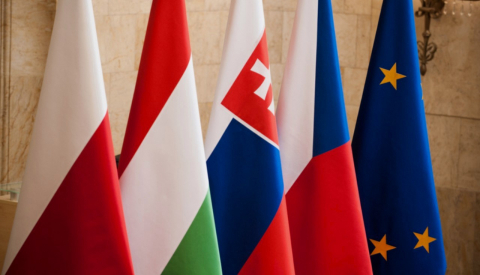
After Albania and Denmark in 2025, it will be Armenia’s turn to host the next summit of the European Political Community (EPC). As Yerevan gets ready to welcome the leaders of more than 40 European countries, the location of the summit in the heart of the South Caucasus draws attention to the geopolitical significance of the format, launched in Prague in 2022.
EU’s Derisking From China: A Daunting Task
With economic security as a major concern, the EU has recently turned to “derisking” from China. The EU strategy entails reducing critical dependencies and vulnerabilities, including in EU supply chains, and diversifying where necessary, while recognizing the importance and need to maintain open channels of communication.

The Strategic Dimension of Skills in the Clean Industrial Deal
In the competitiveness and energy transition battles, the European Union (EU) must master a determinant factor: skills.
Replay - France-Ukraine Forum 2025
Replay of the France-Ukraine Forum 2025. - Three years after the start of Russia's full-scale war against Ukraine, the France-Ukraine 2025 Forum will welcome politicians, experts, academics, and civil society representatives from both countries to discuss three main topics: Ukraine's current military strategy and strategic perspectives; the country's resilience and recovery; Ukraine's European and transatlantic perspectives, including the EU accession process and its aspirations to join NATO.
Quest for Strategic Autonomy? Europe Grapples with the US - China Rivalry
Building on the 2020 European Think Tank Network on China (ETNC) report, which assessed Europe’s positioning amid the strategic rivalry between the United States and China, this edition re-examines the geopolitical landscape in light of the Covid-19 pandemic, Russia’s war in Ukraine and Donald Trump’s return to the White House. This report features 22 national chapters and one dedicated to the EU, analysing the evolution of Europe’s relations with Washington and Beijing, the range of approaches to dealing the US-China rivalry and how these are expected to evolve.
Replay - Europe in turbulence: navigating a new world order without the United States?
A webinar organized by the Austro-French Centre for Rapprochement in Europe (ÖFZ) and the French Institute of International Relations (Ifri), on June 25, 2025. The foundations of the post-1945 international order, long anchored by U.S. leadership, are shifting. Amid intensifying geopolitical rivalry, democratic backsliding, and strategic fatigue in Washington, the question arises: what if the United States no longer plays its pivotal role in international security? Simultaneously, the Global South is asserting new political and economic agency, complicating the old binaries of West vs. Rest. For Europe, this landscape is both a challenge and an inflection point.
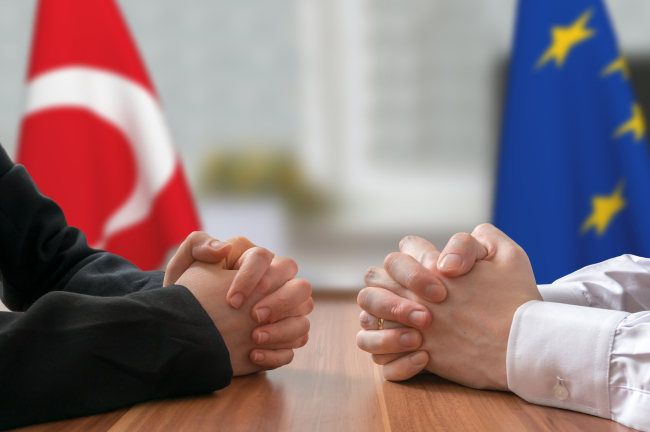
Turkey and France - Allies or Rivals: Opportunities to be Seized
As international relations have become increasingly unpredictable, the quest is to find a semblance of normality. Alliances are shifting as interests are changing. The so-called order established after the Second World War is being shattered by those who have given so much to create it. Global relations are being transformed by countries that wish to follow the rules and others that want to circumvent or ignore them. In this uncertain environment, it is therefore all the more crucial to find stable allies.
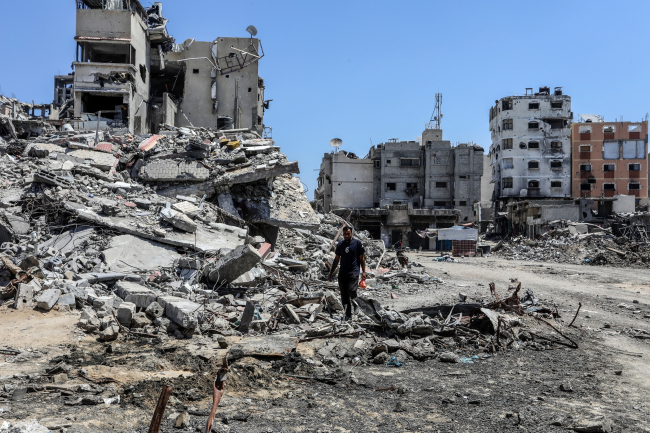
Taking the Pulse: Should the EU Suspend its Association Agreement With Israel?
Israeli leaders are clearly stating their intention to forcibly displace Gazans out of the Strip, a policy which amounts to ethnic cleansing. To uphold its commitment to human rights, should the EU suspend its association agreement with Israel?
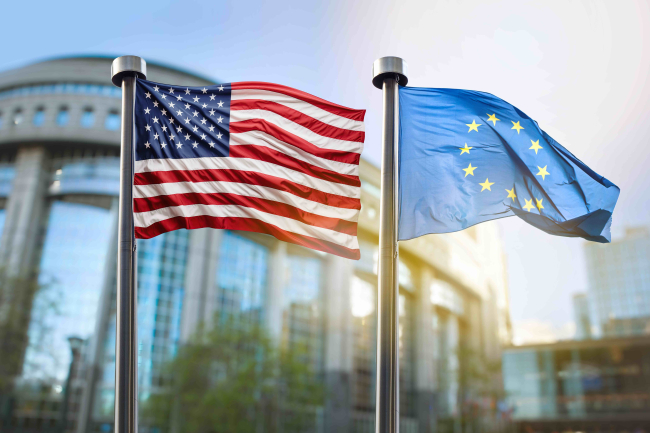
A Transatlantic Defense Industrial Base? Two Contrasting Views
The evolving landscape of global defense cooperation has brought the transatlantic relationship between the United States (US) and Europe into sharp focus. As geopolitical tensions rise and the threat environment becomes more complex, the question of how Europe can best ensure its security while navigating its relationship with the United States has become paramount. This double feature report offers two contrasting views on the dynamics of US-Europe defense industrial relations, highlighting the challenges and opportunities that lie ahead for both parties.
Trump’s Second Term: Laying the Groundwork for a New Trade War
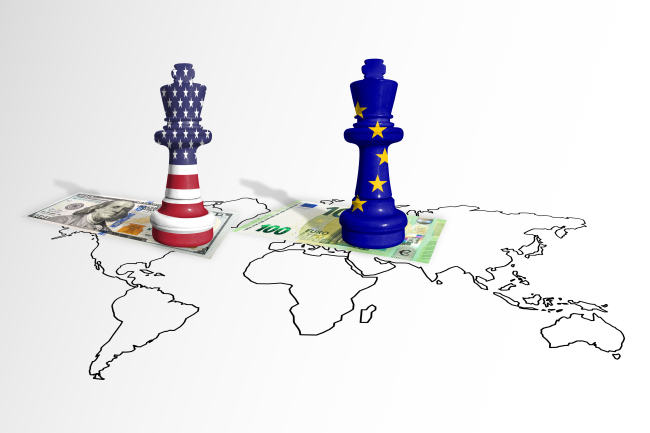
In a statement released on February 1, 2025, President Trump announced the implementation of a 10% tariff on Chinese goods and a 25% tariff on imports from Canada and Mexico. While the former took effect via executive order on February 4, the latter were granted a 30-day reprieve. Sanctions targeting European Union (EU) products are said to be imminent.
The New Geopolitics of Energy
Following the dramatic floods in Valencia, and as COP29 opens in Baku, climate change is forcing us to closely reexamine the pace—and the stumbling blocks—of the energy transition.
Europe’s Black Mass Evasion: From Black Box to Strategic Recycling
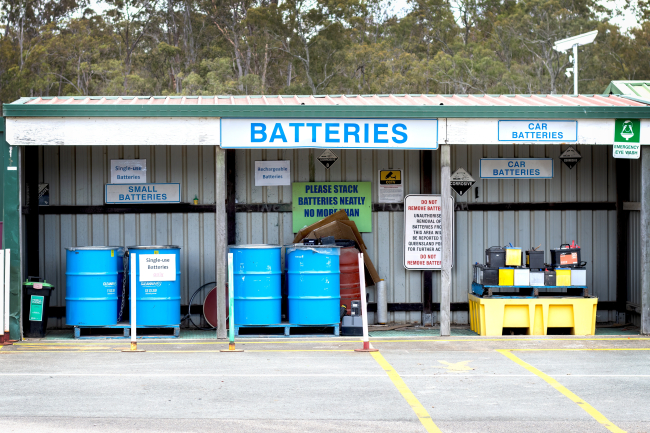
EV batteries recycling is a building block for boosting the European Union (EU)’s strategic autonomy in the field of critical raw minerals (CRM) value chains. Yet, recent evolutions in the European EV value chain, marked by cancellations or postponements of projects, are raising the alarm on the prospects of the battery recycling industry in Europe.
The Troubled Reorganization of Critical Raw Materials Value Chains: An Assessment of European De-risking Policies
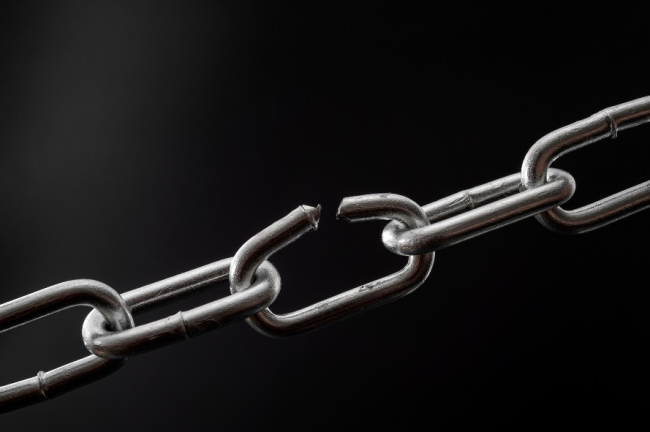
With the demand for critical raw materials set to, at a minimum, double by 2030 in the context of the current energy transition policies, the concentration of critical raw materials (CRM) supplies and, even more, of refining capacities in a handful of countries has become one of the paramount issues in international, bilateral and national discussions. China’s dominant position and successive export controls on critical raw materials (lately, germanium, gallium, rare earths processing technology, graphite, antimony) point to a trend of weaponizing critical dependencies.
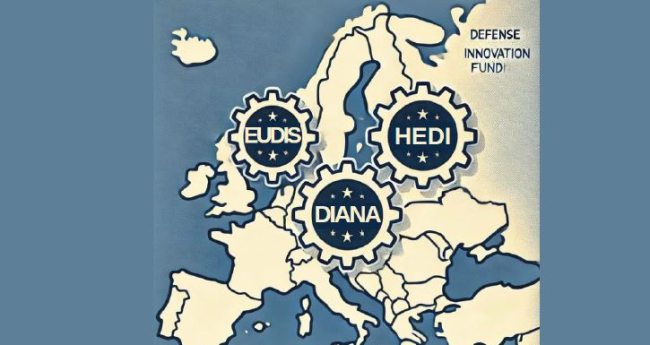
EUDIS, HEDI, DIANA: What's behind Three Defense Innovation Acronyms?
In Europe, with Russia’s war of aggression against Ukraine showing little sign of abating, a persistent gap remains between security needs and defense spending. According to a 2006 commitment enshrined at the 2014 Wales NATO summit, the North Atlantic Treaty Organization (NATO) members should disburse no less than 2% of their national gross domestic product (GDP) on defense, out of which 20% is to be spent on equipment and research and development. In 2024, only 23 Allies out of 32 are expected to meet or exceed this target, though a significant improvement from only three in 2014. This total includes the United States (US) devoting 3.38% of its GDP to defense, constituting almost 70% of all NATO member defense spending combined.
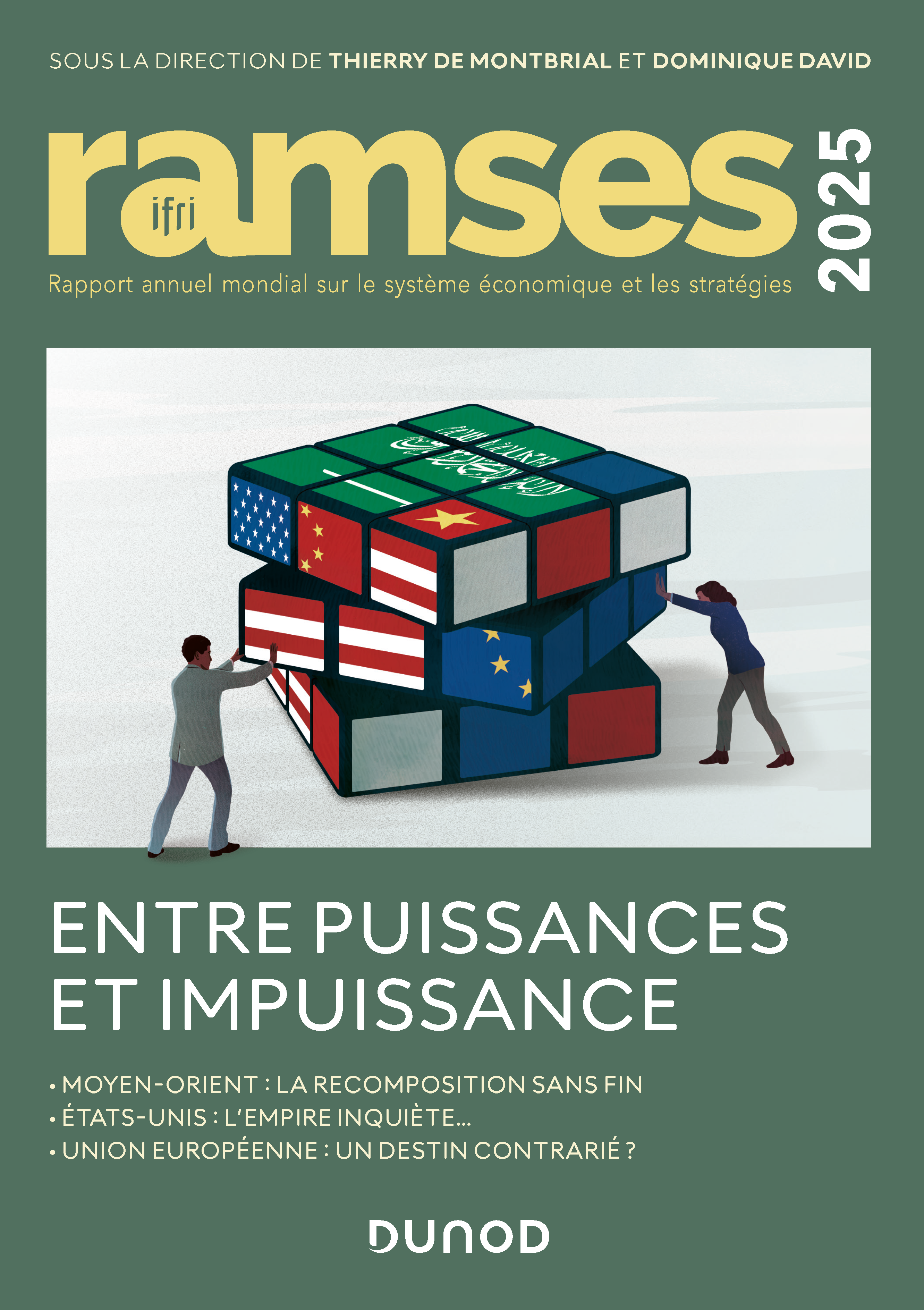
RAMSES 2025. Between Powers and Powerlessness
Never before have there been so many powers able to upset the international balance of power, and never before have the dominant powers seemed so powerless to counter the fragmentation of the world.

Franco-German relation faces familiar challenge ahead of Macron’s Germany trip
Franco-German symbolism, rather than bickering over policy, will briefly take centre stage when French President Emmanuel Macron meets German President Frank-Walter Steinmeier in Berlin on Sunday (26 May) during a three-day state visit, the first in 24 years.
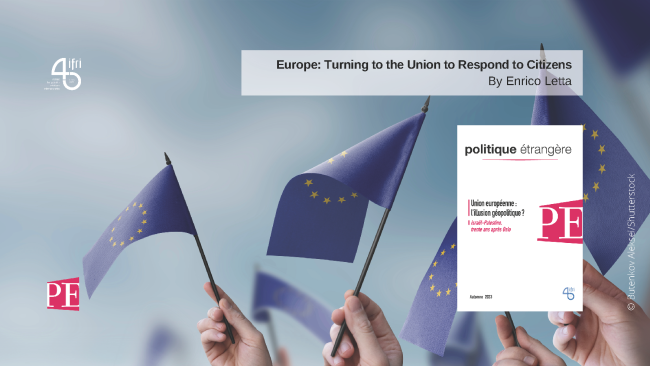
Europe: Turning to the Union to Respond to Citizens
To deal with the internal and external challenges of a new era, the European Union must reform its institutions: review Member States' right of veto, strengthen the Commission, and take action on foreign policy and security matters, energy, the single market and the economy, social policy, health and immigration—while at the same time considering expansion. This is the only way for the Union to preserve the values of freedom and democracy that underlie European integration.
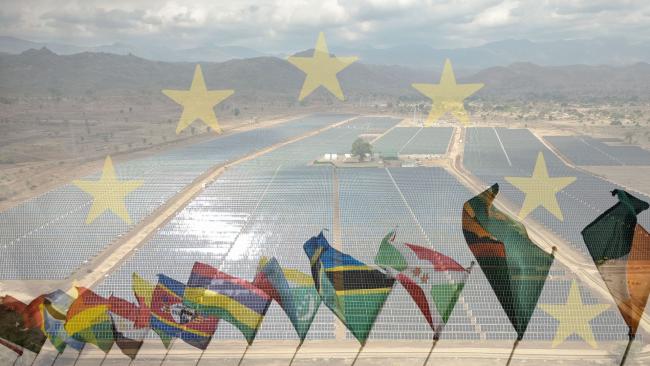
A framework for a Win-Win Europe-Africa Energy and Climate Partnership
North-South tensions are exacerbated at a time of unprecedented turmoil for both Europeans and Africans. European polycrises (geopolitical, energy-related and economic) echo the systematic vulnerability of Africans, which is reinforced by external shocks.
Framework Nation: A European Challenge and French Ambition
First appearing in the early 2000s, the framework nation concept follows several distinct rationales, whether it refers to a country assuming the leadership of a military operation, directing a multinational capability project, or commanding a permanent force structure. In every case, the country that takes on this role fully intends to derive from it additional politico-military influence.
A New Path for Europe
The construction of the European Union is historically inseparable from the emergence, at the end of World War II, of an Atlantic world dominated by the United States. Successive enlargements and the revision of U.S. policy are undermining the concepts upon which the European Union has been built since the fall of the USSR. It is undoubtedly time to return to a path of more diverse groupings, corresponding to the levels of commitment and the interests of the states of the Old Continent.
The Geopolitical Maturation of the European Political Community
After Albania and Denmark in 2025, it will be Armenia’s turn to host the next summit of the European Political Community (EPC). As Yerevan gets ready to welcome the leaders of more than 40 European countries, the location of the summit in the heart of the South Caucasus draws attention to the geopolitical significance of the format, launched in Prague in 2022.
EU’s Derisking From China: A Daunting Task
With economic security as a major concern, the EU has recently turned to “derisking” from China. The EU strategy entails reducing critical dependencies and vulnerabilities, including in EU supply chains, and diversifying where necessary, while recognizing the importance and need to maintain open channels of communication.
The Strategic Dimension of Skills in the Clean Industrial Deal
In the competitiveness and energy transition battles, the European Union (EU) must master a determinant factor: skills.
Quest for Strategic Autonomy? Europe Grapples with the US - China Rivalry
Building on the 2020 European Think Tank Network on China (ETNC) report, which assessed Europe’s positioning amid the strategic rivalry between the United States and China, this edition re-examines the geopolitical landscape in light of the Covid-19 pandemic, Russia’s war in Ukraine and Donald Trump’s return to the White House. This report features 22 national chapters and one dedicated to the EU, analysing the evolution of Europe’s relations with Washington and Beijing, the range of approaches to dealing the US-China rivalry and how these are expected to evolve.
Turkey and France - Allies or Rivals: Opportunities to be Seized
As international relations have become increasingly unpredictable, the quest is to find a semblance of normality. Alliances are shifting as interests are changing. The so-called order established after the Second World War is being shattered by those who have given so much to create it. Global relations are being transformed by countries that wish to follow the rules and others that want to circumvent or ignore them. In this uncertain environment, it is therefore all the more crucial to find stable allies.
Trump’s Second Term: Laying the Groundwork for a New Trade War
In a statement released on February 1, 2025, President Trump announced the implementation of a 10% tariff on Chinese goods and a 25% tariff on imports from Canada and Mexico. While the former took effect via executive order on February 4, the latter were granted a 30-day reprieve. Sanctions targeting European Union (EU) products are said to be imminent.
Europe’s Black Mass Evasion: From Black Box to Strategic Recycling
EV batteries recycling is a building block for boosting the European Union (EU)’s strategic autonomy in the field of critical raw minerals (CRM) value chains. Yet, recent evolutions in the European EV value chain, marked by cancellations or postponements of projects, are raising the alarm on the prospects of the battery recycling industry in Europe.
The Troubled Reorganization of Critical Raw Materials Value Chains: An Assessment of European De-risking Policies
With the demand for critical raw materials set to, at a minimum, double by 2030 in the context of the current energy transition policies, the concentration of critical raw materials (CRM) supplies and, even more, of refining capacities in a handful of countries has become one of the paramount issues in international, bilateral and national discussions. China’s dominant position and successive export controls on critical raw materials (lately, germanium, gallium, rare earths processing technology, graphite, antimony) point to a trend of weaponizing critical dependencies.
EUDIS, HEDI, DIANA: What's behind Three Defense Innovation Acronyms?
In Europe, with Russia’s war of aggression against Ukraine showing little sign of abating, a persistent gap remains between security needs and defense spending. According to a 2006 commitment enshrined at the 2014 Wales NATO summit, the North Atlantic Treaty Organization (NATO) members should disburse no less than 2% of their national gross domestic product (GDP) on defense, out of which 20% is to be spent on equipment and research and development. In 2024, only 23 Allies out of 32 are expected to meet or exceed this target, though a significant improvement from only three in 2014. This total includes the United States (US) devoting 3.38% of its GDP to defense, constituting almost 70% of all NATO member defense spending combined.
RAMSES 2025. Between Powers and Powerlessness
Never before have there been so many powers able to upset the international balance of power, and never before have the dominant powers seemed so powerless to counter the fragmentation of the world.
European and Japanese Soft Power Signal Renewed Influence of G7
The G7 summit in Hiroshima showcased a new international order in the making: in a world where security is indivisible, the priority should be to uphold a collectively shaped rules-based order and find a modus vivendi with China. The G7 can work toward this by taking into account the diverse perspectives of industrialized countries and the Global South, which prioritizes multi-alignment and autonomy. Japan and Europe played a critical role in this process.
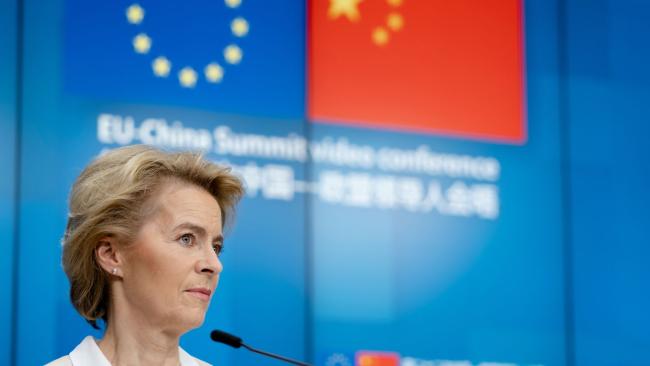
EU's China policy staying on track despite intensifying debate
While French President Emmanuel Macron’s state visit to China is viewed by some to be an exercise in stirring the pot, this does not mean that the European boat has veered off course. The EU is used to robust debate among and within member states, and can take this as another opportunity to affirm their stance on China.
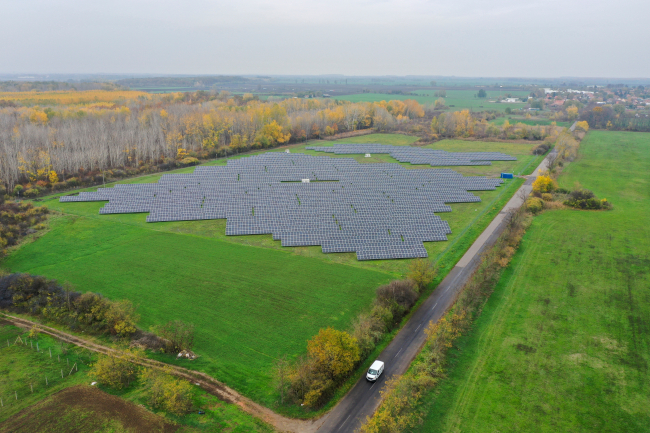
The Europeanisation of the Energy Transition in Central and Eastern EU Countries: An Uphill Battle that Can Be Won
Russia’s war in Ukraine, and the brutal decoupling from Russian fossil fuels, is a game changer for the Central and Eastern Europe region which was still heavily dependent on Russia for its energy supply.
What Role Should Southern Europe Play After the Pandemic and the War in Ukraine? Towards a Shared Agenda for EU Reform
Relations between southern European member states have often been marked by a loose cooperation or, worse, by logics of competition. Precisely when regional groupings within the European Union are increasingly shaping the agenda, these dynamics have hindered the capacity of France, Greece, Italy, Portugal, and Spain to pursue shared interests and objectives, while acting as a force for good for the European integration project. Recent events such as the post-pandemic recovery or the war in Ukraine show that, when cooperation occurs, positive results can be achieved.
Europe’s Quest for Technological Power
Computing power plays a key role in enabling data analytics and machine learning, in cybersecurity, for scientific research, and in military domains like nuclear warhead design and detonation simulation.
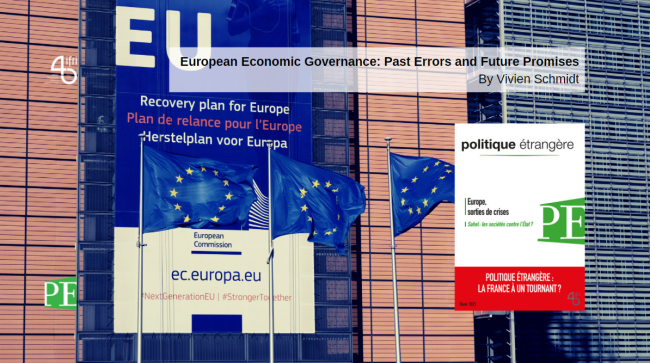
European Economic Governance: Past Errors and Future Promises
The eurozone crisis marked a real failure of European Union (EU) policy, which led to mediocre economic performance and the erosion of its political legitimacy among the populations of member states.
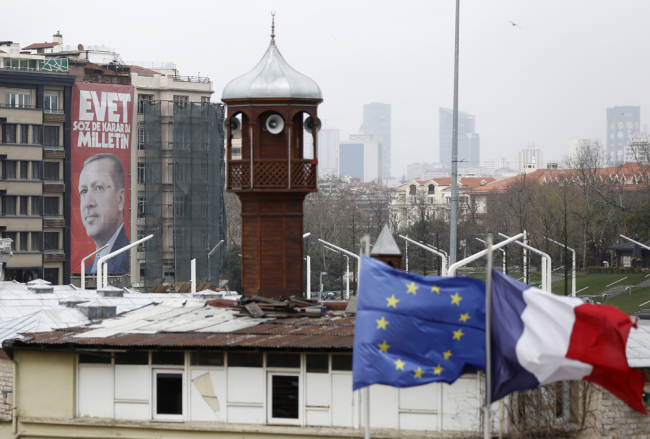
Building European Strategic Autonomy vs. Turkish Strategic Depth: Macron's Diplomatic Gamble
Since coming into office in 2017, Emmanuel Macron has been the loudest advocate for the development of European ‘strategic autonomy’, which aims at reinforcing the European Union’s geo-strategic independence. Asserting the EU’s role on the international stage, starting with its immediate neighborhood, directly clashes with Recep Tayyip Erdogan's long-term expansion strategy in several key areas.
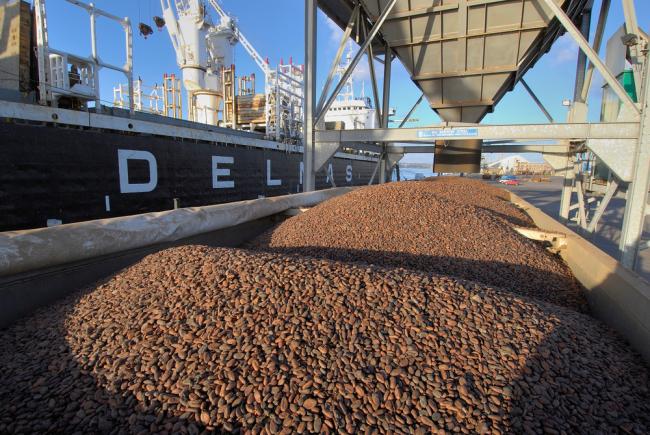
A Strategy for Solving Europe’s Imported Deforestation Problem
The European Union (EU) is the world’s main trader in agricultural products, with imports totaling €142 billion in 2020. These imported agricultural products include commodities – palm oil, beef, cocoa, coffee, soy, etc. – that are responsible for deforestation in producing countries and thus create an “imported deforestation” problem for Europe.
Taking the Pulse: Should the EU Suspend its Association Agreement With Israel?
Israeli leaders are clearly stating their intention to forcibly displace Gazans out of the Strip, a policy which amounts to ethnic cleansing. To uphold its commitment to human rights, should the EU suspend its association agreement with Israel?
France, Germany play safe during China Premier Li's European trip
HAMBURG, Germany -- Chinese Premier Li Qiang avoided public clashes on a high-profile visit to Germany and France this week, in what analysts see as a sign of the European nations' reluctance to alienate Beijing.

France's Macron is sending China the wrong signals
More realistic posture would strengthen Paris' role in Indo-Pacific region

France’s Macron Renews Call for a Sovereign Europe Less Reliant on Foreign Powers
French president’s remarks follow criticism over his warning that Europe should steer clear of U.S.-China tensions over Taiwan


In the middle of the race, the Franco-German motor seems to be breaking down
Faced with the risk of losing investments in the technologies of the future, due to subsidies that its global competitors are pumping into their economies, the European Union is forced to rethink its industrial policy.
The United States and Europe risk entering into a subsidy war, each trying to support the competitiveness of their economies… their market economies… with public money. Meanwhile, member states expect from Brussels solutions that will allow them to remain relevant in a world where interventionism is the order of the day.

Europe is ‘counting on China’ to end Russia’s war in Ukraine, leaders tell Xi Jinping in Beijing
European Commission chief Ursula von der Leyen and French President Emmanuel Macron deliver united message to Chinese president during visit ; but as French leader signed over 20 business deals on China trip, EU chief took sterner line with Xi on economic grievances, human rights and Taiwan

The E.U. Offered to Embrace Ukraine, but Now What?
The European Union and NATO have promised a path to membership for the embattled country. But real partnership will hold risks and benefits for both sides.

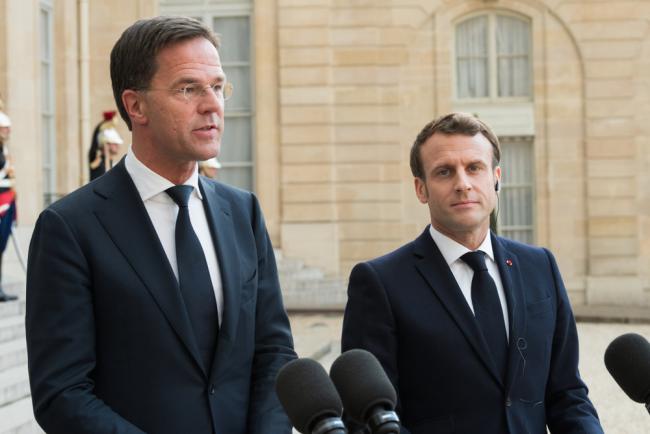
Macron and Rutte grow closer to each other through geopolitical shifts and a personal click
French President Emmanuel Macron will visit Prime Minister Mark Rutte in The Hague on Monday evening. He mainly hopes for Rutte's support for a European rebuttal to Biden's protectionist green industrial policy.
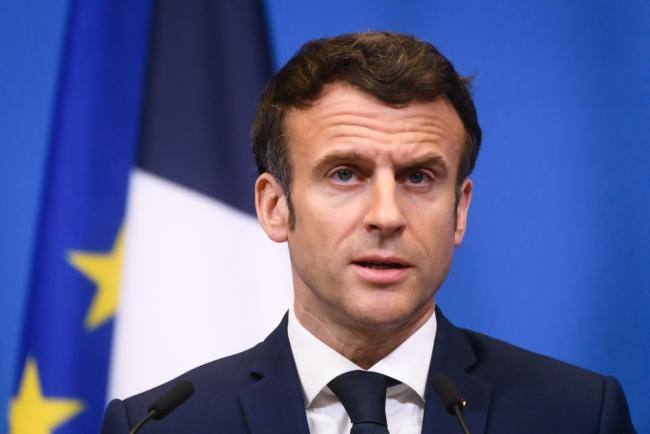
Is Macron’s ‘European Political Community’ a realistic prospect?
France’s presidency of the EU ends on June 30 with Emmanuel Macron’s new big idea, a “European Political Community”, hanging in the balance. This community would encompass EU membership candidates like Ukraine and possibly ex-member Britain. For some observers, the French president’s idea offers a way to bring countries into the European project while the long accession process takes its course. Others argue that Macron’s plan offers few clear objectives.
Will the European presidency help Macron secure a second term?
The French president, whose leadership will be challenged in April, may seek reforms as he guides the EU. With months to go until its presidential election, France took on the rotating presidency of the European Council on January 1.

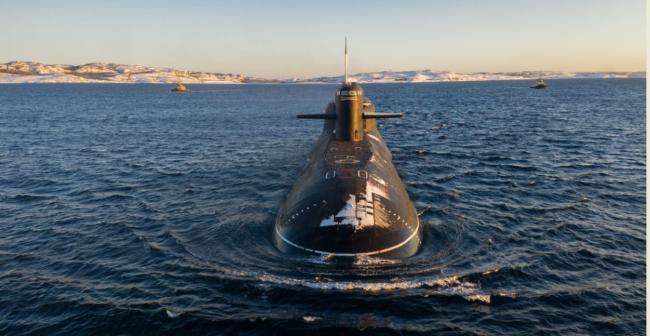
China Bristles as EU Turns Its Attention Toward Indo-Pacific
Recent months have seen the United States and its allies step up their assertiveness toward China, with support voiced for Taiwan, a new deal to provide Australia with nuclear submarines and a new European strategy for increased presence in the Indo-Pacific, according to the Associated Press.

Russia’s spat with EU puts relations into deep-freeze
Kremlin stance is blow to European countries which favour outreach to Moscow. Russia’s combative treatment of the EU’s top diplomat during a landmark trip there has triggered a political outcry — but little expectation that the European bloc will end divisions over how to handle the Kremlin.

Cyprus, to be remade, must resolve some issues
Cyprus is set to be ‘remade’ in the coming years through €1 billion in grants from the European Recovery Plan, as we’ve reported here, but there are a few issues to be resolved along the way, according to EU policy experts and economists.
[...]

What's next for Europe after Brexit?
Vivien Pertusot was interviewed after the vote in United Kingdom in June on what the consequences of Brexit are for the future of the European Union.
A week that will define Europe
In a few days’ time, the populist conservative Boris Johnson may well be on his way to becoming British prime minister. And the radical left Podemos movement could be close to the reins of power in Spain. There is the question of what role the current EU institutions — the Commission and the Parliament — might play in a new climate infused with Euro-wariness. “There’s a realization that Europe has changed much faster than its conservative, slow-moving institutional bodies,” said Vivien Pertusot.
Read the article.

An Architect of the Latest Greek Bailout Navigates Germany’s Dual Roles
When the German Parliament set aside its objections and voted on Wednesday to approve a bailout for Greece, the chief proponent was both an architect of the deal and one of those raising fundamental questions about it: Germany’s finance minister, Wolfgang Schäuble.
Replay - France-Ukraine Forum 2025
Replay of the France-Ukraine Forum 2025. - Three years after the start of Russia's full-scale war against Ukraine, the France-Ukraine 2025 Forum will welcome politicians, experts, academics, and civil society representatives from both countries to discuss three main topics: Ukraine's current military strategy and strategic perspectives; the country's resilience and recovery; Ukraine's European and transatlantic perspectives, including the EU accession process and its aspirations to join NATO.
Replay - Europe in turbulence: navigating a new world order without the United States?
A webinar organized by the Austro-French Centre for Rapprochement in Europe (ÖFZ) and the French Institute of International Relations (Ifri), on June 25, 2025. The foundations of the post-1945 international order, long anchored by U.S. leadership, are shifting. Amid intensifying geopolitical rivalry, democratic backsliding, and strategic fatigue in Washington, the question arises: what if the United States no longer plays its pivotal role in international security? Simultaneously, the Global South is asserting new political and economic agency, complicating the old binaries of West vs. Rest. For Europe, this landscape is both a challenge and an inflection point.
Trade, Investments, Technology, Climate Change, Human Rights: How should the EU Deal with China?
Ifri, the Austro-French Centre for Rapprochement in Europe and Konrad Adenauer Foundation Multilateral Dialogue organized a videoconference called "Trade, Investments, Technology, Climate Change, Human Rights: How should the EU Deal with China? " on October 27, 2020.

EU border crisis : an interview with Matthieu Tardis
Matthieu Tardis, Research Fellow at the Center for Migration and Citizenship spoke about the European Union's migration policy and the crisis at the Turkish-Greek border on Euronews's program, Now.
Building Bridges Conversation Series - Ireland & the Netherlands
This new episode of the Building Bridges Conversation Series is part of the "Building Bridges" project, which aims to foster debate on the future of the European Union and offer top quality analyses on how each member state perceives the EU. In this video, Vivien Pertusot, coordinator of the project, discusses with Marie Cross from the Institute of International and European Affairs (Ireland) and Adriaan Schout from Clingendael (the Netherlands).
Building Bridges Conversation Series - Luxembourg & Spain
This new episode of the Building Bridges Conversation Series is part of the "Building Bridges" project, which aims to foster debate on the future of the European Union and offer top quality analyses on how each member state perceives the EU. In this video, Vivien Pertusot, coordinator of the project, discusses with Guido Lessing from the Centre d’études et de recherches européennes (Luxembourg) and Charles Powell from Real Instituto Elcano (Spain).
Building Bridges Conversation Series - Slovakia & Poland
This first episode of the Building Bridges Conversation Series is part of the "Building Bridges" project, which aims to foster debate on the future of the European Union and offer top quality analyses on how each member state perceives the EU. In this video, Vivien Pertusot, coordinator of the project discusses with Ana Benje from Comenius University (Slovakia) and Nathan Dufour from PISM (Poland).
Ifri, a foundation recognized as being of public utility, relies largely on private donors – companies and individuals – to guarantee its sustainability and intellectual independence. Through their funding, donors help maintain the Institute's position among the world's leading think tanks. By benefiting from an internationally recognized network and expertise, donors refine their understanding of geopolitical risk and its consequences on global politics and the economy. In 2026, Ifri partners with over 90 French and international companies and organizations.