



Foreign Climate Policy – Fostering Energy Transition and Combatting Climate Change Worldwide
Practical information
Themes and regions
Related centers and programs
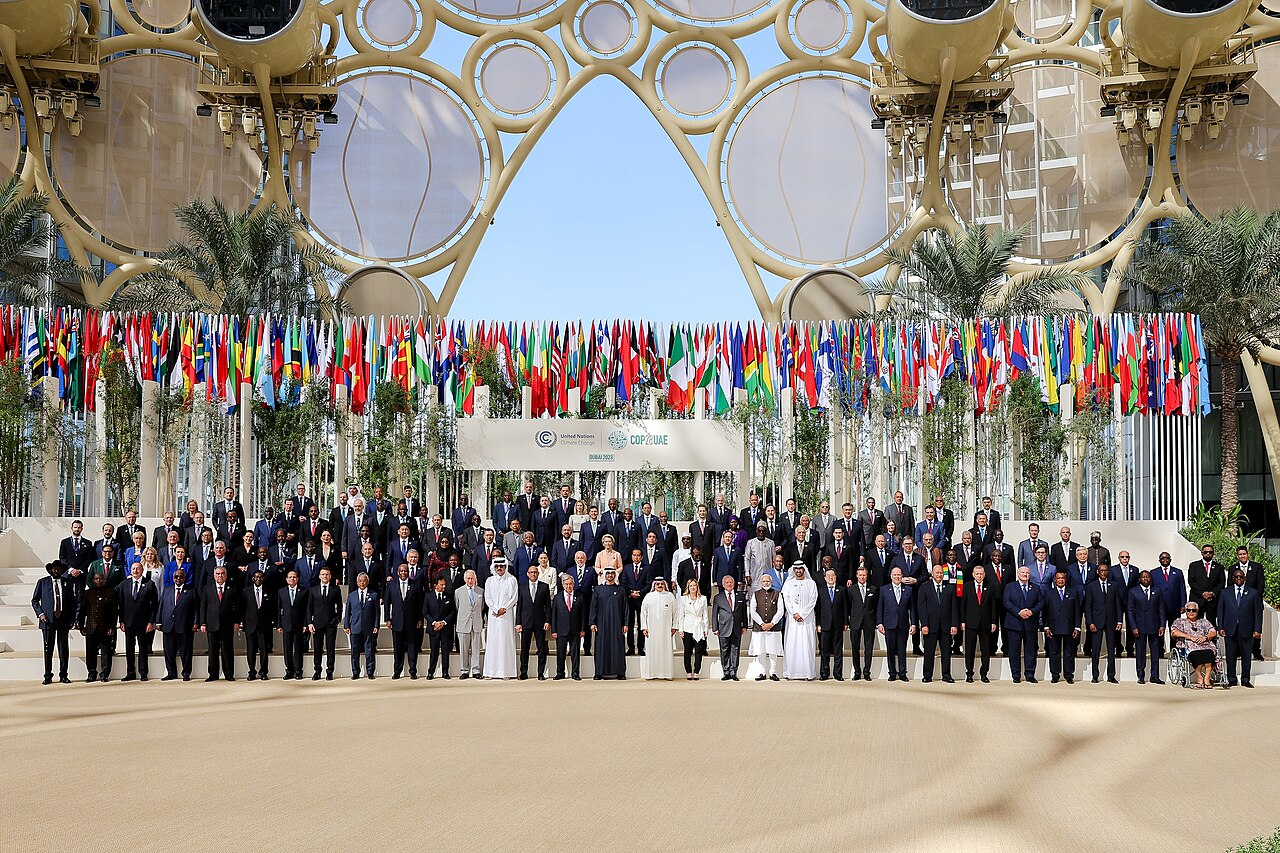
On December 6, 2023 during the COP28, Germany presented its new Strategy on Climate Foreign Policy. The strategy seeks to build strong partnerships with countries worldwide in the fight against climate change, maintaining biodiversity and securing renewable energy sources.
This strategy is a first in its kind and should be part of the external dimension of the EU’s Green Deal. While taking part in multiple international fora for climate cooperation, Germany also pursues its own interests by linking its foreign policy to climate and energy issues, which have been increasingly critical due to the war in Ukraine.
In this context, and with the upcoming European elections taking place at a time of growing uncertainty for the climate cause, what is the potential of Climate Foreign Policy for Germany, France, and the EU? How can emerging, developing and industrialized countries mutually benefit from climate and energy partnerships, and what are the challenges to make these partnerships work?
This event will present the main insights on Germany’s current strategy by looking at the development potential for climate cooperation.
Co-organized by the Study Committee on Franco-German Relations (Cerfa) and the Heinrich Böll Foundation Paris
The Webinar is public and will be held in English on the Zoom platform
The Zoom link will be sent the day before the event.
Replay
Speakers

Our team

Jeanette SÜß
Research Fellow, Study Committee on Franco-German Relations (Cerfa), Ifri
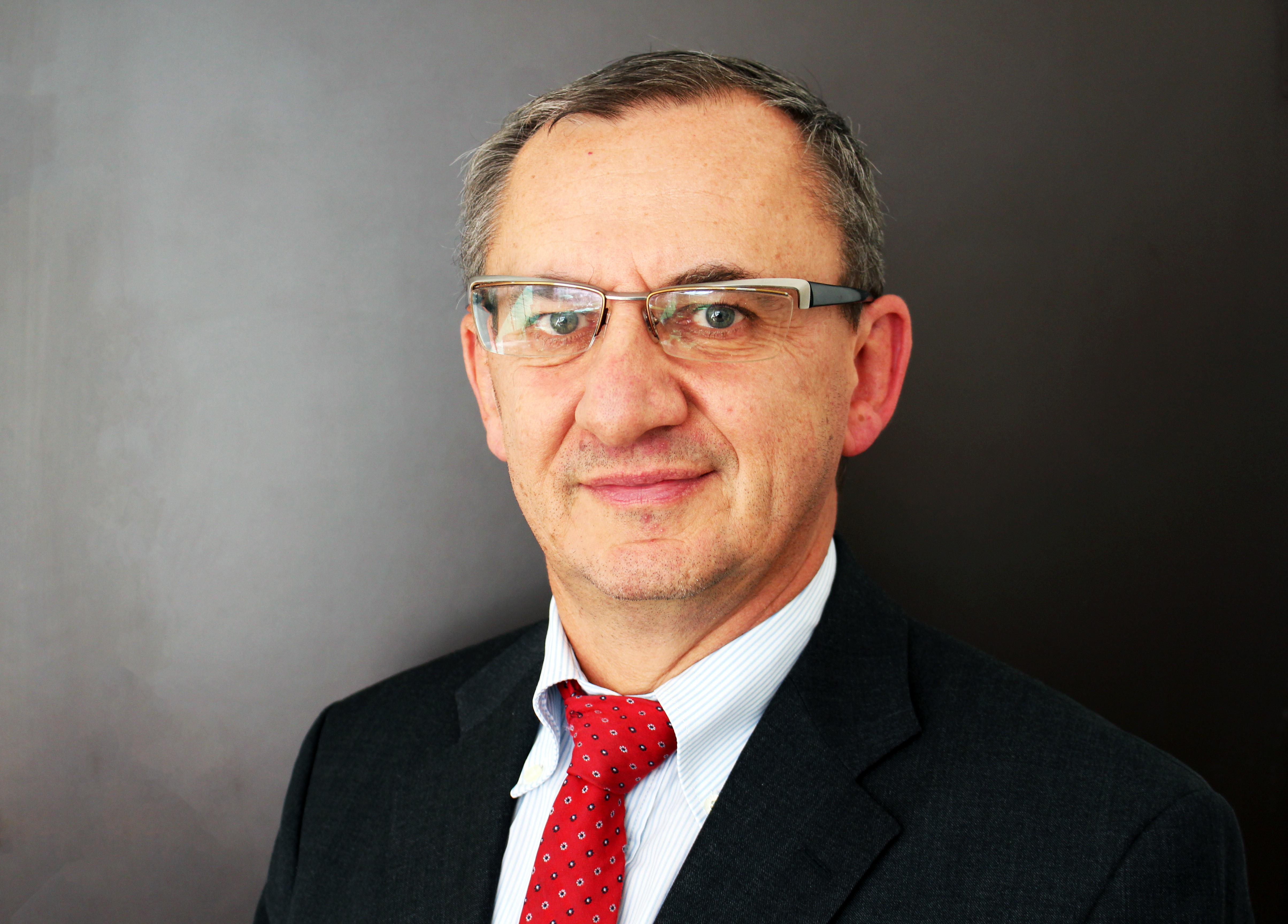
Éric-André MARTIN
Former Secretary General of the Study Committee on Franco-German Relations (Cerfa), Ifri

Find out more
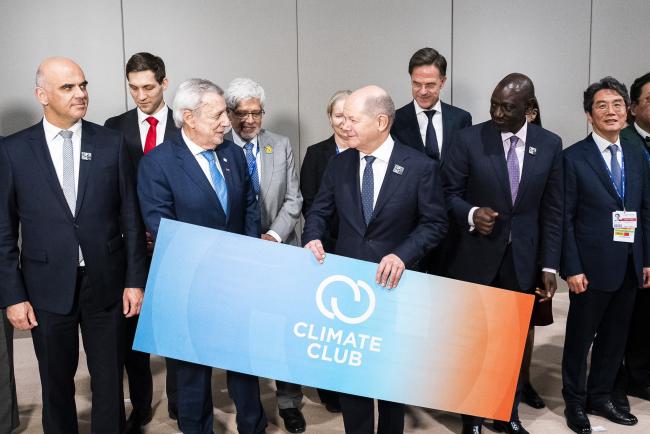
Germany’s Strategy on Climate Foreign Policy: Balancing Sustainable Development and Energy Security
With the war in Ukraine, Germany’s “traffic light” coalition government has had to adapt its climate policy to the upheavals caused by this war, which has turned its economic, energy, and military model upside down. Against a backdrop of high energy costs and increasing calls for reshoring in Europe, German industry is looking at how to maintain its competitiveness while decarbonizing its industry.
Related Subjects
Other events
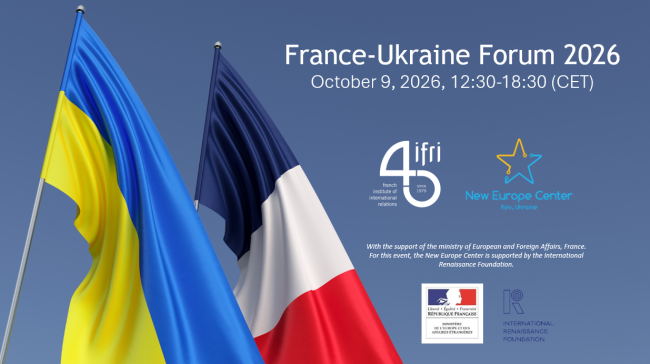
France-Ukraine Forum 2026
More than four and a half years after the start of the full-scale war launched by Russia against Ukraine, the 2026 France-Ukraine Forum will bring together policymakers, experts, academics, and civil society representatives from both countries to discuss three main topics: the formats and conditions for a lasting diplomatic settlement; Ukraine’s Euro-Atlantic integration, encompassing both the EU accession process and closer ties with NATO; and the societal transformations of postwar Ukraine, as well as its prospects for reconstruction.
The EU in a World of Economic Warfare: Trade, Geopolitics, and the Battle for Economic Sovereignty
The international trading system has become a primary theatre of geopolitical competition. Tariffs, sanctions, and technology controls have replaced dialogue as the default instruments of economic relations.
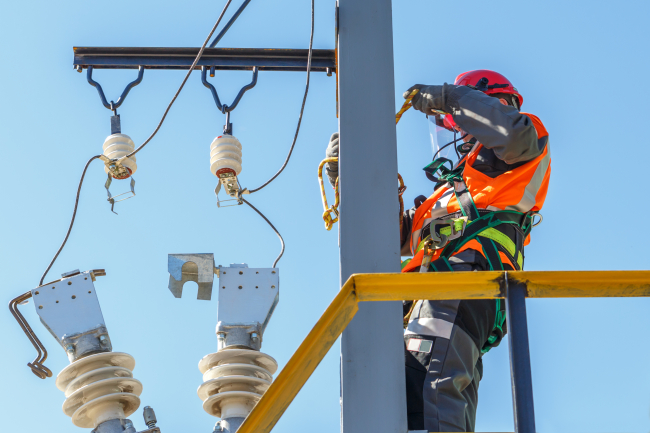
The Road to 27 Electrification Action Plans: Planning and Investing in Europe’s Electric Future
The European Commission’s Electrification Action Plan places the continent on an electric path to structurally reduce dependence on fossil fuel imports and boost the energy transition in industry, transport and buildings.