






Practical information
Themes and regions
Related centers and programs
The Study Committee on Franco-German Relations (Cerfa) and the Russia/NIS Center of the French Institute of International Relations (Ifri) have organized a closed seminar and interviews about the "German, French, Polish and Russian Views on Russia’s Foreign Policy".
Speakers:
Thomas GOMART, Vice-President for Strategic Development, Ifri
Timofei BORDACHEV, Director of the Center for Comprehensive European and International Studies at the Higher School of Economics, Moscow
Andreï KORTUNOV, Director General of the Russian International Affairs Council, Moscow
Ernst-Jörg VON STUDNITZ, Honorary Chairman, German-Russian Forum, Berlin; former German Ambassador to Moscow
Eugeniusz SMOLAR, Foreign policy expert, Warsaw
Katja YAFIMAVA, Senior Research Fellow at the Oxford Institute for Energy Studies, Oxford
09:00 Opening remarks
09:30 – 11:00 Eastern partnership versus Eurasian union: Two rival projects?
11:00-11:15 Coffee break
11:15 – 12:45 Energy: Still the main political issue between EU member states and Russia?
Find out more
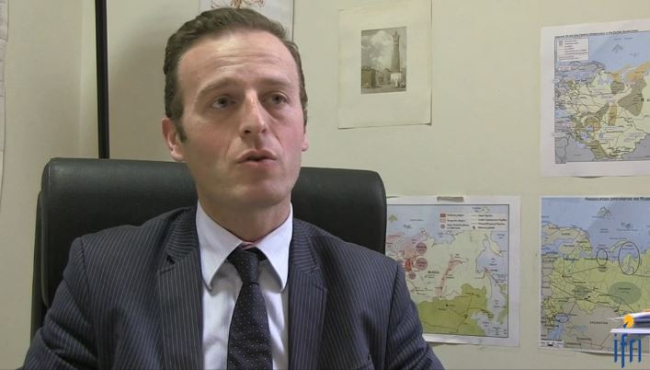
German, French, Polish and Russian Views on Russia’s Foreign Policy
The Franco-German Study Committee (Cerfa) and the Russia/NIS Center of the French Institute of International Relations (Ifri) have organized a closed seminar and interviews about the "German, French, Polish and Russian Views on Russia’s Foreign Policy".
Related Subjects
Other events
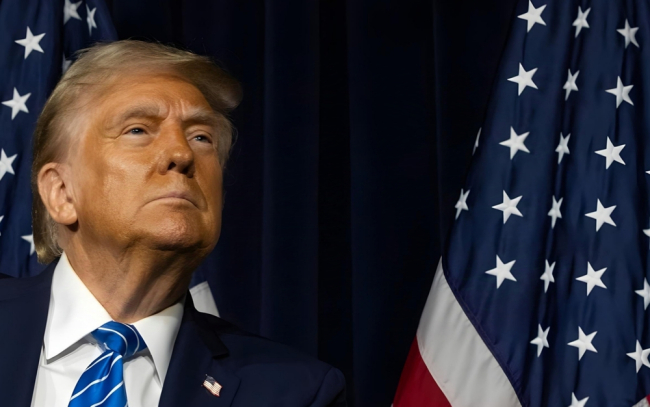
One Month Ahead of the Midterms: Where Is Trump’s America Headed?
The 24th edition of the Ifri Americas Programme Annual Conference will examine the dynamics at play in the United States and their implications for Europe and the transatlantic relationship. will examine the dynamics at play in the United States and their implications for Europe and the transatlantic relationship.
The EU in a World of Economic Warfare: Trade, Geopolitics, and the Battle for Economic Sovereignty
The international trading system has become a primary theatre of geopolitical competition. Tariffs, sanctions, and technology controls have replaced dialogue as the default instruments of economic relations.
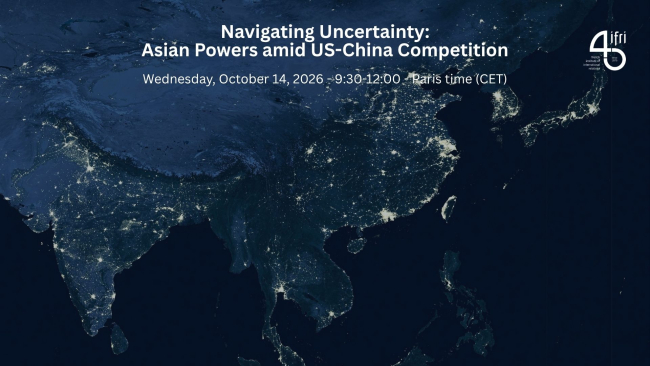
Navigating Uncertainty: Asian Powers amid US-China Competition
As relations between China and the United States oscillate between hardening competition and strategic stability, regional powers in Asia must adapt to greater uncertainty. The increasing weaponization of trade and economic dependencies, the rise of disruptive technologies, and the ever-growing risk of armed conflict are among the destabilizing factors shaping the region’s trajectory.