



France
Although France's demographic and economic weight in the world is tending to decline, it nevertheless retains important attributes of power. Its diplomacy and defense policy bear witness to this.
Related Subjects
Franco-German Relations Through the Lens of Donald Trump’s Second Term: Between Strategic Realignments, European Sovereignty, and the Enduring Transatlantic Bond
Donald Trump’s return to the presidency of the United States in 2025 acts as a powerful catalyst for the Franco-German relationship. Faced with growing uncertainty over the reliability of US security guarantees, Germany, more directly affected by the questioning of the transatlantic relationship, is gradually moving closer to the French position in favor of strengthening European strategic sovereignty.
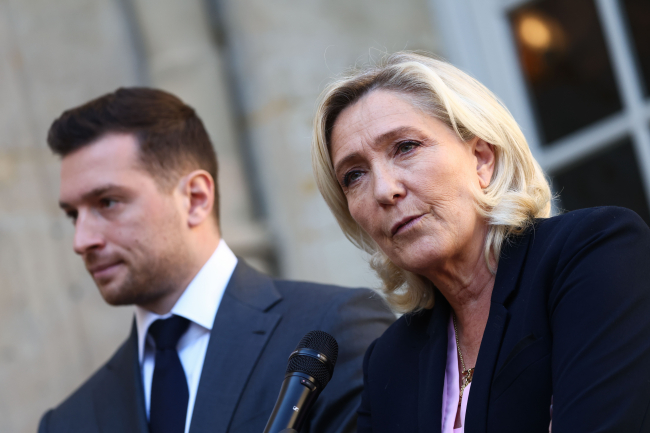
A Sovereignist Foreign Policy? The World as Seen by National Rally Lawmakers
The National Rally’s (Rassemblement national—RN) “de-demonization” strategy appears to be paying off: Marine Le Pen and Jordan Bardella’s party is steadily gaining ground in elections, and polls place it in the lead for the spring 2027 French presidential election. The period of normalization for this far-right movement has coincided with an era of upheaval on the international stage. Within this context, a fundamental question arises: what would the RN’s foreign policy look like if it came to power?

France’s View: From Diplomacy to Public-Private Action
France has emerged as the EU’s IMEC forerunner, combining port infrastructure, diplomatic alliances and public-private cooperation. With Marseille Fos at its core, the country brings a strategic hub for logistics, energy and digital connectivity to the corridor.
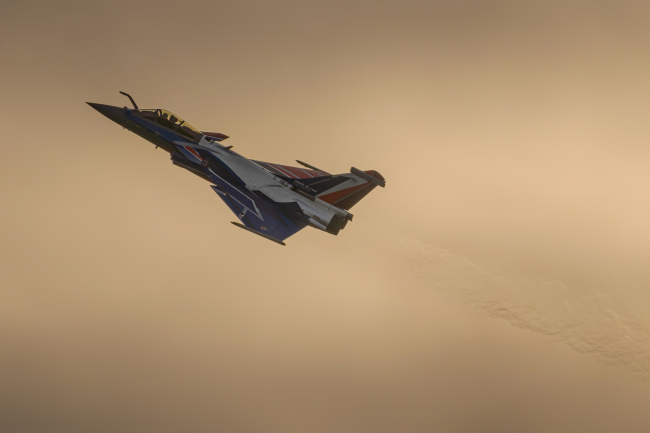
French nuclear deterrence: modernisation, forward presence and support for Poland
France is entering one of the most important phases of modernising its nuclear deterrent since the end of the Cold War. Over the next decade, a significant part of the systems that make up the Force de dissuasion will be replaced, while Paris is simultaneously trying to strengthen the European dimension of its doctrine through the concept of forward deterrence. For Poland, two questions are particularly important: will this initiative survive the presidential transition in 2027, and can Poland’s security become permanently connected to the French understanding of “vital interests”?
Recalibrating Europe’s Security: Building Partnerships in an Era of ‘Wrecking-Ball Politics
The 2026 Munich Security Conference report observes that “the world has entered a period of wrecking-ball politics.” Indeed, the era of Western predominance, dependable alliances and capable multilateral institutions has given way to shifting balances of power and deepening uncertainty.
German far right's breakthrough shakes Europe to its core
The result was not enough to win outright, but certainly enough to shake Germany and Europe to their core: the far-right Alternative für Deutschland (AfD) trounced the ruling conservatives in the impoverished former East German state of Saxony-Anhalt in Sunday's election. We ask about the consequences of voting for an anti-immigrant, pro-Russian party that wants schools to teach less about the ills of Hitler and more about the glory of Bismarck.
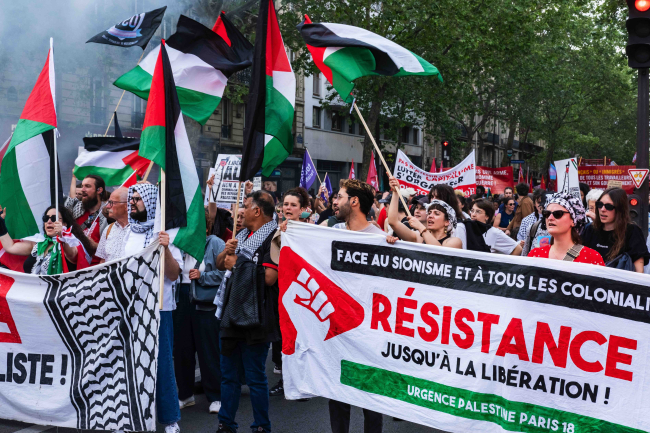

quoted by Assiah Hamed in The New Arab

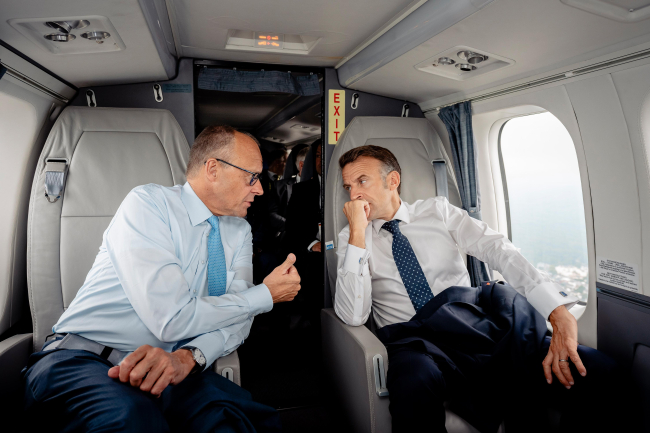
Europe Express: Macron and Merz move on from fighter jet heartbreak
The threat of a Le Pen presidency has provided an incentive for Paris and Berlin to come together.
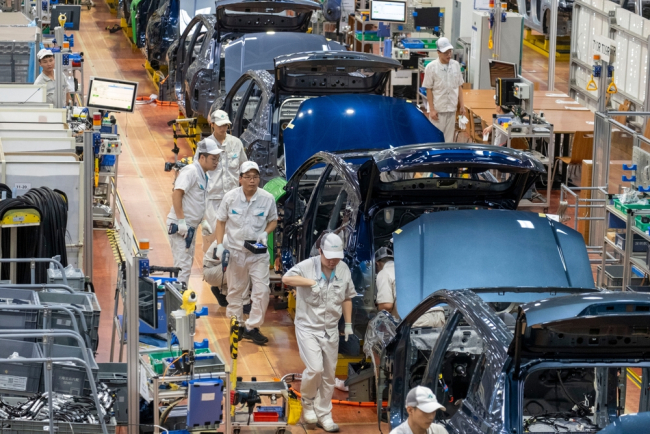
Rethinking Global Imbalances
Today’s global imbalances, starting with China's massive trade surplus, are not simply the result of poor macroeconomic coordination. Rather, they reflect long-term strategic thinking and a departure from the bias toward openness on which the postwar trade order was built.
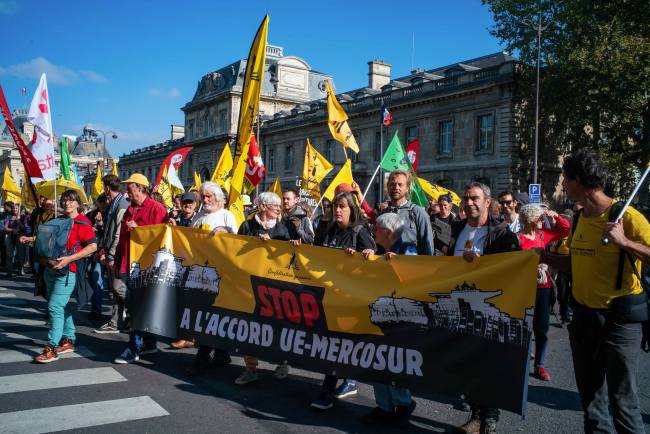
The Nuanced Relationship Between Public Opinion and Foreign Policy
Public sentiment is something decision-makers must contend with, especially in democratic states. However, the extent to which public opinion shapes foreign policy varies. Three Council of Councils experts in France, India, and Nigeria reflect on how public opinion does—and sometimes does not—affect foreign policy decisions.

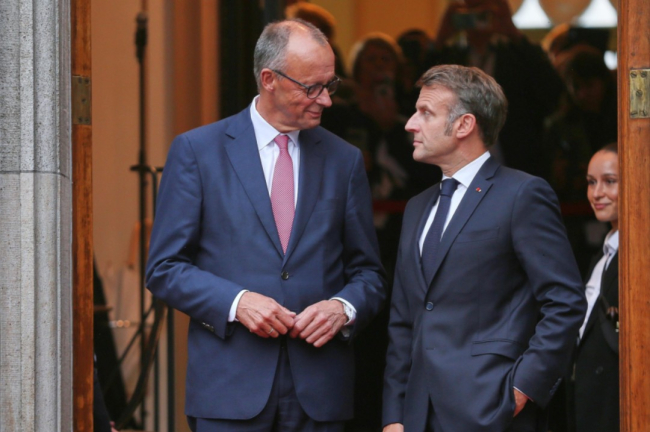
France and Germany seek to showcase military cooperation after FCAS collapse
President Emmanuel Macron and Chancellor Friedrich Merz were to hold a joint defense council and the traditional French-German Council of Ministers on Friday in North Rhine-Westphalia.
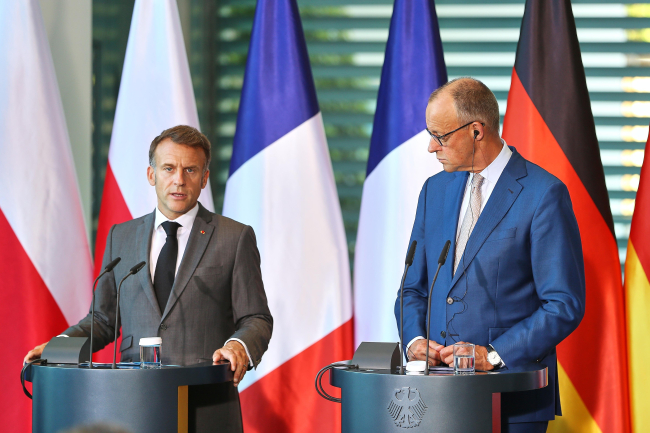
France-Germany: Overcoming Differences to Strengthen European Sovereignty
The Franco-German “reset” launched with Friedrich Merz’s appointment as Chancellor in May 2025 and given concrete form at the Franco-German Council of Ministers (FGCM) in Toulon in August 2025 was intended to address the structural challenges affecting the bilateral relationship. Yet it is clear that these ambitions have only been partially translated into concrete action. Since the beginning of 2026, Franco-German relations have entered a phase in which short-term challenges have combined with deeper divergences over priorities, policy approaches, and strategic culture.
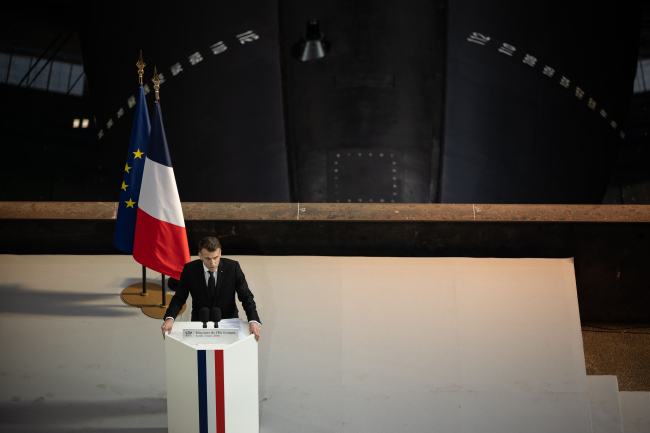
How does France’s nuclear deterrent contribute to the defense of Europe?
France’s nuclear deterrent, serving first and foremost to defend France’s vital interests, also contributes to the defense of Europe. This contribution has been recognized within the North Atlantic Alliance since 1974, but remains little known. In a speech closely followed by France’s European partners and its adversaries alike, President Emmanuel Macron announced a new concept for French nuclear deterrence: “forward deterrence” (dissuasion avancée). This article aims to explain the origins of this concept, outline its main pillars, and describe the partnerships that are sought. It then discusses the relationship with the U.S. doctrine of “extended deterrence”, and finally offers some ethical considerations.

Democratic Anchor, Pragmatic Reach
Despite facing their own democratic challenges, including political fragmentation, rising populism, and electoral uncertainty, European countries retain valuable experience in democratic resilience.
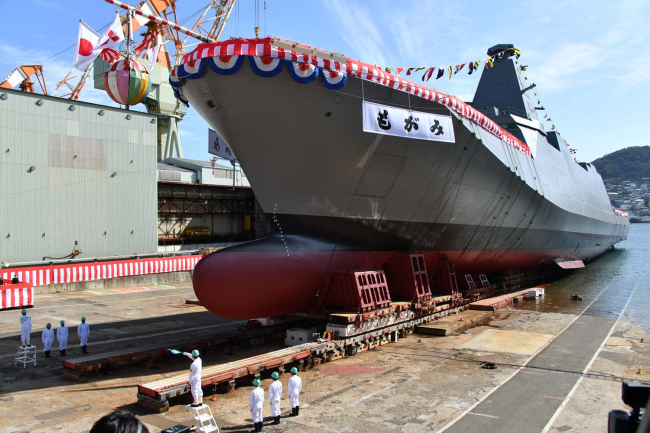
Japan’s Defense Industry Goes Global: Ambitions and Challenges
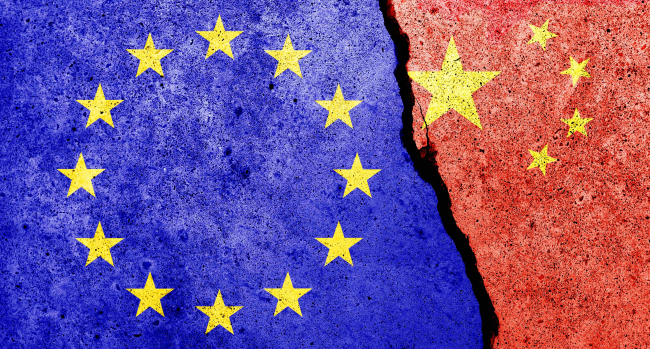
Fragmented Europe: Dealing with China as a technology and innovation power
How is Europe navigating China’s ascension as a technological power? The latest report by the European Think-tank Network on China (ETNC) provides a nuanced account of a converging, yet still fragmented approach across 22 countries.
France and EU Enlargement: From Strategic Hesitation to a Geopolitical Shift
Paris has come a long way in its approach to enlarging the European Union. However, French support remains fragile, due in part to a lack of public support.
Framework Nation: A European Challenge and French Ambition
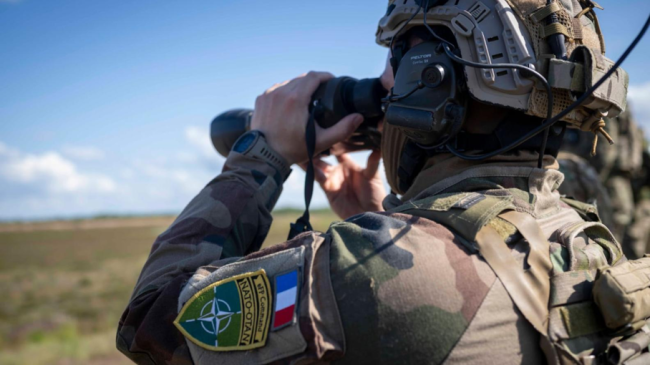
First appearing in the early 2000s, the framework nation concept follows several distinct rationales, whether it refers to a country assuming the leadership of a military operation, directing a multinational capability project, or commanding a permanent force structure. In every case, the country that takes on this role fully intends to derive from it additional politico-military influence.
FCAS project failure: 'France, Germany characterised by totally different strategic cultures'
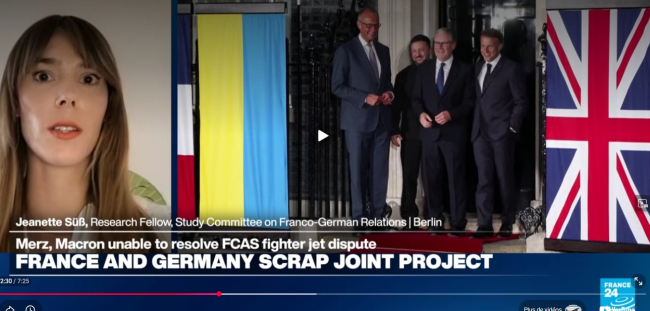
France and Germany said on Monday they had agreed to abandon a joint fighter jet programme due to disagreements between the companies involved, in a blow to European efforts to boost defence cooperation.

France opens Space Command to Japanese officer as ties deepen under new road map — "A key aim [of France-Japan defense cooperation] is to reduce critical vulnerabilities as well as to strengthen sovereign capabilities and reduce reliance on U.S.-provided data. New opportunities are emerging in advanced technologies, including AI-enabled systems, autonomous platforms and space applications."

quoted by Gabriel Dominguez in the Japan Times
Franco-German Relations Through the Lens of Donald Trump’s Second Term: Between Strategic Realignments, European Sovereignty, and the Enduring Transatlantic Bond
Donald Trump’s return to the presidency of the United States in 2025 acts as a powerful catalyst for the Franco-German relationship. Faced with growing uncertainty over the reliability of US security guarantees, Germany, more directly affected by the questioning of the transatlantic relationship, is gradually moving closer to the French position in favor of strengthening European strategic sovereignty.
A Sovereignist Foreign Policy? The World as Seen by National Rally Lawmakers
The National Rally’s (Rassemblement national—RN) “de-demonization” strategy appears to be paying off: Marine Le Pen and Jordan Bardella’s party is steadily gaining ground in elections, and polls place it in the lead for the spring 2027 French presidential election. The period of normalization for this far-right movement has coincided with an era of upheaval on the international stage. Within this context, a fundamental question arises: what would the RN’s foreign policy look like if it came to power?
France’s View: From Diplomacy to Public-Private Action
France has emerged as the EU’s IMEC forerunner, combining port infrastructure, diplomatic alliances and public-private cooperation. With Marseille Fos at its core, the country brings a strategic hub for logistics, energy and digital connectivity to the corridor.
Recalibrating Europe’s Security: Building Partnerships in an Era of ‘Wrecking-Ball Politics
The 2026 Munich Security Conference report observes that “the world has entered a period of wrecking-ball politics.” Indeed, the era of Western predominance, dependable alliances and capable multilateral institutions has given way to shifting balances of power and deepening uncertainty.
The Nuanced Relationship Between Public Opinion and Foreign Policy
Public sentiment is something decision-makers must contend with, especially in democratic states. However, the extent to which public opinion shapes foreign policy varies. Three Council of Councils experts in France, India, and Nigeria reflect on how public opinion does—and sometimes does not—affect foreign policy decisions.
France-Germany: Overcoming Differences to Strengthen European Sovereignty
The Franco-German “reset” launched with Friedrich Merz’s appointment as Chancellor in May 2025 and given concrete form at the Franco-German Council of Ministers (FGCM) in Toulon in August 2025 was intended to address the structural challenges affecting the bilateral relationship. Yet it is clear that these ambitions have only been partially translated into concrete action. Since the beginning of 2026, Franco-German relations have entered a phase in which short-term challenges have combined with deeper divergences over priorities, policy approaches, and strategic culture.
How does France’s nuclear deterrent contribute to the defense of Europe?
France’s nuclear deterrent, serving first and foremost to defend France’s vital interests, also contributes to the defense of Europe. This contribution has been recognized within the North Atlantic Alliance since 1974, but remains little known. In a speech closely followed by France’s European partners and its adversaries alike, President Emmanuel Macron announced a new concept for French nuclear deterrence: “forward deterrence” (dissuasion avancée). This article aims to explain the origins of this concept, outline its main pillars, and describe the partnerships that are sought. It then discusses the relationship with the U.S. doctrine of “extended deterrence”, and finally offers some ethical considerations.
Japan’s Defense Industry Goes Global: Ambitions and Challenges
Fragmented Europe: Dealing with China as a technology and innovation power
How is Europe navigating China’s ascension as a technological power? The latest report by the European Think-tank Network on China (ETNC) provides a nuanced account of a converging, yet still fragmented approach across 22 countries.
The G7 Leaders’ Summit in France: An Unexpected Success
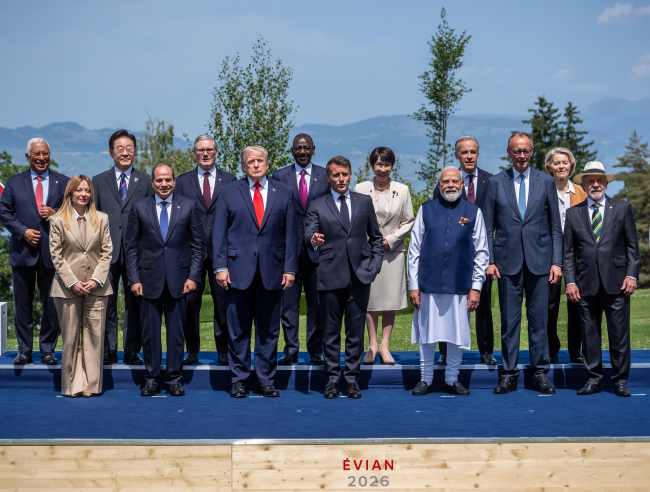
Overall, it was a successful summit for President Macron. However, caution is warranted regarding the 2026 G7’s lasting legacy, as the unpredictability of the U.S. president could affect the durability of commitments made.
France and EU Enlargement: From Strategic Hesitation to a Geopolitical Shift
Paris has come a long way in its approach to enlarging the European Union. However, French support remains fragile, due in part to a lack of public support.
Framework Nation: A European Challenge and French Ambition
First appearing in the early 2000s, the framework nation concept follows several distinct rationales, whether it refers to a country assuming the leadership of a military operation, directing a multinational capability project, or commanding a permanent force structure. In every case, the country that takes on this role fully intends to derive from it additional politico-military influence.
Under construction: Europe’s economic repositioning in a fragmented international order
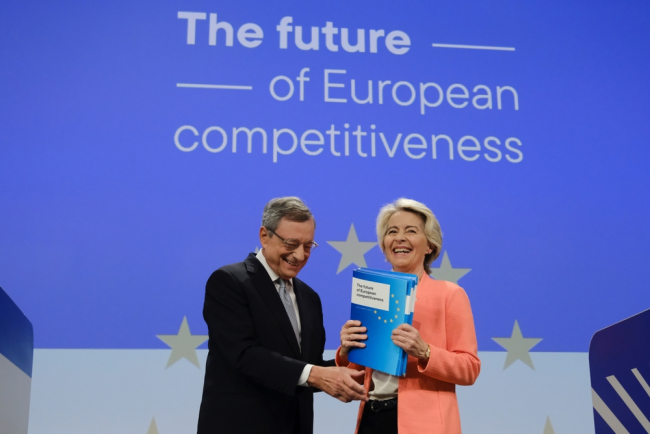
„Under Destruction“– this was this year’s motto at the Munich Security Conference. A motto that applies both to security and economy in an increasingly fragile international system. In 2024, Mario Draghi’s report on the EU’s competitiveness rang the alarm bell: Europe is slipping behind the US and China, European companies struggle with Brussels' bureaucracy, and the internal market is too fragmented. However, two years later only about 15 % of his recommendations were implemented: the wake-up call was not heard.

What Do Companies Fear? The New Geography of Geopolitical Risk
Geopolitical risk has established itself, within the space of a few years, as a central variable in corporate strategy.
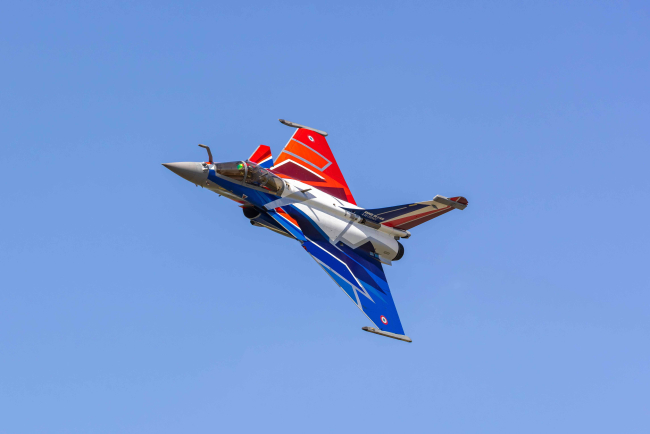
French Forward Deterrence: What Is in It for the Baltic States?
For what may be its most significant stress test since the end of the Cold War, European deterrence is under strain. Russia’s war against Ukraine has demonstrated Moscow’s willingness to use force and its ability to combine conventional operations with nuclear signalling, coercive rhetoric, and hybrid actions. At the same time, the gradual deterioration of transatlantic relations has revived concerns about the reliability of extended deterrence.
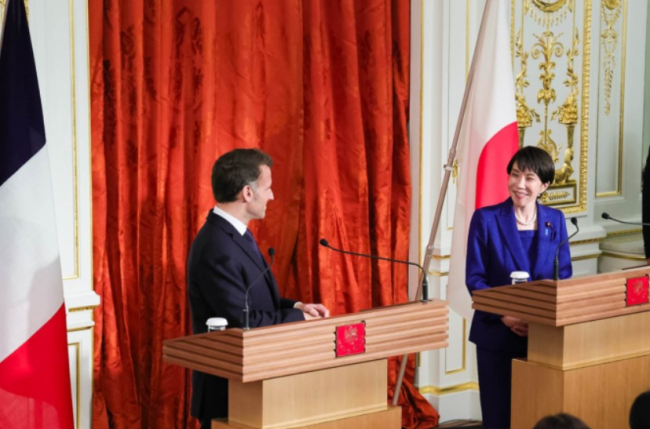
Emmanuel Macron in Japan and South Korea: A Historic Opportunity for Euro-Asian Rapprochement
President Emmanuel Macron is touring Japan and South Korea at a time when the interests of these three countries have never been more aligned, and more broadly between Europe and East Asian democracies.
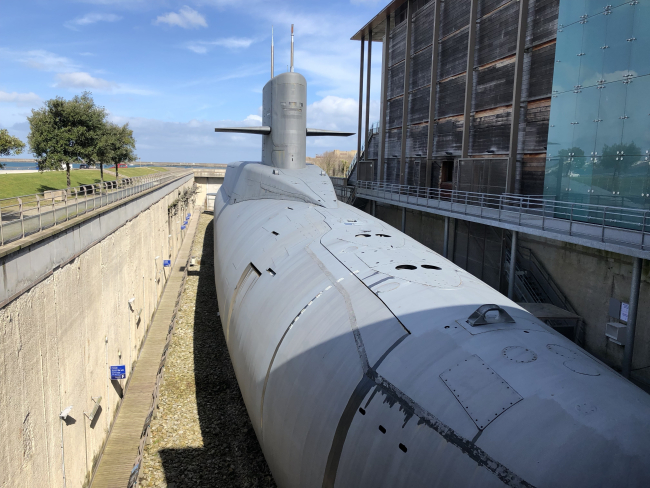
France has a new nuclear doctrine of ‘forward deterrence’ for Europe. What does it mean?
On Monday, French President Emmanuel Macron delivered a speech on France’s nuclear deterrence at the Île Longue naval base near Brest in Brittany, which hosts the country’s nuclear-armed ballistic missile submarines. Such addresses are a well-established presidential ritual, typically delivered once per presidential term and receiving moderate attention. This one, however, was highly anticipated in France and abroad, given the profound geopolitical shifts since Macron’s first nuclear speech in February 2020.
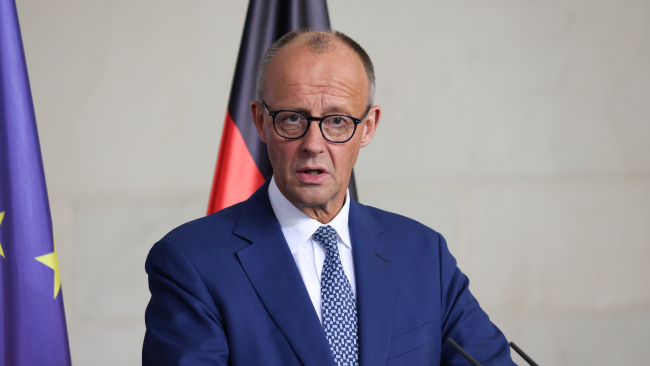
Merz’ European Policy-making: The End of the ‘German Vote’?
Friedrich Merz’s European ambition is to turn Germany, long seen as hesitant into a leading actor within the European Union (EU). To that end, he has pledged to end the “German vote,” a phenomenon that epitomizes the paradox of a country both indispensable and frequently absent from European decision-making.
Europe-Russia: Balance of Power Review
European countries can no longer avoid the "Russian question," as Russia has chosen war. They have the necessary potential—that is, the economic means, military capabilities, and technological expertise—to face Russia by 2030, provided they demonstrate the political will to do so.
Securing critical raw material (CRM) value chains – a prerequisite for Europe’s technological resilience
At the heart of economic security, technological resilience is a backbone of the European Union’s (EU) competitiveness. The EU’s energy and digital transitions depend on critical raw materials (CRM).
French nuclear deterrence: modernisation, forward presence and support for Poland
France is entering one of the most important phases of modernising its nuclear deterrent since the end of the Cold War. Over the next decade, a significant part of the systems that make up the Force de dissuasion will be replaced, while Paris is simultaneously trying to strengthen the European dimension of its doctrine through the concept of forward deterrence. For Poland, two questions are particularly important: will this initiative survive the presidential transition in 2027, and can Poland’s security become permanently connected to the French understanding of “vital interests”?
quoted by Assiah Hamed in The New Arab
Europe Express: Macron and Merz move on from fighter jet heartbreak
The threat of a Le Pen presidency has provided an incentive for Paris and Berlin to come together.
Rethinking Global Imbalances
Today’s global imbalances, starting with China's massive trade surplus, are not simply the result of poor macroeconomic coordination. Rather, they reflect long-term strategic thinking and a departure from the bias toward openness on which the postwar trade order was built.
France and Germany seek to showcase military cooperation after FCAS collapse
President Emmanuel Macron and Chancellor Friedrich Merz were to hold a joint defense council and the traditional French-German Council of Ministers on Friday in North Rhine-Westphalia.
Democratic Anchor, Pragmatic Reach
Despite facing their own democratic challenges, including political fragmentation, rising populism, and electoral uncertainty, European countries retain valuable experience in democratic resilience.
How smaller EU states are reshaping Europe’s power structure
Changing economic and trans-Atlantic conditions have led to power restructuring in the 27-nation European Union, opening doors for more negotiating power for many smaller central and former Eastern European nations such as Hungary.
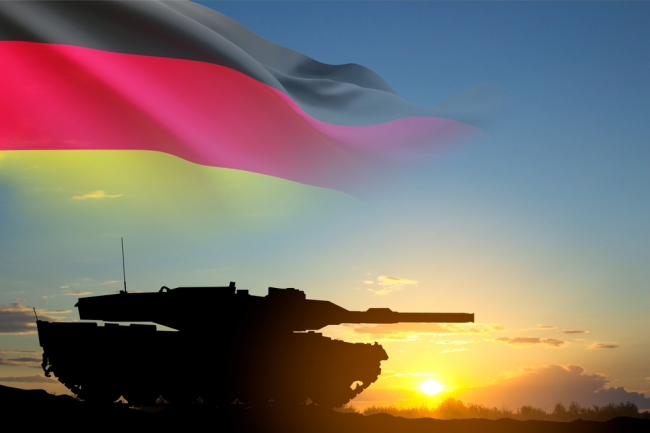
Germany re-arms: what does it mean for Europe?
Paris sees risks for its industry and the continent’s sovereignty in Berlin’s rapid defence build-up. Chancellor Friedrich Merz’s defence spending push has raised concerns about locking in procurement choices and giving German industry an advantage over its neighbours.
Both sides of the Atlantic | Warsaw European Conversation 2026
This episode discusses the future of transatlantic relations and the evolution of security policy on both sides of the Atlantic. It examines France’s strategic stance and the implications of potential leadership change. It also looks at the dynamics of U.S. domestic politics – the role of political parties and civil society in curbing Donald Trump’s power, and the significance of the midterm elections. It considers what these processes mean for Europe, especially in the context of Article 5. Joining Marta Prochwicz-Jazowska, Deputy Head of the ECFR Warsaw office, in the discussion will be Thomas Gomart, director of the French Institute of International Relations, and Amanda Sloat, professor at the School of Politics, Economics, and Global Affairs at IE University.

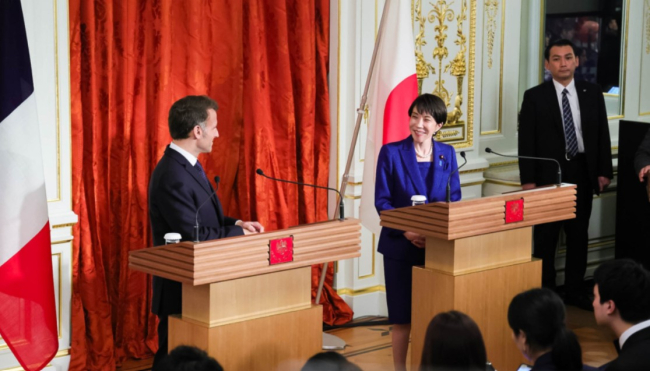
France and Japan hedge against rising threats with strategic autonomy push
As French President Emmanuel Macron arrived in Japan this week for his first visit to the country since 2023, international attention was largely centered on the ongoing Middle East conflict.

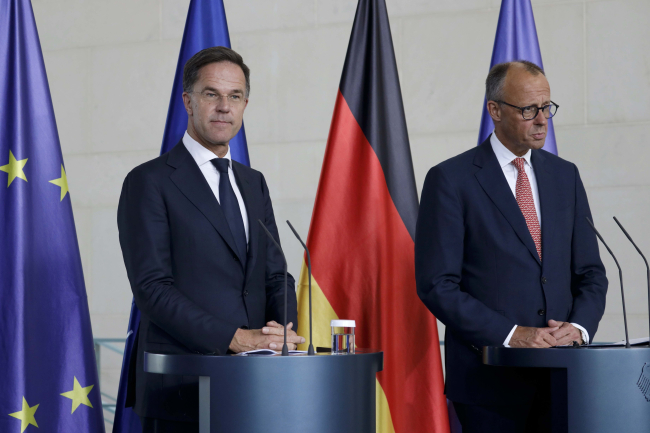
Nuke-talk is heating up among Europeans in Munich
Multiple European countries are publicly backing talks on a homegrown nuclear deterrent to complement American atomic weapons following an erosion of trust in a Donald Trump-led U.S.
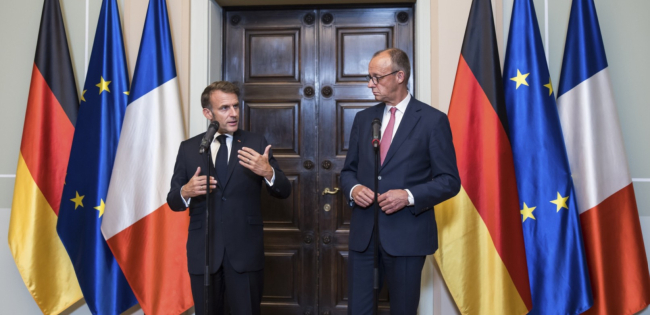
Germany and France now publicly display their disagreements over Macron's proposals
Friedrich Merz's government has criticized the idea of a joint European loan and the push for European preference in goods purchases advocated by Emmanuel Macron. These disagreements come on top of tensions over the Mercosur trade deal and how to use frozen Russian assets.
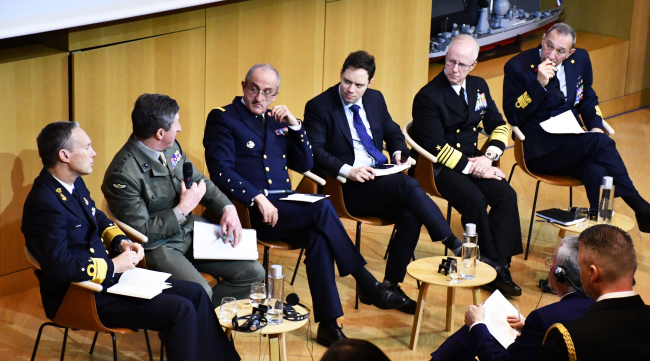
Build and Maintain Air-Sea Superiority in a Contested Operational Environment – CNP 26
An exceptional opening roundtable at the 2026 Paris Naval Conference, bringing together the Chiefs of Naval Staff of the French, U.S., British, Italian and Dutch navies.
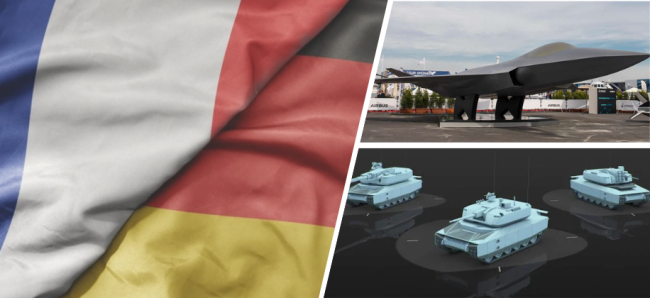
French-German future combat aircraft project on the brink of collapse
Eight years after Emmanuel Macron and Angela Merkel launched the SCAF, this symbol of European sovereignty in defense is on the verge of collapse. At issue are the demands of the project's main contractor, Dassault Aviation, which Berlin considers excessive, as well as political and strategic differences between France and Germany.

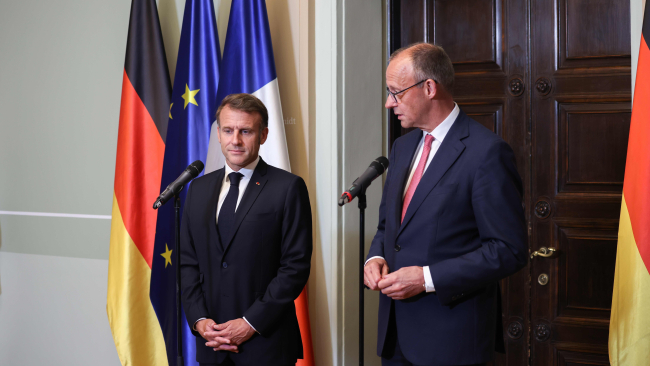
Macron turns to Merz as French parliament nears collapse
The French president must now rely more than ever on Merz to make his voice heard in Europe.
PARIS – Emmanuel Macron will host German Chancellor Friedrich Merz on the Riviera on Thursday evening, hoping support from Berlin can bolster his standing in the EU as the French government edges towards collapse.

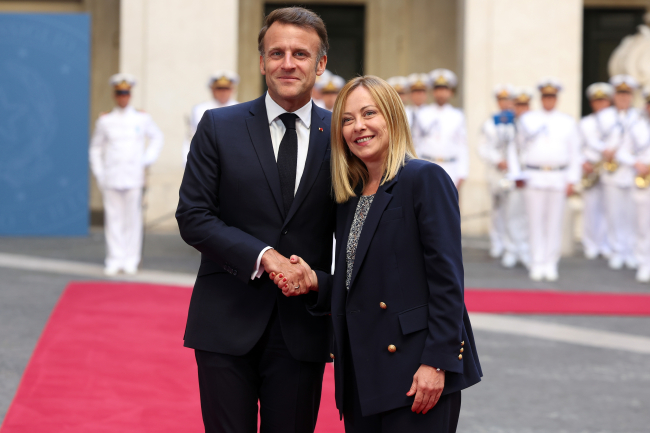
European safety guarantees for Ukraine: The torch burns between Paris and Rome
Last week, France summoned the Italian ambassador in a dispute that reveals the differences between Europeans over the security guarantees they would be prepared to provide to Ukraine in the event of a peace agreement.
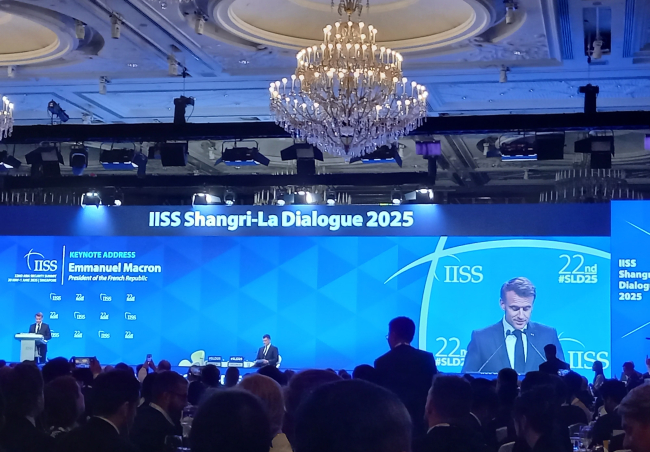
guest author for The Diplomat
Macron and Merz try to revive challenging French-German partnership in Berlin
The French president and the German chancellor met on Wednesday, July 23, to prepare for a joint cabinet meeting scheduled for August 29. From defense projects to trade negotiations, several disagreements remain.

Macron’s Southeast Asia trip: What is behind the French president’s ‘third way’ proposal?
In a recent Southeast Asia tour, Macron pitched ‘strategic autonomy’ as a means for nations to avoid choosing sides in the US-China rivalry, offering France and Europe as alternative partners

Europe is trying to woo Southeast Asia — but it won’t win it over the U.S. or China
European leaders are looking to Southeast Asia with renewed interest amid Washington’s aggressive tariff agenda, but experts warn that the state of regional trade ties makes it challenging to disrupt the U.S. or China’s hold.
German far right's breakthrough shakes Europe to its core
The result was not enough to win outright, but certainly enough to shake Germany and Europe to their core: the far-right Alternative für Deutschland (AfD) trounced the ruling conservatives in the impoverished former East German state of Saxony-Anhalt in Sunday's election. We ask about the consequences of voting for an anti-immigrant, pro-Russian party that wants schools to teach less about the ills of Hitler and more about the glory of Bismarck.
FCAS project failure: 'France, Germany characterised by totally different strategic cultures'
France and Germany said on Monday they had agreed to abandon a joint fighter jet programme due to disagreements between the companies involved, in a blow to European efforts to boost defence cooperation.
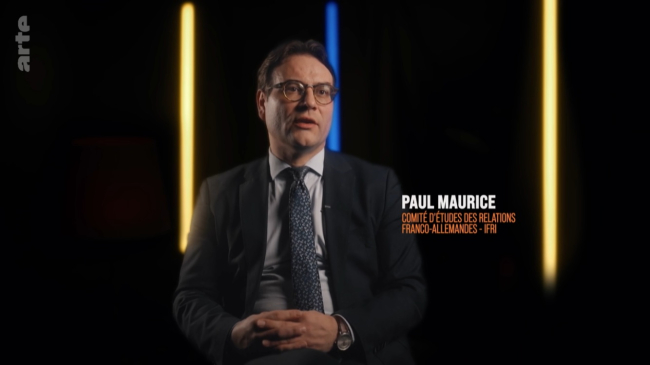
Macron-Merz: Power Behind the Scenes
French German relations have been very close for decades as key partners in driving forward European integration within the EU. Can the current leaders President Emmanuel Macron and Chancellor Friedrich Merz reforge the relationship and build a Europe fit for the challenges of our times and the future? This documentary follows the two men across Europe and the world and observes their common goals as well as their differences.
Both sides of the Atlantic | Warsaw European Conversation 2026
This episode discusses the future of transatlantic relations and the evolution of security policy on both sides of the Atlantic. It examines France’s strategic stance and the implications of potential leadership change. It also looks at the dynamics of U.S. domestic politics – the role of political parties and civil society in curbing Donald Trump’s power, and the significance of the midterm elections. It considers what these processes mean for Europe, especially in the context of Article 5. Joining Marta Prochwicz-Jazowska, Deputy Head of the ECFR Warsaw office, in the discussion will be Thomas Gomart, director of the French Institute of International Relations, and Amanda Sloat, professor at the School of Politics, Economics, and Global Affairs at IE University.
Build and Maintain Air-Sea Superiority in a Contested Operational Environment – CNP 26
An exceptional opening roundtable at the 2026 Paris Naval Conference, bringing together the Chiefs of Naval Staff of the French, U.S., British, Italian and Dutch navies.
France and Germany boost defense ties amid global tensions
French President Emmanuel Macron hosted German Chancellor Friedrich Merz on August 29 for the Franco-German Council of Ministers. They discussed Europe’s economy, support for Ukraine, and defense, with Merz pushing for German leadership on security. But political tensions in France and Germany are straining the partnership amid broader concerns over NATO, nuclear deterrence, and Europe’s reliance on US protection. Marie Krpata, Research Fellow at the Study Committee on Franco-German Relations at IFRI, has more on this issue.

France, Turkey, and Shifting Balance - Léo Péria-Peigné
The interview explores France’s withdrawal from Africa, its strategic pivot to NATO’s eastern flank, and the complex dynamics with Turkey. It also touches on Europe’s military dilemmas, the growing strength of Turkey’s defense industry, and the limits of French influence in the Middle East. A clear-eyed look at where Europe stands—and where it may be heading.
2nd Maritime Security Conference: Threats to Maritime Trade and Maritime Infrastructure
Guillaume Furgolle, military fellow at the Defense Research Unit of the Security Studies Center at Ifri, participated in the 2nd Maritime Security Conference held on April 2, 2025. The topic of the conference was "threats to maritime trade and maritime infrastructure". Guillaume Furgolle spoke about the French vision of maritime security.
Better know a nuke: France
In this episode of The Arms Control Poseur, host Dr Alexander Bollfrass is joined by nuclear policy experts Héloïse Fayet, Emmanuelle Maitre and Dr Liviu Horovitz to discuss the history and the current trajectory of France's nuclear arsenal.
AI showcase pays off for France, but US tech scepticism endures
France is staking its claim as an AI powerhouse. At the AI Action Summit in Paris this week, global leaders, tech innovators, and policymakers converged to chart the future of artificial intelligence - backed by major investments and bold ambitions for Europe’s leadership in the field. RFI breaks down the key takeaways.
Naval Power and Maritime Economy: an interview with Admiral Nicolas Vaujour (Chief of Staff of the French Navy)
On the sidelines of the Paris Naval Conference 2025, on February 4, 2025, organized by Ifri and the French Navy (Marine nationale), Admiral Nicolas Vaujour, Chief of Staff of the French Navy share insights on the crucial role that naval power plays in support of maritime economy.
NATO: 75 Years of Strategic Solidarity (replay)
The war in Ukraine, burden-sharing between Allies, U.S. disengagement from Europe, new areas of conflict... At a time when the Alliance has just celebrated its 75th anniversary and the Stoltenberg era is drawing to a close after ten years at the head of the organization, NATO's agenda bears witness to the diversity of its areas of action, as well as to the different perceptions of the Allies on these issues.
In the wake of the Washington summit, this conference of diplomats, military officers and researchers aims to analyze the short- and medium-term prospects for the Atlantic Alliance.
Ifri, a foundation recognized as being of public utility, relies largely on private donors – companies and individuals – to guarantee its sustainability and intellectual independence. Through their funding, donors help maintain the Institute's position among the world's leading think tanks. By benefiting from an internationally recognized network and expertise, donors refine their understanding of geopolitical risk and its consequences on global politics and the economy. In 2026, Ifri partners with over 90 French and international companies and organizations.
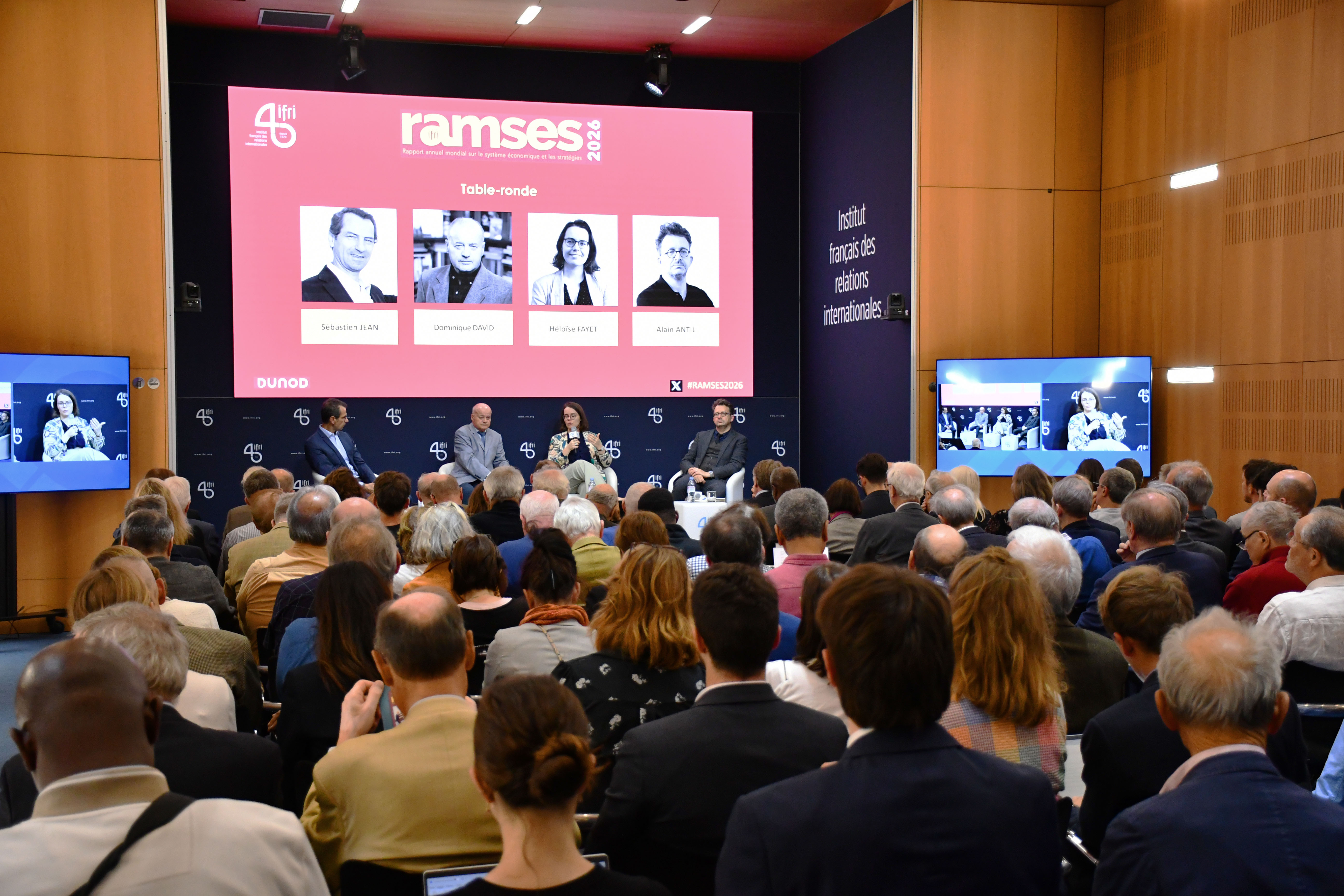

quoted by Assiah Hamed in The New Arab
France opens Space Command to Japanese officer as ties deepen under new road map — "A key aim [of France-Japan defense cooperation] is to reduce critical vulnerabilities as well as to strengthen sovereign capabilities and reduce reliance on U.S.-provided data. New opportunities are emerging in advanced technologies, including AI-enabled systems, autonomous platforms and space applications."
quoted by Gabriel Dominguez in the Japan Times
guest author for The Diplomat
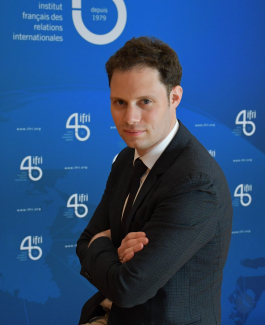
quoted by Leila Abboud in the Financial Times
“There is, however, a real sense of urgency,” around the Franco-German relationship, says Marie Krpata, a researcher at the French Institute of International Relations (IFRI) and member of its Franco-German Relations Committee.
“Emmanuel Macron has only two years left to make progress on European files, while the far right lurks in the wings – in both Paris and Berlin.”

quoted by Laurent Geslin in Euractiv
I see some degree of — I don’t want to say panic — but really alarmed Europeans who realize they need to stick together as much as possible.
If the Europeans want to step up and make up for the loss of American aid to Ukraine, it needs to happen now, they need to put the money on the table; they need to pass on the orders to the defense industry.
Europe is lacking ammunition, we’re lacking replacement parts, we’re lacking readiness.
quoted by Lisa Bryant for Voice of America.
Merz's statement now needs to be followed up in the long term at political level, on both the French and German sides. It's been on the table for five years, and if we don't talk about it now, when Europe is in danger, we'll never talk about it.

cited by Politico.