




Chinese Influences in Africa 2. Myths and Realities in Economic Relations
China and Africa share a strong relationship since the wave of African independences in the 1960s. Nevertheless, China-Africa trade has experienced an unprecedented surge since the late 1990s and has been accompanied by the rise of a discourse of "win-win" partnership between China and Africa.
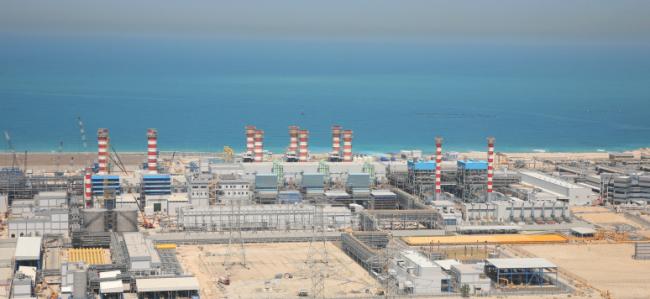
The Geopolitics of Seawater Desalination
Water desalination is gradually emerging as the leading solution to cope with increasing water stress: i.e., the imbalance between water demand and quantities available. The United Nations estimates that by 2025, two-thirds of the world’s population will be affected by such challenges. The causes of water scarcity are multiple, including climate change, intensive agriculture, and population growth. This requires states to rethink their water policies, which are central to preserving their stability, resilience and sovereignty.
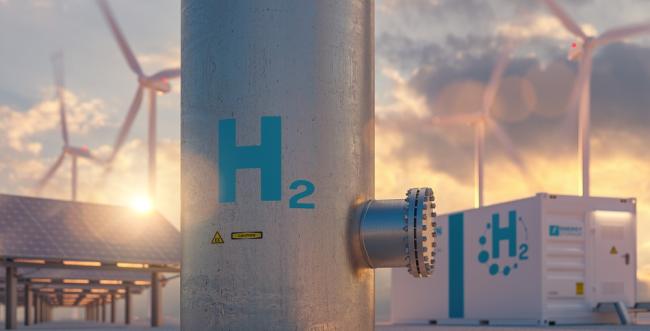
A Guide to Solve EU’s Hydrogen Dilemmas
Facing multiple crises, the European Commission (EC), backed by European Union (EU) Member States, has embarked on a pathway to accelerate the decarbonization of the EU energy system, while fostering its resilience and accelerating the roll out of hydrogen and derivative by-products.
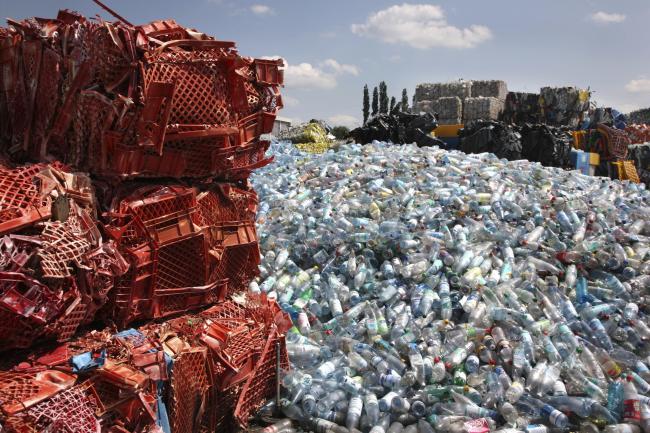
Five Years after China’s Plastic Import Ban: Have Europeans Taken Responsibility?
After the 2017 Chinese waste import ban, the international and European Union (EU) legislative framework on waste exports has been revised.

Moving towards a metallic age: building industry resilience through a strategic storage mechanism for Rare Earth Metals
The decarbonisation of our economies, along with the challenges of strengthening the resilience of industrial value chains, reindustrialisation, notably through low-carbon and digital technologies, and the end of a period of cheap oil and gas, are accelerating the advent of an era of increased dependence on metals in a context of new and growing competition for access to resources.
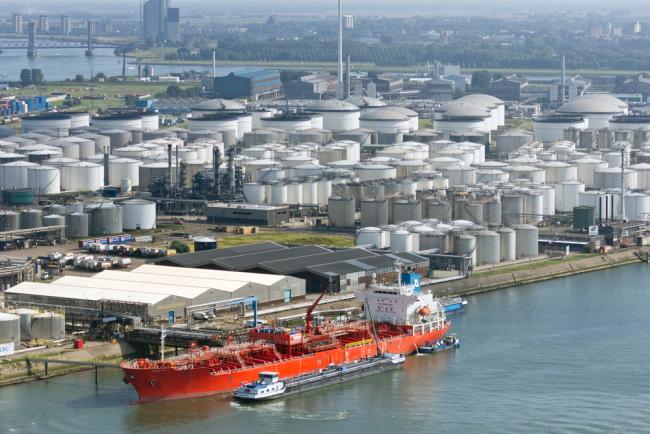
Saving Energy in a Hurry: Reducing Dependence on Russian Hydrocarbons Requires Resolute Demand and Supply Sides Action
Facing Russia’s aggression on Ukraine, European countries have enacted economic and financial sanctions against Russia.

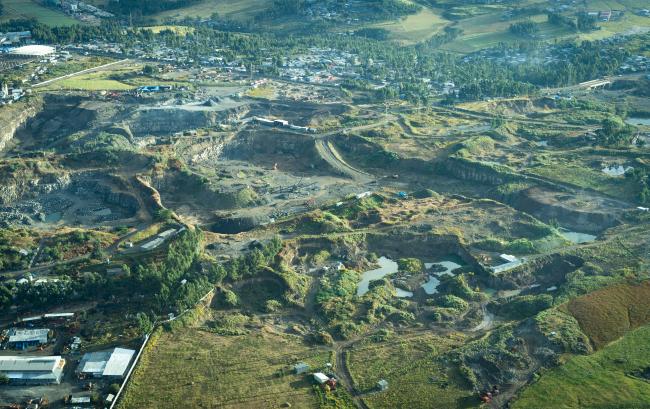
A Sino-Congolese Scandal. Illegal Exploitation of Minerals and Forests by Chinese Companies in South Kivu
Since 2020, the exploitation of gold from mining sites in the Wamuzimu chiefdom in the South Kivu province by Chinese companies has aroused great discontent among the population.
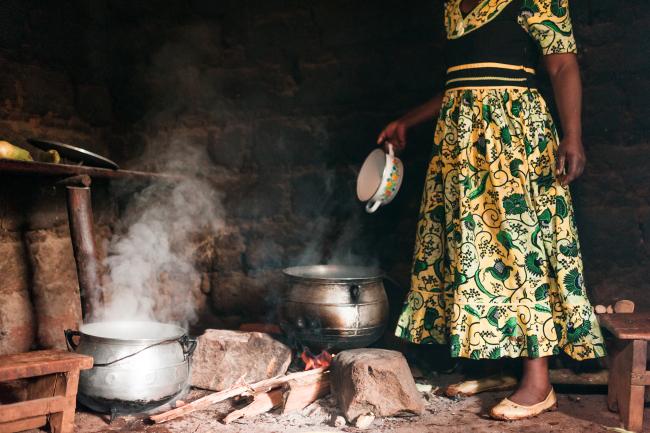
Power to the Cooks! New Clean Cooking Opportunities for Sustainable Development in Sub-Saharan Africa
2.6 billion people globally and 1 billion in Sub-Saharan Africa (SSA) cook using biomass fuel. The detrimental effects on the environment and public health, as well as the time and money lost are considerable. If nothing new is done, this situation will worsen further in SSA.
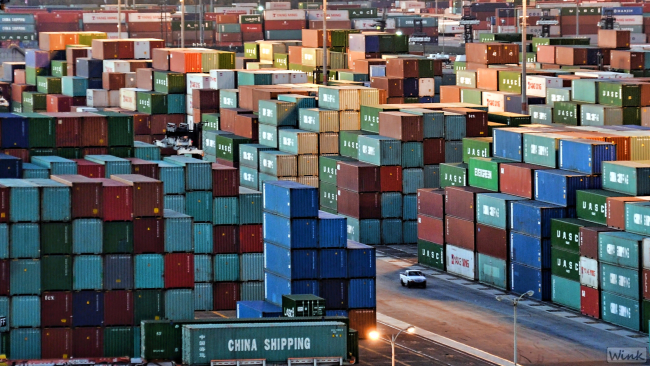
Strengthening Sovereignty in the Era of Global Value Chains
How to reduce the vulnerabilities induced by these global value chains to be more independent, while taking into account the reality of these productive processes which precisely generate interdependencies?
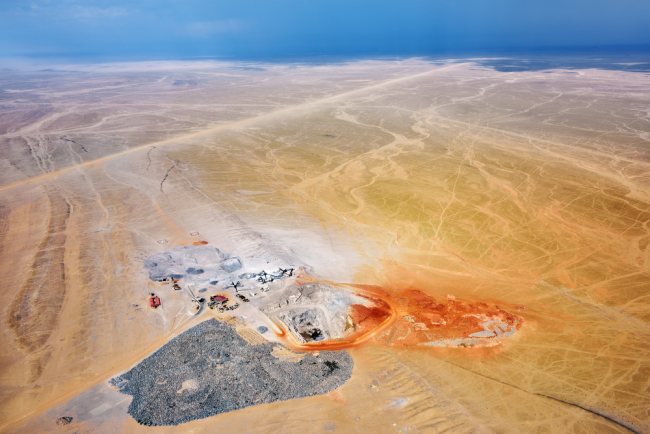
Uranium in Namibia: Yellowcake Fever
Mineral revenues are the driving force behind Namibia’s economic performance. Namibia is rich in mineral resources which include uranium, diamond, copper, gold, lead, lithium and zinc. However, these mineral riches are not always allocated and utilized in a transparent manner and seem to benefit disproportionately a small number of wealthy elites, many of them affiliated with the ruling party SWAPO.
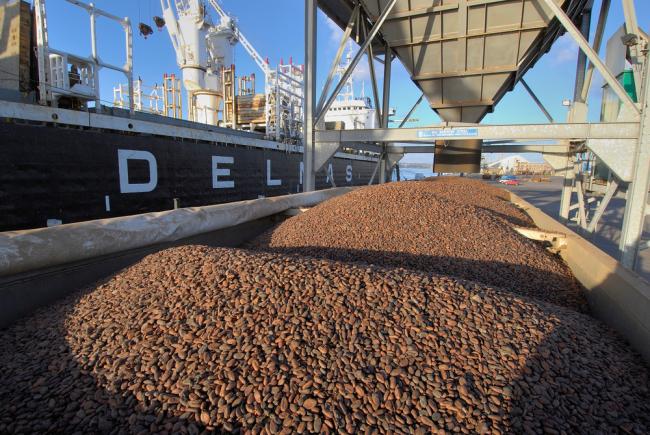
A Strategy for Solving Europe’s Imported Deforestation Problem
The European Union (EU) is the world’s main trader in agricultural products, with imports totaling €142 billion in 2020. These imported agricultural products include commodities – palm oil, beef, cocoa, coffee, soy, etc. – that are responsible for deforestation in producing countries and thus create an “imported deforestation” problem for Europe.

After the Hydrogen Bubble Bursts: The Factors Shaping and Possibly Unfolding International Hydrogen Value Chains
The laws of physics and the geographic realities will prevail over the myths of hydrogen (H2): it will essentially be delivering carbon-neutral feedstocks to the chemical and steelmaking industries, carbon-neutral fuels to shipping and aviation, and eventually ensuring security in fully decarbonized power grids.
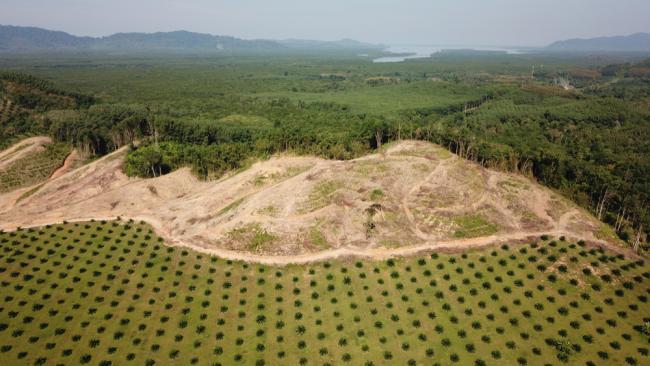
Geopolitics of the World’s Forests: Strategies for Tackling Deforestation
Deforestation continues at a worrying pace worldwide, except in temperate and boreal countries. It is caused by the race for land, underpinned by population growth and rising global demand for “deforestation-prone” products. Moreover, with climate change, mega-fires are now posing unprecedented threats to forests.
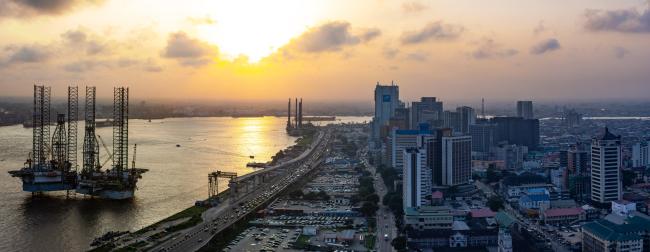
The Economic and Political Consequences of Falling Oil Production in Sub-Saharan Africa by 2030
The sharp rebound in oil prices since the second half of 2020, to nearly $70 per barrel in May 2021, represents only a temporary respite for oil-dependent African economies that must change their economic model very quickly.

The Recycling of Lithium-Ion Batteries: A Strategic Pillar for the European Battery Alliance
Although it is still marginal, the market for electric vehicles (EVs) is growing. According to the French Institute of Petroleum and Renewable Energies (IFPEN, Institut Français du Pétrole et des Énergies Renouvelables), EVs accounted for a little more than 2% of the light vehicle market in 2019. This was up by 54% compared to 2018, but EVs still only represent 0.8% of the global car fleet. That said, the International Energy Agency (IEA) estimates EVs could make up between 15% and 30% of vehicle sales in 2030.
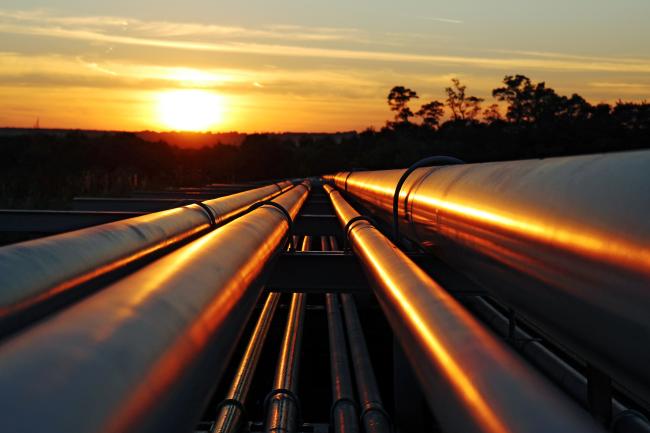
The Development of Hydrocarbons in East Africa: Political and Security Challenges
East Africa has the potential to experience a gas and liquefied natural gas (LNG) export boom in the coming years due to several projects that have been released.

(De)globalization of International Plastic Waste Trade: Stakes at Play and Perspectives
The world plastic production has been multiplied by 23 since 1964 to reach 348 million tonnes (mt) in 2017. This production level is expected to double in the next 20 years, largely because of the significant growth in plastic consumption in developing countries. Today, China is the largest producer of plastics (representing nearly 30% of global production) and the European Union (EU) comes second (18.5%) with 64 mt.
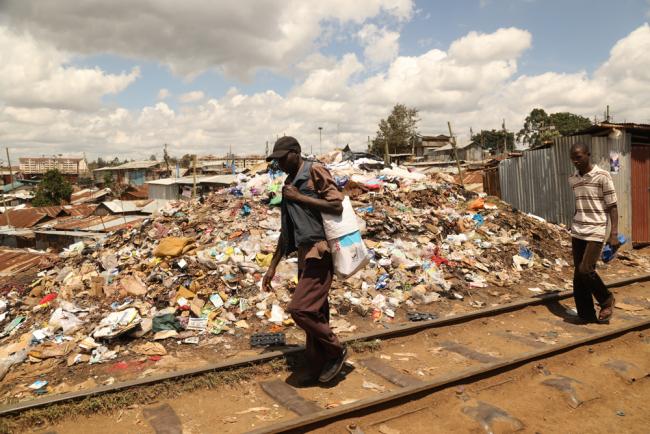
Waste Management and Electricity Generation in Africa: Developing Waste-to-Energy to the Benefit of Sustainable Cities?
With the expansion of modern production and consumption patterns to large African cities, population growth and urbanization, production of municipal waste has risen sharply. Unregulated dumps are becoming numerous and have strong negative health effects by polluting the local environment.
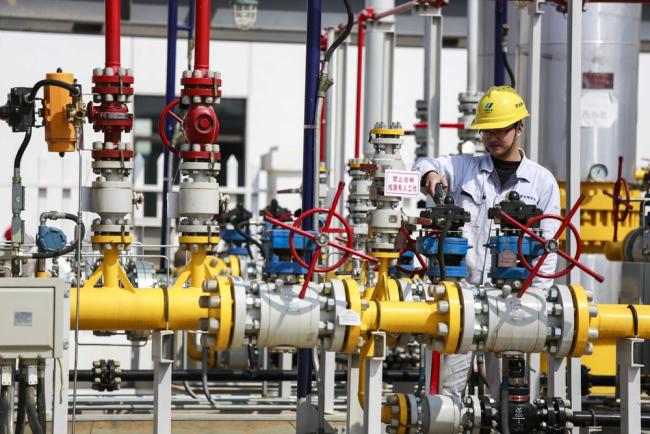
China’s Quest for Blue Skies: The Astonishing Transformation of the Domestic Gas Market
China’s gas industry has been moving into a new era. China’s natural gas demand has skyrocketed amid a state campaign that encourages coal-to-gas switching. In just two years, China added 75 billion cubic meters (bcm) to global gas demand, the equivalent of the UK gas market, the second largest European market. Despite steadily rising, Chinese gas production has not been able to cope with such a huge increase in demand and gas imports have also surged.
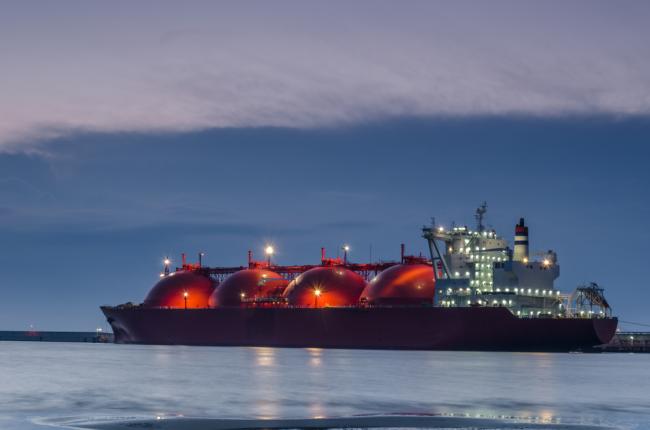
China’s Quest for Gas Supply Security: The Global Implications
The major transformations that are occurring on the Chinese gas market have profound repercussions on the global gas and LNG markets, especially on trade, investment and prices. In just two years, China has become the world’s first gas importer and is on track to become the largest importer of Liquefied natural gas (LNG).
Moving towards a metallic age: building industry resilience through a strategic storage mechanism for Rare Earth Metals
The decarbonisation of our economies, along with the challenges of strengthening the resilience of industrial value chains, reindustrialisation, notably through low-carbon and digital technologies, and the end of a period of cheap oil and gas, are accelerating the advent of an era of increased dependence on metals in a context of new and growing competition for access to resources.
Saving Energy in a Hurry: Reducing Dependence on Russian Hydrocarbons Requires Resolute Demand and Supply Sides Action
Facing Russia’s aggression on Ukraine, European countries have enacted economic and financial sanctions against Russia.
A Strategy for Solving Europe’s Imported Deforestation Problem
The European Union (EU) is the world’s main trader in agricultural products, with imports totaling €142 billion in 2020. These imported agricultural products include commodities – palm oil, beef, cocoa, coffee, soy, etc. – that are responsible for deforestation in producing countries and thus create an “imported deforestation” problem for Europe.
After the Hydrogen Bubble Bursts: The Factors Shaping and Possibly Unfolding International Hydrogen Value Chains
The laws of physics and the geographic realities will prevail over the myths of hydrogen (H2): it will essentially be delivering carbon-neutral feedstocks to the chemical and steelmaking industries, carbon-neutral fuels to shipping and aviation, and eventually ensuring security in fully decarbonized power grids.
Geopolitics of the World’s Forests: Strategies for Tackling Deforestation
Deforestation continues at a worrying pace worldwide, except in temperate and boreal countries. It is caused by the race for land, underpinned by population growth and rising global demand for “deforestation-prone” products. Moreover, with climate change, mega-fires are now posing unprecedented threats to forests.
(De)globalization of International Plastic Waste Trade: Stakes at Play and Perspectives
The world plastic production has been multiplied by 23 since 1964 to reach 348 million tonnes (mt) in 2017. This production level is expected to double in the next 20 years, largely because of the significant growth in plastic consumption in developing countries. Today, China is the largest producer of plastics (representing nearly 30% of global production) and the European Union (EU) comes second (18.5%) with 64 mt.
Ifri, a foundation recognized as being of public utility, relies largely on private donors – companies and individuals – to guarantee its sustainability and intellectual independence. Through their funding, donors help maintain the Institute's position among the world's leading think tanks. By benefiting from an internationally recognized network and expertise, donors refine their understanding of geopolitical risk and its consequences on global politics and the economy. In 2026, Ifri partners with over 90 French and international companies and organizations.
