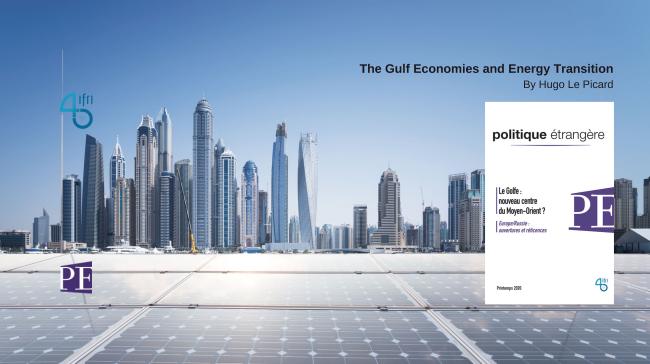
The Gulf Economies and Energy Transition
The economies of the Persian Gulf are highly dependent on their petrol exports, particularly to Asia.


Academic: Higher carbon price needed to ramp up EU biomethane production
The price of CO2 credits on Europe’s emissions trading scheme needs to rise to around €50 per tonne in order to drive the long-term development of Europe’s biomethane industry, says Marc-Antoine Eyl-Mazzega, a French researcher.
The future of biogas in Europe: it’s a local affair
The prospects for biogas in Europe look bright, with conservative estimates pointing to a tenfold increase in production by 2030. However, the industry will need to stay rooted in the local economy and come clean on environmental credentials if it wants to avoid a green backlash, analysts say.
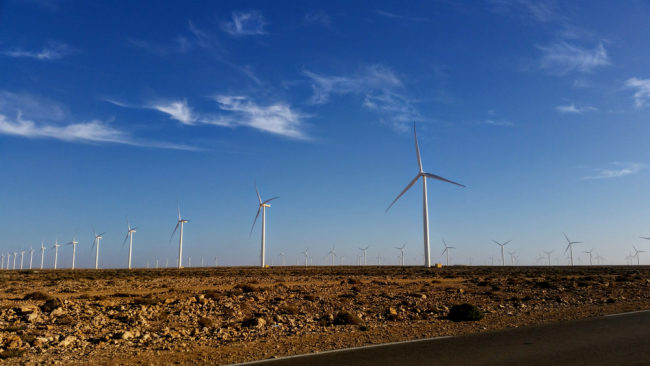
Accelerating the Energy Transition in the Southern Mediterranean
The Mediterranean region has been identified as one of the most affected regions by climate change endangering human security at the food-water-energy nexus.
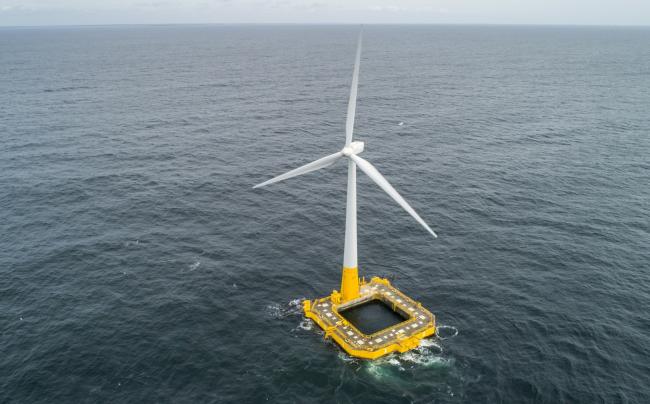
Offshore Wind Power Floating in its Industrial and Technological Dimension
Europe has become a frontrunner in fixed offshore wind. Can this success story be replicated with floating offshore wind, a technology that would lift the sea depth constraint and thus open up wider market opportunities? This research study looks at the main success factors for this emerging industry.
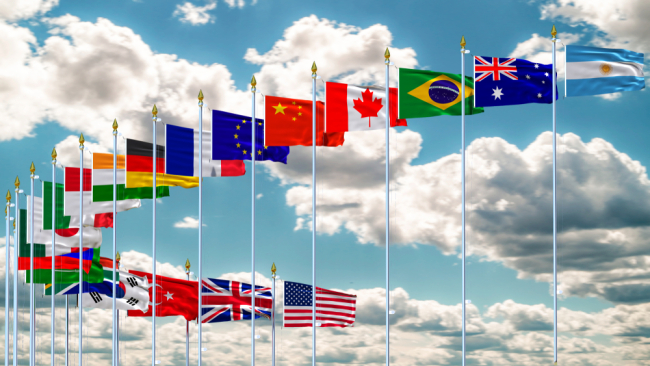
Sustaining Multilateralism in a Multipolar World. What France and Germany Can Do to Preserve the Multilateral Order
While international multilateralism is under strain, it is vital for France and Germany to defend it, since it is the most appropriate system for preserving their interests – particularly in terms of welfare, security, prosperity and environmental protection. Against this backdrop, three political fields offer opportunities for joint initiatives: trade, conventional arms control and climate change.

Strategic Dimensions of the Energy Transition: Challenges and Responses for France, Germany and the European Union
The low-carbon energy transition in France, the European Union (EU) and the world is today taking place unevenly and too slowly to preserve the climate and biodiversity. CO2 emissions are continuing to rise, while governments’ commitments are insufficient: in the long-term, the world is set to see temperatures increase by +3°C. Efforts to fund adaptation measures still need to be strengthened considerably.
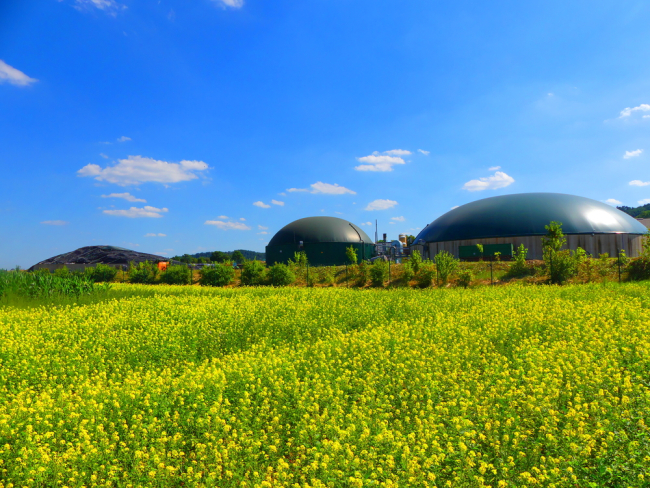
Biogas and Biomethane in Europe: Lessons from Denmark, Germany and Italy
At a time when the European Union (EU) is discussing its long-term climate strategy and drafting new legislation to foster the decarbonization of its gas sector, a close look at the experience of Denmark, Germany and Italy with renewable gas production can provide valuable lessons.
Shaping the Global Governance of Renewables: A Comparative Institutional Analysis
Over the past decade, facilitating the widespread deployment of renewable energy sources (RES) and enabling their integration within the energy systems has become a central priority for various international organizations (IO) and initiatives.

The need for a strategic recycling approach to take up the challenge of critical metals
In September 2010, China stopped all exports of rare earths and associated products to Japan, depriving Japan’s industry of essential raw materials. This decision highlighted the tensions around the trade of critical materials and China’s monopoly on a group of particular metals. Western countries had already taken some initiatives so as to reduce, or at least to analyse their vulnerabilities in the segment of critical materials.

Japan’s Hydrogen Strategy and Its Economic and Geopolitical Implications
With the Basic Hydrogen Strategy (hereafter, the Strategy) released on December 26, 2017, Japan reiterated its commitment to pioneer the world’s first “Hydrogen Society”. The Strategy primarily aims to achieve the cost parity of hydrogen with competing fuels, such as gasoline in transport and Liquified Natural Gas (LNG) in power generation.
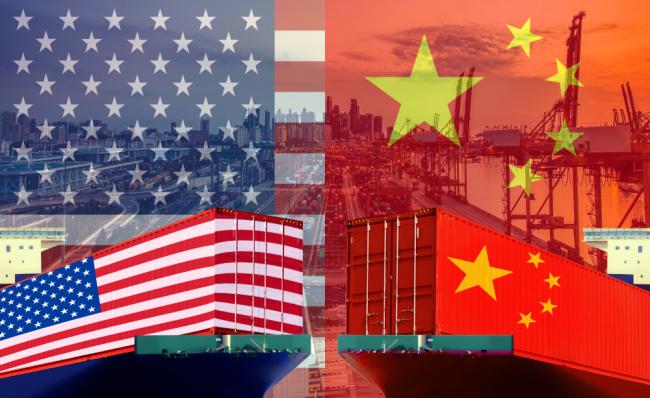
The Trump-led Trade War with China: Energy Dominance Self-destructed?
Under particular US legal rationale, such as calling foreign imports a “national security threat”, President Donald Trump has started imposing tariffs and/or quotas and has launched national security investigations on a growing number of imported goods from US allies and others alike.


Super-synergies could arise from cross-border projects
Shared projects, shared tenders and joint R&D projects could see low-cost offshore windfarms and interconnectors criss-crossing the North Sea.
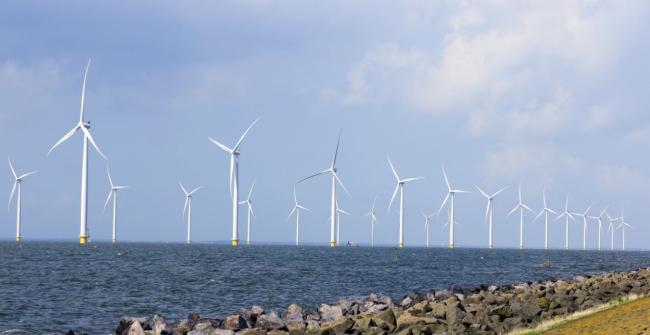
The Expansion of Offshore Wind Power in the North Sea: A Strategic Opportunity for the European Union
The North Sea is the cradle of the global offshore wind industry. The favourable wind patterns in the Southern part and the low depth of water have created an enabling environment for the construction of the first wind turbines in the world. Public policies have progressively encouraged their deployment in the best-endowed countries: Belgium, Denmark, Germany, the Netherlands and the United-Kingdom.
More renewables in the European Union? Yes, we can
The European Union is about to adopt new renewable energy targets for 2030. While going beyond the initially-planned 27% is absolutely feasible, the EU strategy can only be credible if it is based on a good mix between performance and effort obligations, and also includes possible review clauses.

Trump's Tax Reform and Trade Policy: Renewables Spared, Oil Industry Wins
The energy sector is one where the break between the Trump and Obama administrations is the most pronounced. The three officials in charge, Rick Perry at the Department of Energy (DoE), Scott Pruitt at the Environmental Protection Agency (EPA) and Ryan Zinke at the head of the Department of the Interior (DoI), share the same indifference to the issue of climate change, the same will to encourage oil and gas production in the USA in order to bring an era of American “energy dominance”, the same desire to promote the extraction of “beautiful, clean coal”, to paraphrase President Trumps’s State of the Union address, and the same deep mistrust of renewable energies such as wind and solar.
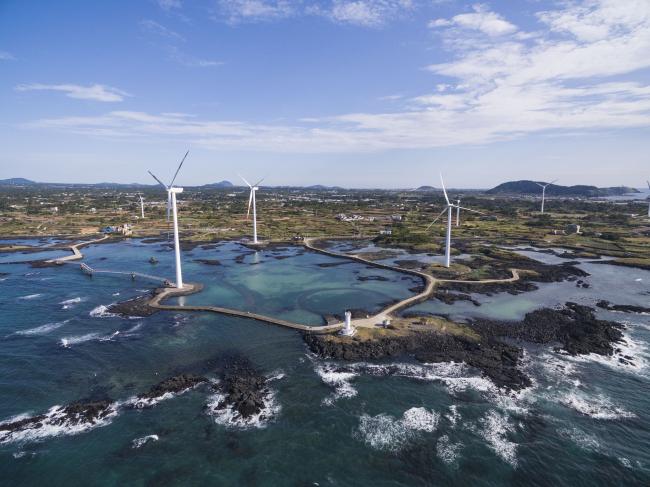
South Korea's New Electricity Plan. Cosmetic Changes or a Breakthrough for the Climate?
Shortly after his inauguration in May 2017, the President of South Korea, Moon Jae-In, announced a major policy shift away from nuclear and coal power, and toward renewables and gas. This would have meant a complete U-turn from previous policies, considering that nuclear and coal produced 40% and 30% respectively of Korea’s total electricity in 2016.
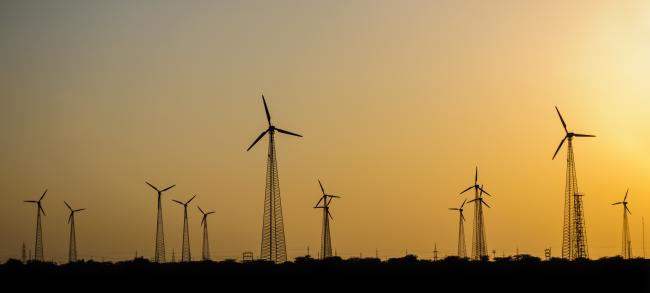
Renewable Energy in India: Solutions to the Financing Challenge
India has committed to ambitious action on climate change, but financing its renewable energy goals remains a significant challenge.
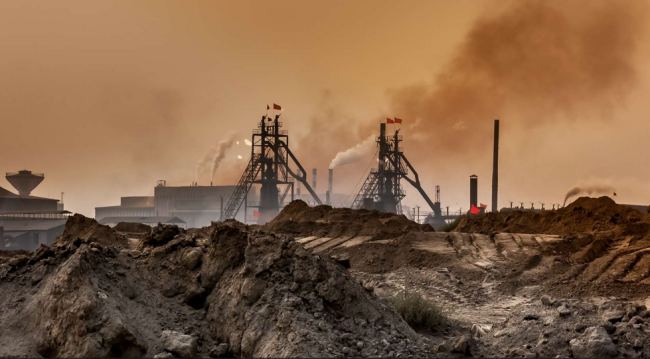
The Energy Transition and the Challenge of Critical Raw Materials
The geopolitical analyses of energy markets are traditionally focused on fossil fuels, and less on renewable energy sources.
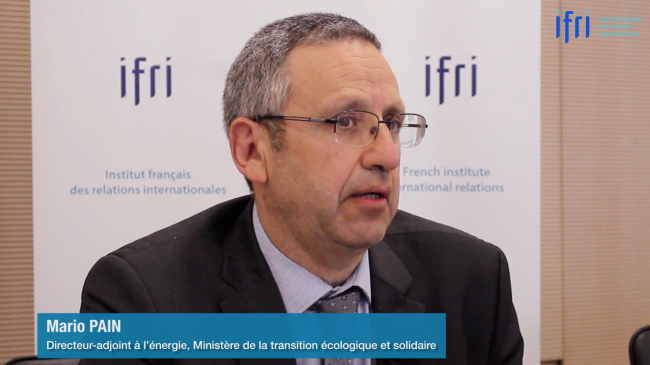
The Transformation of the Electricity French System in 2030 - Mario Pain
Deputy Director, Ministère de la transition écologique et solidaire, describes the main challenges for the French energy system at the 2030 horizon and highlights the need to find the right balance between EU harmonization and national measures to achieve energy transition at the lowest cost.
Renewable Energy in India: Solutions to the Financing Challenge
India has committed to ambitious action on climate change, but financing its renewable energy goals remains a significant challenge.
Powering Kuwait into the 21st Century: Alternatives for Power Generation
Kuwait is facing a surge in the consumption of power. The current power fuel mix, based on oil, appears unsustainable. Yet Kuwait has a large number of assets.
Solar Photovoltaic Energy Policy in Europe: Losing Sight of What is Right: Current Developments and Lessons Learned for Policymakers and Industry
Europe has set ambitious but drastic targets in order to fight climate change. The 20-20-20 objectives demonstrate this. By 2020, emissions are to be reduced by 20%, the share of renewable energy sources (RES) in energy consumption is targeted to rise to 20%, and energy efficiency is planned to increase by 20% in comparison to the 1990 levels in Europe.
German Nuclear: Green Is Good Politics
In polarized politics, the voter must take on faith the wisdom inherent in the principled political position. Who cannot be impressed by the nuclear catastrophe at Fukushima, especially after living through the fallout from Chernobyl? But is it reasonable to send the voter to the booth with only half the information? Does the German voter have any idea what it means to shut down its nuclear power in just ten years? Have German politicians made any effort to tell them?
European Energy Policy: Energy Savings Glass 2/3 Empty
Summing up Europe’s climate policies suggests we still haven’t grasped the full potential for energy savings. We act as if we were living in a system with infinite resources easily exploited by human innovation and ingenuity. We focus on the efficiencies we can gain from components of our system, but not on the system as a whole and we do not consider how the other billions of people on earth can achieve our level of comfort with a resource or carbon-constrained future and with aspirations that necessarily imply sharply growing energy consumption.
Renewables in Transport: Directive 2009/28/EC - Devils in its Details
This Actuelle precedes a longer and more exhaustive paper on Electric Vehicles, under the title "The Electric Vehicle in the Climate Change Race: Tortoise, Hare or both?" by Maïté de Boncourt.
As part of the 3*20 targets reached in December 2008, the EC decided that the EU should, by 2020, source 20% of its Final Energy Consumption (FEC) renewably.
German Power Options: Lack of Clarity Will Be Costly
The German environment minister Norbert Röttgen (CDU) revived the German debate about the future of nuclear power in February when he argued for a limited lifetime extension of Germany’s nuclear plants.
Ifri, a foundation recognized as being of public utility, relies largely on private donors – companies and individuals – to guarantee its sustainability and intellectual independence. Through their funding, donors help maintain the Institute's position among the world's leading think tanks. By benefiting from an internationally recognized network and expertise, donors refine their understanding of geopolitical risk and its consequences on global politics and the economy. In 2026, Ifri partners with over 90 French and international companies and organizations.