



Power and Financial Interdependence
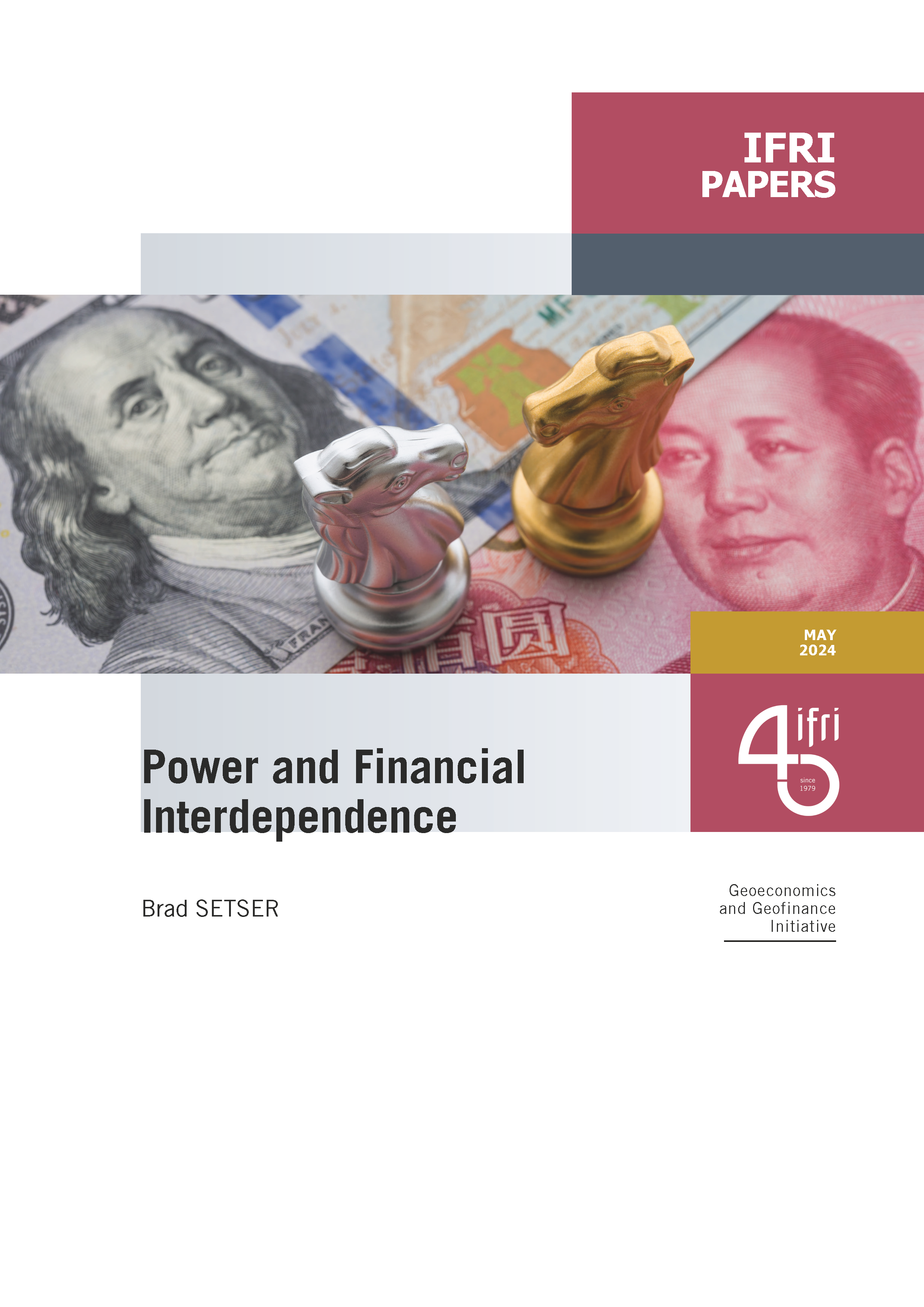
The link between financial self-reliance and geopolitical power has long been debated. The unbalanced Sino-American trade relationship has created asymmetric financial ties which generate potential sources of leverage for both parties and will not quickly disappear. Absent a clarifying major crisis, it will be difficult to definitively determine which party has greater leverage.
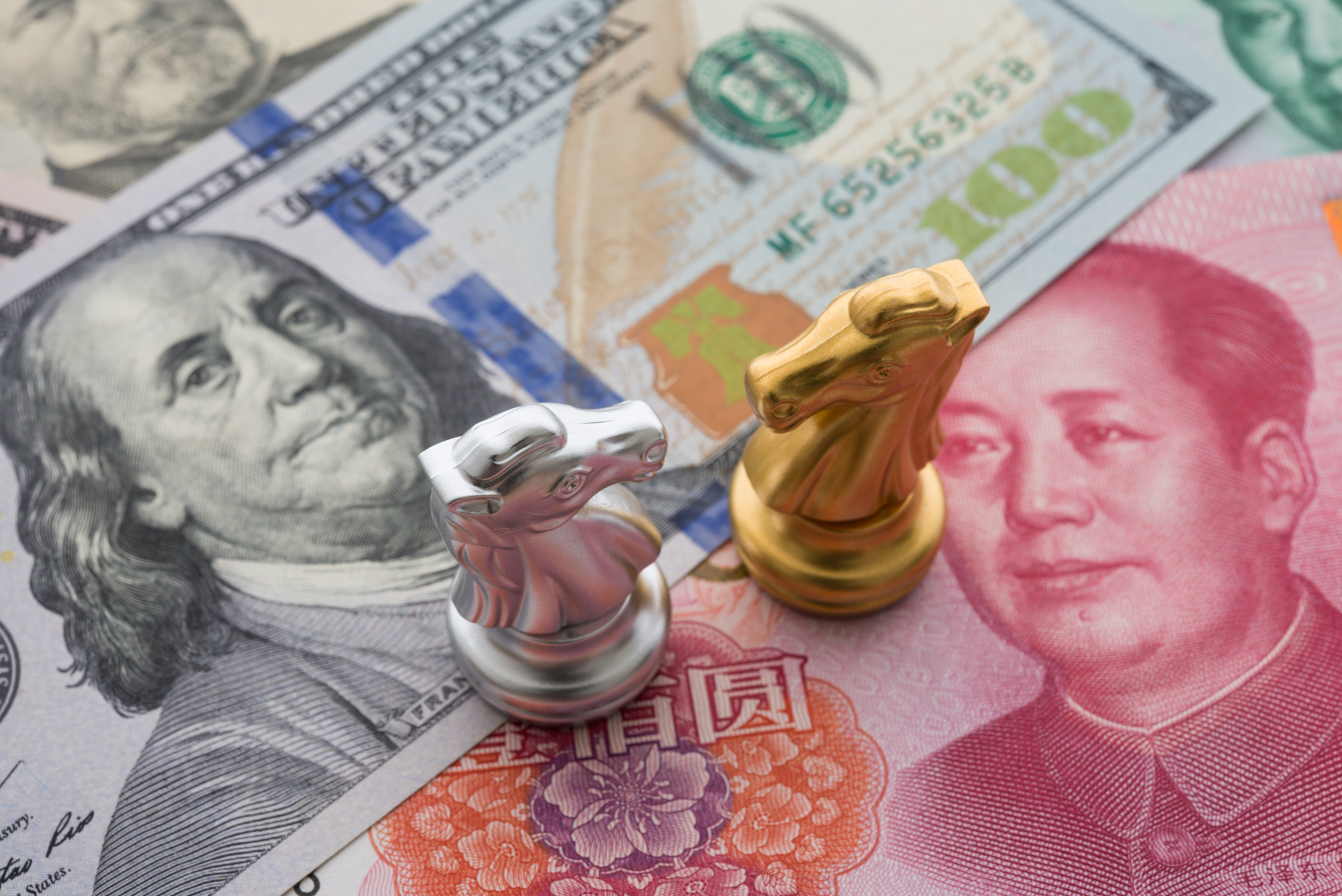
Many in the United States (US) are concerned about indebtedness to its primary strategic rival, and the risks posed by a sudden Chinese withdrawal from US financial markets. US policymakers actively sought to encourage China’s top leadership not to withdraw financing from the market for US Agency securities in the run-up to the global financial crisis.
Yet China also sees risks in this unbalanced financial relationship. Chinese policymakers have expressed concern about the domestic political consequences of losses on either their Treasury or Agency holdings and actively have sought to diversify China’s reserves – including by substituting the risk of lending to developing economies for the visibility associated with large holdings of Treasuries in US custodians. China increasingly worries that its dollar holdings and the dollar’s global role increase its vulnerability to potential financial sanctions.
Both parties thus worry about the possibility that financial interdependence can be weaponized yet find it hard to extricate themselves from the inevitability of financial interdependence absent a clean break from an entrenched pattern of trade imbalances.
This paper is also available in French: "Puissance et interdépendance financière"

Available in:
Regions and themes
ISBN / ISSN
Share
This page contains only a summary of our work. If you would like to have access to all the information from our research on the subject, you can download the full version in PDF format.
Power and Financial Interdependence


Geoeconomics and Geofinance Initiative
To analyze the impact of power rivalries and tensions on globalization, this initiative combines economic and political expertise. In the face of growing geopolitical risk, the goal is to decipher the dynamics of reconfiguration: protectionist pressures, sanctions, restrictions, industrial policies, and economic security concerns are redefining the rules of international trade. These tensions are also transforming international financial relations by undermining the foundations of trust and reshaping the global monetary system. They raise questions about the role of several key players: sovereign wealth funds, central banks, digital platforms, multilateral institutions, and financial infrastructure operators. In a context of profound disruption, simply refining existing approaches is no longer sufficient. The initiative is designed as a flexible model, drawing on diverse expertise to offer both broad overviews and targeted analyses. It also provides a platform for stakeholders and experts from various backgrounds to debate these issues freely.

The Architecture of Money: A European Strategy for Tokenized Finance
This report examines how tokenization may reshape European financial sovereignty. Tokenization does more than digitize existing assets: it makes it possible to separate and recombine dimensions of monetary systems once considered inseparable. This creates new opportunities for financial integration but may also yield new forms of infrastructural and monetary dependence

The Transfer Paradox. Rethinking Global Imbalances
Global imbalances have come back to the top of the policy agenda. Many analyses and reports have been produced over recent months. The standard prescription involves better coordination of macroeconomic policies, with three familiar recommendations: higher consumption in China, higher investment in Europe, and fiscal consolidation in the United States.

Global imbalances, industrial policies, and the challenge of surging Chinese trade surpluses
The analysis of global imbalances faces a paradox: while the analytical focus has for decades been on the sustainability of current account deficits, out of concerns about their financial consequences, international political tensions stem mainly from enduring trade surpluses and their industrial impacts. Beyond President Trump’s outbursts, fears about the consequences of China’s trade surpluses are increasingly widespread.

Can Interdependence Persist in Tense Times? Insights from the 2nd Paris Geoeconomic Dialogue
Ifri’s 2nd Paris Geoeconomic Dialogue brought together in November 2025 experts, academics, and decision-makers around six themes relating to the prospects for interdependence in an increasingly tense international environment.