Practical information
In the first of our foreign policy meeting series “Ruptures in the Neighborhood: The Impact of Turkish Foreign Policy in its Neighboring Countries and Beyond,” we will focus on the Turkish foreign policy (TFP) in the Balkans. In line with the overall goal of the series, we will aim to get an overview of TFP in the Balkans, outline the risks and opportunities it bears for Balkan countries, Turkey, and the EU, and develop political frameworks and policy proposals which would contribute to the peace, stability, cooperation, and welfare in the region. The over-arching question will be: how can German-French foreign policy react to TFP.
This dialogue is co-organized by the Heinrich Böll Stiftung, IFRI, Al Sharq Forum and the ISAC Fund.
With this meeting, we aim to address the following issues:
- Analysis of the implementation of TFP in Balkans & implications for German-French and overall EU approach to Turkey.
- Turkish cultural and development aid (TİKA)
- The religious dimension of TFP in the Balkans under the shadows of neo-Ottomanism, Islamism, Gülenism, and anti-Gülenism
- Is neo-Ottomanism over?
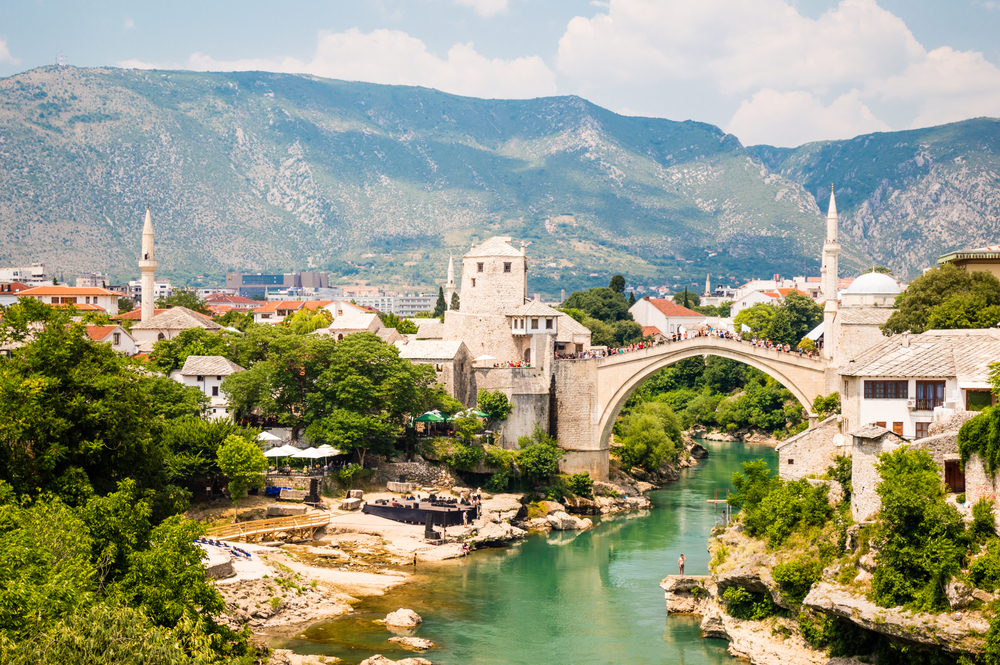
- Turkey’s role in post-Dayton Bosnia-Herzegovina
- Turkish role in Kosovo, Albania, Serbia (and Sandzak), North Macedonia and Montenegro
- Outlining foreign policy risks and opportunities for the peace, stability, and welfare of the region.
- Analysis of main economic dimensions of foreign policy issues.
- Turkish investments and trade
- Energy projects
- EU Connectivity Agenda & Belt and Road Initiative
- EU Enlargement policies and fostering of practical cooperation (Berlin Process/Connectivity Agenda, new French Western Balkans Strategy etc) and the Balkans.
- Turkey and other third actors’ influences in the Balkans (Russia, Gulf States, China)
- Refugee crisis, challenges to European migration regime, and their implications for the countries of the region.
- Developing a joint German-French approach to Turkish policies in Balkans. Chances for joint EU-Turkey initiatives.
Speakers

Our team
Dorothée SCHMID
Responsable du programme Turquie/Moyen-Orient de l'Ifri