





Sub-Saharan Africa
Sub-Saharan Africa is not monolithic. While crises in the Sahel have attracted a great deal of attention, other regions also need to be monitored, and not just through the prism of security.
Related Subjects

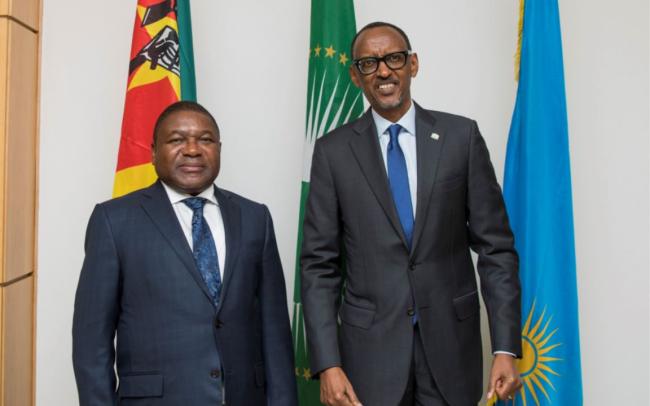
After the success of its army in Mozambique, Rwanda expects economic rewards
Companies affiliated with the powerful Crystal Ventures holding company, the financial arm of Kigali's ruling party, are already present in Mozambique.
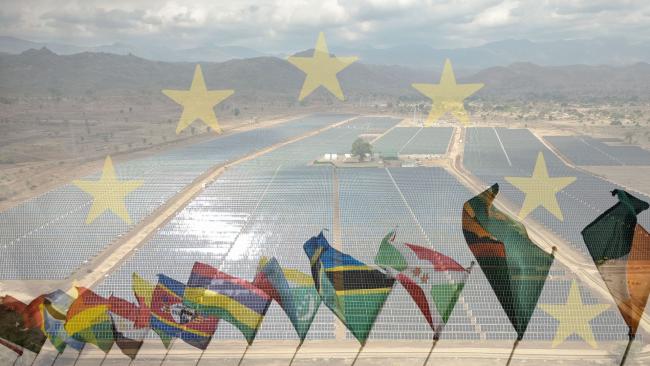
A framework for a Win-Win Europe-Africa Energy and Climate Partnership
North-South tensions are exacerbated at a time of unprecedented turmoil for both Europeans and Africans. European polycrises (geopolitical, energy-related and economic) echo the systematic vulnerability of Africans, which is reinforced by external shocks.


Dimitri Minic: 'The Kremlin's credibility has been shaken'
For this Russian army specialist, at least part of the armed forces rallying behind the founder of the Wagner group, Yevgeny Prigozhin, cannot be ruled out.


Japan PM Kishida’s Africa tour lays groundwork for G7 summit, as China and Russia concerns loom large
While the impact of Kishida’s tour is ‘marginal, it can still send ‘a message of solidarity’ that it intends to take the continent’s concerns seriously. Getting the African countries to take active measures against Russia will be difficult if they are not offered strong incentives in exchange, one analyst notes.
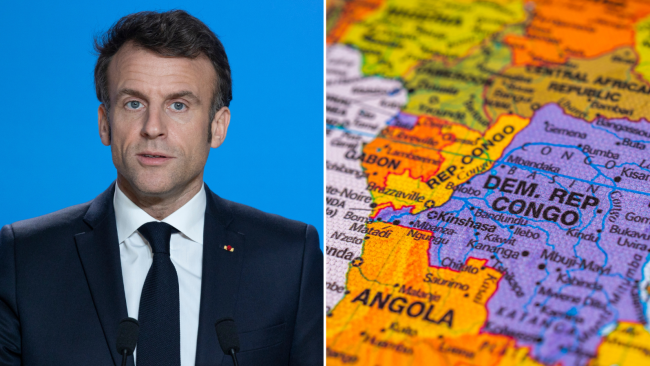
Emmanuel Macron's Trip to Central Africa: A Look Back on a Difficult Diplomatic Exercise
On February 27, 2023, Emmanuel Macron delivered a speech on French-African relations before traveling to Central Africa to meet with the leaders of four countries: Gabon, Angola, Congo, and the Democratic Republic of Congo. This briefing looks back at the key moments of his latest presidential trip and analyzes the limits of this diplomatic exercise.

Charles III's United Kingdom and Africa. A Temptation to Withdraw
On May 6, 2023, King Charles III will be crowned at Westminster Abbey in London. This briefing assesses the UK-Africa relations against the backdrop of the new King's discourse on Global Britain.
France's Macron Set For Four-nation Tour Of Africa
President Emmanuel Macron kicks off a tour of Central Africa on Wednesday in a diplomatic drive to test out a new "responsible relationship" with the continent as anti-French sentiment runs high in some former colonies

Nigeria’s 2023 Election: Democratic Development and Political Fragmentation
Nigerians will go to the polls on February 25 to elect a new president and members of the National Assembly. This marks the 7th in an unbroken sequence of presidential elections held since the country’s return to democracy in 1999.
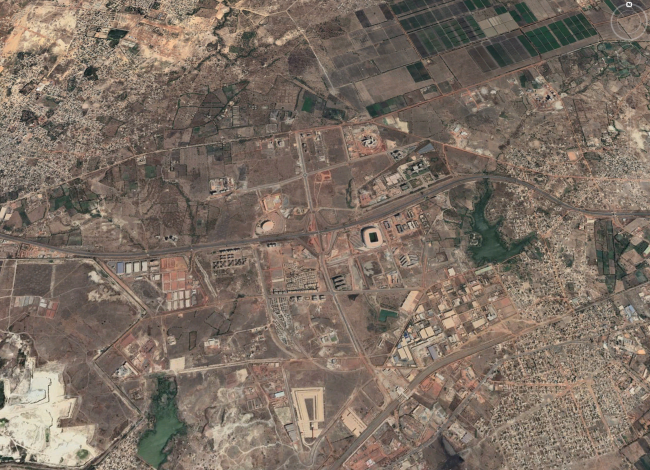
The Politics of New Cities: Diversification of Actors and Recentralization of State Power in the Case of Diamniadio
The construction of new cities on the African continent is in vogue. From multifunctional urban hubs to eco-districts, the images that accompany the announcement of these projects promote an African urban future based on modernity and technology.
The Roots of a Quarter-Century of Violence Lie to the East of Congo (Kinshasa)
Almost thirty years after the genocide of the Tutsis in Rwanda, the entire region remains unstable. After Paul Kagame came to power, 1.5 million Hutus fled to the Democratic Republic of the Congo. For the Rwandan president, they represented an unacceptable threat. There then followed the First and Second Congo Wars, the consequences of which are still apparent. The recent attacks perpetrated by the M23 rebels are a new episode in this tragic story.

Self-defense Groups, the Pyromaniac Firefighters of Sahel
Since 2012, the proliferation of jihadist groups across the Sahel has monopolized the attention of the authorities.forced by the threats they represent and the weakening of their regal power, states are gradually withdrawing from their peripheral rural territories. As a result, populations have organized themselves to become local security providers.

How Rwanda Became Africa’s Policeman
From Benin to Mozambique, President Paul Kagame is flexing his small country’s military muscle—and transforming the continent’s security landscape.
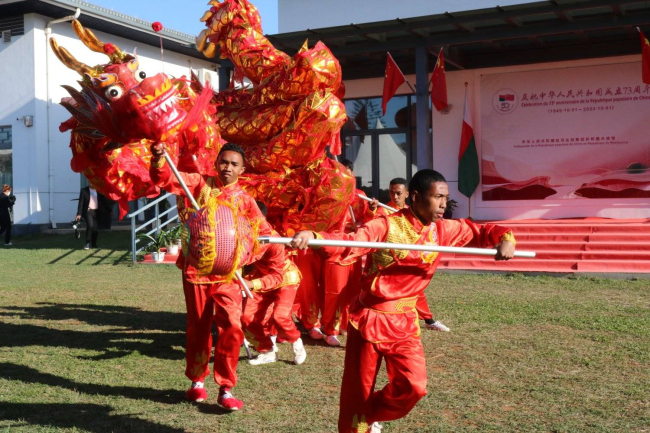
China in Madagascar: Between Quiet Politcal Oppurtunism and Intense Trafficking
In the context of growing regional rivalries between major powers in the Indian Ocean, the stakes of Sino-Malagasy relations are major.
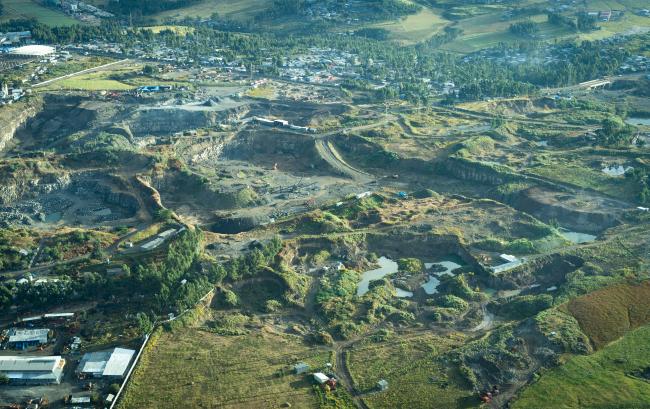
Chinese Influences in Africa 2. Myths and Realities in Economic Relations
China and Africa share a strong relationship since the wave of African independences in the 1960s. Nevertheless, China-Africa trade has experienced an unprecedented surge since the late 1990s and has been accompanied by the rise of a discourse of "win-win" partnership between China and Africa.
Japan’s Africa aid rivals China in terms of ‘quality over quantity’: analysts
Japan has been investing in the continent for longer than China and applies international standards to its infrastructure financing, analysts said. Its pockets may not be as deep, but its support of good governance and democratic principles makes it a tempting development partner for African states.
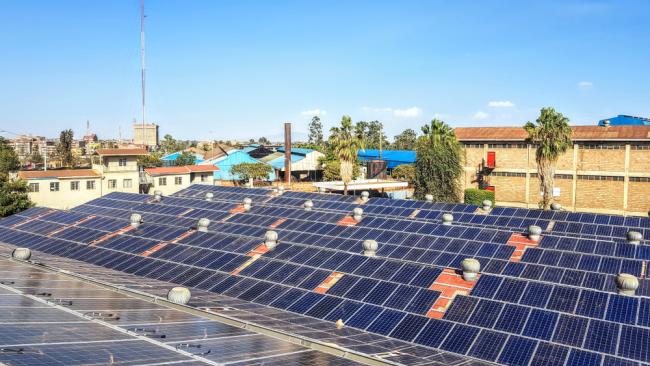
New Paradigm for Electrification in Sub-Saharan Africa: How Are Decentralized Hybrid Systems Changing the Game?
After several decades of reforms, the situation in centralized power sectors has hardly changed. The sub-Saharan power sector remains underdeveloped, and power sectors are experiencing significant financial difficulties that have been further exacerbated first by the effects of the pandemic and then the war in Ukraine.
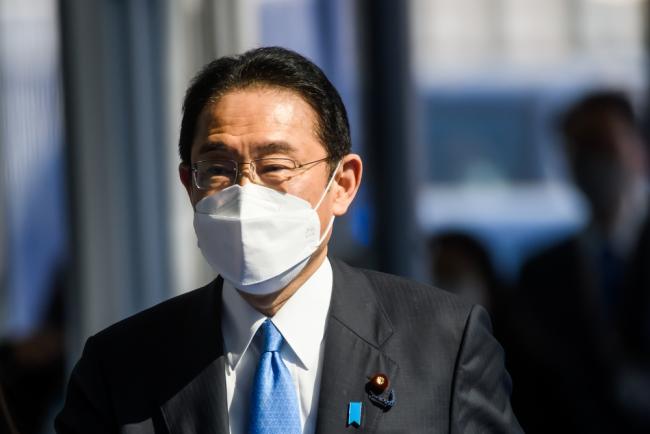
Japan’s Africa policy: Back to basics in times of crisis
Addressing remotely the 8th Japan-Africa TICAD Summit held in Tunis between August 27th and 28th, Japanese Prime Minister Fumio Kishida pledged $30 billion in public and private contributions to the African continent over the course of the next three years. This is a quite a remarkable move, as no specific amount was mentioned by the late Prime Minister, Shinzō Abe, at the previous TICAD 7 in 2019. By doing so, Japan aims at demonstrating that its commitment to Africa is solid and sustainable: its traditional approach towards a human-centered development is more relevant than ever in these times of crisis (between the pandemic, the war in Ukraine, and the adverse effects of climate change), and clearly marks a difference from China’s practices.
Japan resumes its wooing of Africa, a counter to China’s efforts
Japan, which began developmental programmes in the 1990s, has been eclipsed in recent years by China, now Africa’s leading trade partner.Pledge to invest US$30 billion on the continent includes a focus on training Africans to run their economy.

Mbororo Fulanis in the Anglophone Crisis: From Land Disputes to a Regional Conflict
This study highlights the particular situation of the Mbororo minority, which has settled in the Northwest English-speaking province that is more conducive to livestock farming than the Southwest.
Japan's Revived African Policy
By organising TICAD (Tokyo International Conference on African Development) for the first time in Africa in August 2016, Japan intended to accelerate and deepen its relationship with the continent.
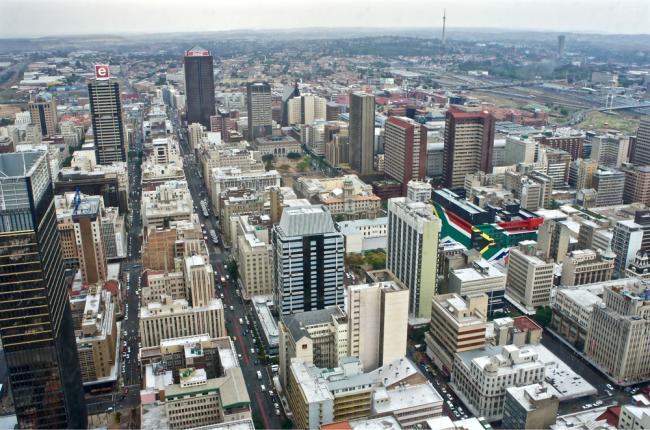
Defining the Middle Class in the Global South. A Quantitative Perspective from South Africa
What makes you middle class? Is it your income, occupation, or education? Your family background or maybe the house and neighbourhood you live in? It is probably all of these things.
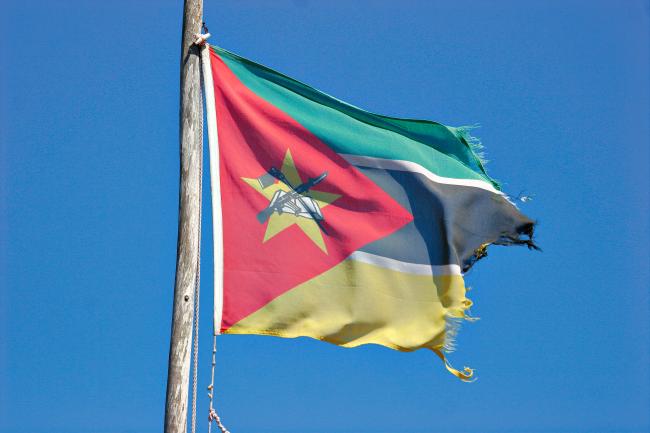
The Resurgence of Conflict in Mozambique. Ghosts from the Past and Brakes to Peaceful Democracy
2016 proved to be a most challenging year for Mozambique. Small-scale conflict, which started reappearing between the government and the opposition party, the Mozambican National Resistance (Renamo), in 2013, intensified over the course of the year, whilst peace negotiations stalled.
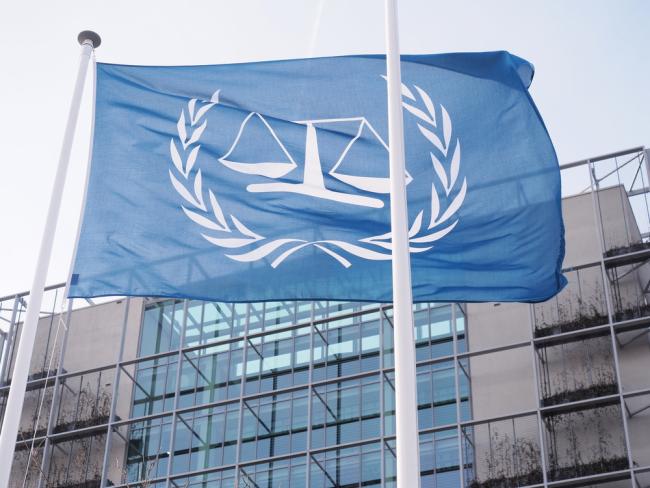
Africa and the ICC Going Forward
October 2016 presented a grim test for the fourteen-year-old International Criminal Court (ICC) as three Sub-Saharan African countries, Burundi, South Africa and Gambia announced their decision to opt out of the international judicial body.
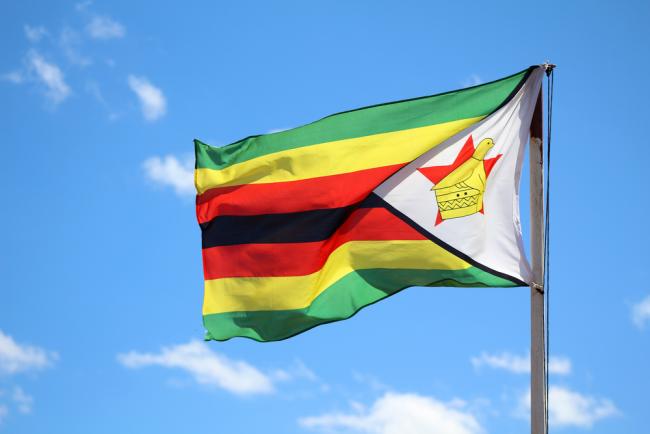
Robert Mugabe in Zimbabwe: the Endgame?
The descent into the morass of failure seems relentless for a country that used to be, at the aftermath of its independence in 1980, the “jewel in Africa” to be carefully preserved, as former Tanzanian President Julius Nyerere advised an acclaimed Mugabe ascending into power.
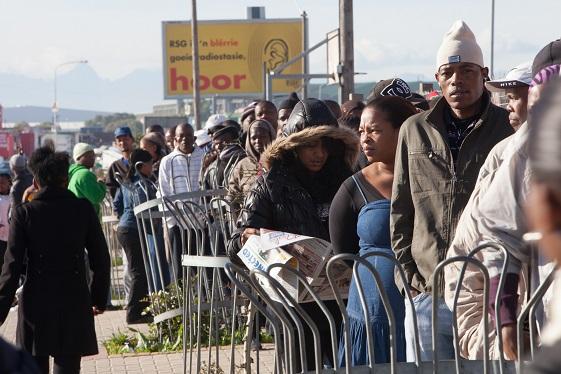
South African Local Elections 2016. From One Party Dominance to Effective Plural Democracy
The South African political landscape experienced a shock from an unlikely source; the country’s local government elections on August 3, 2016 representing the last tier of government and often overlooked in favour of national and provincial polls.
Not Dazzling But Not Invisible : The Ugandan Middle Classes as "Somewhere in Between"
In January 2016, the Kenyan supermarket chain Uchumi has filed bankruptcy for its Ugandan subsidiaries, due to perpetual losses. And they are not alone: companies like Nestlé, Coca Cola or Barclays are slowly pulling out of Africa and recent reports – such as the Global Wealth Databook from Credit Suisse or from the Pew Research Center – suggest that the size of the African middle class may be much smaller than previously thought. So was the hype in recent years about “Africa rising” (Mahajan, 2009) and the African middle class just a bubble? In order to better comprehend the social and economic transformations taking place on the continent, it can prove helpful to look beyond the dazzling facade of economies such as Kenya or South Africa, and into those countries experiencing steady growth, but nevertheless far from including a well established middle class. Their middle classes are not shopping in big malls, driving cars and going on holidays. Rather, these groups are characterized by the improvement of their livelihoods compared to their parents’ generation, in terms of education, income and housing, but they still feel strongly vulnerable, and do not take their new benefits for granted. This has an important effect on their consumption patterns, and may not turn them into the promising new consumers, as they have sometimes been praised to be.
Determinants of Japan’s ODA Allocation in Africa
The debate on emerging donors raises a question whether traditional donors really follow their own ODA (Official Development Assistance) policies or not. This paper addresses the question by investigating Japan’s adherence to its own ODA policies.
Fragility Factors and Reconciliation Needs in Forest Guinea
In December 2013 the first Ebola cases surfaced in Guéckedou district, near the Liberian and Sierra Leon borders in the Forest Region of Guinea. The outbreak quickly spread from Forest Guinea to the rest of the country and, through the borders, to neighbouring countries. It took three months to identify the Ebola virus as the causative agent of the burgeoning epidemic, longer for the Guinean government to understand the importance of treating the outbreak as a national emergency, and even more time for everyone involved to appreciate the great social toll of Ebola.
France and the Fight against Terrorism in the Sahel: The History of a Difficult Leadership Role
Except for its extreme poverty and the disastrous effects of a series of droughts, the Sahel region has been largely out of the spotlight of international attention in the past. Yet the rise of terrorism and especially the creation of Al-Qaida in the Islamic Maghreb (AQIM) in 2007 brought the region into the focus of world politics. Initially, AQIM"s activities in the Sahel mainly posed a threat to the stability of the Sahelian states themselves. In an effort to internationalize its agenda, however, AQIM also started targeting Western countries.
A Class Defined "by Consumption": The Grocery-Shopping Practices of the Lower-Middle Classes in Johannesburg, South Africa
The black middle class in Johannesburg is a much debated but ill-defined phenomenon, treated more often by economic players than by social scientists. Far from static and clear, the concept of the middle class is for us relevant insofar as it reveals crucial dynamics of the society.
The Sahel: A Crossroads between Criminality and Terrorism
Besides the ongoing political conundrum in Mali, it is the entire West African region, from Guinea Bissau to Mali, which is under threat of destabilization. Indeed, for many years now, terrorists and drugs traffickers have been synergizing their respective illegal activities, transforming the Sahel into a narcoterrorist zone. As a result, the Sahel has become a dangerous crossroads for drugs, crime, terrorism and insurgency.
How to Create a Public Policy in a Failed State: The Challenge of Securing Land Rights in Eastern Congo
In the Democratic Republic of the Congo (DRC) 32 years of dictatorship and almost ten years of war have bled the country dry and left its administration incapable of providing the population with basic services and the government incapable of applying or even formulating public policy.
Is Africa's Recent Economic Growth Sustainable?
Hardly a week goes by without an African investors’ conference or growth summit.
A Victorious Anti-insurrection Strategy? The Insurrections of 2010 in the Jonglei State of South Sudan
On May 16 2010, a few weeks after its first elections, the government of the semi-autonomous province of South Sudan (GoSS) had to confront two rebellions in the Jonglei Province. South Sudan may appear unified behind the banner of the SPLM/A, but in fact it is nothing of the kind.
The Recent Blossoming in Relations between China and Madagascar
The question of the Chinese presence in Madagascar is very accurate. It is an opportunity for us to portray the sino-madagarscan relations.
The Politics of Amnesty in the Niger Delta : Challenges Ahead
Armed groups, many affiliated to the Niger Delta-wide political organisation MEND, the Movement for the Emancipation of the Niger Delta, proliferated throughout the oil producing states, particularly from early 2006 onwards. In January 2006, MEND declared war on the oil industry pending the resolution of long term political grievances relating to poverty and underdevelopment, the poor regulation of an environmentally polluting oil industry, and the alienation of local people from rights to land and resources in the Niger Delta.
Arabs and Tuaregs in Colonial and Malian Armed Forces: A Story in Trompe-l'Oeil
This contribution consists in analyzing the unifying or opposing relations between the central State-power and the southern part of central-Saharan populations, mainly Arabs and Tuaregs, within the relational framework of colonial and Malian armed forces. The French Colonial State and the Malian independent State (from the 1960 independence movement) are both considered by Arabs and Tuaregs as external entities, whatever the form of their relation, good or bad.
The Financial Challenges of the Sub-Saharan Africa Telecoms Boom
Telecom industry has taken a significant place within of the economy of most African countries. In this aspect, it is an undeniable source of economic growth and development. It impacts on the financial sphere at three levels.
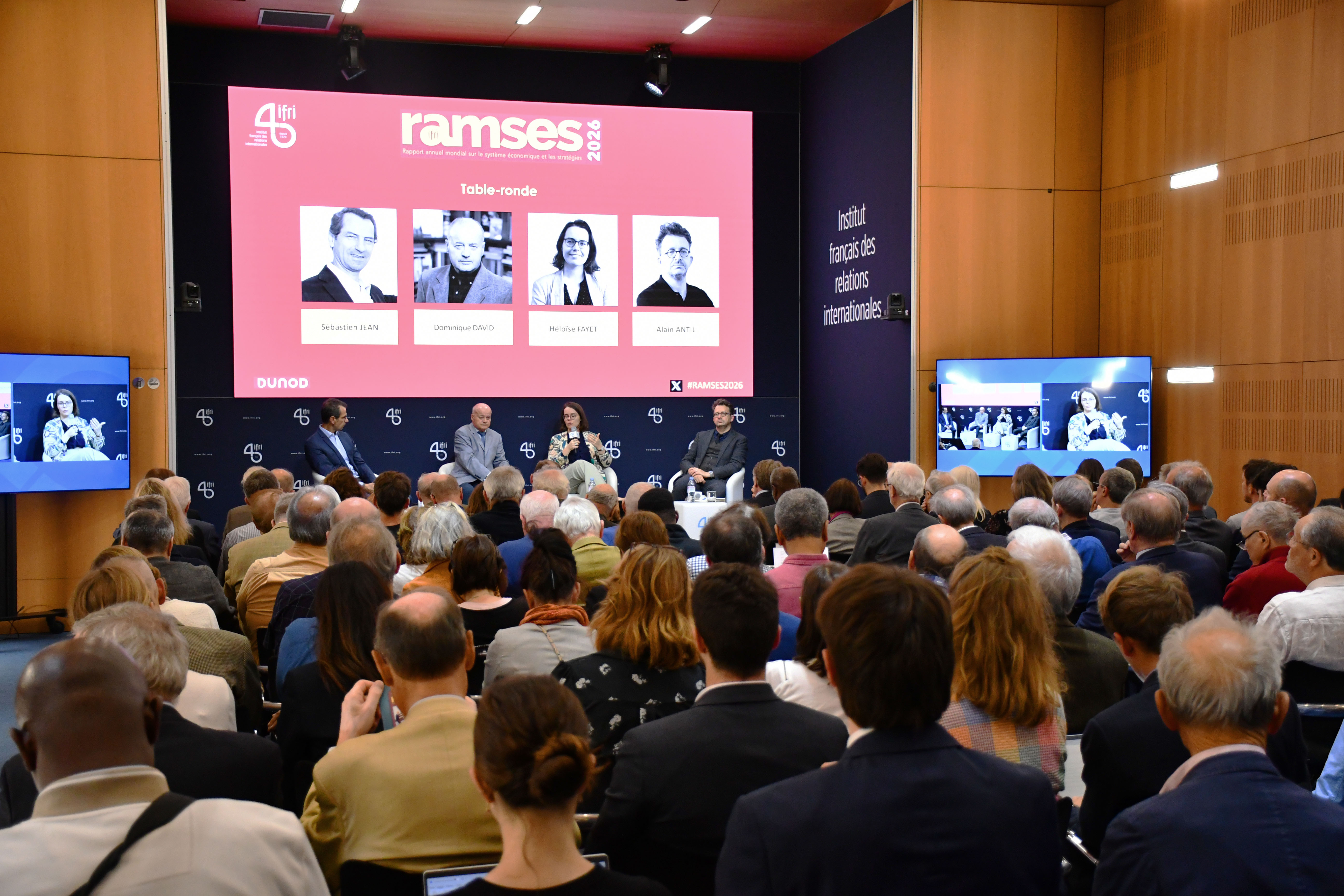
Ifri, a foundation recognized as being of public utility, relies largely on private donors – companies and individuals – to guarantee its sustainability and intellectual independence. Through their funding, donors help maintain the Institute's position among the world's leading think tanks. By benefiting from an internationally recognized network and expertise, donors refine their understanding of geopolitical risk and its consequences on global politics and the economy. In 2026, Ifri partners with over 90 French and international companies and organizations.
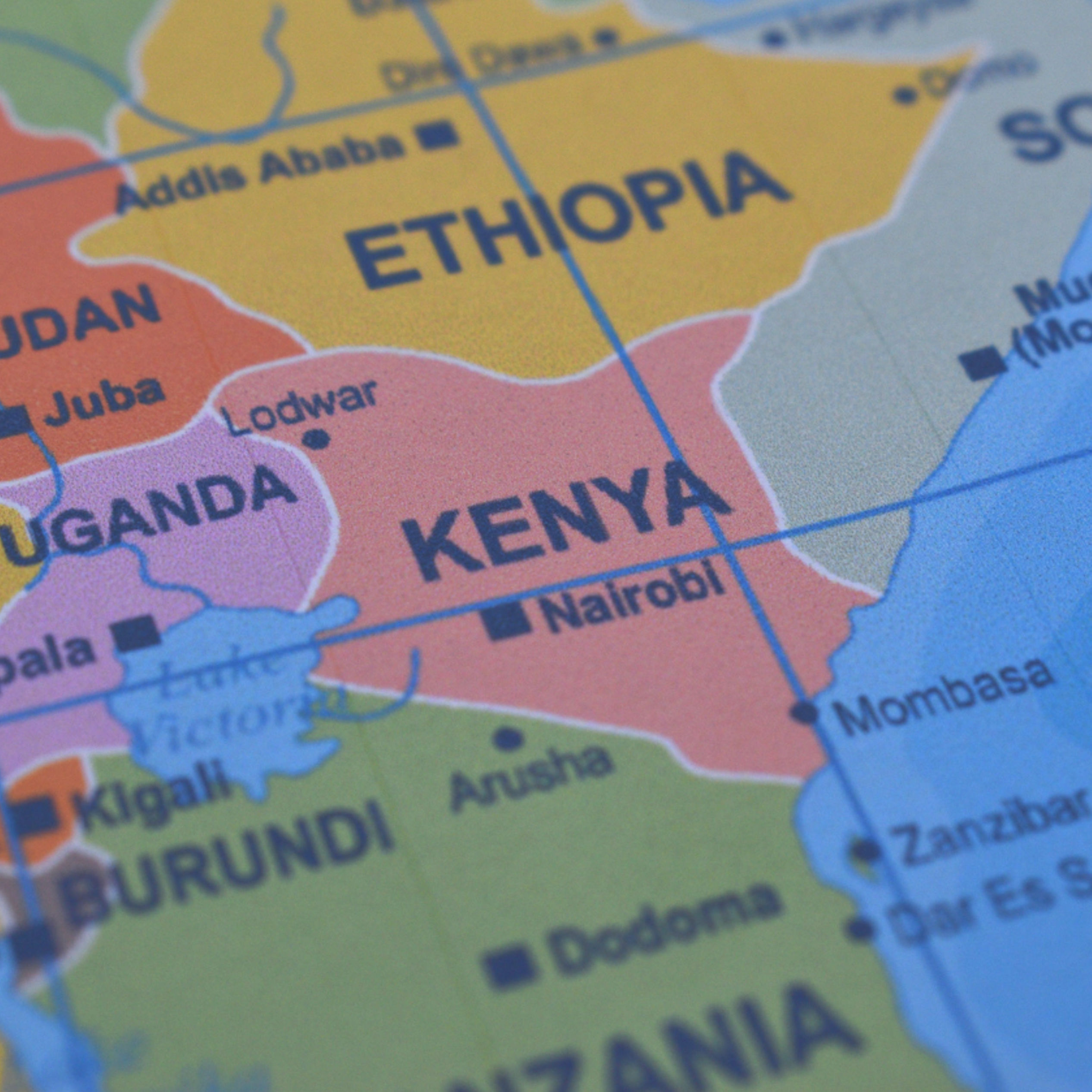
The East and Central Africa Observatory is a 3-year research project (2023-2025) that Ifri is carrying out jointly with the French Institute of Research in Africa (IFRA) in Nairobi for the French Ministry of Defense, and more specifically its International Relations and Strategy Division (DGRIS). This observatory focuses on the main political, security and geopolitical developments taking place in the geographical areas covered by itself. This is achieved through the regular production of research notes, in English or French and the organization of an annual seminar around a key theme. For our research notes and conferences, we call on internationally acknowledged experts in the topics covered. This Observatory began in 2016, under the title of Observatory of Central and Southern Africa within Ifri's Sub-Saharan Africa Center. 55 notes were drafted between 2016 and 2020.
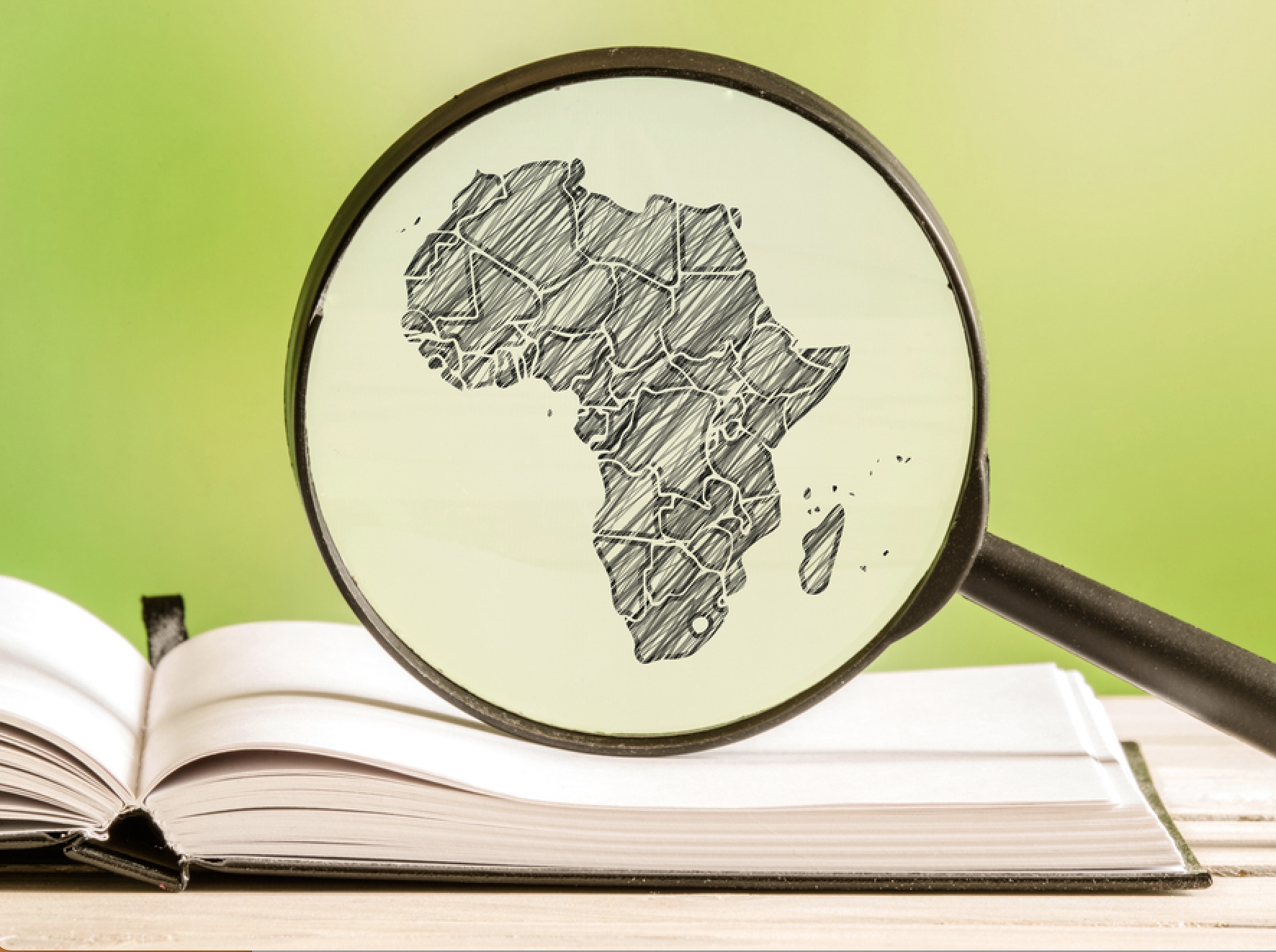
Founded in 2007, Ifri's Sub-Saharan Africa center produces an in-depth analysis of the African continent and its security, geopolitical, political and socio-economic dynamics (in particular the phenomenon of urbanization). The Center aims to be both, through various publications and conferences, a space for disseminating analyzes intended for the media and the public but also a decision-making tool for political and economic actors with regard to the continent.
The center produces analyses for various organizations such as the Ministry of the Armed Forces, the Ministry of Europe and Foreign Affairs, the Organization for Economic Cooperation and Development (OECD), the French Development Agency (AFD) and even for various private supports. Its researchers are regularly interviewed by parliamentary committees.
The organization of events of various formats complements the production of analyzes by bringing the different spheres of the public space (academic, political, media, economic and civil society) to meet and exchange analytical tools and visions of the continent. The Sub-Saharan Africa Center regularly welcomes political leaders from different sub-Saharan African countries.