




East Africa
East Africa, a cultural and geostrategic crossroads, is examined in terms of its security, humanitarian and environmental aspects, as well as its electoral and political dynamics.
Sudan Wartime Online Propaganda
In the Sudan conflict, the propaganda battle between the Sudan Armed Forces (SAF) and the Rapid Support Forces (RSF) on mainstream and social media makes it hard to distinguish real, false, and manipulated information. Furthermore, the lack of field press coverage allows fake and misleading news to spread more easily. Although the SAF and RSF work hard to shape the war narrative by building large supporter networks and using various methods such as disinformation and censorship, it is clear they no longer fully control the flow of information. Social media analysis shows that Sudanese politicians, military figures, influencers, and followers weave a tangled web of exchanges filled with rivalries, lies, and propaganda.
Claiming "The People": Youth Booms, Ailing Authoritarians and "Populist" Politics in Kenya, Uganda, and Tanzania
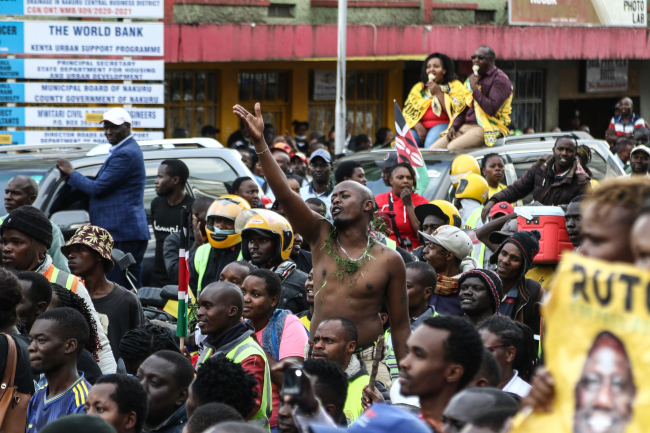
This study analyses the emergence of so-called “populist” political tendencies in three East African countries: Kenya, Uganda and Tanzania. It builds its analysis on a wider discussion of the term “populism”, its use and applicability in (eastern) African settings before going on to examine the drivers of three cases of populism: William Ruto’s 2022 election victory in Kenya and the “Hustler Nation”; Bobi Wine’s opposition to Yoweri Museveni in Uganda; and John Magufuli highly personal style of government in Tanzania.
The Revenue Sources Sustaining Sudan’s Civil War. Lessons for the year 2023
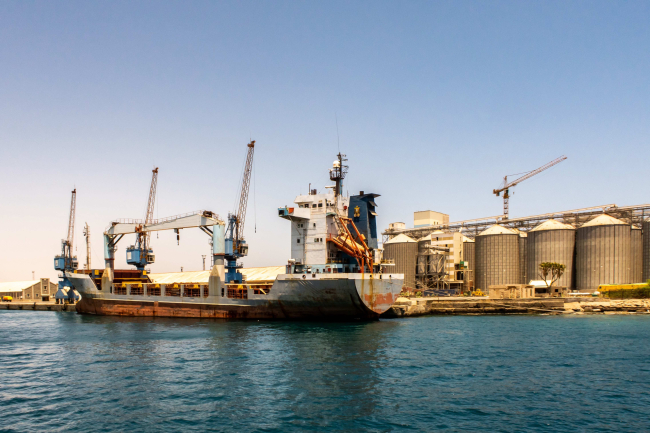
Wars require money and resources, and often, most conflicts involve controlling sources of income and supply lines or denying them to enemies. This has been the case in Sudan’s past conflicts and is again as the civil war—between the Sudan Armed Forces (SAF), commanded by General Abdelfattah al-Burhan, and the paramilitary Rapid Support Forces (RSF), commanded by General Mohammed Hamdan Daglo “Hemedti” —has sunk into a protracted conflict.
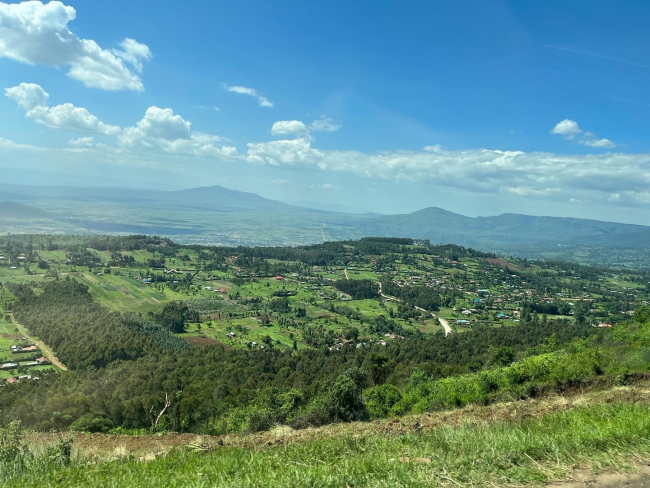
Anglo-Kenyan Relations (1920-2024) : Conflict, Alliance and a Redemptive Arc
This article provides an evidentiary basis for postcolonial policy in its analysis of Anglo-Kenyan relations in a decolonization era.
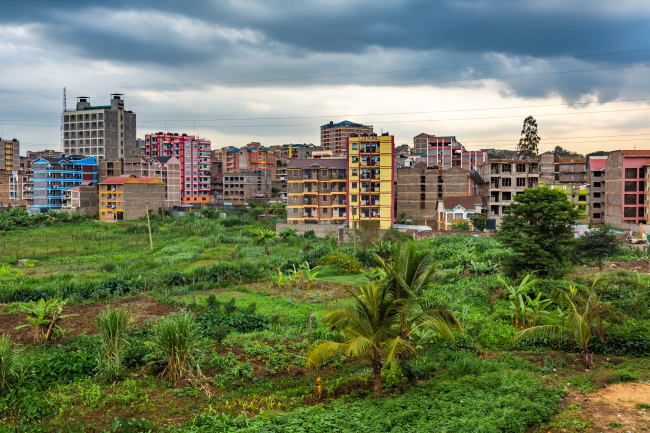
Barriers and Adaptations To Rural-Urban Mobility: A Focus of the Milk Value Chain in Peri-Urban Nairobi, Kenya
Kenya has per capita milk consumption of 110 litters of milk per year, making the inhabitants the largest milk consumers in sub-Saharan Africa. The daily sector requires functional infrastructure adapted to weather conditions, as well as affordable and easily accessible means of transport. However, only 18% of Kenya's road network is considered to be in good condition . As a result, farmers take alternative routes, reduce the number of trips, or limit their sales to the urban periphery. The daily transport of milk along the 47-kilometer urban-rural continuum in the peri-urban area north of Nairobi illustrates the reciprocal links between urban and rural areas and the dynamics of peri-urbanization. The challenges of the flow of milk along the value chain are intrinsically linked to those of mobility, which creates the connection between production, the exchange of goods and services, and consumption.
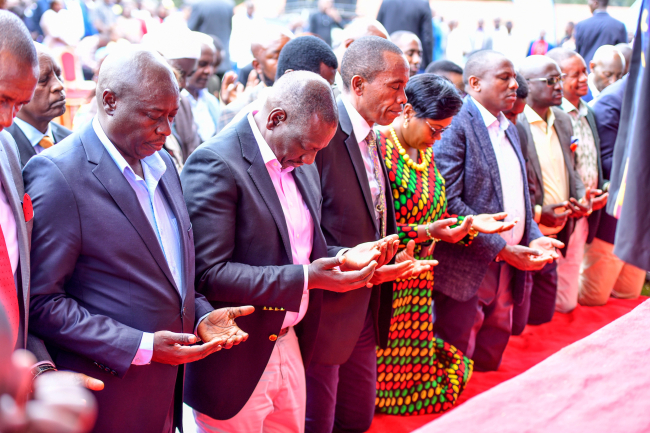
Kenya’s Spiritual President and The Making of a Born-Again Republic: William-Ruto, Kenya’s Evangelicals and Religious Mobilizations in African Electoral Politics
Over the last two decade, the growing influence of Evangelicals and their leaders in electoral politics is one of the most significant developments in the East African region and the Horn of Africa. Their numerical and demographic growth seems to go together with their growing influence in these countries’ political scenes, especially in the spheres of electoral politics, society, and governance.
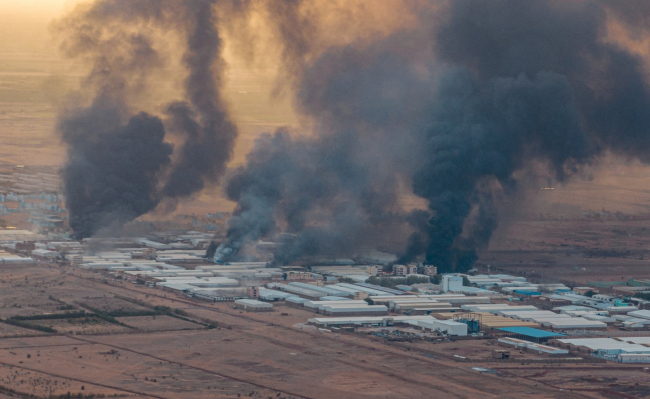
Gulf States: A Paradoxical Economic Lifeline for Sudan
For decades, Gulf states have provided crucial financial assistance to Sudan. Gulf interest in Sudan is driven by economic benefits and geopolitical competition, though each country has its own interests and approach.

Cross-border Dynamics in Terrorist Mobility and Infiltration along the East African Coastlines
This paper looks at how terrorism has thrived in the East African region, the evolving nature of criminality and terrorism, and the crime-terror nexus in the coastal and maritime areas of East Africa. The emphasis of the analysis is on the Kenyan coastal regions with a focus on three counties, namely, Kwale, Kilifi, and Lamu.
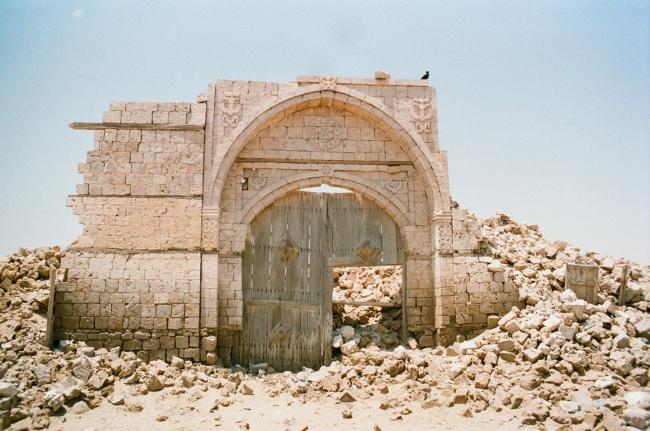
Sudan in Turkey’s African Geopolitics: A Sotto Voce Experience in a Coveted Region
Since the launch of the Opening Plan to Africa in 2003, Turkey's African policy has spread to the whole of the African continent, where its involvement is distinguished by its scope and diversity.
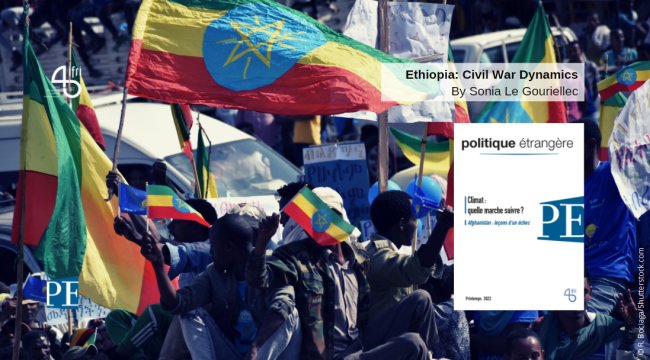
Ethiopia: Civil War Dynamics
Ethiopia has been in a state of civil war since November 2020. The hostilities have already gone through several phases.

From Friends to Partners? The Changing Nature of Sino-Tanzanian Relations
Since the post-colonial period, China and Tanzania have maintained a close diplomatic relationship. This note offers a subtle analysis of the changing relationship between both countries since the 1960s. It assesses the economic ties and studies the collaboration of both countries in the agriculture, health, education and security sectors.
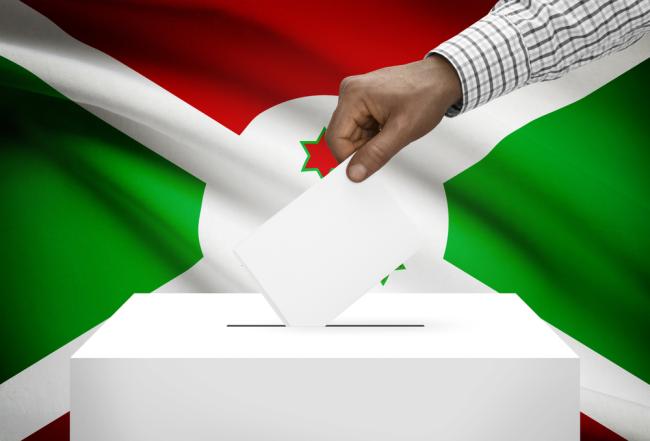
Post-Nkurunziza : The Total Supremacy of the CNDD-FDD
Despite the coronavirus pandemic and the passing of President Pierre Nkurunziza on June 8, 2020, the election cycle (presidential, legislative, senatorial, communal and hillside elections) have been upheld and went smoothly. Not only has the ruling party, the National Council for the Defense of Democracy-Forces for the Defense of Democracy (CNDD-FDD) remained in power, but it has also consolidated its dominance over an institutional system that had been modified with the 2018 constitutional revision.
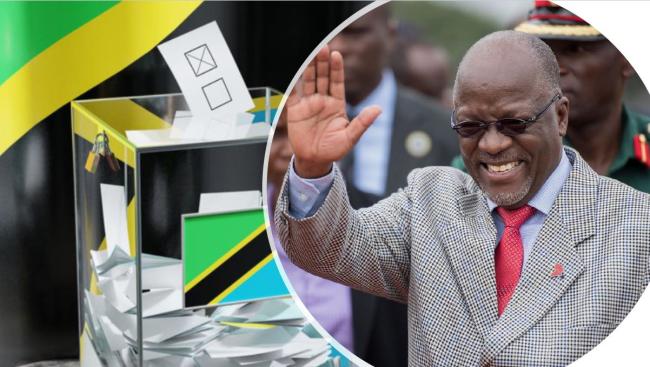
Tanzania’s 2020 Election: Return of the One-Party State
Beginning with early voting in Zanzibar on October 27, 2020, Tanzanians went to the polls in a general election for district councilors, Members of Parliament (MPs) and the President. As official results began to be declared, it became clear that Tanzania’s long-time ruling party, Chama Cha Mapinduzi, had won a landslide.
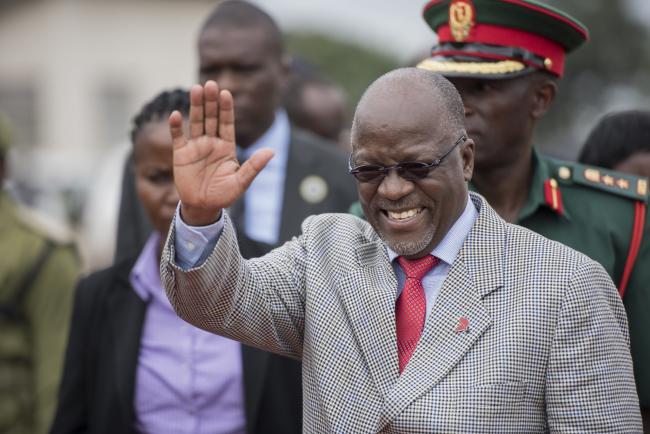
Tanzania’s 2020 General Elections between Repression and Manipulation. A Consolidation of Magufuli’s “Authoritarian Turn”?
Tanzanian voters were called to the polls on Wednesday, October 28, 2020 to elect the country’s main political institution – the President, the National Assembly, and the District Councillors (diwani). Without surprise, the outcome of the sixth general elections since the reintroduction of multiparty politics in 1992 reaffirmed the longstanding grip on power of Chama Cha Mapinduzi (CCM).
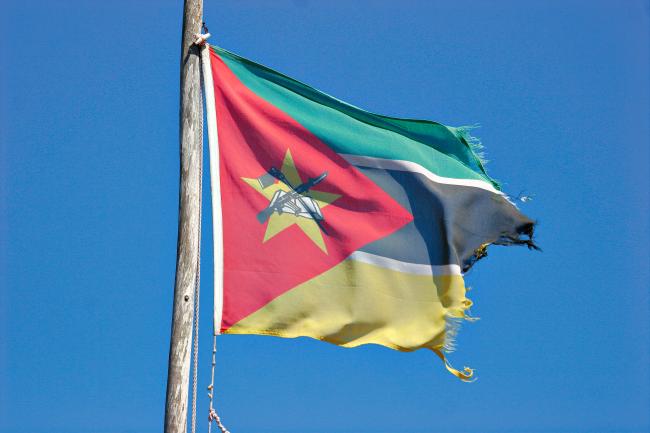
The Resurgence of Conflict in Mozambique. Ghosts from the Past and Brakes to Peaceful Democracy
2016 proved to be a most challenging year for Mozambique. Small-scale conflict, which started reappearing between the government and the opposition party, the Mozambican National Resistance (Renamo), in 2013, intensified over the course of the year, whilst peace negotiations stalled.
State of Emergency in Ethiopia: New Far East, Old Far West
Up until recently, little attention has been paid to the crisis which the Ethiopian regime has nonetheless been sinking into for more than two years. The rare spotlights focused on this country have praised its economic performance, describing it as a new “Far East” or even an “African lion”. The violence and imprisonment aimed at activists, journalists, and a good many citizens have remained hidden.
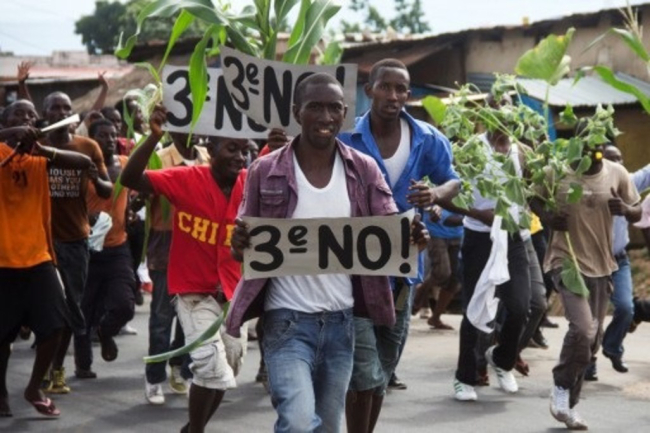
Burundi: Unravelling the Peace
Since achieving independence in 1962, Burundi has experienced several episodes of civil war, the last of which came to end when the Arusha Accord was signed in 2000. The gradual return to peace in the wake of the Arusha Accord has been jeopardised by Pierre Nkurunziza’s announcement on 25th April 2015 that he would stand as a candidate for the presidency.

Somalia, the Modern Sisyphus?
Since gaining independence in 1960, Somalia has enjoyed only a few periods of stability.
Sudan Wartime Online Propaganda
In the Sudan conflict, the propaganda battle between the Sudan Armed Forces (SAF) and the Rapid Support Forces (RSF) on mainstream and social media makes it hard to distinguish real, false, and manipulated information. Furthermore, the lack of field press coverage allows fake and misleading news to spread more easily. Although the SAF and RSF work hard to shape the war narrative by building large supporter networks and using various methods such as disinformation and censorship, it is clear they no longer fully control the flow of information. Social media analysis shows that Sudanese politicians, military figures, influencers, and followers weave a tangled web of exchanges filled with rivalries, lies, and propaganda.
Claiming "The People": Youth Booms, Ailing Authoritarians and "Populist" Politics in Kenya, Uganda, and Tanzania
This study analyses the emergence of so-called “populist” political tendencies in three East African countries: Kenya, Uganda and Tanzania. It builds its analysis on a wider discussion of the term “populism”, its use and applicability in (eastern) African settings before going on to examine the drivers of three cases of populism: William Ruto’s 2022 election victory in Kenya and the “Hustler Nation”; Bobi Wine’s opposition to Yoweri Museveni in Uganda; and John Magufuli highly personal style of government in Tanzania.
The Revenue Sources Sustaining Sudan’s Civil War. Lessons for the year 2023
Wars require money and resources, and often, most conflicts involve controlling sources of income and supply lines or denying them to enemies. This has been the case in Sudan’s past conflicts and is again as the civil war—between the Sudan Armed Forces (SAF), commanded by General Abdelfattah al-Burhan, and the paramilitary Rapid Support Forces (RSF), commanded by General Mohammed Hamdan Daglo “Hemedti” —has sunk into a protracted conflict.
Anglo-Kenyan Relations (1920-2024) : Conflict, Alliance and a Redemptive Arc
This article provides an evidentiary basis for postcolonial policy in its analysis of Anglo-Kenyan relations in a decolonization era.
Barriers and Adaptations To Rural-Urban Mobility: A Focus of the Milk Value Chain in Peri-Urban Nairobi, Kenya
Kenya has per capita milk consumption of 110 litters of milk per year, making the inhabitants the largest milk consumers in sub-Saharan Africa. The daily sector requires functional infrastructure adapted to weather conditions, as well as affordable and easily accessible means of transport. However, only 18% of Kenya's road network is considered to be in good condition . As a result, farmers take alternative routes, reduce the number of trips, or limit their sales to the urban periphery. The daily transport of milk along the 47-kilometer urban-rural continuum in the peri-urban area north of Nairobi illustrates the reciprocal links between urban and rural areas and the dynamics of peri-urbanization. The challenges of the flow of milk along the value chain are intrinsically linked to those of mobility, which creates the connection between production, the exchange of goods and services, and consumption.
Kenya’s Spiritual President and The Making of a Born-Again Republic: William-Ruto, Kenya’s Evangelicals and Religious Mobilizations in African Electoral Politics
Over the last two decade, the growing influence of Evangelicals and their leaders in electoral politics is one of the most significant developments in the East African region and the Horn of Africa. Their numerical and demographic growth seems to go together with their growing influence in these countries’ political scenes, especially in the spheres of electoral politics, society, and governance.
Gulf States: A Paradoxical Economic Lifeline for Sudan
For decades, Gulf states have provided crucial financial assistance to Sudan. Gulf interest in Sudan is driven by economic benefits and geopolitical competition, though each country has its own interests and approach.
Cross-border Dynamics in Terrorist Mobility and Infiltration along the East African Coastlines
This paper looks at how terrorism has thrived in the East African region, the evolving nature of criminality and terrorism, and the crime-terror nexus in the coastal and maritime areas of East Africa. The emphasis of the analysis is on the Kenyan coastal regions with a focus on three counties, namely, Kwale, Kilifi, and Lamu.
Sudan in Turkey’s African Geopolitics: A Sotto Voce Experience in a Coveted Region
Since the launch of the Opening Plan to Africa in 2003, Turkey's African policy has spread to the whole of the African continent, where its involvement is distinguished by its scope and diversity.
The Resurgence of Conflict in Mozambique. Ghosts from the Past and Brakes to Peaceful Democracy
2016 proved to be a most challenging year for Mozambique. Small-scale conflict, which started reappearing between the government and the opposition party, the Mozambican National Resistance (Renamo), in 2013, intensified over the course of the year, whilst peace negotiations stalled.
Ifri, a foundation recognized as being of public utility, relies largely on private donors – companies and individuals – to guarantee its sustainability and intellectual independence. Through their funding, donors help maintain the Institute's position among the world's leading think tanks. By benefiting from an internationally recognized network and expertise, donors refine their understanding of geopolitical risk and its consequences on global politics and the economy. In 2026, Ifri partners with over 90 French and international companies and organizations.

The East and Central Africa Observatory is a 3-year research project (2023-2025) that Ifri is carrying out jointly with the French Institute of Research in Africa (IFRA) in Nairobi for the French Ministry of Defense, and more specifically its International Relations and Strategy Division (DGRIS). This observatory focuses on the main political, security and geopolitical developments taking place in the geographical areas covered by itself. This is achieved through the regular production of research notes, in English or French and the organization of an annual seminar around a key theme. For our research notes and conferences, we call on internationally acknowledged experts in the topics covered. This Observatory began in 2016, under the title of Observatory of Central and Southern Africa within Ifri's Sub-Saharan Africa Center. 55 notes were drafted between 2016 and 2020.

Founded in 2007, Ifri's Sub-Saharan Africa center produces an in-depth analysis of the African continent and its security, geopolitical, political and socio-economic dynamics (in particular the phenomenon of urbanization). The Center aims to be both, through various publications and conferences, a space for disseminating analyzes intended for the media and the public but also a decision-making tool for political and economic actors with regard to the continent.
The center produces analyses for various organizations such as the Ministry of the Armed Forces, the Ministry of Europe and Foreign Affairs, the Organization for Economic Cooperation and Development (OECD), the French Development Agency (AFD) and even for various private supports. Its researchers are regularly interviewed by parliamentary committees.
The organization of events of various formats complements the production of analyzes by bringing the different spheres of the public space (academic, political, media, economic and civil society) to meet and exchange analytical tools and visions of the continent. The Sub-Saharan Africa Center regularly welcomes political leaders from different sub-Saharan African countries.