
Russia
Russia is asserting itself as an imperial power. Isolated since its invasion of Ukraine, it is seeking to strengthen its ties with non-Western countries. At home, Vladimir Putin's regime is hardening.
Related Subjects
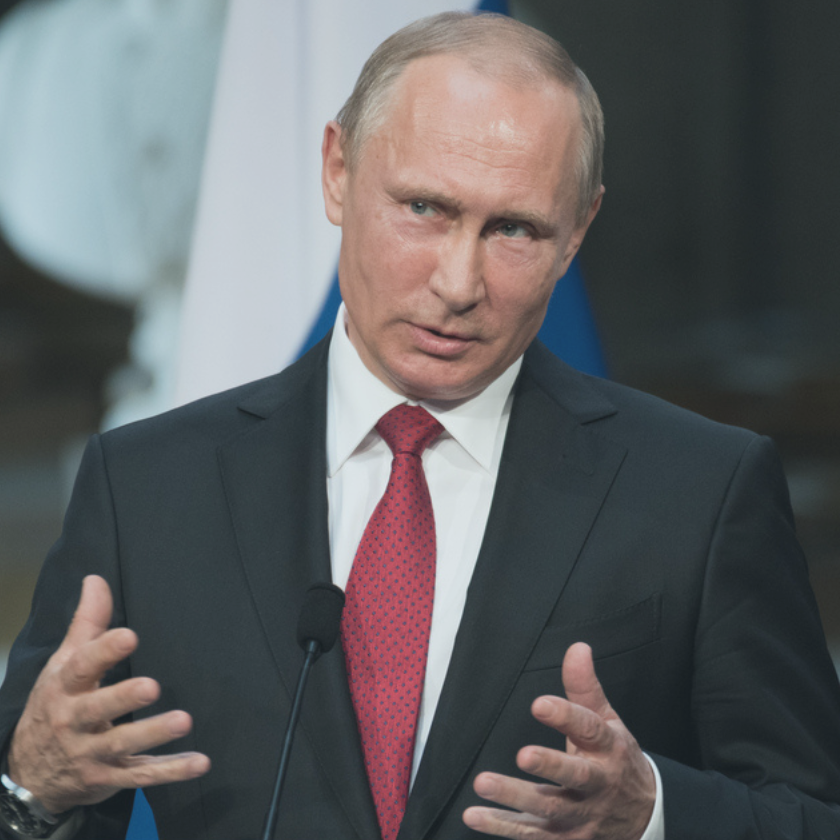

Rosneft, Gazprom and the Government: the Decision-making Triangle on Russia's Energy Policy
Russia finds itself exposed to many risks in the fast-moving global revolution in energy affairs, and cannot avail of its opportunities despite its unique combination of natural resources and experience in their exploitation. It has entered the phase of economic stagnation, and the under-performance of the energy sector is one of the key determinants of the durability of this trend.
Russian LNG: The Long Road to Export
On 1 December 2013 a law on the export liberalization of liquefied natural gas (LNG) came into legal force in Russia. The law allows some categories of companies other than Russia's state gas giant Gazprom and its subsidiary companies to have LNG export rights.
France, Germany, Turkey: A New Triangle of Powers
Relations between Germany, France and Turkey have been strictly bilateral for a long time, with varying intensity, styles and areas of cooperation. The European perspective that is now part of these relations has introduced a three-way dynamic.
Governors, Oligarchs, and Siloviki: Oil and Power in Russia
The contest for control of Russia's oil industry has been an integral feature of the country's politics ever since the collapse of the Soviet Union.
Beyond the "Arab Spring": Russia's Security Interests in the Middle East
The reconfiguration of the regional system of international relations as a result of the Arab revolutions has engendered fresh challenges for Russia, related, amongst other things, to deteriorating relations with the USA and other Western powers.
The Expanding Chinese Footprint in Latin America: New Challenges for China, and Dilemmas for the US
The physical presence of China in Latin America is entering a phase of significant expansion, as the logical consequence of the rapid growth over the past decade of its trade, investment, and infrastructure for doing business in the region.
Russia, China and the United States: From Strategic Triangularism to the Postmodern Triangle
Over the past decade, there has been much talk about a new world order, in which American "unipolarity" would be superseded by more equal arrangements between the great powers. One such idea is a return to the Russia-China-US triangle. In truth, however, the time for such geopolitical schemes has long passed.
NATO: A View from Central Europe
Poland is not just concerned with the usefulness of the Alliance, but also with what can be done to make it more effective, and to maintain its relevance and good health in the decades ahead.
NATO and Russia Viewed from Moscow
A new window of opportunity seems to be opening up for NATO and Russia, to re-think their relationship and how to institutionalize it through binding agreements and a permanent decision-making mechanism.
NATO-Russia: Is the ‘Russian Question’ European?
The proliferation of theaters (in Europe, the Caucasus, Central Asia, the Far East, the Middle East and the Arctic) and cross-cutting issues (proliferation, disarmament, energy, arms sales) demonstrate the overall importance of the NATO/Russia relationship.
Support independent French research
Ifri, a foundation recognized as being of public utility, relies largely on private donors – companies and individuals – to guarantee its sustainability and intellectual independence. Through their funding, donors help maintain the Institute's position among the world's leading think tanks. By benefiting from an internationally recognized network and expertise, donors refine their understanding of geopolitical risk and its consequences on global politics and the economy. In 2025, Ifri supports more than 80 French and foreign companies and organizations.