






Russian Economy
The Russian economy is evolving under the impact of the war in Ukraine, Western sanctions, and Moscow’s reorientation of trade toward new partners.
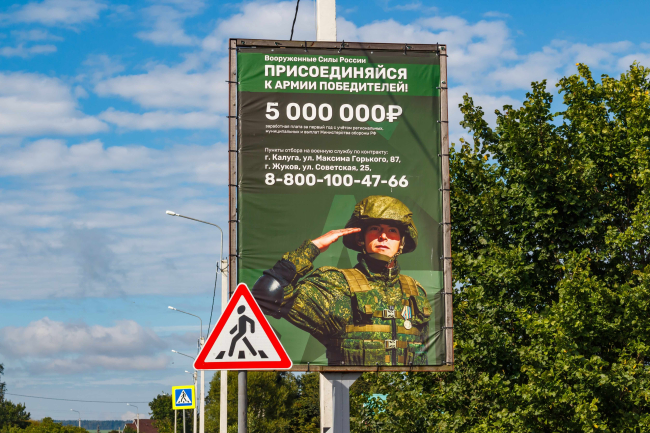
Deathonomics: The Social, Political, and Economic Costs of War in Russia
The report attempts to outline and examine a truly new phenomenon in Russian society, dubbed “deathonomics”—the making of a mercenary army against the backdrop of the Kremlin’s war in Ukraine, eventually replacing both the Soviet (conscript) and early new Russian (contract) armies. It notes that, by the end of 2023, this trend had turned the military service into one of the highest-paying professions in the country, something not seen in Russia on such a scale since the late 17th century.

New Cold War? What New Cold War? Confronting the Geoeconomic Fragmentation Narrative with the Data
It has become widely accepted that the world economy should be seen as increasingly shaped by forces of fragmentation, resulting from geopolitical tensions. This article takes another look at this narrative, using international trade data. While an aggregate analysis is consistent with a new Cold War narrative, whereby international trade is increasingly seen as split into two blocs, this is only a mix of very different outcomes. Far from being a widespread trend, geoeconomic fragmentation of trade flows is only significant in “hotspots”: Russia's foreign trade and China-US bilateral exchanges, and the impact is massive in these cases. Outside these “hotspots”, there is no tangible sign that geopolitical tensions have been shaping international trade patterns in terms of blocs, nor is there any hint of a trend toward nearshoring – to the contrary, in fact.
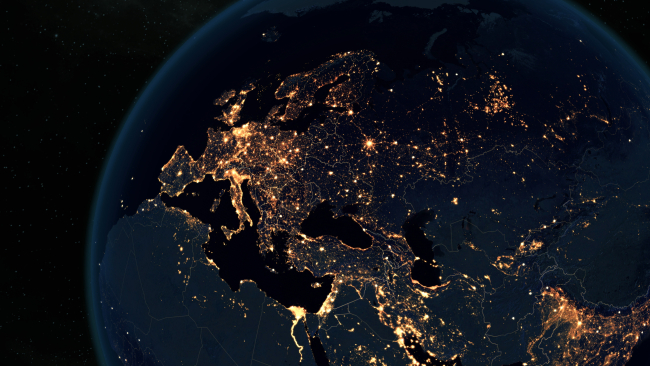
Europe-Russia: Balance of Power Review
European countries can no longer avoid the "Russian question," as Russia has chosen war. They have the necessary potential—that is, the economic means, military capabilities, and technological expertise—to face Russia by 2030, provided they demonstrate the political will to do so.
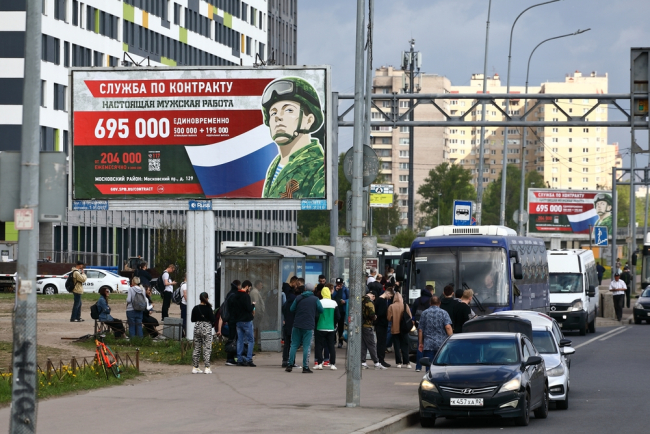
War as Social Elevator: The Socioeconomic Impact of Russian Military Keynesianism
In order to finance its war effort, the Russian state has spent substantial sums of money and implemented a form of “military Keynesianism” that is transforming society at both the socioeconomic and cultural levels. This has partially rebalanced the wide disparities in wealth, levels of consumption, and social prestige in Russian society by granting significant financial and symbolic advantages to peripheral Russia, which has long been overlooked by the central government.
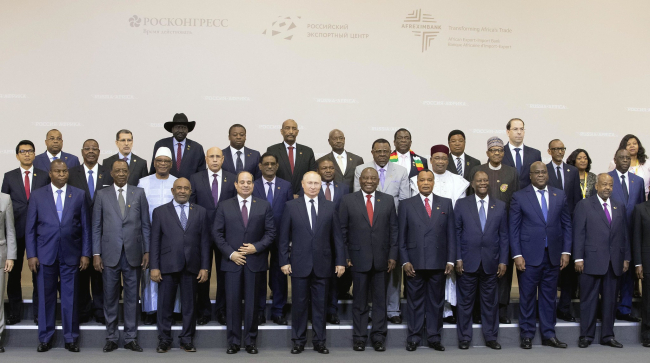
The Contradictory Impacts of Western Sanctions on Economic Relations between Russia and Sub-Saharan Africa
How does Russia maintain economic ties with Africa despite Western sanctions? An analysis of investments, trade, and the circumvention strategies deployed by Moscow.
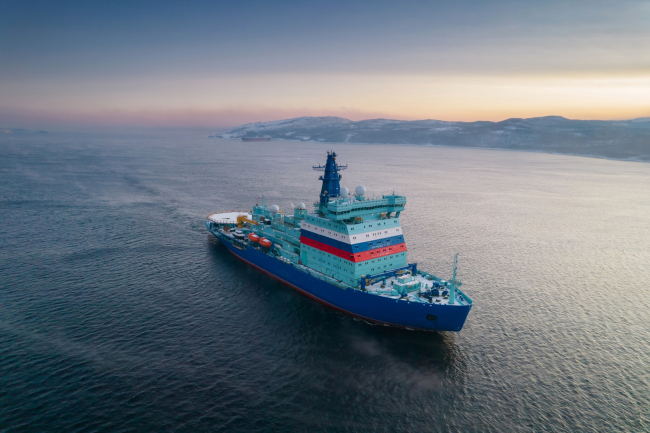
Russia in the Arctic: The End of Illusions and the Emergence of Strategic Realignments
Russia’s full-scale invasion of Ukraine has triggered profound changes in the Arctic region, the consequences of which remain uncertain in the long term.
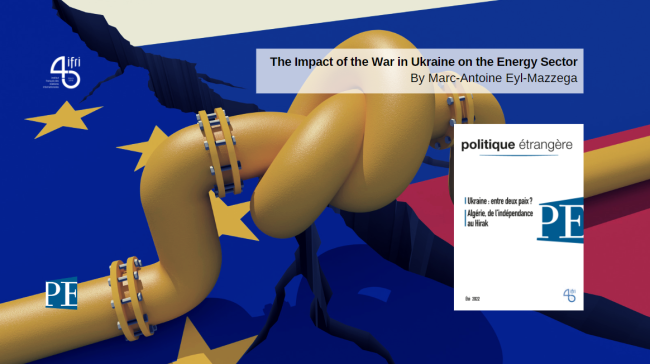
The Impact of the War in Ukraine on the Energy Sector
The outbreak of war in Ukraine dealt a shock to energy markets.

The arrest of Russian cybersecurity titan Ilya Sachkov
Our main story this week is the treason case against Ilya Sachkov, the 35-year-old CEO of the cybersecurity firm Group-IB. On Wednesday morning, September 29, hours after officials raided the company’s Moscow office, a local court jailed Sachkov for the next two months, pending trial.
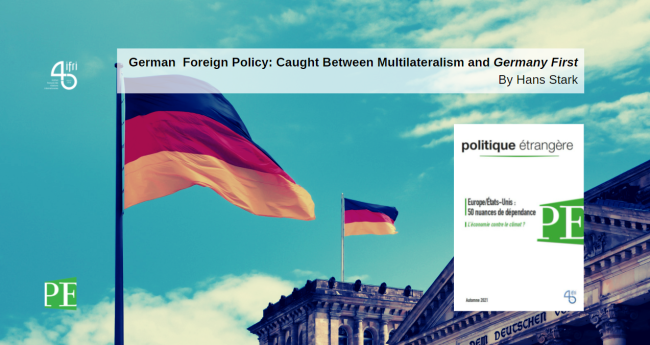
German Foreign Policy: Caught Between Multilateralism and Germany First
Underneath the rhetoric of commitment to a multilateral order, Germany's policy seems to be mainly structured around its national interests.
Does Russia still have an "energy weapon"?
What are the Current Challenges for Gazprom and Russia’s Energy Policy? What are the Gas Risks for Europe? Is the Nord Stream-II a Risk or an Opportunity for Europe?
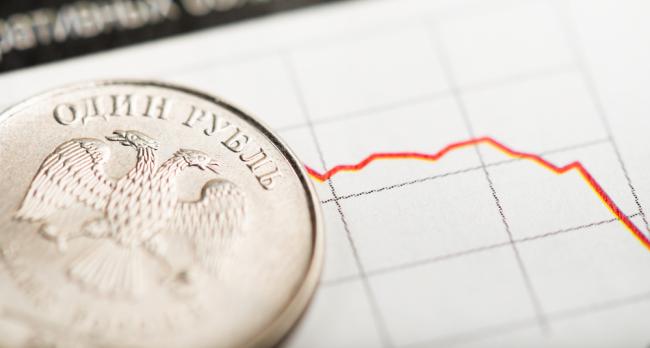
Russia's Economic Modernization: The Causes of a Failure
In this short study of attempts that have been made in recent years to modernize the Russian economy, the author explains why they have all ended in failure. Unlike most experts, he focuses on politics and ideology.
Energy Relations between Russia and China: Playing Chess with the Dragon
Post-sanctions Russia-China energy relations: what expectations?
Shifting Political Economy of Russian Oil and Gas
Dramatic changes in the Russian energy strategy and energy-based political alliances are to be expected due to the evolution of the domestic oil and gas market resulting from the economic crisis and sanctions linked to the annexation of Crimea.
The Political and Commercial Dynamics of Russia's Gas Export Strategy
A wide-ranging look at the way Gazprom interacts with an increasingly challenging global gas market for Russia.
"Green Economy": Opportunities and Constraints for Russian Companies
The article explores the importance of a transition to a “green economy” for Russia, as well as the potential opportunities and constraints for its national businesses.
Raising the Costs to President Putin
-by building dissonance within. Some like to remember fondly the call by Ronald Reagan for Gorbachev “to tear down this wall”. The United States “Won the Cold War” said George Bush Senior in his State of the Union Address. We need to step back and recognize with some humility that the Soviet Union fell largely of its own weight rather than as a result of external pressure. Again today Russia is economically weak. It has become an exporter of raw materials, its industrial sector is weak, and its revenues are already falling. Conditions now offer the opportunity to aggravate Russia’s economic frailty – let’s focus on that.
The Russian Internet Economy
The Russian Internet economy is demonstrating a substantial rate of growth, one that is significantly outperforming the rest of the domestic economy. According to joint research by the Higher School of Economics and the Russian Association of Electronic Communications, while in 2011 the Internet economy accounted for just 1% of Russia’s GDP, it was expected to grow at a rate of about 30% in 2012. According to BCG reports, the Internet contributed to 1.9% of Russian GDP in 2010, and is expected to grow by up to 2.8% by 2016. E-commerce, which combines retail and electronic payment systems, accounts for the large majority of the Internet economy, but other segments are also growing. Advertising is the fastest growing part of the Russian Internet economy, growing at a rate of 50% annually.
Deathonomics: The Social, Political, and Economic Costs of War in Russia
The report attempts to outline and examine a truly new phenomenon in Russian society, dubbed “deathonomics”—the making of a mercenary army against the backdrop of the Kremlin’s war in Ukraine, eventually replacing both the Soviet (conscript) and early new Russian (contract) armies. It notes that, by the end of 2023, this trend had turned the military service into one of the highest-paying professions in the country, something not seen in Russia on such a scale since the late 17th century.
New Cold War? What New Cold War? Confronting the Geoeconomic Fragmentation Narrative with the Data
It has become widely accepted that the world economy should be seen as increasingly shaped by forces of fragmentation, resulting from geopolitical tensions. This article takes another look at this narrative, using international trade data. While an aggregate analysis is consistent with a new Cold War narrative, whereby international trade is increasingly seen as split into two blocs, this is only a mix of very different outcomes. Far from being a widespread trend, geoeconomic fragmentation of trade flows is only significant in “hotspots”: Russia's foreign trade and China-US bilateral exchanges, and the impact is massive in these cases. Outside these “hotspots”, there is no tangible sign that geopolitical tensions have been shaping international trade patterns in terms of blocs, nor is there any hint of a trend toward nearshoring – to the contrary, in fact.
Europe-Russia: Balance of Power Review
European countries can no longer avoid the "Russian question," as Russia has chosen war. They have the necessary potential—that is, the economic means, military capabilities, and technological expertise—to face Russia by 2030, provided they demonstrate the political will to do so.
War as Social Elevator: The Socioeconomic Impact of Russian Military Keynesianism
In order to finance its war effort, the Russian state has spent substantial sums of money and implemented a form of “military Keynesianism” that is transforming society at both the socioeconomic and cultural levels. This has partially rebalanced the wide disparities in wealth, levels of consumption, and social prestige in Russian society by granting significant financial and symbolic advantages to peripheral Russia, which has long been overlooked by the central government.
The Contradictory Impacts of Western Sanctions on Economic Relations between Russia and Sub-Saharan Africa
How does Russia maintain economic ties with Africa despite Western sanctions? An analysis of investments, trade, and the circumvention strategies deployed by Moscow.
Russia in the Arctic: The End of Illusions and the Emergence of Strategic Realignments
Russia’s full-scale invasion of Ukraine has triggered profound changes in the Arctic region, the consequences of which remain uncertain in the long term.
Energy Relations between Russia and China: Playing Chess with the Dragon
Post-sanctions Russia-China energy relations: what expectations?
Shifting Political Economy of Russian Oil and Gas
Dramatic changes in the Russian energy strategy and energy-based political alliances are to be expected due to the evolution of the domestic oil and gas market resulting from the economic crisis and sanctions linked to the annexation of Crimea.
The Political and Commercial Dynamics of Russia's Gas Export Strategy
A wide-ranging look at the way Gazprom interacts with an increasingly challenging global gas market for Russia.
Raising the Costs to President Putin
-by building dissonance within. Some like to remember fondly the call by Ronald Reagan for Gorbachev “to tear down this wall”. The United States “Won the Cold War” said George Bush Senior in his State of the Union Address. We need to step back and recognize with some humility that the Soviet Union fell largely of its own weight rather than as a result of external pressure. Again today Russia is economically weak. It has become an exporter of raw materials, its industrial sector is weak, and its revenues are already falling. Conditions now offer the opportunity to aggravate Russia’s economic frailty – let’s focus on that.
The arrest of Russian cybersecurity titan Ilya Sachkov
Our main story this week is the treason case against Ilya Sachkov, the 35-year-old CEO of the cybersecurity firm Group-IB. On Wednesday morning, September 29, hours after officials raided the company’s Moscow office, a local court jailed Sachkov for the next two months, pending trial.
Does Russia still have an "energy weapon"?
What are the Current Challenges for Gazprom and Russia’s Energy Policy? What are the Gas Risks for Europe? Is the Nord Stream-II a Risk or an Opportunity for Europe?
Ifri, a foundation recognized as being of public utility, relies largely on private donors – companies and individuals – to guarantee its sustainability and intellectual independence. Through their funding, donors help maintain the Institute's position among the world's leading think tanks. By benefiting from an internationally recognized network and expertise, donors refine their understanding of geopolitical risk and its consequences on global politics and the economy. In 2026, Ifri partners with over 90 French and international companies and organizations.
