
Siloviki: What Influence on Russia's Domestic and Foreign Policy?
3 questions to Mark GALEOTTI, Senior Researcher at the Institute of International Relations Prague, Director of Mayak Intelligence consultancy.
European Security – Challenges at the Societal Level
Relations between Russia and the West have deteriorated dramatically in recent years. The institutional foundations of cooperative security in Europe and the rules and principles they represent are rapidly disappearing.
What evolution of US-Russia relationship after Trump’s election? A Russian point of view
3 questions to Andrey KORTUNOV, Director General of the Russian International Affairs Council (RIAC).
What evolution of US-Russia relationship after Trump’s election? An American point of view
3 questions to Stephen SZABO, Executive Director, Transatlantic Academy.
The Far Right in the Conflict between Russia and Ukraine
From the very beginning, the armed conflict that broke out in the Donbass in the spring of 2014 drew in right-wing radicals, on the Ukrainian as well as on the Russian side. Organised ultra-nationalist groups and individual activists established their own units of volunteers or joined existing ones.

The Atlantic Partnership’s Trial of Multipolarity: End of Illusions
European solidarity seems to be breaking down just as Europe is becoming a lesser factor in American strategy and alongside the proliferation of divergent poles affirming the differences of interests on the international scene.
War’s Indirection or the Return of the Limited War
Over the last few years both the United States and Russia seem to have changed their conception of how to deploy force.
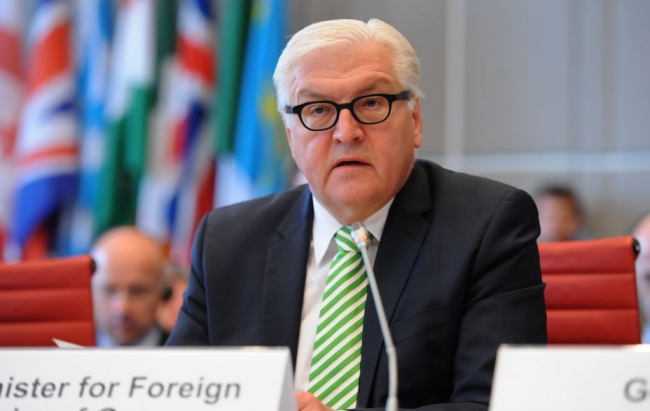
The German OSCE Chairmanship in 2016: Towards a renewed dialogue with Russia?
The Organization for Security and Cooperation in Europe (OSCE) represents the perfect framework for discussion of pan-European security issues thanks to its unique composition - fifty-seven member states of the Euro-Atlantic sphere, including the United States and Russia. The OSCE remains indeed one of the few forums of institutionalized dialogue between Western countries and Moscow and the only one to also include Washington.
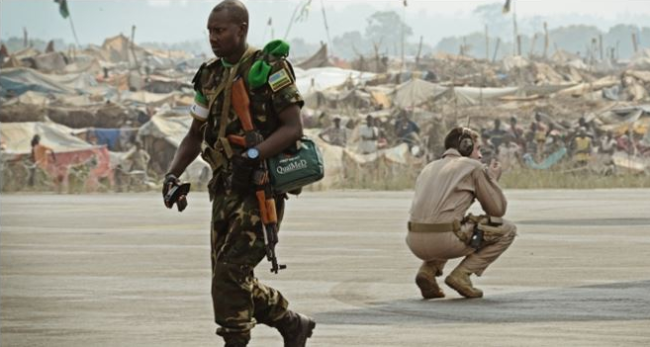
Thinking and Anticipating the Socio-Economic Impacts of the Humanitarian Response in the Central African Republic
Nowadays, the Central African Republic (CAR) is a country dependent on international aid.
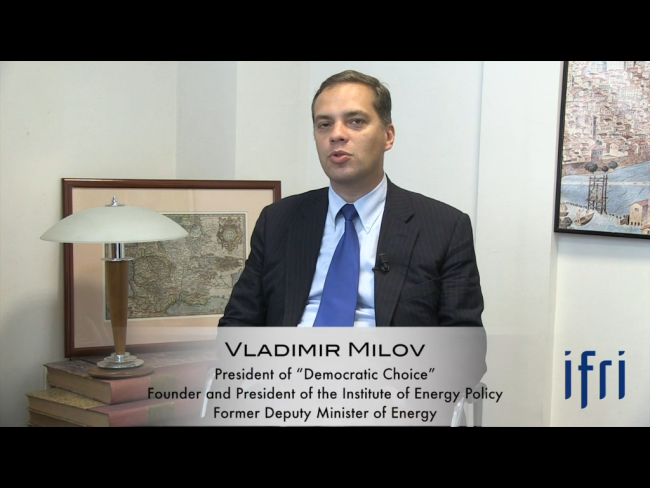
"Russia New Energy Alliances: Mythology versus Reality", Interview with Vladimir MILOV
"Past year has been marked not only with the Ukrainian crisis and unprecedented tensions in political relations between Russia and the West, but also with somewhat radical change of Moscow’s approach to international energy affairs. Widely promoted new energy partnerships with countries like China and Turkey were supposed to demonstrate that Russia has a choice of alternatives for mass-scale international energy cooperation, as compared to previous domination of European dimension, and if West wishes to cut ties with the Kremlin, Russia has somewhere else to go.
Does Russia really have an option of developing new international energy partnerships comparable in scale and significance to those with Europe as the consumer of energy, and with Western IOCs as key agents helping to secure further exploration and development of Russian oil & gas resources?"
Crimea: The Contradictions of Russia’s Line
After denying Russian intervention in Crimea, President Putin ultimately recognized that it indeed happened and then used fallacious arguments to justify it.
Potemkin observers
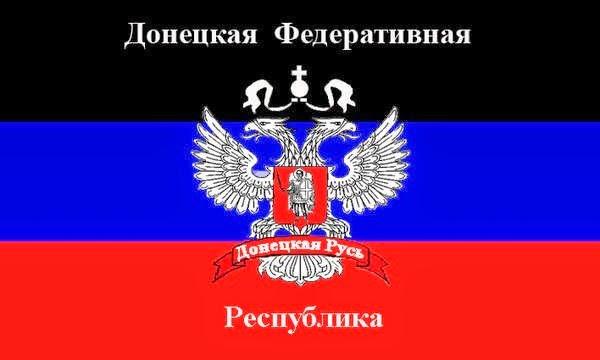
Rebel commander Alexander Zakharchenko smiled only slightly on hearing that he had won this weekend's elections in Donetsk, Ukraine (pictured). The results were never in doubt: Mr Zakharchenko's nominal opponents openly supported him, and his face was the only one on campaign billboards. Nonetheless, eastern Ukraine's separatist republics went through the motions of democracy, including inviting international election observers. Those proved hard to find: while Russia has said it will respect the vote, America, the European Union, and the United Nations have all condemned it.
Les camps de réfugiés et la guerre : Du sanctuaire à l'enfermement humanitaire ?
Refugee and IDP camps, intended to protect civilians affected by conflicts and natural disasters, have an undeniable strategic importance, and their management can be critical for the resolution of crises.
Ifri, a foundation recognized as being of public utility, relies largely on private donors – companies and individuals – to guarantee its sustainability and intellectual independence. Through their funding, donors help maintain the Institute's position among the world's leading think tanks. By benefiting from an internationally recognized network and expertise, donors refine their understanding of geopolitical risk and its consequences on global politics and the economy. In 2026, Ifri partners with over 90 French and international companies and organizations.