







Russian Strategic Thinking and Culture Before and After February 24, 2022: Political-Strategic Aspects
Written by Dimitri Minic, the scientific article "Russian Strategic Thinking and Culture Before and After February 24, 2022: Political-Strategic Aspects" in Russia’s war against Ukraine: Complexity of Contemporary Clausewitzian War by the National Defence University Department of Warfare, Helsinki 2024.
Ditching U.S. Nuclear Protection in Europe: Will It Trigger a Nuclear Arms Race?
What if France takes over the U.S. role in providing nuclear deterrence for Europe? What happens to U.S. nuclear weapons stationed on the European continent? Could France’s increased nuclear security role lead to proliferation and a new arms race? Join us as we delve into European nuclear security, the Iranian nuclear program, and the roles of Russia and China in supporting Iran.

Russia in the Arctic: The End of Illusions and the Emergence of Strategic Realignments
Russia’s full-scale invasion of Ukraine has triggered profound changes in the Arctic region, the consequences of which remain uncertain in the long term.

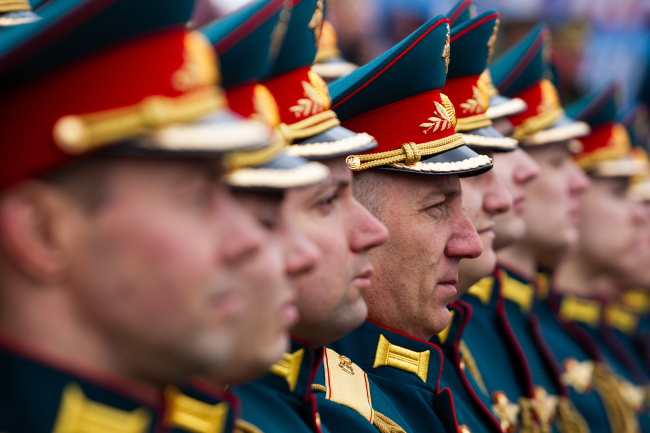
In Putin's wartime Russia, military corruption is suddenly taboo
To be sure government spending reaches the battlefield in Ukraine, President Vladimir Putin is suddenly putting high priority on purging Defense Ministry officials accused of corruption. Russia's war in Ukraine has turned out to be a powerful anti-corruption initiative — at least at the Ministry of Defense.
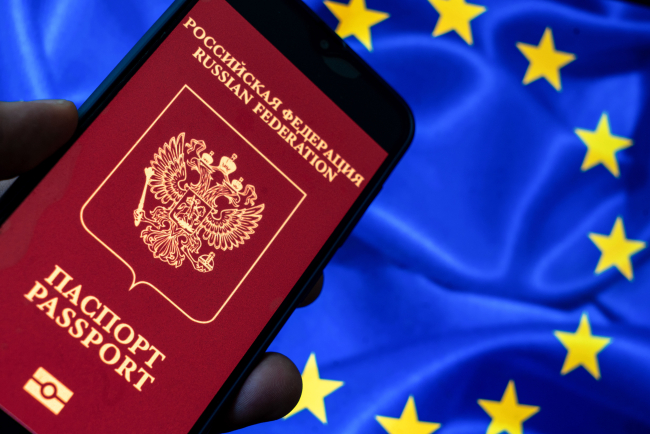
The New Russian Diaspora: Europe’s Challenge and Opportunity
This report assesses both the scale and the roots of the outward migration from the Russian Federation coinciding with Putin’s turning of Russia into an aggressive authoritarian state.

Populism and International Relations
Populism is flourishing, in Europe and elsewhere: a populist holds power today in Argentina and perhaps tomorrow in the United States. What does its spread say about our societies? And how is it shaping them, where populists rule? Do their economic policies stand any chance of success? Do their foreign policies have a greater impact on the world around them or at home? If “Trump 2.0” comes to be, will he have a free hand? If so, what can we expect?
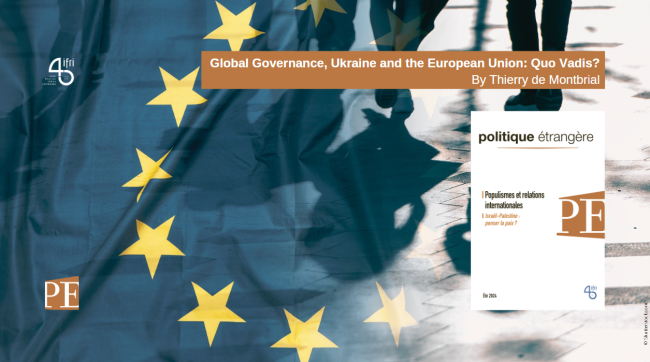
Global Governance, Ukraine, and the European Union: Quo Vadis?
The technological revolution of the latter half of the twentieth century, 9/11, and the 2007–2008 financial crisis have delimited the West’s dream of harmonious globalization.

Germany and France agree Ukraine may strike Russian Military Targets
German Chancellor Olaf Scholz said Germany would not prohibit Ukrainian attacks on Russian military targets, saying Ukraine "is allowed to defend itself."
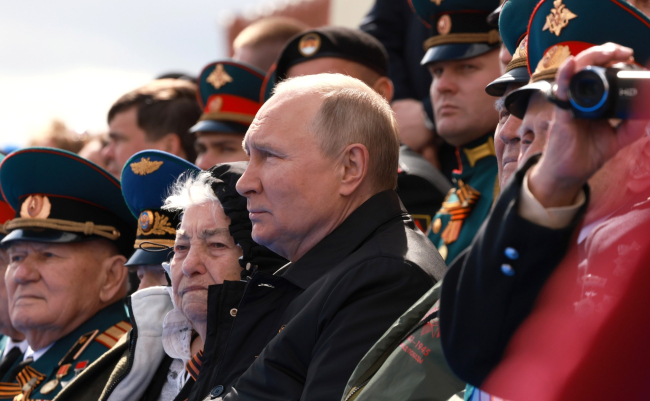
Russia’s Ideological Construction in the Context of the War in Ukraine
Since the full-scale invasion of Ukraine on February 24, 2022, the Russian government has been proactive in the ideological realm to ensure the sustainability of the war for Russian society.
The World Through the Lens of Ukraine
This issue of Politique étrangère looks at three conflicts currently unfolding around the world.

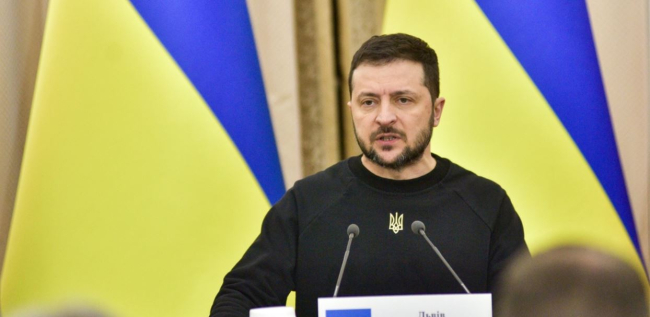
Cracks In Western Support Pose New Challenge For Ukraine
Ukraine faces growing diplomatic headwinds after its summer counter-offensive against Russia's forces faltered, with aid from vital backers in the United States and EU being increasingly called into question.
The South versus the West?
In 2023, forums that amplify the voice of the “Global South” have proliferated and grown louder. As contradictory and divided as they may be, these forums (BRICS+, Shanghai Cooperation Organization (SCO), G20, the Group of 77, the European Silk Road Summit…) attest to the emergence of new power relations, and especially new directions in foreign policy, with states rejecting alignment with the dominant powers of the past in favor of putting their own interests first. A new world is taking shape, with changeable, still uncertain, contours.
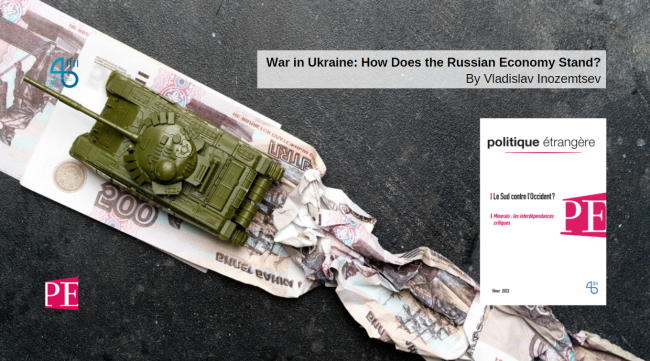
War in Ukraine: How Does the Russian Economy Stand?
The Russian economy is weathering the war and Western sanctions: it has maintained its exports, its business sector has shown marked dynamism, and the population is managing in part thanks to state spending.
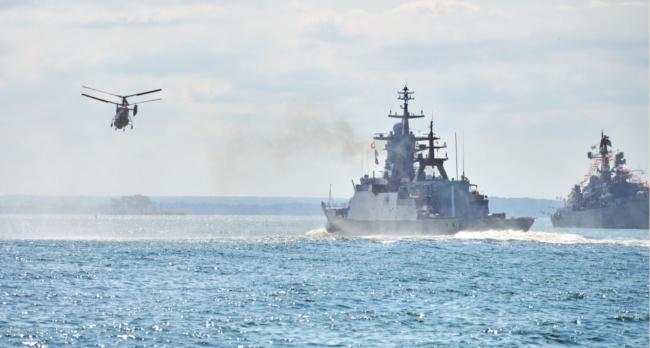
Russia’s New Challenges in the Baltic/Northern European Theater
The long war in Ukraine has brought a drastic geopolitical reconfiguration of the Baltic theater and a deep shift in the military balance between Russia and the North Atlantic Treaty Organization (NATO).
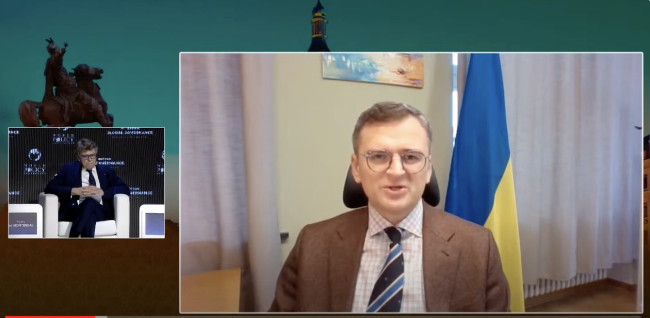
War in Ukraine: what prospects after the counter-offensive?
Interview between Dmytro Kuleba, Ukrainian Foreign Minister, and Thierry de Montbrial, Founder and Executive Chairman of the French Institute of International Relations, Founder and Chairman of the World Policy Conference.
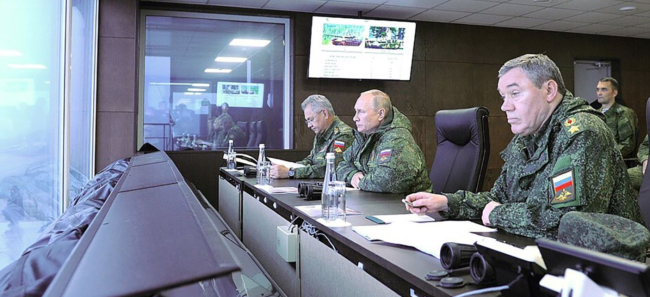
What Does the Russian Army Think About its War in Ukraine? Criticisms, Recommendations, Adaptations
The Russian army is very critical of its war in Ukraine. Not just of the first phase of the failed special military operation (SVO), which was inspired by the theorization of bypassing, but also of the strategic deterrence phase that preceded it.
European Union: A Geopolitical Illusion?
The European Union (EU) is holding firm in the face of the war in Ukraine—perhaps better than expected. But what long-term effects will the war have on European institutions and policies? The institutions will need to be changed to cope with the forthcoming expansions. The EU has certainly made progress toward common industrial and technological policies. But will this dynamic do away with a conception of strategic autonomy, encompassing both diplomacy and strategy? The European Union, which will undoubtedly be a key mover of future changes for the continent, remains largely uncertain in terms of its future configurations.
The Wind Rose’s Directions: Russia’s Strategic Deterrence during the First Year of the War in Ukraine

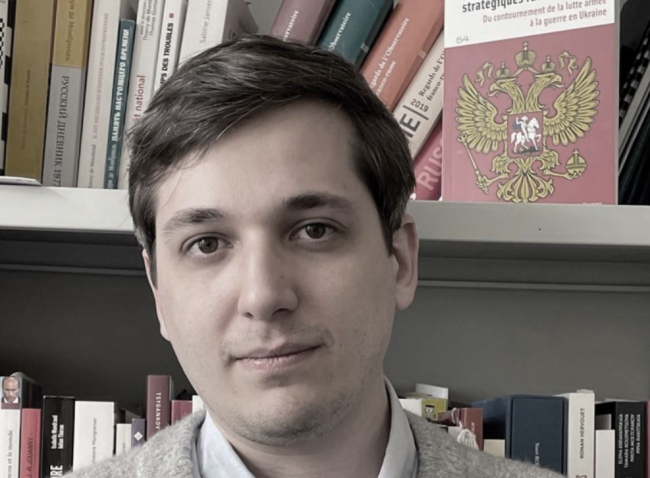
Dimitri Minic: 'The Kremlin's credibility has been shaken'
For this Russian army specialist, at least part of the armed forces rallying behind the founder of the Wagner group, Yevgeny Prigozhin, cannot be ruled out.

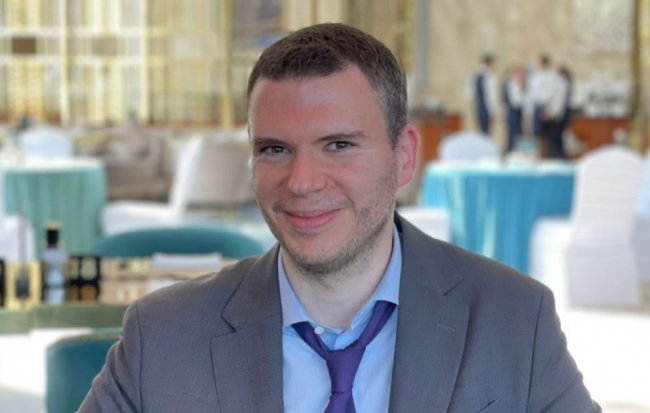
French Expert Says Afghanistan-Related Challenges Loom Large for Central Asia as Geopolitical Competition Intensifies
Addressing the situation in Afghanistan remains on top of the agenda for Central Asia, said Michael Levystone, an associate research fellow at the Institut Français des Relations Internationale (IFRI) Russia/Eurasia Center, in an exclusive interview with The Astana Times. The expert, who participated in the Astana International Forum (AIF) on June 8-9, also discussed the intensifying geopolitical competition in Central Asia, regional connectivity and water scarcity.
Global Governance, Ukraine, and the European Union: Quo Vadis?
The technological revolution of the latter half of the twentieth century, 9/11, and the 2007–2008 financial crisis have delimited the West’s dream of harmonious globalization.
The Wind Rose’s Directions: Russia’s Strategic Deterrence during the First Year of the War in Ukraine
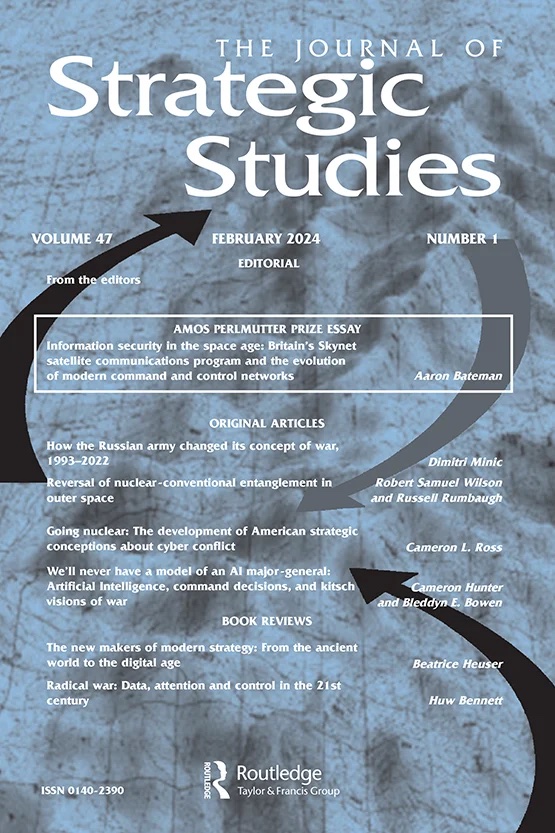
How the Russian Army Changed its Concept of War, 1993-2022
The traditional and high-intensity war that has occurred in Ukraine since Russia decided to invade raises a key issue: did post-soviet Russian strategic thought really prepare Russia for waging this war?
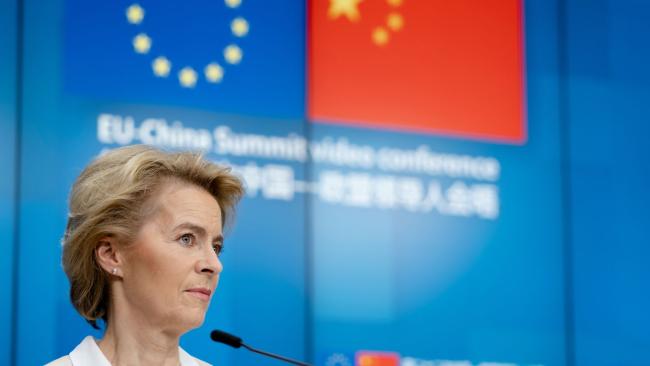
EU's China policy staying on track despite intensifying debate
While French President Emmanuel Macron’s state visit to China is viewed by some to be an exercise in stirring the pot, this does not mean that the European boat has veered off course. The EU is used to robust debate among and within member states, and can take this as another opportunity to affirm their stance on China.
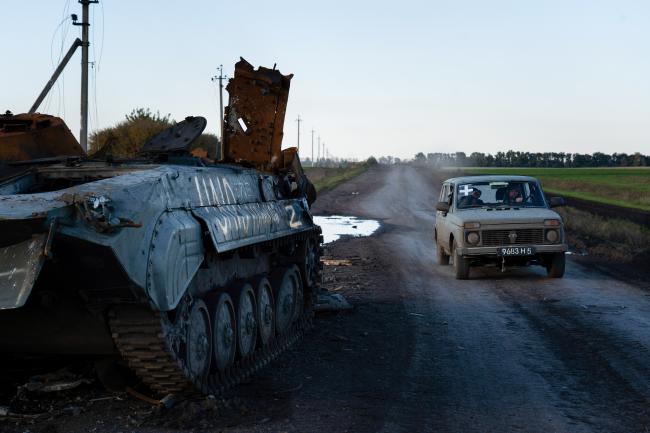
Russia’s War in Ukraine: Misleading Doctrine, Misguided Strategy
The blame for committing the blunder of starting the war with Ukraine is deservedly placed on President Vladimir Putin, but a single-explanation interpretation of the unfolding disaster is unsatisfactory.
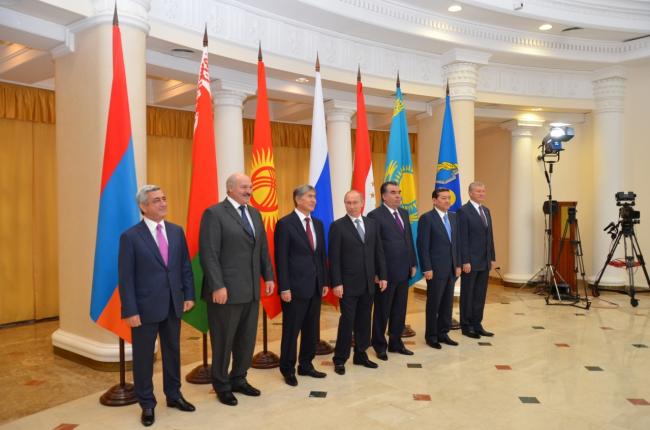
Reflection on Russia’s Changing Image in the Post-Soviet Region
The two years preceding the Russian invasion of Ukraine suggested that Russia had adopted a measured policy toward the post-Soviet space. Faced with social protests in Belarus, a coup in Kyrgyzstan, the victory of pro-European president Maia Sandu in Moldova, the second war in Nagorno-Karabakh, and riots in Kazakhstan, Russia showed diplomatic ability without any hard arm-twisting of partners. In 2020, then Carnegie Moscow Center director Dmitry Trenin even concluded that “there will be no new edition of the empire”. The war in Ukraine has completely changed this analysis.
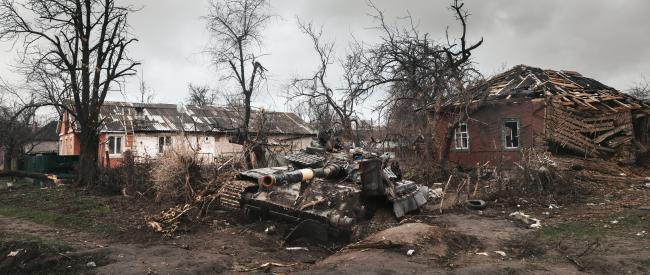
The Return of High-Intensity Conflict in Ukraine: Lessons for Land Forces
After twenty years of counter-terrorism, the Ukrainian battlefield marks the renewal of so-called “high-intensity” warfare. It constitutes a major strategic turning point, reversing the contemporary model of wars involving the West.
Rapprochement in Times of Crisis: War in Ukraine and the EU-Japan Partnership
The war in Ukraine has shaken the foundations of European security and of the global rules-based order. In many ways, Russia’s aggression has been a wake-up call for the EU, adding a sense of urgency to its ongoing transformation to becoming a stronger geopolitical actor, materialised by the recent publication of its Strategic Compass – its first-ever white paper for security and defence.
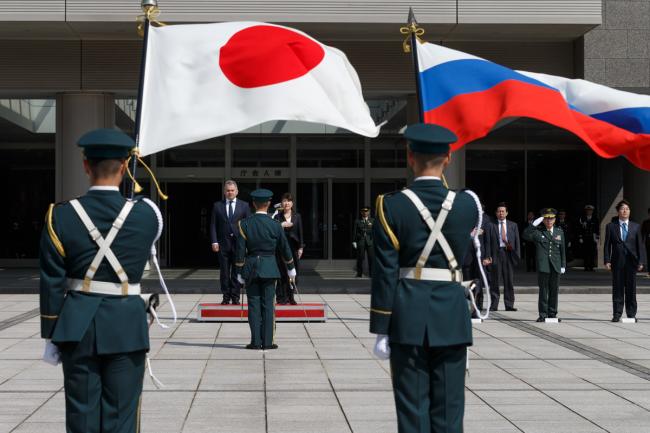
Japan-Russia: The end of delusions
The war in Ukraine has led to a major rift between Japan and Russia.
War’s Indirection or the Return of the Limited War
Over the last few years both the United States and Russia seem to have changed their conception of how to deploy force.

Global Focus: Has the War in Ukraine United Europe?
Does the war in Ukraine change the prospect of European Union enlargement? What is the possibility and future of Europe's common foreign and security policy? Does russian aggression unite or unify Europe and what is the role of the European political community? What is Russia's ultimate strategic goal?


Military briefing: How will Russia’s mobilisation affect the war in Ukraine?
Kyiv expects new recruits to appear within two months but Moscow struggles with training and logistical obstacles.
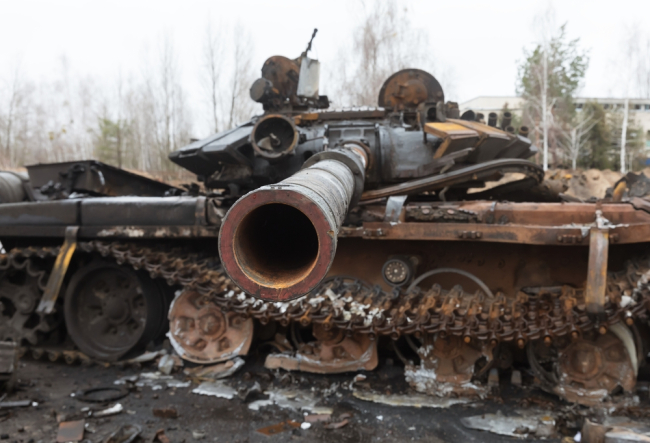
Russian army hobbled by shortage of soldiers
Following the last Ukrainian victories over the Russian Army in the Kharkiv oblast, Russian administration currently faces controversies. As a matter of fact, many question the degree of intensity Russian general staff has decided, avoiding for now general mobilization. According to Dimitri Minic, researcher attached to the Russia / NIS center at the French Institutes of International Relations and expert in russian armed forces, the current russian army not only lacks men but also modern equipment.
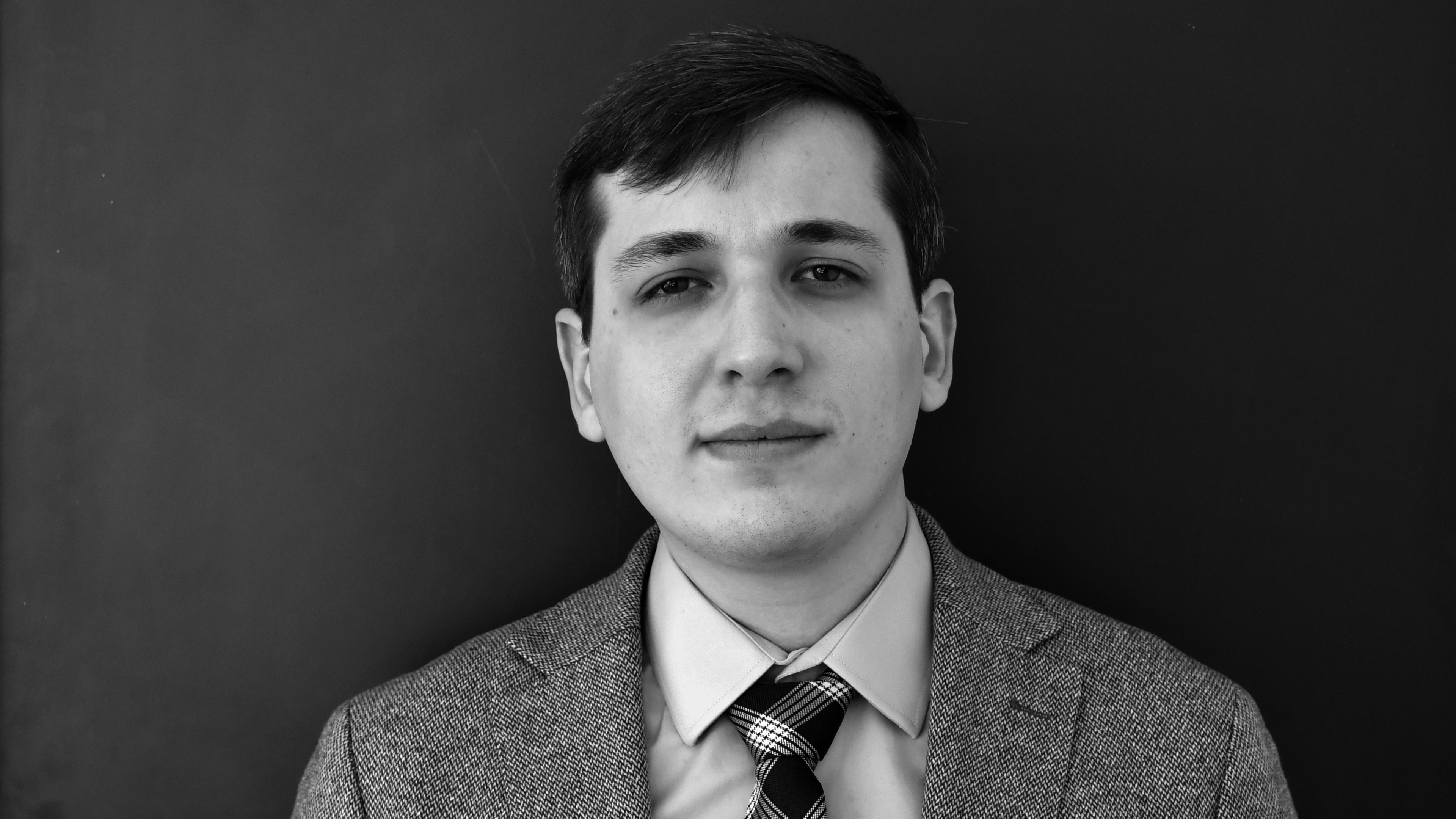
Russian Elite Divided on Strategy in Ukraine but Not on Kremlin Goals There, Minic Says
Vladimir Putin is not a military strategist, and the decision to shift Russian forces from around Kyiv to the southeast in order to be in a position to defeat the Ukrainian army rather than go all out to achieve regime change now in Ukraine shows that, Dmitri Minic of the Paris Institute for International Relations says.

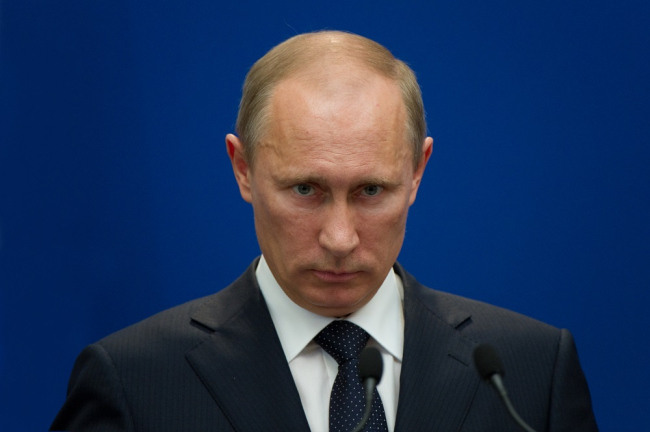
Moscow’s tried and tested Georgia strategy now tailored for Ukraine
Western powers appear unable to thwart Putin’s strategy to reassert Russian influence

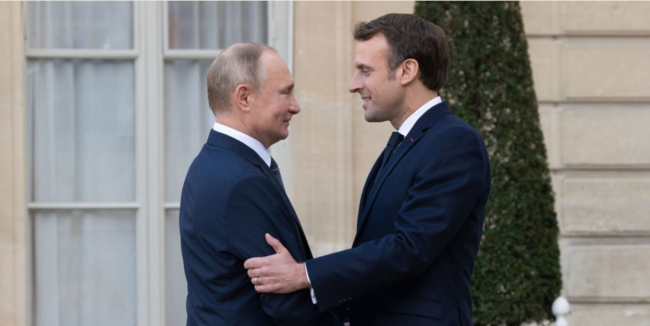
Kremlin Is Top Destination For Spooked European Leaders
Rarely in recent years has the Kremlin been so popular with European visitors. French President Emmanuel Macron arrives Monday. The Hungarian prime minister visited last week. And in days to come, the German chancellor will be there, too. All are hoping to get through to President Vladimir Putin, the man who singlehandedly shapes Russia’s course amid its military buildup near Ukraine and whose designs are a mystery even for his own narrow inner circle.

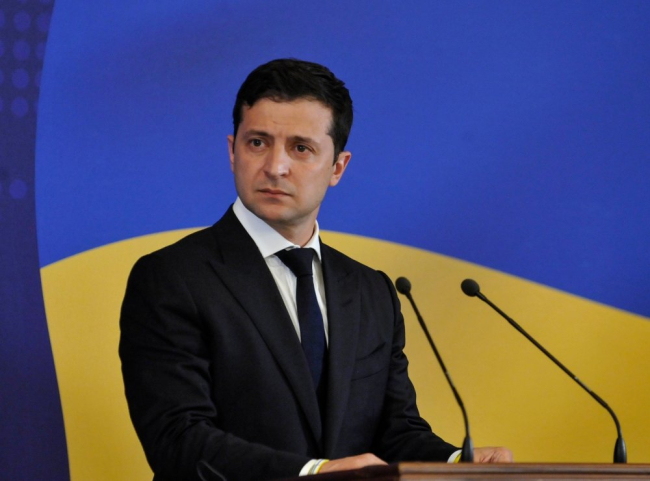
President Zelensky’s Increasingly Critical Stance toward the West
After the recent intensification of dialogue between official Kyiv and President Biden’s administration, in the wake of the rising threat to Ukraine posed by Russia and in anticipation of President Biden’s visit to the UK and EU, President Volodymyr Zelensky and his team began sharpening their rhetorical stance toward Ukraine’s Western partners.
France and Germany back Ukraine’s call for Russian troop pullback
Zelensky’appeal for help in Paris follows Biden’s condemnation of Russian ‘aggression’.

Anna Myroniuk: Peace in Donbas can’t mean capitulating to Russia
Editor’s Note: This opinion piece was written based on the experience of Kyiv Post staff writer Anna Myroniuk, a native of Donetsk, on a trip to Paris at the invitation of the French Ministry of Foreign Affairs, which sponsored a visit by Ukrainian journalists in early February. In Paris, the reporters had a chance to speak with top-level decision-makers and hear their views on how to end Russia’s war in the Donbas.
Ifri, a foundation recognized as being of public utility, relies largely on private donors – companies and individuals – to guarantee its sustainability and intellectual independence. Through their funding, donors help maintain the Institute's position among the world's leading think tanks. By benefiting from an internationally recognized network and expertise, donors refine their understanding of geopolitical risk and its consequences on global politics and the economy. In 2026, Ifri partners with over 90 French and international companies and organizations.
