





Practical information
Themes and regions
Related centers and programs
After four years of a Trump presidency marked by “Russiagate”, the election of Joe Biden at the end of 2020 marks a new turning point in Russian-American relations. While the change in the American administration allowed the New START treaty on strategic arms reduction to be saved in extremis, the interactions between Presidents Biden and Putin through the media remain marked by hostility. No breakthrough seems possible on the “hot” issues, especially Ukraine, and US sanctions against Russia have increased. Should we expect a further deterioration of the relationship? Who are the main actors in the bilateral dialogue, and how are they positioned? What are the possible areas of cooperation?
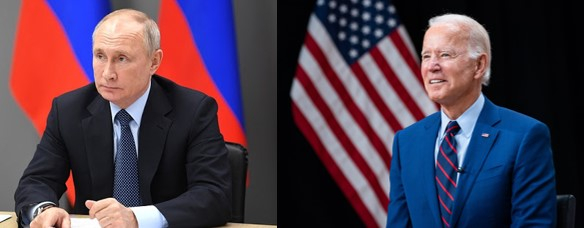
Speakers:
- Dmitri Trenin, Director of the Carnegie Moscow Center
- Matthew Rojansky, Director of the Kennan Institute, Woodrow Wilson Center, Washington
Discussant: Emmanuel Dreyfus, Russia Researcher, IRSEM
Chair: Tatiana Kastouéva-Jean, Director of the Russia/NEI Center, Ifri
The seminar will be held in English without translation, under the rule of Chatham House.
Reserved for public and private partners of the Ifri Russia/NEI Centre. By non-transferable personal invitation.
This roundtable is organized within the framework of the "Russia, Eastern Europe and South Caucasus Observatory" with the support of the Directorate General for International Relations and Strategy (DGRIS), Ministry of the Armed Forces.
Videoconference accessible via Zoom and in audio mode by phone. Access codes will be sent by email to those registered the day before the debate.
Related Subjects
Other events
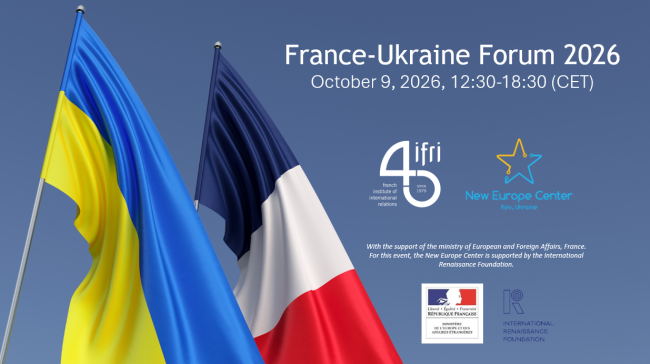
France-Ukraine Forum 2026
More than four and a half years after the start of the full-scale war launched by Russia against Ukraine, the 2026 France-Ukraine Forum will bring together policymakers, experts, academics, and civil society representatives from both countries to discuss three main topics: the formats and conditions for a lasting diplomatic settlement; Ukraine’s Euro-Atlantic integration, encompassing both the EU accession process and closer ties with NATO; and the societal transformations of postwar Ukraine, as well as its prospects for reconstruction.
The EU in a World of Economic Warfare: Trade, Geopolitics, and the Battle for Economic Sovereignty
The international trading system has become a primary theatre of geopolitical competition. Tariffs, sanctions, and technology controls have replaced dialogue as the default instruments of economic relations.
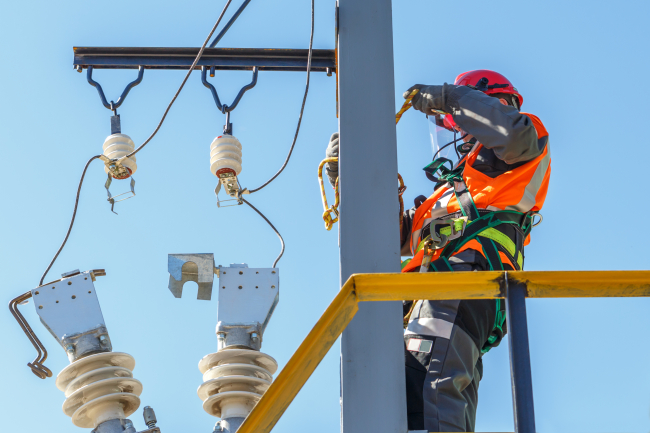
The Road to 27 Electrification Action Plans: Planning and Investing in Europe’s Electric Future
The European Commission’s Electrification Action Plan places the continent on an electric path to structurally reduce dependence on fossil fuel imports and boost the energy transition in industry, transport and buildings.