




Practical information
Themes and regions
Related centers and programs
This is a private event.
Learn more about our corporate support packagesOn the 10th of May, controversial Jacob Zuma will celebrate his first year as President of the Republic of South Africa; position where many analysts did not think he would fit the job. What is the situation one year later? While he claims to be in Nelson Mandela's tradition, Marianne Séverin will question if he wouldn't rather be the "original copy" of his predecessor Thabo Mbeki - ex-friend for about 30 years, and if Zuma has really operated a shift within the administration?
Around Marianne Séverin, Doctor in Political Sciences, Consultant and Research Fellow at the African Studies Center of Bordeaux Political Studies School. Her 2006 Phd Thesis was named: ANC networks (1910-2004) - An History of leadership-building in the new South Africa". There is a link towards her last paper:
La nouvelle ère politique sud-africaine : Des élections d"avril 2009 aux premiers pas du nouveau Président Jacob Zuma, Fondation Jean-Jaurès, march 2010
Chairman: Alain Antil, Head of Ifri's Sub-Saharan African program
Speakers

Our team
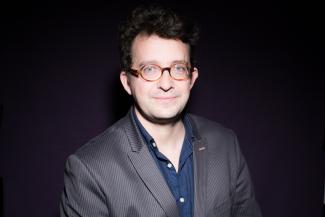
Alain ANTIL
Directeur du Centre Afrique subsaharienne de l'Ifri
External contributor(s)

Marianne SEVERIN
Related Subjects
Other events
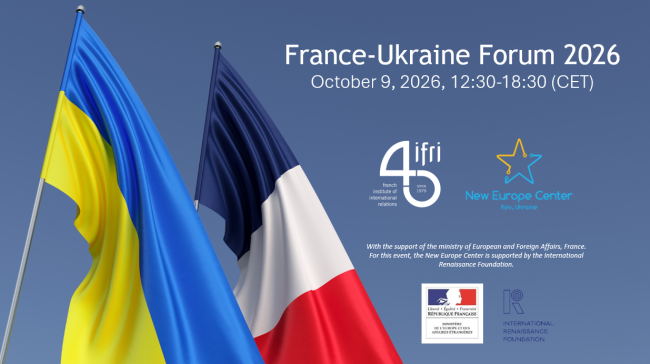
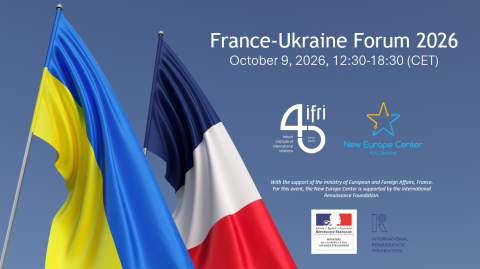
France-Ukraine Forum 2026
More than four and a half years after the start of the full-scale war launched by Russia against Ukraine, the 2026 France-Ukraine Forum will bring together policymakers, experts, academics, and civil society representatives from both countries to discuss three main topics: the formats and conditions for a lasting diplomatic settlement; Ukraine’s Euro-Atlantic integration, encompassing both the EU accession process and closer ties with NATO; and the societal transformations of postwar Ukraine, as well as its prospects for reconstruction.
The EU in a World of Economic Warfare: Trade, Geopolitics, and the Battle for Economic Sovereignty
The international trading system has become a primary theatre of geopolitical competition. Tariffs, sanctions, and technology controls have replaced dialogue as the default instruments of economic relations.
The Road to 27 Electrification Action Plans: Planning and Investing in Europe’s Electric Future
The European Commission’s Electrification Action Plan places the continent on an electric path to structurally reduce dependence on fossil fuel imports and boost the energy transition in industry, transport and buildings.