



Between clear perils and black swans: the strategic challenges after COVID-19

Practical information
A "Les Jeudis de l'Ifri" videoconférence around Corentin BRUSTLEIN, Director of Ifri's Security Studies Center.

The COVID-19 pandemic highlights both the appetites for power and the limits of cooperation and governance mechanisms. While its short-term effects on the armed forces and the defense industrial and technological base were identified early enough, the longer-term security challenges are manifold. Some are already visible, like the multiplying strategic signals and the opportunity effects exploited by all types of actors in the vicinity of Europe as everywhere else, which recall the omnipresence of the balance of power. While many other effects remain more uncertain, gloomy prospects are emerging, which may combine a sudden acceleration of strategic competition, catastrophic humanitarian situations and budget cuts for the French armies and their closest partners. The challenge for the French defense strategy is therefore more than ever to give itself back some leeway, by re-articulating both its priorities and its discourse.
This debate is for corporate members only. It will be conducted in French.
Speakers

Our team

Corentin BRUSTLEIN
Ancien Directeur du Centre des études de sécurité de l'Ifri

Related Subjects
Other events
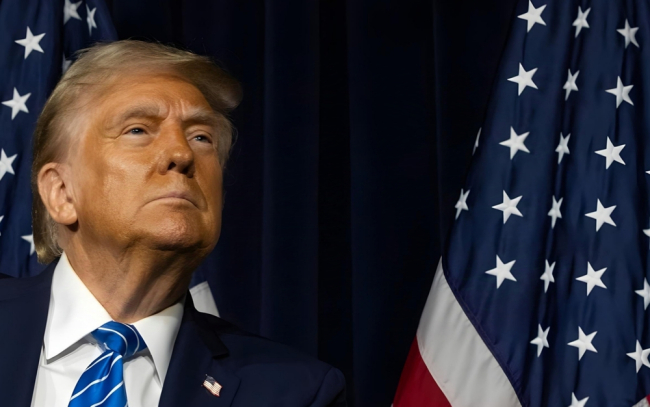
One Month Ahead of the Midterms: Where Is Trump’s America Headed?
The 24th edition of the Ifri Americas Programme Annual Conference will examine the dynamics at play in the United States and their implications for Europe and the transatlantic relationship. will examine the dynamics at play in the United States and their implications for Europe and the transatlantic relationship.
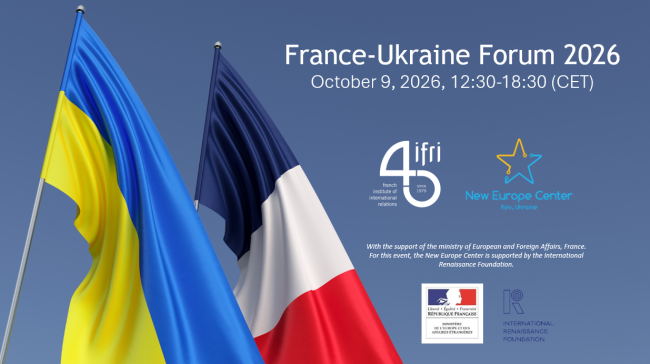
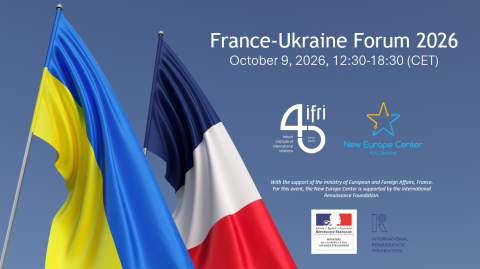
France-Ukraine Forum 2026
More than four and a half years after the start of the full-scale war launched by Russia against Ukraine, the 2026 France-Ukraine Forum will bring together policymakers, experts, academics, and civil society representatives from both countries to discuss three main topics: the formats and conditions for a lasting diplomatic settlement; Ukraine’s Euro-Atlantic integration, encompassing both the EU accession process and closer ties with NATO; and the societal transformations of postwar Ukraine, as well as its prospects for reconstruction.
The EU in a World of Economic Warfare: Trade, Geopolitics, and the Battle for Economic Sovereignty
The international trading system has become a primary theatre of geopolitical competition. Tariffs, sanctions, and technology controls have replaced dialogue as the default instruments of economic relations.