





The fight for the Elysée ...and for Europe
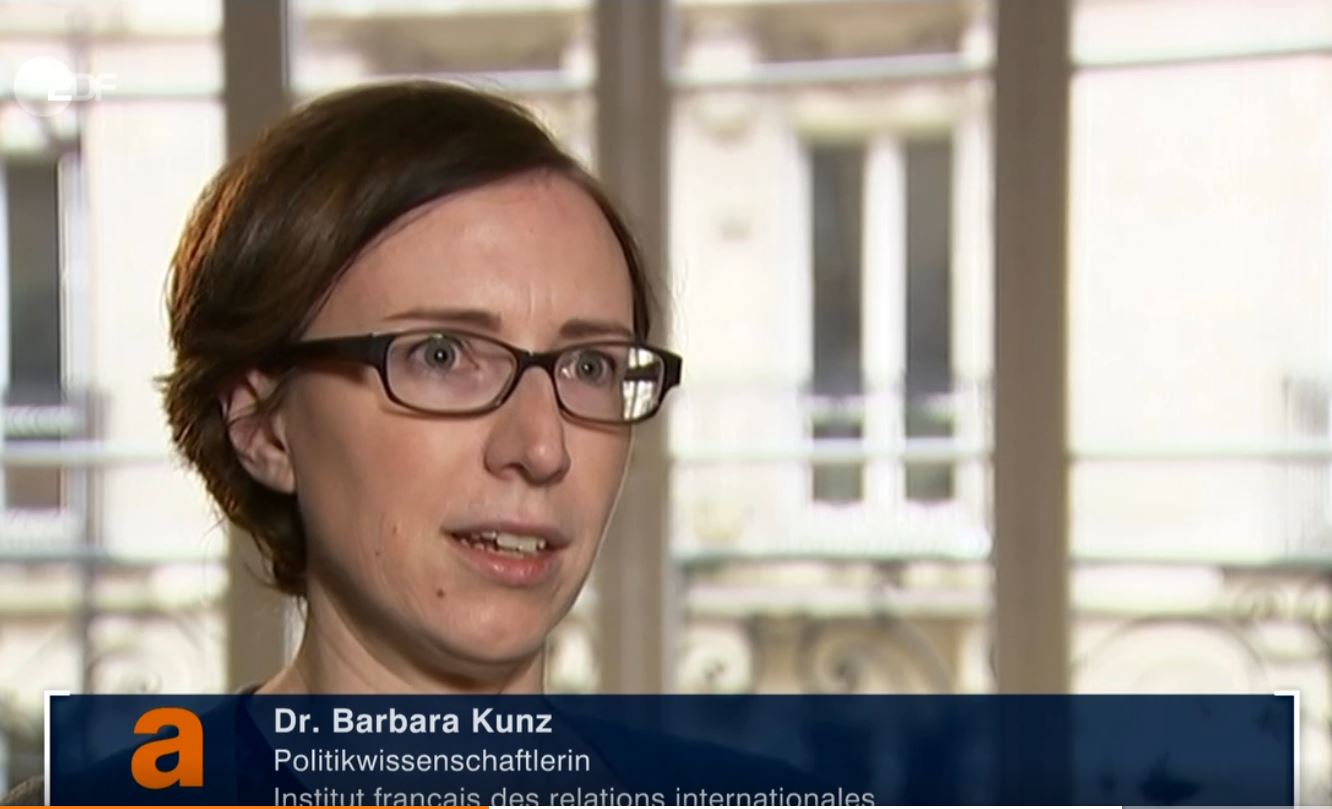
On Germanys second channel, ZDF, Barbara Kunz enlarges upon the French presidential election in May.
The NPT and the Origins of NATO’s Nuclear Sharing Arrangements
Russia has recently accused the United States and NATO Allies of violating the Treaty on the Non-Proliferation of Nuclear Weapons (NPT) by arguing that NATO's nuclear sharing arrangements are not permitted under the Treaty.

Cyber Attacks and Energy Infrastructures: Anticipating Risks
This study analyses the likelihood of cyber attacks against European energy infrastructures and their potential consequences, particularly on the electricity grid. It also delivers a comparative analysis of measures taken by different European countries to protect their industries and collaborate within the European Union.

Making Sense of Europe’s Southern Neighbourhood: Main Geopolitical and Security Parameters
Europe’s southern neighbourhood is a diverse but interlinked geopolitical ensemble, whose specificities need to be carefully assessed before Europeans devise dedicated security strategies, divide responsibilities and make policy decisions.

What future for the German social democracy?
Martin Schulz will be the SPDs candidate for the general elections in 2017, facing the CDUs Angela Merkel. Could his arrival threaten the Chancellor and reinvigorate a rather dull looking SPD?
Europe after the Brexit: German positions and perspectives
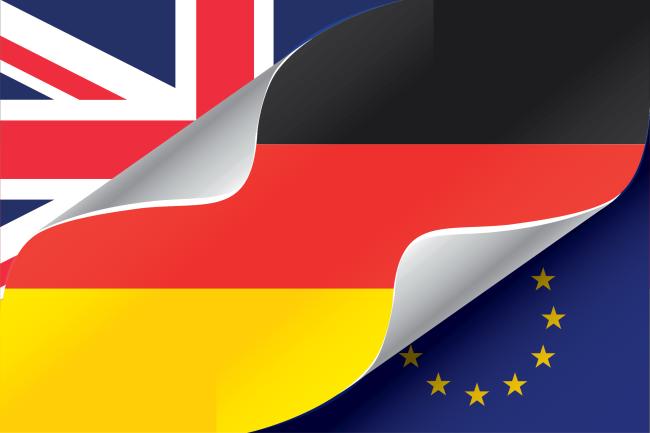
The British decision to leave the European Union comes at a critical moment for Germany and the EU. It exacerbates the “polycrisis” of recent years and leads to controversial questions: What should the EU look like without Great Britain? What is the objective, the “finality”, of European integration? And what role should Germany play in the future?
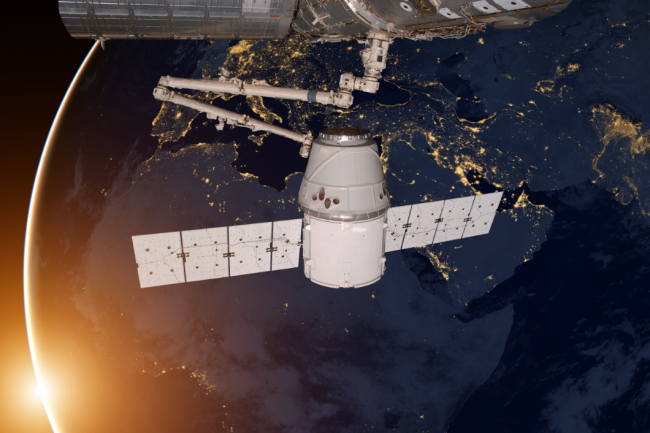
New Space: The Impact of the Digital Revolution on Space Actors and Policies in Europe
Like most “traditional” industries, for several years the space industry has been faced with the challenges of digital technology. So, the European space industry is dealing with new actors from digital technology, which are mainly American start-ups or Silicon Valley giants such as GAFA (Google, Amazon, Facebook and Apple)
The Russian Informational and Digital Influence Strategy in Europe
The article discusses Russia’s informational and digital strategy towards Europe. It focuses on its content, instruments, infrastructures and techniques.

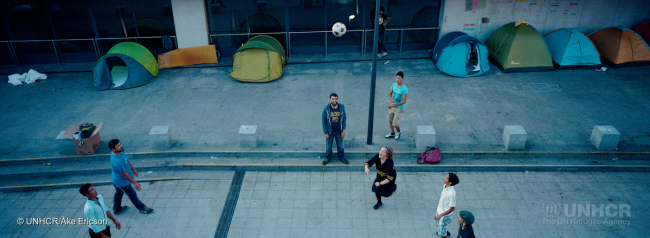
Europe and Refugees in 2015: A Crisis of Memory?
Contrary to other immigration societies such as the United States, Canada or Australia, migrations is not a core element of European narratives on shared identity. Each country maintains a very particular understanding of his migratory past and on the extent to which it should become part of the national narrative. The question of a European memory of migration therefore struggles to emerge.
European Security – Challenges at the Societal Level
Relations between Russia and the West have deteriorated dramatically in recent years. The institutional foundations of cooperative security in Europe and the rules and principles they represent are rapidly disappearing.
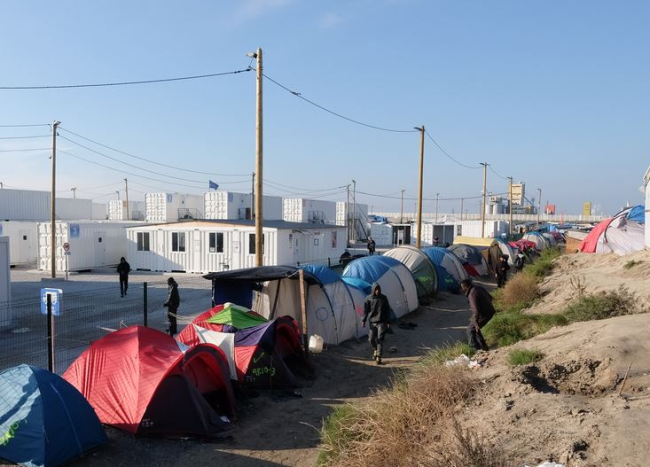
Calais: French asylum system out of gas or failure of the European asylum policy?
The Calais’ camp demolition operation that has begun on October 24th 2016 is the most significant ever conducted. It follows numerous failed or aborted attempts to dismantle the shanty town and relocalize its inhabitants.
Does Russia still have an "energy weapon"?
What are the Current Challenges for Gazprom and Russia’s Energy Policy? What are the Gas Risks for Europe? Is the Nord Stream-II a Risk or an Opportunity for Europe?

From COP21 to COP22: Keeping up the Momentum
In December 2015, a new international climate agreement was adopted, paving the way for increased mitigation and adaptation efforts.
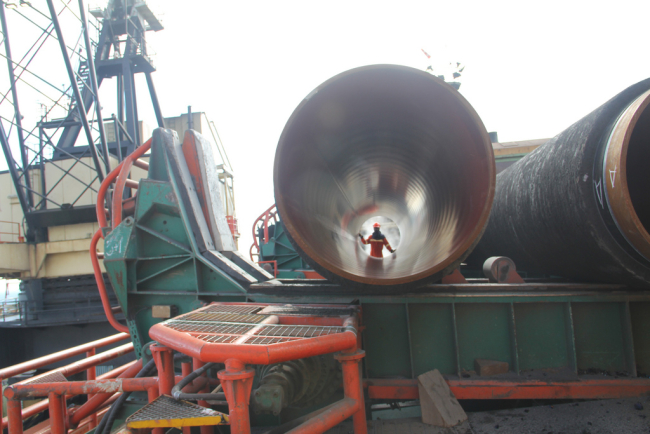
Nord Stream 2: May Cooler Heads Prevail
Since the announcement of the Nord Stream 2 project in June 2015, the debate around the benefits of this project for Europe is raging, putting forward political, economic and commercial arguments.
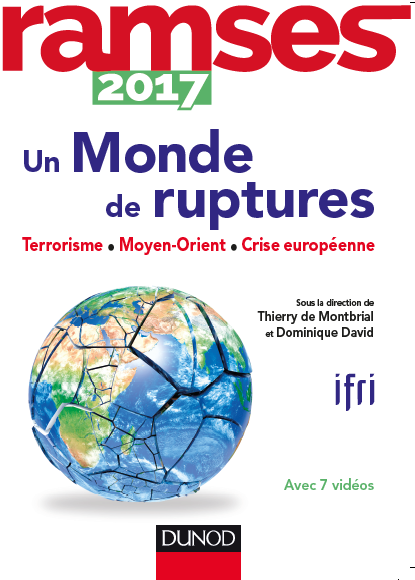
RAMSES 2017. A Fragmented World
RAMSES 2017. A Fragmented World, prepared by IFRI’s research team and selected external experts, offers an in-depth and up to date analysis of global geopolitics.
This 35th edition focuses on three key issues: the spread of jihadist terrorism, the Middle East’s disintegration, and doubts about the European project. With the world’s balance of power and economic foundations shifting, the next few months are likely to be decisive for our future. The growing diversity and complexity of our world is startling, which is why it is important to rethink our analyses and means of action.

Tillykke, tillykke, tillykke: Europas nationalister jubler over »lussing« til Merkel
"Congratulations, Congratulations, Congratulations : Europe's nationalists welcome the "slap" for Merkel.
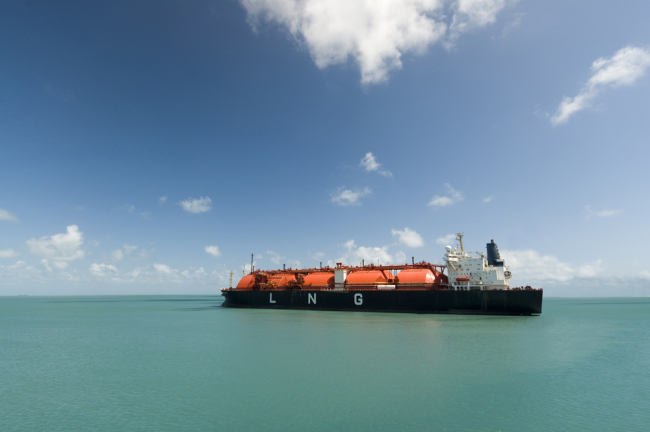
The US Natural Gas Exports : New Rules on the European Gas Landscape
This study addresses the consequences of US Liquefied Natural Gas (LNG) exports towards Europe, in particular on the strategy of Russia, the EU’s main gas supplier.
A week that will define Europe
In a few days’ time, the populist conservative Boris Johnson may well be on his way to becoming British prime minister. And the radical left Podemos movement could be close to the reins of power in Spain. There is the question of what role the current EU institutions — the Commission and the Parliament — might play in a new climate infused with Euro-wariness. “There’s a realization that Europe has changed much faster than its conservative, slow-moving institutional bodies,” said Vivien Pertusot.
Read the article.
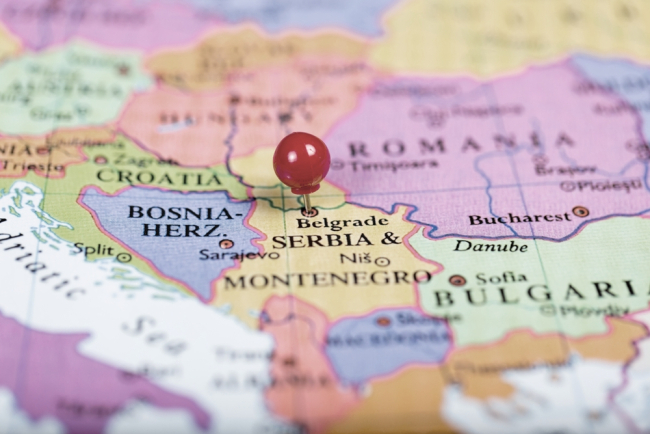
The Western Balkans : a touchstone for German and European foreign policy
Ifri, a foundation recognized as being of public utility, relies largely on private donors – companies and individuals – to guarantee its sustainability and intellectual independence. Through their funding, donors help maintain the Institute's position among the world's leading think tanks. By benefiting from an internationally recognized network and expertise, donors refine their understanding of geopolitical risk and its consequences on global politics and the economy. In 2026, Ifri partners with over 90 French and international companies and organizations.
