




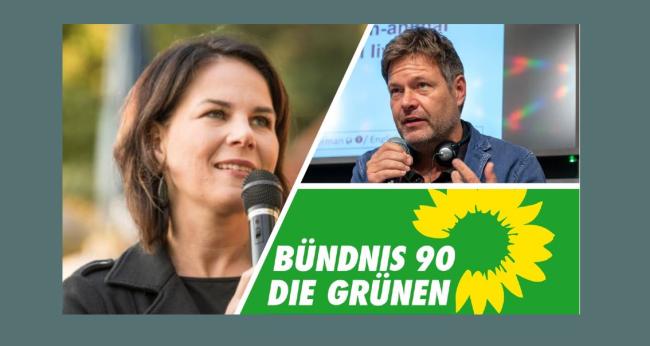
The German Green Party, a new People's Party?
In the context of increasing awareness of the climate crisis, environmental parties across the EU obtained high scores in the European elections of May 2019, reaching 20% in Germany, 17% in Ireland, 16% in Finland and 13 % in France. Meanwhile, far-right parties gained strength.
Europe in the World: for a Modest and Effective Reform
This sad year ends with a pandemic that continues in full swing over a large part of the planet, especially in the United States and Europe, with no other reassuring prospect than that of one or more vaccines, which is already a lot. But that’s not the subject I want to focus on in this eighth letter, the last one for 2020. Internationally, two other facts have dominated the scene in recent months.

Space as a Key Element of Europe's Digital Sovereignty
At the end of year 2020, the European space sector finds itself at a crossroads between challenges and opportunities. While the 2019 European Space Agency (ESA) Ministerial Conference marked a progression in terms of budgets, a sign of renewed space ambitions, the technological and financial acceleration from the United States represents a disruptive scenario that poses threats to the continuity of European space capabilities.
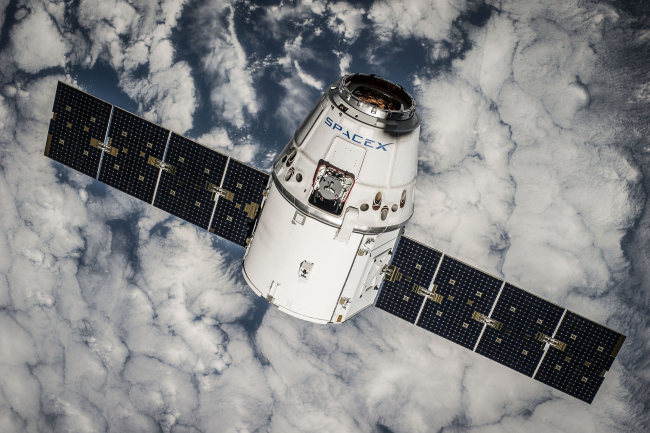
Revolutionary by Design: The US National Security State and Commercialization in the US Space Sector
The US space sector, comprised of its government organizations and its commercial industry, is leading the revolution in space, often called "new space".
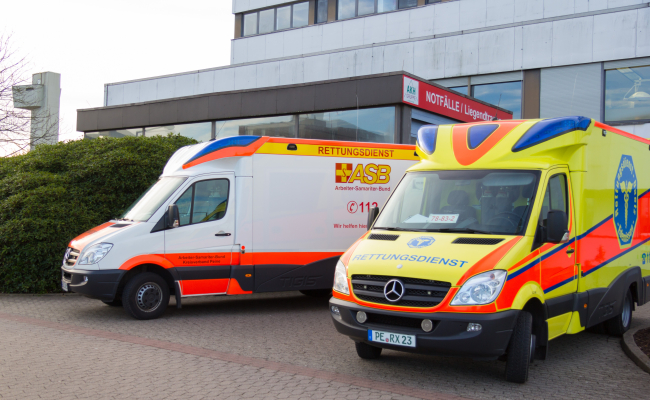
The German Health care System in the Face of the Coronavirus Crisis
The handling of the COVID-19 pandemic by the German government and health system has globally been perceived as a success because of a relatively low death rate.
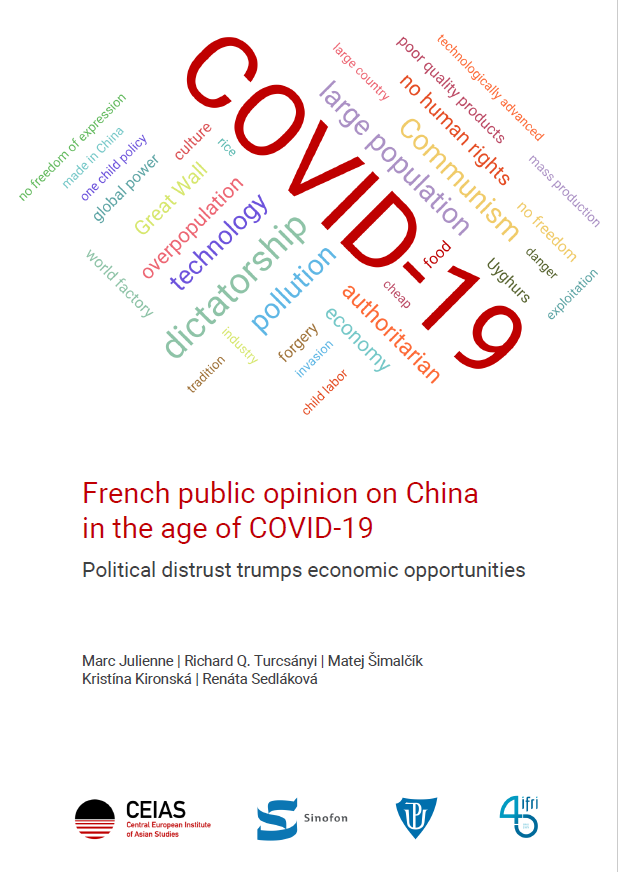
French public opinion on China in the age of COVID-19: Political distrust trumps economic opportunities
This report is a result of a wide-scale study of public opinion on China in 13 European countries,1 conducted in September and October 2020, on the research sample representative with respect to gender, age, level of education, country region, and settlement density. Here, we focus on the French portion of the polling, building on the previously published report comparing the results across the 13 countries.
COVID-19 Reveals Europe’s Strategic Loneliness
The COVID-19 crisis has not only revealed a world that has moved into an age of interdependence and competition, it has also laid bare Europe’s strategic loneliness and vulnerability.
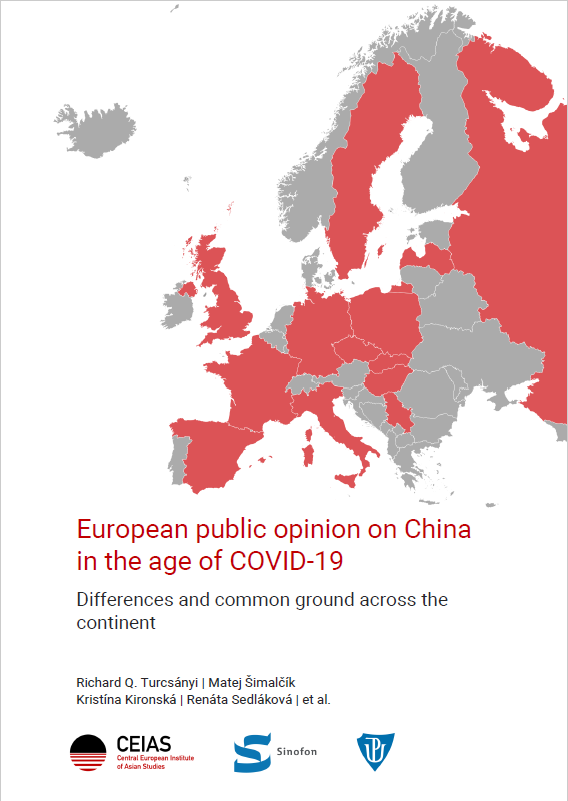
European public opinion on China in the age of COVID-19: Differences and common ground across the continent
In September and October 2020, the Sinophone Borderlands project at Palacký University Olomouc conducted a wide-scale survey of public opinion on China in 13 European countries. The polled countries include: Czechia, France, Germany, Hungary, Italy, Latvia, Poland, Russia, Serbia, Slovakia, Spain, Sweden, and the United Kingdom. Here, we present the basic findings of the survey, which are a result of a joint analysis of the survey data by the Central European Institute of Asian Studies (CEIAS) and Sinophone Borderlands.
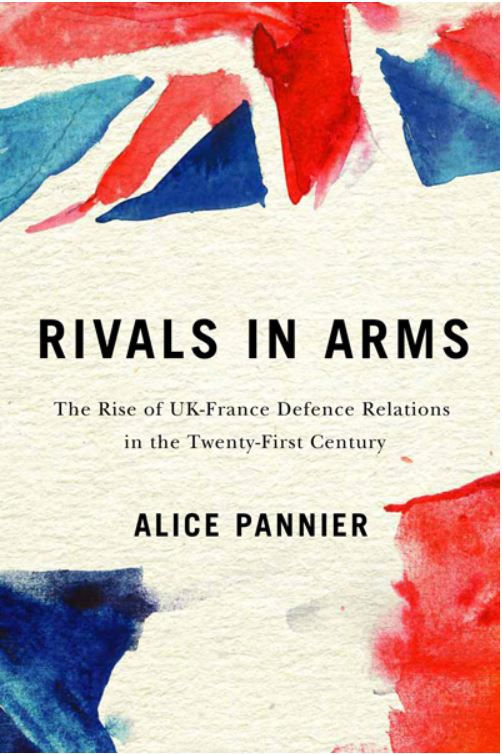
Rivals in Arms: The Rise of UK-France Defence Relations in the Twenty-First Century
The untold story of the thriving yet complicated defense relationship of two countries caught between strategic decline and global ambitions. As the UK leaves the European Union and as the multilateral international order is increasingly under stress, bilateral security links are more important than ever. Among such relationships, the UK-France partnership has become particularly critical in the past decades.


World’s Rich Nations Jostle to Lead Globalization Clubhouse
The race to fill a role at the heart of world economic policy making is turning into a new battleground for the future of globalization.
Trade, Investments, Technology, Climate Change, Human Rights: How should the EU Deal with China?
Ifri, the Austro-French Centre for Rapprochement in Europe and Konrad Adenauer Foundation Multilateral Dialogue organized a videoconference called "Trade, Investments, Technology, Climate Change, Human Rights: How should the EU Deal with China? " on October 27, 2020.
The Karlsruhe Court Judgment: A Thunderclap from a Clear Sky?
In its judgment of 5 May 2020, the German Federal Constitutional Court in Karlsruhe questioned the conditions under which the European Central Bank (ECB) had adopted a Public Sector Purchase Programme (PSPP), thus contradicting the position taken by the Court of Justice of the European Union in the same case.
Technology Strategies in China and the United States, and the Challenges for European Companies
As international relations are increasingly reorganized around the US-China rivalry, the tensions between these two great powers are shaping a growing number of sectors, and the exchange of sensitive technologies in particular. This is a critical issue for European companies today.

The Renovation Wave: A Make or Break for the European Green Deal
European buildings are old and too often inefficient, past policies have not delivered and the amount of investment into energy efficiency must be scaled up dramatically to meet the 2030 targets and ultimately, the carbon neutrality objective.
The American Elections and Beyond
The next few years will be tumultuous ones in the United States. The dependency of foreign policy on domestic policy is unlikely to diminish. Whether in the rivalry with China or the predominance of Israeli interests in Middle East policy, for example, it is hard to imagine Biden taking a big step backward. Many Europeans want to believe that a victory by Obama’s former vice president will signal a return to the good old days of transatlantic consultation and multilateralism.

Cyprus, to be remade, must resolve some issues
Cyprus is set to be ‘remade’ in the coming years through €1 billion in grants from the European Recovery Plan, as we’ve reported here, but there are a few issues to be resolved along the way, according to EU policy experts and economists.
[...]
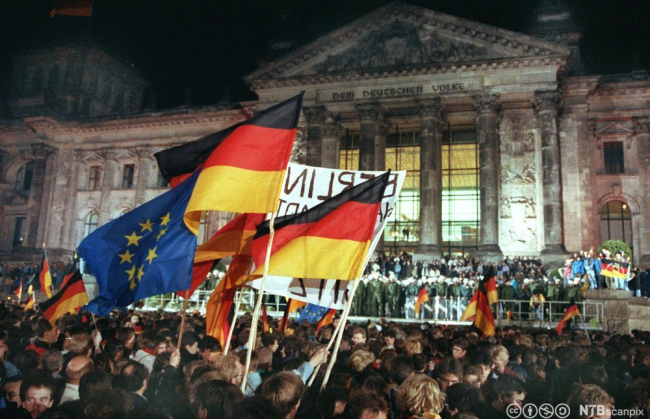
Thirty Years after its Reunification, Germany's “European Moment”?
On October 3, 1990, after forty years of division, Germany once again became one state. Less than a year after the fall of the Berlin Wall, on November 9, 1989, the territories of the German Democratic Republic (GDR) became part of the Federal Republic of Germany (FRG) under Article 23 of its Basic Law.
Germany and the Economic and Monetary Union. Between the Search for Deeper European Integration and the Assertion of National Interests
Germany joined the creation of Economic and Monetary Union only with great hesitation and has tried to dictate the spirit and rules of operation of the Union.
Europe beyond COVID-19
The recovery plan agreed upon by European Union leaders in July 2020 is unprecedented: for the first time, it creates a common debt that will help revive the economies impacted by the pandemic.
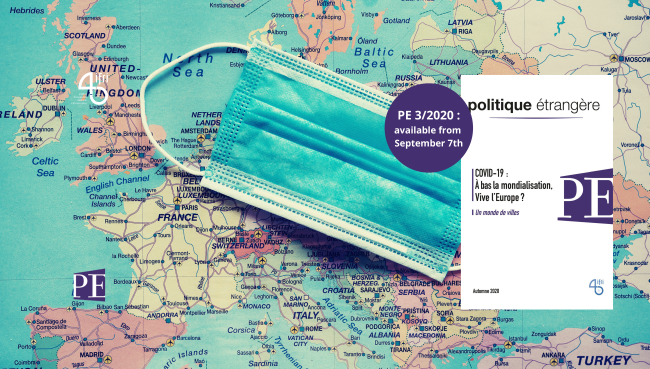
COVID-19: Down with Globalization, Long Live Europe?
Beyond national healthcare systems, COVID-19 questions major global balances, as well as the modes of cooperation underpinning them.
America Is More Than Trump. Europe Should Defend the Iran Deal without Burning Bridges to the US
US President Donald Trump’s decision to withdraw from the 2015 Iran nuclear deal, known as the Joint Comprehensive Plan of Action (JCPOA), will severely degrade regional and global security. His decision has increased the risk of war and a nuclear arms race in the Middle East and beyond.
Comply or die ? Les entreprises face à l’exigence de conformité venue des États-Unis
The United States has developed a vast body of legal regulations with extraterritorial application in order to tackle corruption on the international stage and to pursue companies that do not abide by the trade embargoes demanded by U.S. foreign policy.
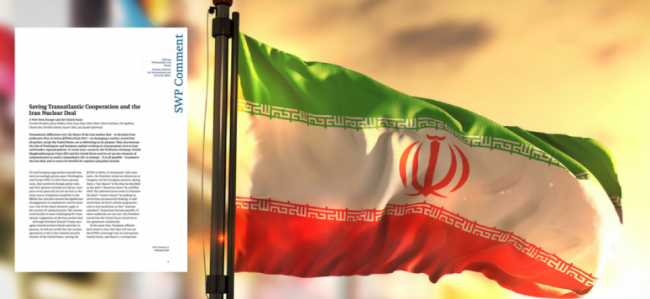
Saving Transatlantic Cooperation and the Iran Nuclear Deal. A View from Europe and the United States
Transatlantic differences over the future of the Iran nuclear deal – or the Joint Comprehensive Plan of Action (JCPOA) of July 2015 – are damaging a nuclear accord that all parties, except the United States, see as delivering on its purpose. They also increase the risk of Washington and European capitals working at cross-purposes vis-à-vis Iran and broader regional policies. To avoid such a scenario, the E3 (France, Germany, United Kingdom)/European Union (EU) and the United States need to set up new channels of communication to avoid a transatlantic rift, to attempt – if at all possible – to preserve the Iran deal, and to secure its benefits for regional and global security.

Mixing Business with Europe: What Role for Companies on the Future of the EU?
The European Union (EU) is facing what the European Commission President, Jean-Claude Juncker, calls a ‘polycrisis’. The EU is under increasing pressure to deliver and address citizens’ concerns.
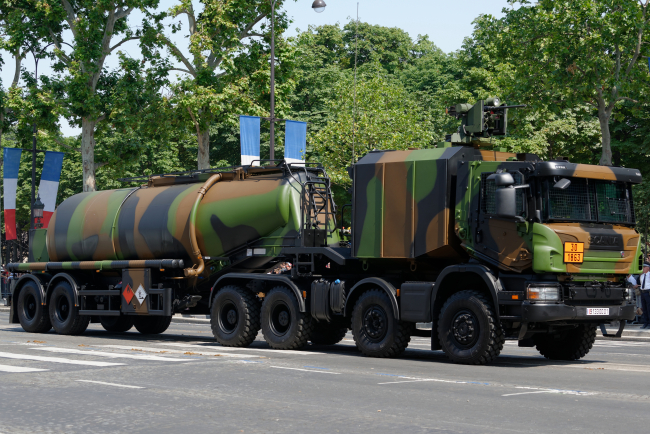
La sécurité énergétique des armées françaises. Le soutien pétrolier à l’heure de la transition
Ever since its inception on the eve of World War One, the concept of securing fuel supply has consistently proven its vitality to military operations.

European Space Programs and the Digital Challenge
The exploration of space and the use of digital tools and systems have in common to be quite recent in human history but to have changed the world, society and economy by connecting people and things, breaking down borders, and redistributing knowledge, power and control.
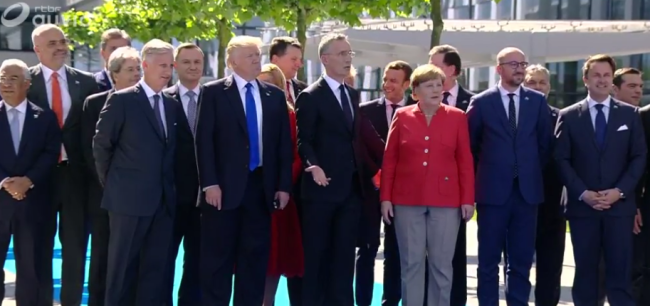
New Appointments Give Clues on Trump's European Policy: Wess Mitchell nominated for Assistant Secretary of State for European and Eurasian Affairs
Benjamin Haddad, research fellow at Hudson Institute in Washington D.C., reviews Wess Mitchell’s nomination for Assistant Secretary of State for European and Eurasian affairs. According to Haddad, as U.S. President Donald Trump struggles to appoint leaders to his administration, Wess Mitchell, who awaits the U.S. Senate’s confirmation, could be a wise choice.

The Future of British Defense Policy
As the prospect of the United Kingdom leaving the European Union raises increasing challenges to its international position, as well as major divisions at home, the future of British defense policy seems more uncertain than ever.

New Space: The Impact of the Digital Revolution on Space Actors and Policies in Europe
Like most “traditional” industries, for several years the space industry has been faced with the challenges of digital technology. So, the European space industry is dealing with new actors from digital technology, which are mainly American start-ups or Silicon Valley giants such as GAFA (Google, Amazon, Facebook and Apple)
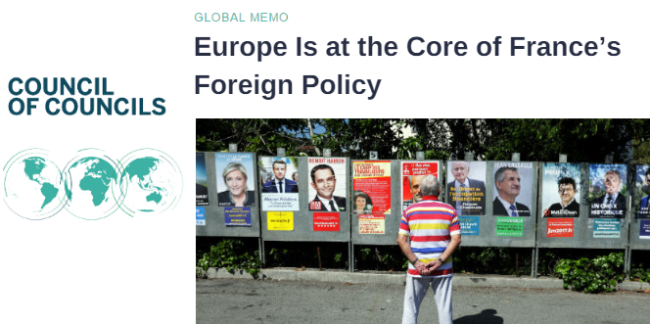
Europe Is at the Core of France’s Foreign Policy
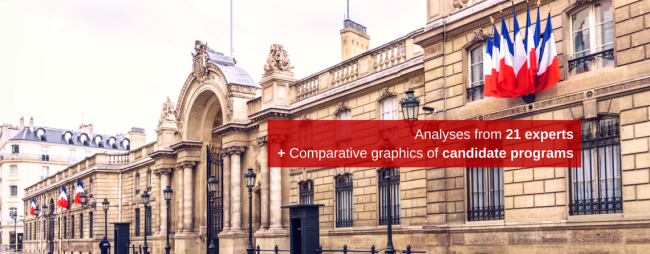
It remains difficult to predict who will be the eventual winner of France’s upcoming presidential elections, with the first round to take place April 23 and a runoff between the top two candidates set for May 7.
Foreign Policy Challenges for the Next French President
France’s current presidential campaign has created an unprecedented situation fuelled by revelations and a total absence of restraint, but it has not truly taken account of the disruptions of the last year: Brexit, the attempted coup in Turkey, the election of Donald Trump, the recapturing of Aleppo by Bashar al-Assad, Xi Jinping’s declarations about “economic globalization”, or the behavior of North Korea. The debate, or rather its absence, can be looked at in two ways.
Alternative für Deutschland: What risks for Germany?
The AfD - Alternative for Germany – founded in opposition to Angela Merkel’s policy line of supporting southern European countries, has quickly become part of the political family of "right-wing populism" in Europe, with whom it cultivates close ties.
The NPT and the Origins of NATO’s Nuclear Sharing Arrangements
Russia has recently accused the United States and NATO Allies of violating the Treaty on the Non-Proliferation of Nuclear Weapons (NPT) by arguing that NATO's nuclear sharing arrangements are not permitted under the Treaty.

Cyber Attacks and Energy Infrastructures: Anticipating Risks
This study analyses the likelihood of cyber attacks against European energy infrastructures and their potential consequences, particularly on the electricity grid. It also delivers a comparative analysis of measures taken by different European countries to protect their industries and collaborate within the European Union.

Making Sense of Europe’s Southern Neighbourhood: Main Geopolitical and Security Parameters
Europe’s southern neighbourhood is a diverse but interlinked geopolitical ensemble, whose specificities need to be carefully assessed before Europeans devise dedicated security strategies, divide responsibilities and make policy decisions.
Europe after the Brexit: German positions and perspectives
The British decision to leave the European Union comes at a critical moment for Germany and the EU. It exacerbates the “polycrisis” of recent years and leads to controversial questions: What should the EU look like without Great Britain? What is the objective, the “finality”, of European integration? And what role should Germany play in the future?
Europe and Refugees in 2015: A Crisis of Memory?
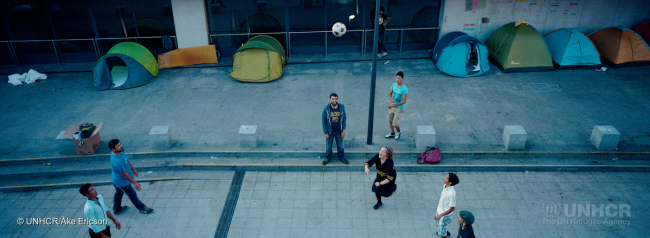
Contrary to other immigration societies such as the United States, Canada or Australia, migrations is not a core element of European narratives on shared identity. Each country maintains a very particular understanding of his migratory past and on the extent to which it should become part of the national narrative. The question of a European memory of migration therefore struggles to emerge.
After the end of the end of History
This paper intends to take a step back from current developments in Ukraine in order to analyze the lessons Europeans ought to draw from the crisis that caught many by surprise. Whether the Ukrainian crisis really turns out to be a »game changer« in a structural sense remains to be seen, but it has made clear that Europeans should rethink a number of fundamental assumptions underlying European foreign policy.
European Security – Challenges at the Societal Level
Relations between Russia and the West have deteriorated dramatically in recent years. The institutional foundations of cooperative security in Europe and the rules and principles they represent are rapidly disappearing.
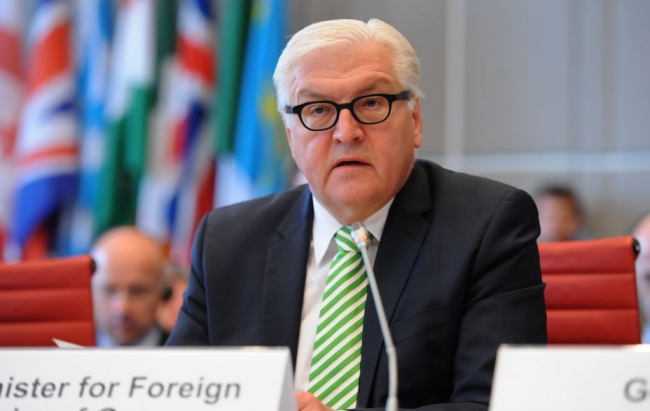
The German OSCE Chairmanship in 2016: Towards a renewed dialogue with Russia?
The Organization for Security and Cooperation in Europe (OSCE) represents the perfect framework for discussion of pan-European security issues thanks to its unique composition - fifty-seven member states of the Euro-Atlantic sphere, including the United States and Russia. The OSCE remains indeed one of the few forums of institutionalized dialogue between Western countries and Moscow and the only one to also include Washington.
Ifri, a foundation recognized as being of public utility, relies largely on private donors – companies and individuals – to guarantee its sustainability and intellectual independence. Through their funding, donors help maintain the Institute's position among the world's leading think tanks. By benefiting from an internationally recognized network and expertise, donors refine their understanding of geopolitical risk and its consequences on global politics and the economy. In 2026, Ifri partners with over 90 French and international companies and organizations.
