
Sri Lanka’s NPP Government. From System Change to Structural Compliance
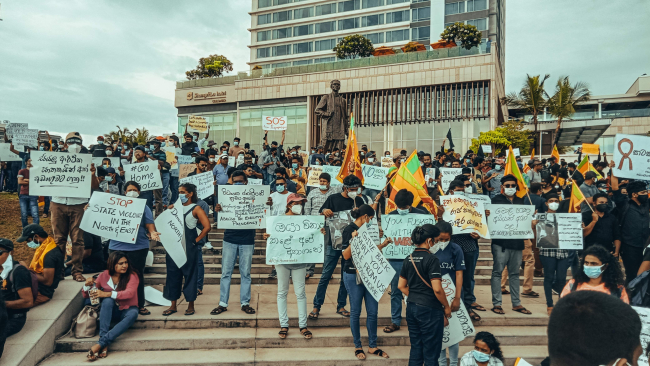
In September 2024, a relative outsider to Sri Lanka’s two-party-dominated political system, Anura Kumara Dissanayake, won the presidential elections. The anti-establishment, populist movement he represented, the National People’s Power (NPP), went on to receive an overwhelming mandate in the November 2024 general elections, winning 159 seats in a 225-member parliament.
Fiscal Policy in France and Germany: Insurmountable Differences?
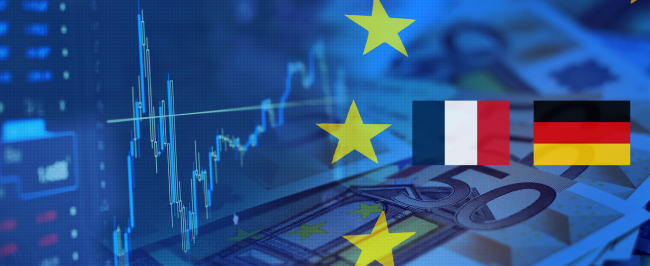
The state of public finances in France and Germany is often compared. Germany is considered a model of rigor, through its ability to contain its deficits and generate surpluses, particularly between 2012 and 2019, thanks to the introduction into its constitution of a debt brake mechanism.
Lebanese Banking Crisis: The Systemic Workings of a Wreck

Cyprus, to be remade, must resolve some issues
Cyprus is set to be ‘remade’ in the coming years through €1 billion in grants from the European Recovery Plan, as we’ve reported here, but there are a few issues to be resolved along the way, according to EU policy experts and economists.
[...]

Can Huawei Face EU Fines Like Google and Apple?
The European Union’s chief antitrust official, Margrethe Vestager, has made her name tackling big corporate fish in pretty unconventional ways. A ruling on Alphabet Inc.’s Google, which came with a seven-figure fine, argued free services weren’t always good for the consumer, while those on Apple Inc. and Starbucks Corp. deemed that low taxes were illegal state aid (though some judges begged to differ).
The Future of the International Monetary and Financial System
Following the collapse of the Bretton Woods system, the international community sought new stability in the financial system and the assurance of sustained growth. The crisis that began in 2007-2008 has revealed weaknesses that affected advanced economies first and foremost. Efforts have since been made to consolidate the international financial architecture, to coordinate macroeconomic policy, and to improve foreign exchange relations, even if this latter objective has proven complex.
ASEAN at 50: Half a Century of Unique Experience
In its fifty-year existence, the Association of Southeast Asian Nations (ASEAN) has developed a complex, progressive and balanced approach to regional integration. Rather than the European Union’s far-reaching statements of ever-closer union, ASEAN combines highly diverse economic and political strategies of different States whose main priority is to safeguard sovereignty.
Trump et l'électorat populaire blanc
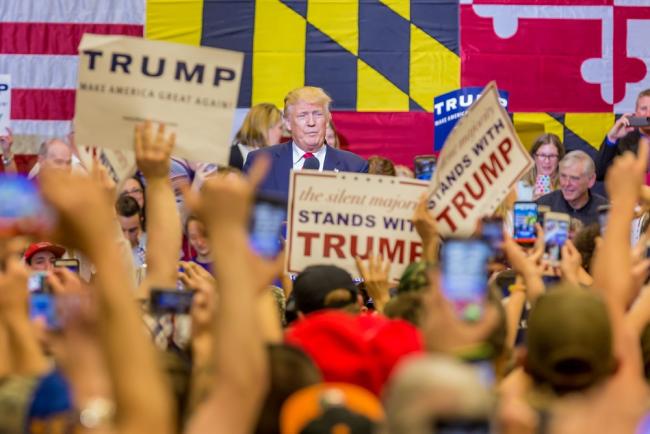
Donald Trump won the 2016 Republican primaries thanks to the mobilization of a specific part of the electorate: the white, non-college-educated, lower middle-class.
Is Putin’s System Built to Last?
The annexation of Crimea and the Ukraine crisis have enabled Vladimir Putin once again to put on a display of Russian dominance, uniting the nation around core conservative values.
Vladimir Putin’s Non-Economic Logic
Russia’s economic crisis was not caused by decisions taken by the West following the Russia-Ukraine conflict. It was predicted and widely mediatized.
Beyond the Arab awakening: Policies and Investments for Poverty Reduction and Food Security
This report aims to inform and stimulate the debate on key policy priorities for poverty reduction and food security in light of the Arab Awakening.
Crisis and Decline in Southern Europe: Implications for Turkey
The twists and turns of the economic and political crisis in southern Europe are now an important parameter for relations between Europe and Turkey.
The Ongoing Economic Crisis-Series 5. What Precipitated the Economic Bubble in Europe, and How Did It Collapse?
This series of policy papers, published by Ifri and the Canon Institute for Global Studies, provides a Japanese perspective on the causes, the mechanisms and the consequences of the global economic crisis, as well as the measures implemented by the States to cope with it.
The Ongoing Economic Crisis - 3 & 4: The US Authorities and the Financial Crisis / Fiscal Austerity as a Mistake
This series of policy papers, published by Ifri and the Canon Institute for Global Studies, provides a Japanese perspective on the causes, the mechanisms and the consequences of the global economic crisis, as well as the measures implemented by the States to cope with it.
The Ongoing Economic Crisis - 1 & 2: Comments on the EU Strategy / The Causes of the Crisis
This series of policy papers, published by Ifri and the Canon Institute for Global Studies, provides a Japanese perspective on the causes, the mechanisms and the consequences of the global economic crisis, as well as the measures implemented by the States to cope with it.
Political Europe: Is Hope Reasonable?
The European crisis is primarily the result of economic difficulties and their social effects.
Economic Policies Following the Great East Japan Earthquake
Ifri and the Canon Institute for Global Studies are launching a series of policy papers presenting the analyses of senior Japanese researchers on how the triple disasters that hit the archipelago last March have impacted Japan's economic, environmental and energy policies as well as country's crisis management system.
This first paper deals with a number of the economic challenges that have arisen following the earthquake, tsunami and nuclear crisis, and considers the direction that future economic policies in Japan should take.
European Defence Economy Afflicted by the Crisis
The European defence sector generates €86 billion annually - and that is only taking into account the 2009 turnover of the European defence industry for the three areas - aeronautics, land forces and naval forces.
Migrations, Remittances and Development - Comparing Experiences from Mexico and Maghreb
The potential synergy between development and migration has become a key feature of most international migration politics. However, this relationship is far from evident.
Sri Lanka’s NPP Government. From System Change to Structural Compliance
In September 2024, a relative outsider to Sri Lanka’s two-party-dominated political system, Anura Kumara Dissanayake, won the presidential elections. The anti-establishment, populist movement he represented, the National People’s Power (NPP), went on to receive an overwhelming mandate in the November 2024 general elections, winning 159 seats in a 225-member parliament.
Fiscal Policy in France and Germany: Insurmountable Differences?
The state of public finances in France and Germany is often compared. Germany is considered a model of rigor, through its ability to contain its deficits and generate surpluses, particularly between 2012 and 2019, thanks to the introduction into its constitution of a debt brake mechanism.
The Future of the International Monetary and Financial System
Following the collapse of the Bretton Woods system, the international community sought new stability in the financial system and the assurance of sustained growth. The crisis that began in 2007-2008 has revealed weaknesses that affected advanced economies first and foremost. Efforts have since been made to consolidate the international financial architecture, to coordinate macroeconomic policy, and to improve foreign exchange relations, even if this latter objective has proven complex.
Beyond the Arab awakening: Policies and Investments for Poverty Reduction and Food Security
This report aims to inform and stimulate the debate on key policy priorities for poverty reduction and food security in light of the Arab Awakening.
The Ongoing Economic Crisis-Series 5. What Precipitated the Economic Bubble in Europe, and How Did It Collapse?
This series of policy papers, published by Ifri and the Canon Institute for Global Studies, provides a Japanese perspective on the causes, the mechanisms and the consequences of the global economic crisis, as well as the measures implemented by the States to cope with it.
European Defence Economy Afflicted by the Crisis
The European defence sector generates €86 billion annually - and that is only taking into account the 2009 turnover of the European defence industry for the three areas - aeronautics, land forces and naval forces.
Cyprus, to be remade, must resolve some issues
Cyprus is set to be ‘remade’ in the coming years through €1 billion in grants from the European Recovery Plan, as we’ve reported here, but there are a few issues to be resolved along the way, according to EU policy experts and economists.
[...]
Can Huawei Face EU Fines Like Google and Apple?
The European Union’s chief antitrust official, Margrethe Vestager, has made her name tackling big corporate fish in pretty unconventional ways. A ruling on Alphabet Inc.’s Google, which came with a seven-figure fine, argued free services weren’t always good for the consumer, while those on Apple Inc. and Starbucks Corp. deemed that low taxes were illegal state aid (though some judges begged to differ).
Ifri, a foundation recognized as being of public utility, relies largely on private donors – companies and individuals – to guarantee its sustainability and intellectual independence. Through their funding, donors help maintain the Institute's position among the world's leading think tanks. By benefiting from an internationally recognized network and expertise, donors refine their understanding of geopolitical risk and its consequences on global politics and the economy. In 2026, Ifri partners with over 90 French and international companies and organizations.