






Carbon Capture, Storage and Utilization to the Rescue of Coal? Global Perspectives and Focus on China and the United States
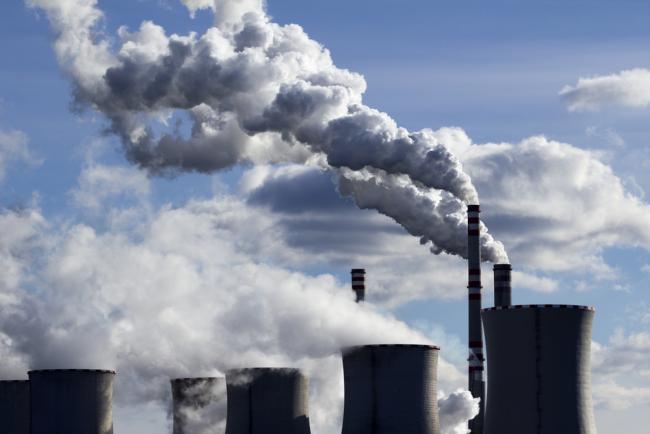
In most of the pathways that limit global warming to 1.5°C, capture of CO2 from fossil-fuel or biomass-based installations and its long-term geological storage (carbon capture and storage - CCS and bio-energy with carbon capture and storage - BECCS) plays a crucial role.
Russia-Ukraine Gas Relations: The Mother of All Crises or a New Start to 2030?
Ten years after the January 2009 gas crisis, Russian-Ukrainian gas relations are at another turning point: the then concluded contracts are terminating on 31 December 2019. While trilateral talks brokered by the European Commission (EC) have started in July 2018, the real negotiations about the future of this relationship can be expected to start no earlier than in December, that is in the midst of the winter and a second to midnight. Crucial months lie ahead.
Biogas and Biomethane in Europe: Lessons from Denmark, Germany and Italy
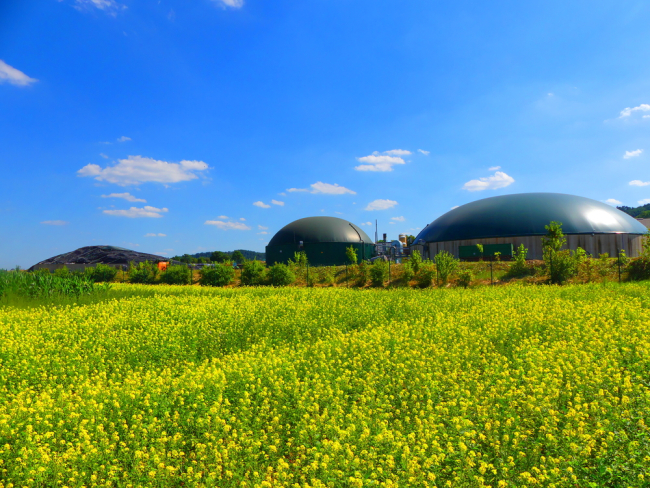
At a time when the European Union (EU) is discussing its long-term climate strategy and drafting new legislation to foster the decarbonization of its gas sector, a close look at the experience of Denmark, Germany and Italy with renewable gas production can provide valuable lessons.
Shaping the Global Governance of Renewables: A Comparative Institutional Analysis
Over the past decade, facilitating the widespread deployment of renewable energy sources (RES) and enabling their integration within the energy systems has become a central priority for various international organizations (IO) and initiatives.
The need for a strategic recycling approach to take up the challenge of critical metals
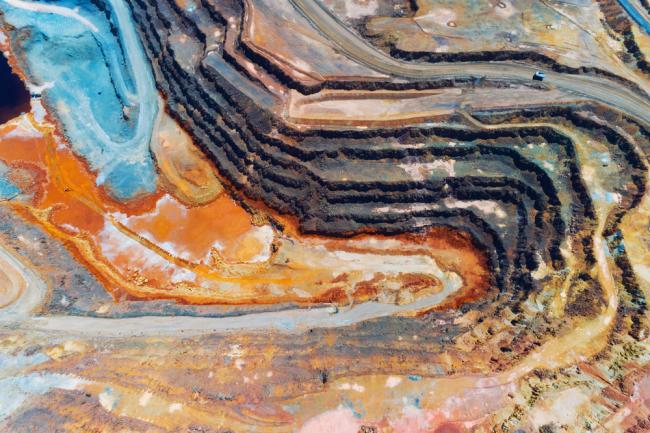
In September 2010, China stopped all exports of rare earths and associated products to Japan, depriving Japan’s industry of essential raw materials. This decision highlighted the tensions around the trade of critical materials and China’s monopoly on a group of particular metals. Western countries had already taken some initiatives so as to reduce, or at least to analyse their vulnerabilities in the segment of critical materials.
The US Oil Embargo on Iran: A New Oil Shock?
The 14 July 2015 Vienna agreement on Iran’s nuclear activities (Joint Comprehensive Plan of Action – JCPoA) was a game changer on the geopolitics in the Middle East and for the oil market. The oil sanctions were lifted and Iran increased significantly its production and exports. On 8 May 2018, President Trump announced that the United Stated (US) would withdraw from the agreement. Financial sanctions were reintroduced. From 5 November 2018 onwards, further sanctions will be re-imposed more specifically on petroleum related transactions, including the purchase of petroleum, petroleum products and petrochemical products. What could be the impact of this new embargo? Is there a risk of a new oil supply and price shock?
The Next Wave of Global LNG Investment Is Coming
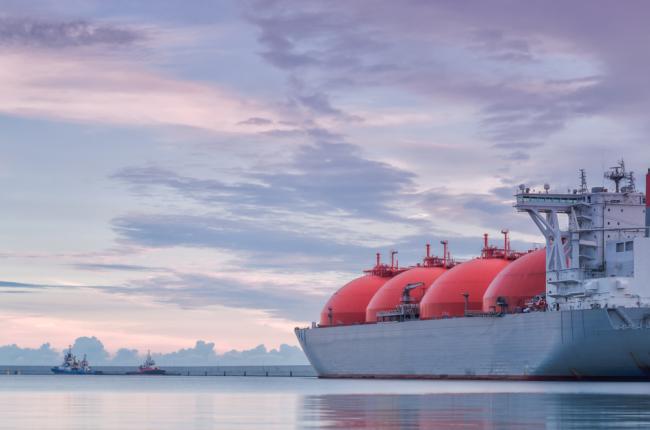
With an annual growth of 10% in 2017 to 290 million tons (Mt) and 8.3% in the first half of 2018, Liquified Natural Gas (LNG) demand is rising faster than expected. Accounting for 44% of global demand growth in 2017, China is the main driver of the growth as the government has made natural gas a key policy choice to reduce air pollution and restructure its high-carbon energy mix.

Japan’s Hydrogen Strategy and Its Economic and Geopolitical Implications
With the Basic Hydrogen Strategy (hereafter, the Strategy) released on December 26, 2017, Japan reiterated its commitment to pioneer the world’s first “Hydrogen Society”. The Strategy primarily aims to achieve the cost parity of hydrogen with competing fuels, such as gasoline in transport and Liquified Natural Gas (LNG) in power generation.
Xi Jinping’s Institutional Reforms: Environment over Energy?
During its two sessions (lianghui) in March 2018, the National People’s Congress (NPC) announced China’s most important institutional reforms in the last 30 years. These changes occurred right after Xi Jinping consolidated his power and at a time when stakeholders working in the energy field were expecting more clarity on policy orientations.
The Trump-led Trade War with China: Energy Dominance Self-destructed?
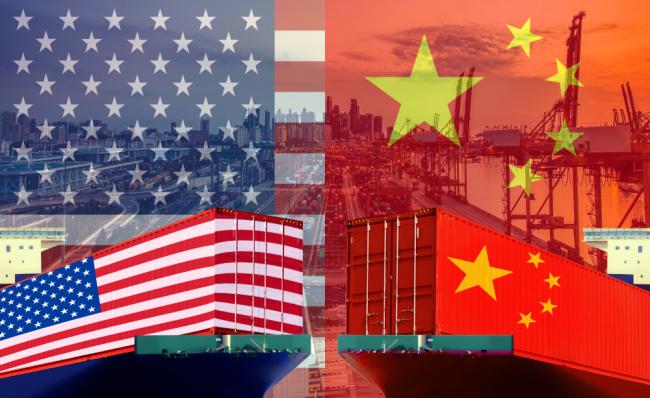
Under particular US legal rationale, such as calling foreign imports a “national security threat”, President Donald Trump has started imposing tariffs and/or quotas and has launched national security investigations on a growing number of imported goods from US allies and others alike.
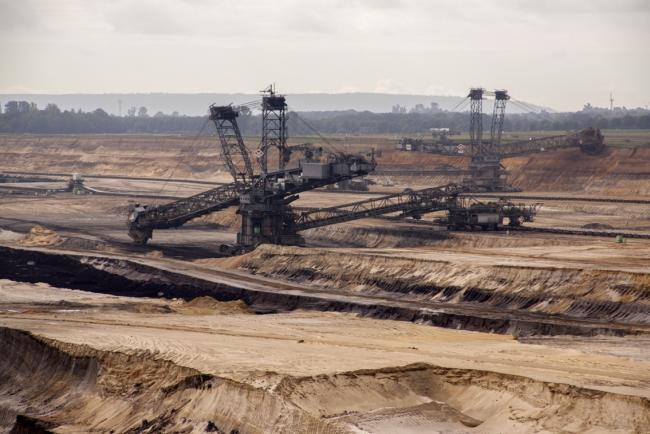
Coal Exit or Coal Expansion? A Review of Coal Market Trends and Policies in 2017
Coal in the power sector is the principal focus of climate-related policies due to its high carbon intensity, making CO2 emissions from coal a leading contributor to climate change.
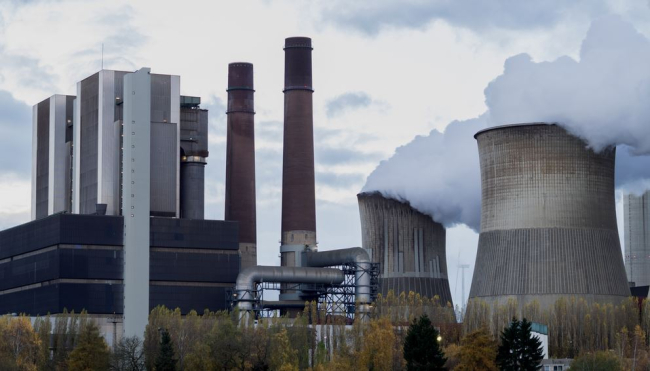
Decarbonizing Germany’s Power Sector: Ending Coal with a Carbon Floor Price?
Germany has a long tradition of climate policy programmes with ambitious greenhouse gas emission reduction targets and comprehensive climate and energy policy packages.
This target-driven policy approach is, however, increasingly facing challenges due to the lack of progress on greenhouse gas emission reductions in key sectors, i.e. the power, the transport and the building sector.
ENTSO-E's views on the Clean Energy Package - An Interview with Laurent SCHMITT
Laurent Schmitt, Secretary General, ENTSO-E, explains how to improve cooperation between transmission system operators and strengthen security of electricity supply, and how the Clean Energy Package will enhance the design of electricity market as a continuation of the network codes.
Reforming the EU electricity markets - Florian ERMACORA
Florian Ermacora, Head of the Internal Energy Market Unit in DG Energy, explains how the Clean Energy Package will improve the functioning of the internal electricity market, and how the new market design will help integrating larger shares of renewables.
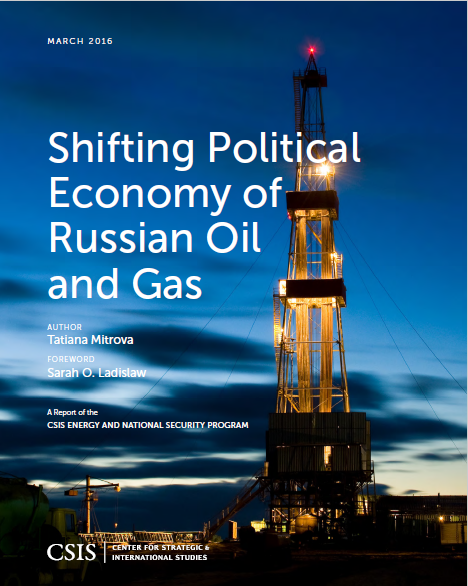
Shifting Political Economy of Russian Oil and Gas
Dramatic changes in the Russian energy strategy and energy-based political alliances are to be expected due to the evolution of the domestic oil and gas market resulting from the economic crisis and sanctions linked to the annexation of Crimea.
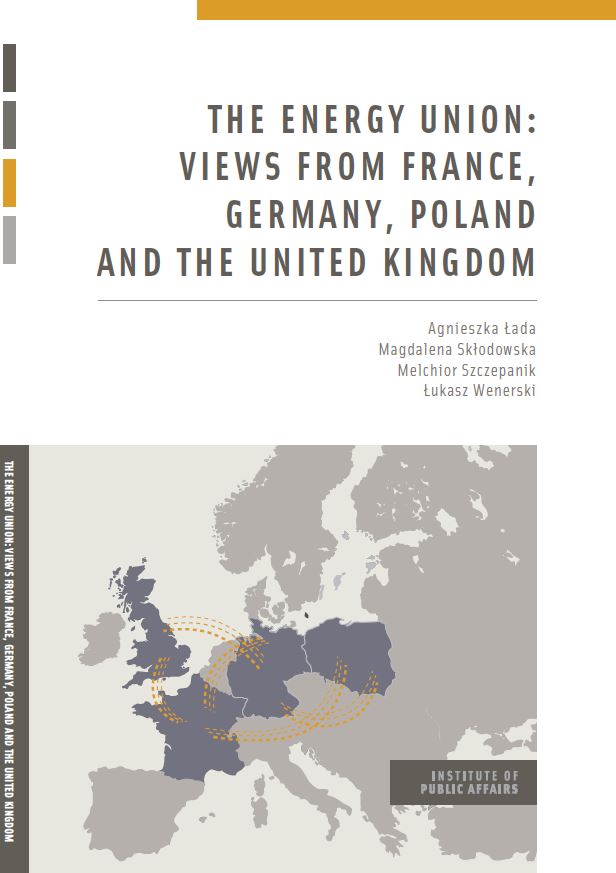
The Energy Union: Views from France, Germany, Poland and the United Kingdom
Report published by Instytut Spraw Publicznych (ISP) and presented at the 1-2 July 2015 conference organised by ISP, Stiftung Genshagen and Ifri: "Energy Union - Germany, France and Poland between common European goals and divergent national approaches". Melchior Szczepanik (ISP) and Carole Mathieu (Ifri Centre for Energy) co-authored the chapter dedicated to the French perspective on the Energy Union.

The New Dimensions of Geopolitics
Editor: Deborah Sherwood, published by Cligendael International Energy Program (CIEP) and Institut français des relations internationales (Ifri)

The Baltic Forum 2013
Significant changes in global and regional energy supply and demand, as well as their influence on the political decision-making determine the need to restore proper expert analysis of problems and development perspectives.
Traffic streams, especially energy resource transit, are directly subordinate to the changes in the relations between the countries of the world. Logistics cannot be considered in isolation from the international security and energy policy.
The ensuring of Euro-Atlantic security to the countries and country groups in the surrounding turbulent world is one of the most important and topical issues for joint consideration.
Ifri, a foundation recognized as being of public utility, relies largely on private donors – companies and individuals – to guarantee its sustainability and intellectual independence. Through their funding, donors help maintain the Institute's position among the world's leading think tanks. By benefiting from an internationally recognized network and expertise, donors refine their understanding of geopolitical risk and its consequences on global politics and the economy. In 2026, Ifri partners with over 90 French and international companies and organizations.
