Germany and France now publicly display their disagreements over Macron's proposals
Friedrich Merz's government has criticized the idea of a joint European loan and the push for European preference in goods purchases advocated by Emmanuel Macron. These disagreements come on top of tensions over the Mercosur trade deal and how to use frozen Russian assets.
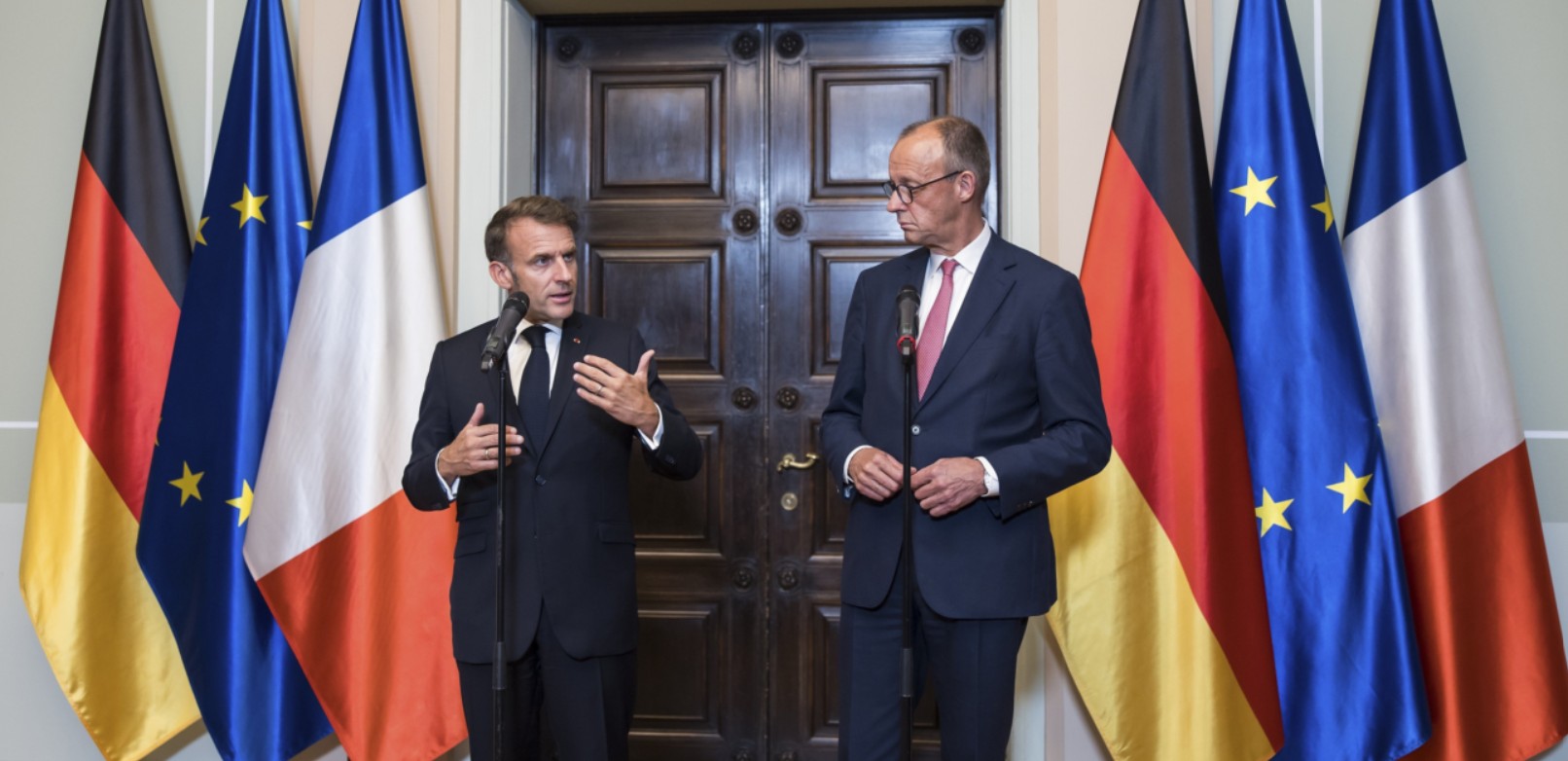
The honeymoon between Paris and Berlin has proven brief. Nearly a year after the February 23, 2025, German parliamentary elections brought conservative Chancellor Friedrich Merz to power, the atmosphere in both countries has come to resemble the one that prevailed under Merz's predecessor, the Social Democrat Olaf Scholz, who was in office from 2021 to 2025. Due to the lack of any real rapport between Scholz and French President Emmanuel Macron, French-German relations had become frosty at the time. Despite the hopes raised by the election of Merz, who was touted as being committed to Europe and knowledgeable about French-German relations, behind the two leaders' repeated displays of friendship for the cameras, France and Germany have stopped hiding their disagreements on key issues.
The interview that Macron granted to several European newspapers, including Le Monde , on Tuesday, February 10, just two days ahead of an informal European summit and three days before the Munich Security Conference, was received with reservations in Berlin, and even a hint of irritation. In the interview, Macron once again raised issues that have long divided France and Germany, such as a common European Union loan, protectionism and even European preference in goods purchases. "Macron also implicitly criticizes Germany's strategic choices, whether on energy, the security guaranteed by the United States or depending on China as an export market," said Stefan Seidendorf, deputy director of the French-German Institute.
[...]
Texte citation
In Berlin, the fact was underestimated that if France had abstained on Mercosur, as Merz had hoped, the left would have brought down the government in Paris, recalls Paul Maurice of the French Institute of International Relations. The situation was hanging by a thread. Merz’s government is more resilient, despite the rise of the far right.

Secretary General of the Study Committee on Franco-German Relations (Cerfa), Ifri
Texte citation
Conversely, ‘France does not understand that Merz cannot accept joint borrowing,’ the researcher continues. ‘He is already being criticized for having relaxed the use of debt in Germany, and liberal voters who defend fiscal orthodoxy risk shifting to the far right in the upcoming regional elections.’
Secretary General of the Study Committee on Franco-German Relations (Cerfa), Ifri

Media:
Reporter(s):
Share
Authors
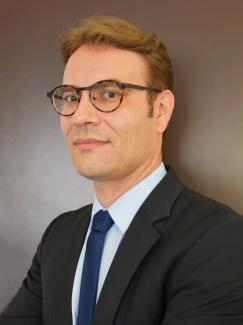
Paul MAURICE
Secretary General of the Study Committee on Franco-German Relations (Cerfa), Ifri