Greenland and transatlantic security: How Berlin, Warsaw and Paris could become more effective
European NATO countries are backing a presence in Greenland in response to Trump’s claim on the island. But the US president is escalating the conflict with threats of new tariffs. In an interview with Table.Briefings, experts call for institutional reforms – if Europe wants to become more capable of acting.
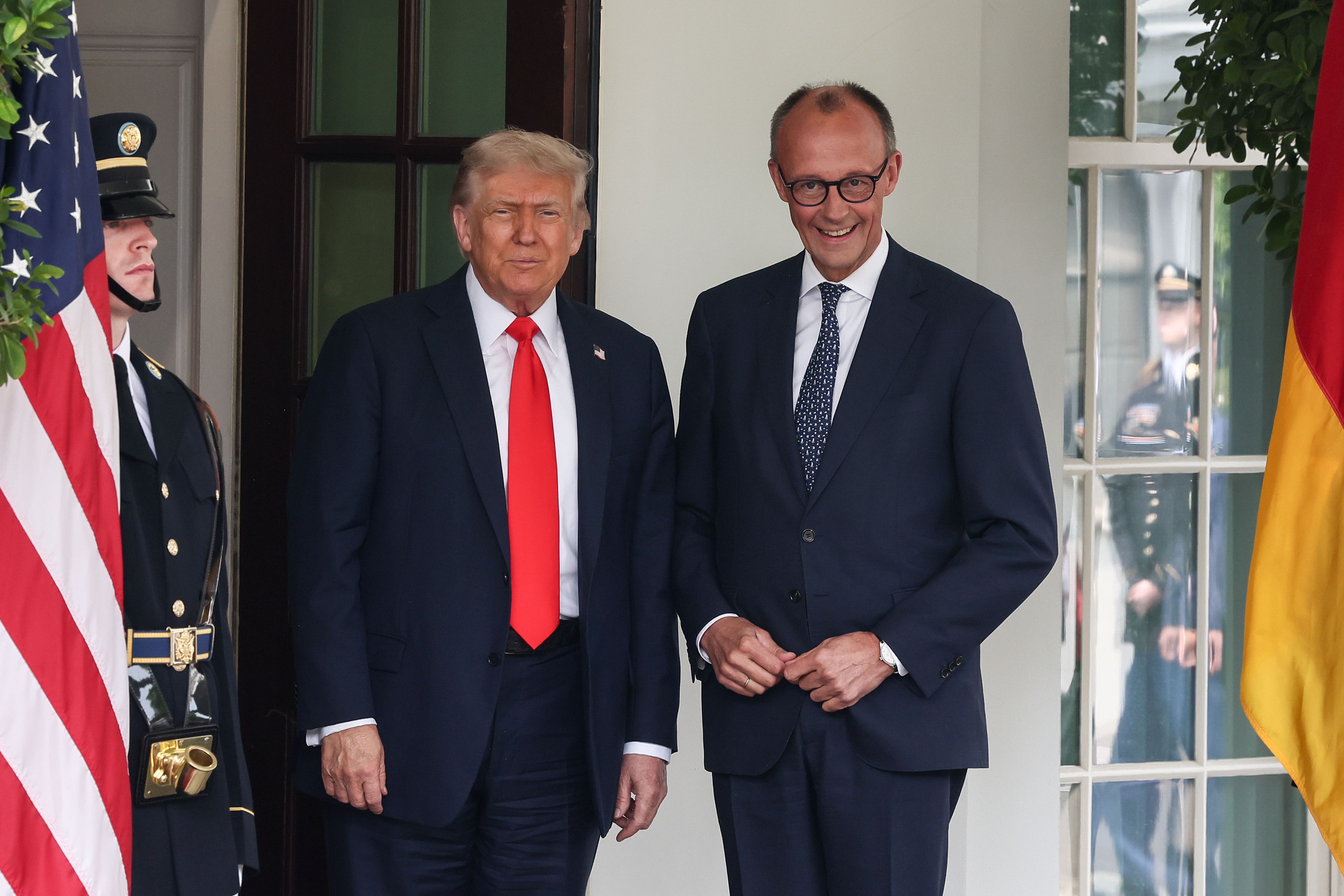
The downward spiral of diplomatic escalation in relation to Greenland continues apace: Stationing European troops in Greenland always happens “in coordination with the Americans,” the German Minister of Defense, Boris Pistorius, said recently. In his own unique way, the US president countered these words, which were only a few days old: European countries that send soldiers to the Arctic island must expect punitive tariffs. On Sunday evening, Berlin and seven other European countries warned that the tariff threats were undermining transatlantic relations and posed a risk of escalating the situation.
[...]
Texte citation
Paul Maurice from the Institut français des relations internationales said in an interview with Table.Briefings that it is not about separating from the US, but about becoming capable of acting again – in order to then speak more on an “equal footing”, adding that “Joe Biden was perhaps the last transatlantic president. This was understood in France, but less so in Germany.”

Secretary General of the Study Committee on Franco-German Relations (Cerfa), Ifri
- This article is available on Table.Briefings website (for subscribers only)

Media:

Reporter(s):
Name of show
Format
Share
Authors

Paul MAURICE
Secretary General of the Study Committee on Franco-German Relations (Cerfa), Ifri