



Finland: The Ally Who Came in from the Cold
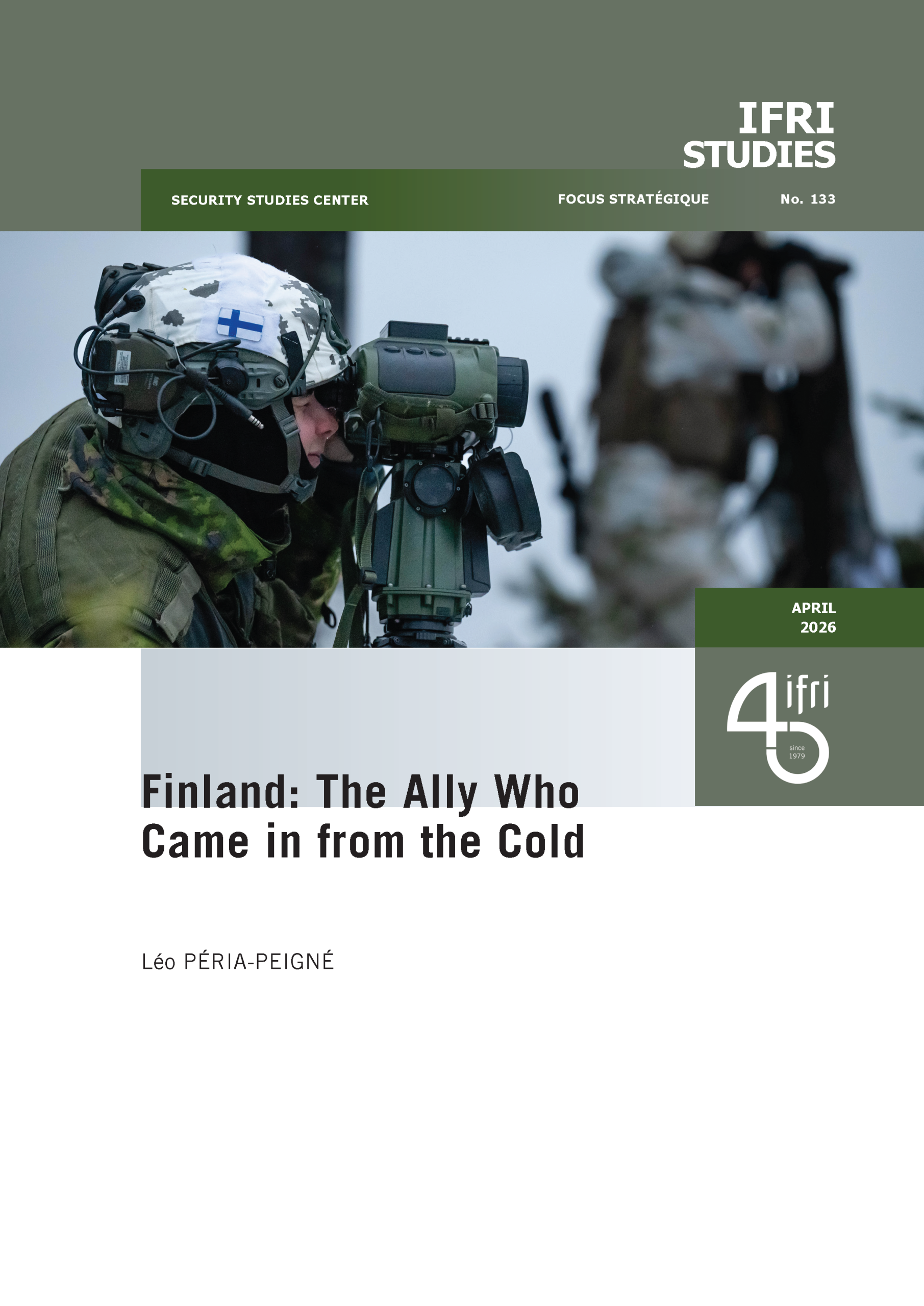
Among all European countries, Finland is perhaps the one whose strategic culture and military model have changed the least since the end of the Cold War. Built after the end of the Second World War to deter a potential new Soviet invasion, this model enabled Finland to serve as an example of European rearmament.
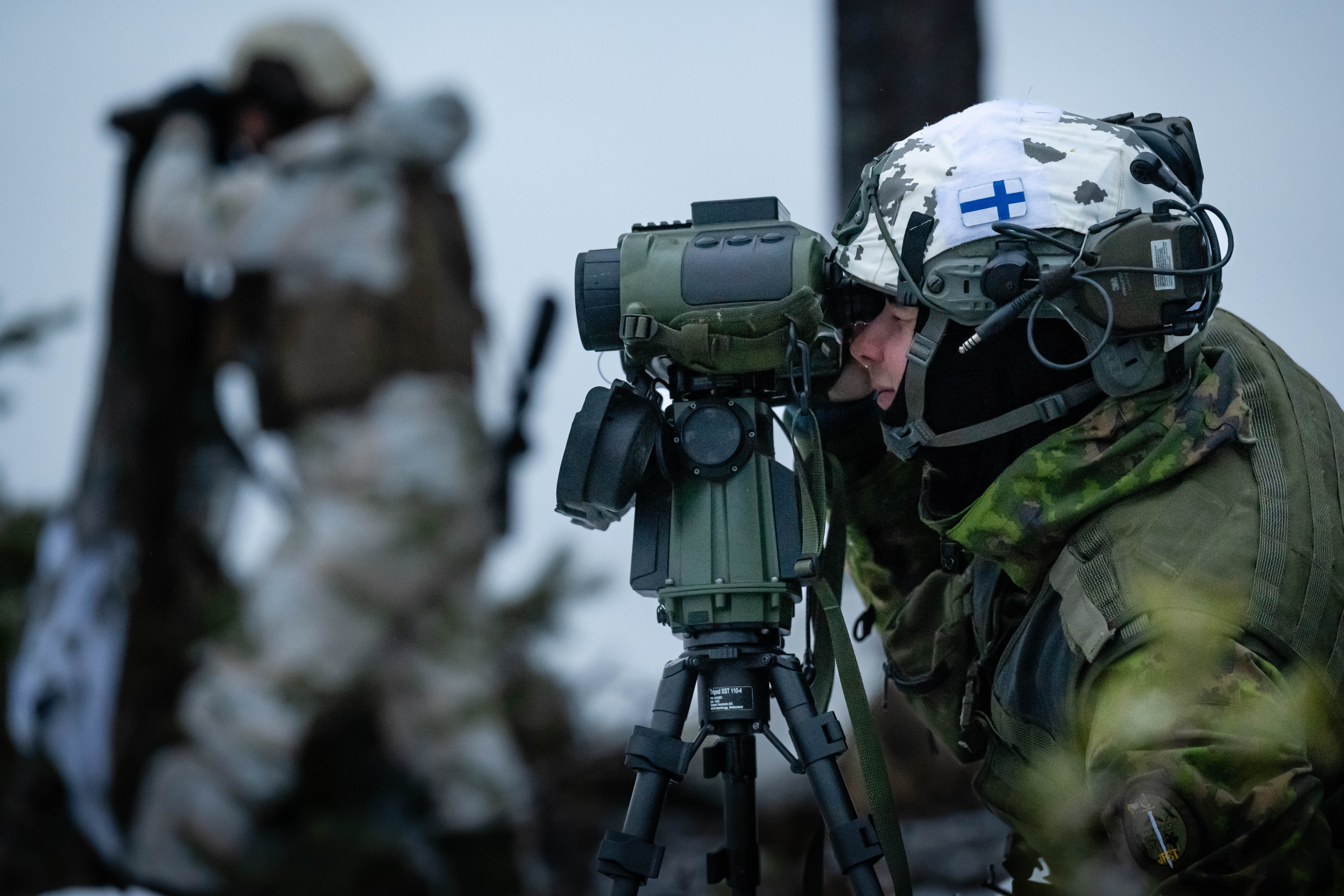
With its few million inhabitants, Finland has thus established a culture of total defense that is rare in Europe, combining concern for food and energy self-sufficiency, the protection of the population, and the preservation of the conscription model to enable the country to defend itself.
Formalized in 2023, Finland's accession to the North Atlantic Treaty Organization (NATO) has profoundly transformed Finnish strategy, which is now part of a broader European alliance facing Russia. While the links between Helsinki and the Atlantic Alliance are in fact older, accession remained a major political taboo, with neutrality long perceived as a guarantee of peace. Finland can therefore now integrate into a larger military structure while maintaining a regional dynamic revitalized since 2022 through the Nordic Defence Cooperation (NORDEFCO).
From a military perspective, the Finnish armed forces were adapted from the outset to face a conflict with the Soviet, and later Russian, neighbor. The land forces are therefore structured around an extensive conscription model that makes the defense of the territory a matter for every citizen. More austere than most European forces, they seek to rely on their knowledge of the harsh Finnish environment to sustain an elastic defense if Russia attacks. For its part, the Finnish navy possesses limited means but retains rare naval mining capabilities to deny the adversary access to its coasts or even to isolate it at the end of the Gulf of Karelia. Moreover, modernizing the fleet and acquiring larger vessels could open new tactical opportunities. Finally, the Finnish air force relies on a logic of dispersal of its assets to guarantee its survival, a logic that could be called into question by the acquisition of F-35 fighter-bombers, which are far more complex to operate from improvised infrastructure.
Long-standing relations between Paris and Helsinki have intensified since the outbreak of the conflict in Ukraine and France’s pivot to the East. This dynamic still needs to be confirmed over time, but it opens new prospects for the French armed forces. The multiplication of joint exercises across the different domains is, in this respect, an encouraging signal.

Available in:
Themes and regions
ISBN / ISSN
Share
This page contains only a summary of our work. If you would like to have access to all the information from our research on the subject, you can download the full version in PDF format.
Finland: The Ally Who Came in from the Cold


Léo PÉRIA-PEIGNÉ
Research Fellow, Security Studies Center, Head of the Defense Research Unit, Ifri

Security Studies Center
Heir to a tradition dating back to the founding of Ifri, the Security Studies Center provides public and private decision-makers as well as the general public with the keys to understanding power relations and contemporary modes of conflict as well as those to come. Through its positioning at the juncture of politics and operations, the credibility of its civil-military team and the wide distribution of its publications in French and English, the Center for Security Studies constitutes in the French landscape of think tanks a unique center of research and influence on the national and international defense debate.

Confronting Russia’s High-Velocity Arsenal: European Challenges and Solutions
Since February 2022, Russian missile and long-range drone strikes against Ukraine have served as near-daily reminders of what European states could face in a war with Russia. The same weapon systems battering Ukrainian infrastructure and population centers would be directed against European military and civilian targets in any confrontation between Russia and NATO. As Russian missile production expands and its arsenal diversifies, Europe must confront an uncomfortable question: how to deter, and if push comes to shove, fight Russia's long-range strike arsenal?
The War on Terrorism: Global Experts Reflect on Lessons Learned Twenty-Five Years After 9/11
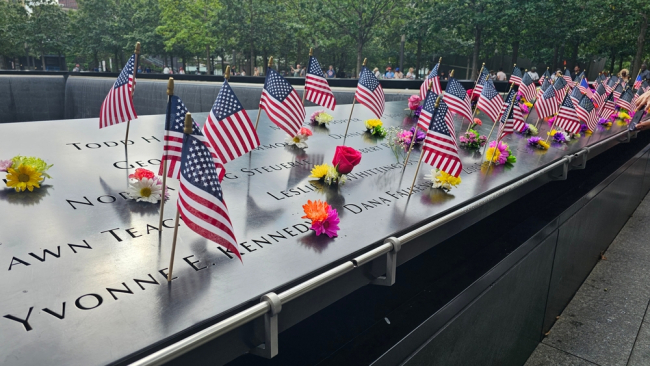
Twenty-five years ago, the September 11 attacks prompted the invention of new security architectures that shaped the war on terrorism. Sixteen think tank experts from fifteen countries reflect on the successes, failures, and missed opportunities in the fight against terrorism—a fight that is still ongoing.
From Corsairs to Private Military Contractors. Nonmilitary Maritime Actors and the Historical Continuities of Naval Warfare
Since late 2023, several Houthi attacks on commercial shipping have involved privately contracted armed teams conducting defensive engagements and coordinating immediate response efforts, often in the relative absence of regular naval forces during the immediate hostilities at sea. These cases highlight a strategic tension that increasingly confronts modern navies. On the one hand, they are expected to conduct persistent, low-intensity maritime security tasks such as counterpiracy, maritime policing, and the protection of commercial shipping. On the other hand, they face renewed pressure to prepare for high-intensity conflict against peer and near-peer adversaries amid the return of great power competition.
Framework Nation: A European Challenge and French Ambition
First appearing in the early 2000s, the framework nation concept follows several distinct rationales, whether it refers to a country assuming the leadership of a military operation, directing a multinational capability project, or commanding a permanent force structure. In every case, the country that takes on this role fully intends to derive from it additional politico-military influence.