




213 publications for "geopolitical"
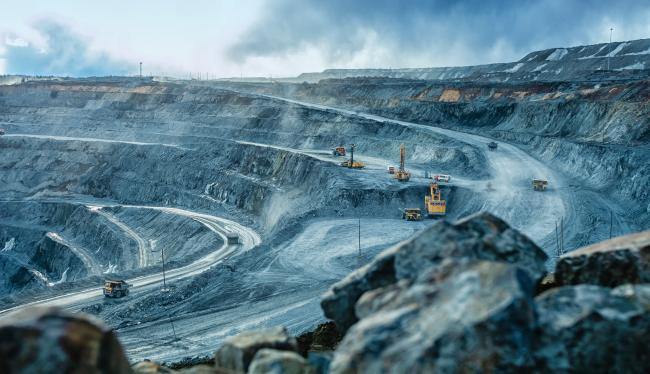
Russia’s Mining Strategy: Geopolitical Ambitions and Industrial Challenges
In addition to being a leading gas and oil power, Russia also possesses vast geological resources that place it among the world’s leading mining countries.

The Technology Policies of Digital Middle Powers
Digital technology is an element of power in the international system as well as an area for competition among countries. The study provides a qualitative comparison of the technology policies of nine of the digital middle powers: Brazil, India, Israel, Japan, Kenya, Nigeria, Russia, South Korea, and the United Kingdom. It seeks to reflect the diversity of national technology policies, as well as to identify those countries’ convergences and divergences with Europe, the United States and China.
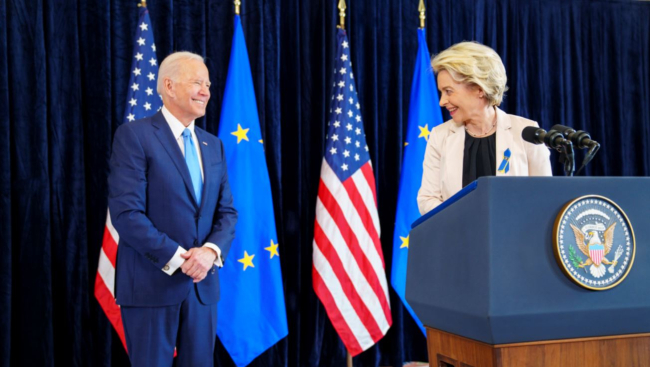
Digital Sovereignty: European Policies, American Dilemmas
European digital sovereignty has been made a priority by Ursula von der Leyen’s European Commission. Due to the privileged position of American companies in the European market, Brussels’ efforts towards digital sovereignty (on privacy, antitrust, data sovereignty, etc.) are closely scrutinized by American policymakers.

Mitigating Geopolitical Risk – Japan as a Stabilizer in Asia
In the current tumultuous geopolitical setting, Tokyo may have a very specific, stabilizing role to play.
Software Power: The Economic and Geopolitical Implications of Open Source Software
Open source is at the heart of the Internet infrastructure, of the software used by individuals or governments, and of the innovation processes of tech companies. Faced with threats to the security and sustainability of the open source model, governments are getting a hold of the topic, which is becoming increasingly geopolitical.

Neither Surveillance nor Algorithm-driven Consumerism. Toward an Alternative European Model for Smart Cities
Numerous smart city projects are emerging, guided by objectives of efficiency and improvement of public policies. All of them are based on intensive use of data and digital tools, but their concrete achievements take various forms. Some models are being exported and are becoming levers of influence, while Europe is still looking for its own path.
Open Innovation in Defense. Passing Fad or New Philosophy?
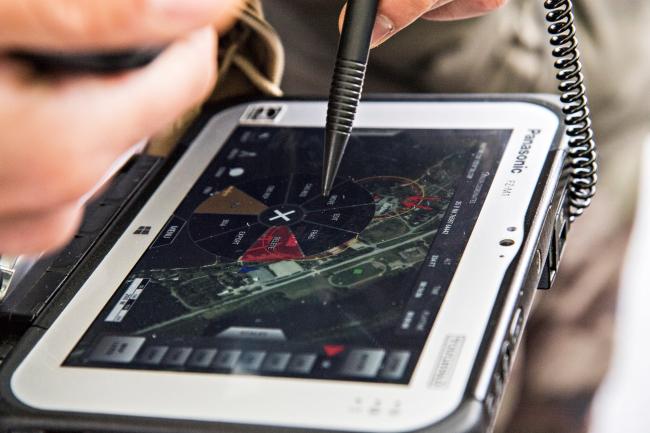
The use of civilian technologies on the battlefield—one of the lessons that can be drawn from recent conflicts—is attracting growing interest from the armed forces of France and other nations. The growing number of examples of effective integration of civilian technologies into the armed forces, including during conflict, shows the importance of open innovation and the acceleration of the international race toward innovation in the defense industry.
“Open” Telecom Networks (Open RAN): Towards a Reconfiguration of International Competition in 5G?
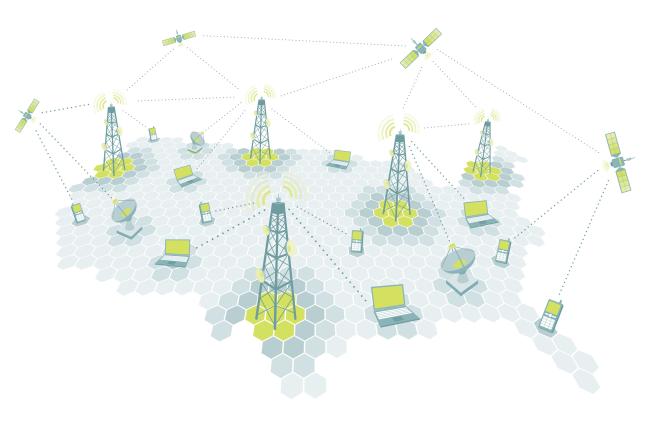
In line with the anti-Huawei diplomatic campaign of the Trump and Biden administrations, the United States has promoted an alternative: Open RAN, a concept defined by "open" network architectures. At the intersection of 5G geopolitics and standards, what risks and opportunities does Open RAN present for European technological sovereignty?