




Russia-Eurasia
Eurasia is undergoing profound changes. While the Soviet past has left a lasting imprint, Russia and the countries of Eastern Europe, Central Asia and the South Caucasus have their own trajectory.
Related Subjects

Russia, France look for way out of geopolitical deadlock
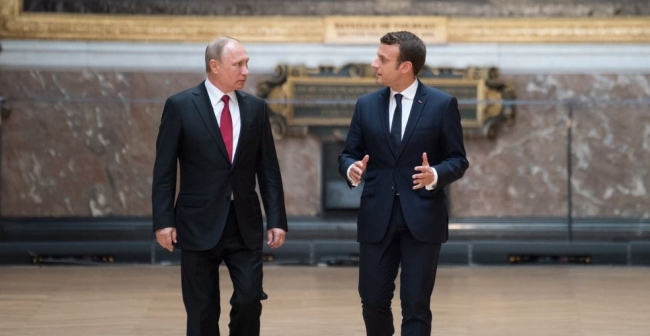
On Thursday, Russian President Vladimir Putin and his French counterpart Emmanuel Macron are due to hold a meeting in St. Petersburg.

Macron Heads to Russia in European Effort to Salvage Iran Deal
French President Emmanuel Macron’s trip to Russia this week once threatened to split France from its European allies. Now it’s part of a wider European effort to tie President Vladimir Putin to the Iran nuclear accord.

As fighting rages, can Russia forge a peace in Syria?
Nearly two and a half years after the Russian military began an intensive bombing campaign in Syria in support of Syrian President Bashar al-Assad, Russia is struggling to engineer a political solution in the war-ravaged country, analysts say.

Missiles of March: A political means of last resort for Putin
President Vladimir Putin’s extra-heavy emphasis on new strategic missile systems in his March 1 address to parliament was quite unexpected and rather out of character.

RT Brings Its Russian Perspective to France
PARIS — Minutes after it began broadcasting on Monday night, the new television channel RT France took aim at the country and its president, Emmanuel Macron. “President Assad accuses France of supporting terrorism,” the scroll at the bottom of the screen stated. France and the United States are part of a coalition committed to removing Syria’s president, Bashar al-Assad, and Mr. Assad has accused France of merely prolonging Syria’s civil war, which has claimed hundreds of thousands of lives since 2011.

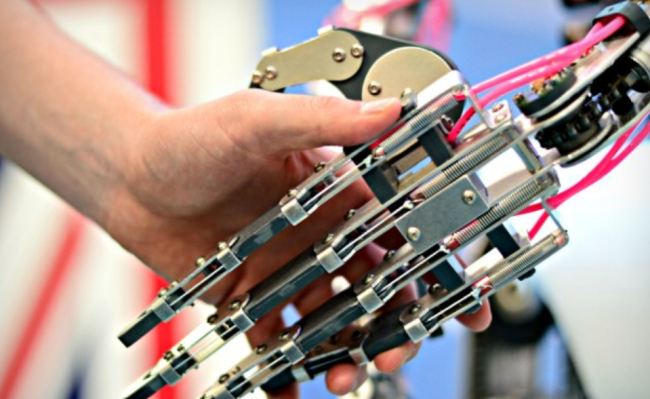
Artificial Intelligence, The New Chess Piece Of Geopolitics
China, Russia and the U.S. see potential and risks. And for now, there's still no form of governance to oversee AI development — technology moves faster than diplomacy.
Anatomy of the Russian cultural diplomacy in the post-Soviet era
The article discusses Russia’s cultural diplomacy understandings in the post-Soviet era, as implemented since the mid-2000’s.
Nordic Countries in the Face of Russian Action in the Baltic and Kaliningrad
Nordic countries share the same perception, that Russia does not pose an immediate threat but that its actions nevertheless remain worrying.
Minsk-Beijing: What Kind of Strategic Partnership?
Sino-Belarusian relations are characterized by a gap between the quality and depth of the countries’ political partnership on the one hand, and the more limited economic reality of bilateral cooperation on the other.
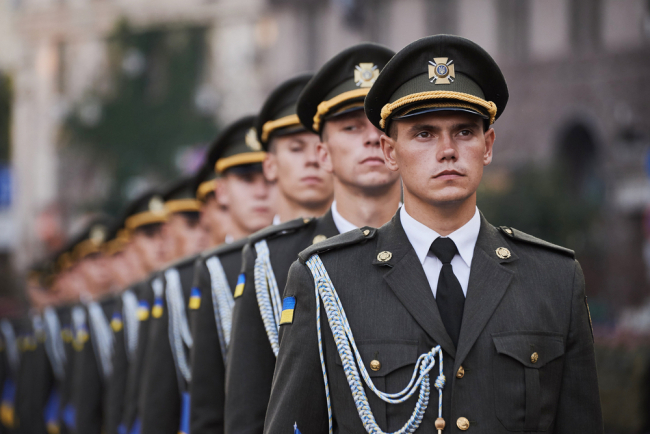
Reforming Ukrainian Defense: No Shortage of Challenges
Ukraine’s conflict with Russia has highlighted the catastrophic state of Ukraine’s defense apparatus.

Moscow Eyes the French Elections
With just a few weeks left until French voters head to the polls, far-right presidential candidate Marine Le Pen made her way to Moscow for a surprise meeting with Russian President Vladimir Putin.

Emmanuel Macron aide blames Russia for hacking attempts
Russia watchers say Moscow is deploying considerable resources to swing the French election.
The NPT and the Origins of NATO’s Nuclear Sharing Arrangements
Russia has recently accused the United States and NATO Allies of violating the Treaty on the Non-Proliferation of Nuclear Weapons (NPT) by arguing that NATO's nuclear sharing arrangements are not permitted under the Treaty.
The Russian Informational and Digital Influence Strategy in Europe
The article discusses Russia’s informational and digital strategy towards Europe. It focuses on its content, instruments, infrastructures and techniques.
Russia's Asia Strategy: Bolstering the Eagle's Eastern Wing
Among Russia’s strategic priorities, Asia traditionally played a secondary role compared to the West. In the mid-1990s, then Foreign Minister Yevgeny Primakov initiated a rapprochement with China and India. Then, in 2014, deteriorating relations between Russia and the West prompted Moscow to begin its “great pivot to the East”.
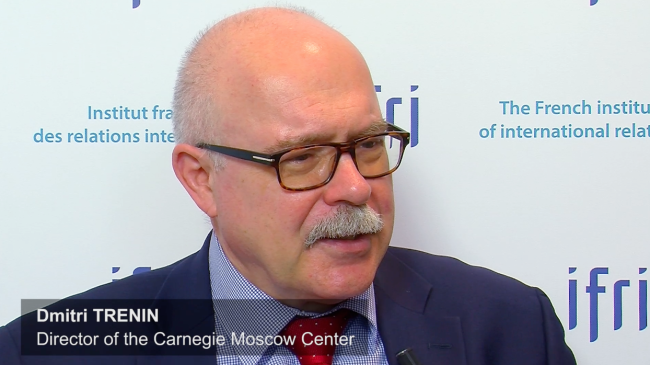
Russia's Pivot to Asia. Assessment and Strategic Implications. - Interview with Dmitri Trenin, director of the Carnegie Moscow Center
Russia's Pivot to Asia. Assessment and Strategic Implications.
Dmitri Trenin, director of the Carnegie Moscow Center, analyses the factors driving Russia’s push to expand its influence in Asia. Interview recorded at the French institute of international relations on 15 April 2016.

The Return of Geopolitical Risk - Russia, China and the United States
The year 2014 was defined by the conflict in Ukraine, the emergence of Daesh, and tensions between China and Japan. As for 2015, it has witnessed the spread of Daesh, the conflict in Yemen, the Greek crisis, revelations about the activity of the National Security Agency (NSA), the migrant crisis, and a ramping-up of terrorist attacks.
Russia’s Immigration Policy: New Challenges and Tools
A new stage in the development of Russia's migration policy is upon us. Since 2010, legal amendments and the Concept of Migration Policy of the Russian Federation to 2025, adopted in June 2012, marked a clear change in how migration flows are regulated, the aim being now to maximise the economic benefit of labour migration.
Can Washington move beyond "Ukraine fatigue"?
For the past two years, the United States has been at grips with an increasingly revisionist Russia in continental Europe. The crisis in Ukraine deteriorated the state of the bilateral relationship with Moscow [1] to what could be an all-time low since the end of the Cold War [2].
Ifri, a foundation recognized as being of public utility, relies largely on private donors – companies and individuals – to guarantee its sustainability and intellectual independence. Through their funding, donors help maintain the Institute's position among the world's leading think tanks. By benefiting from an internationally recognized network and expertise, donors refine their understanding of geopolitical risk and its consequences on global politics and the economy. In 2026, Ifri partners with over 90 French and international companies and organizations.

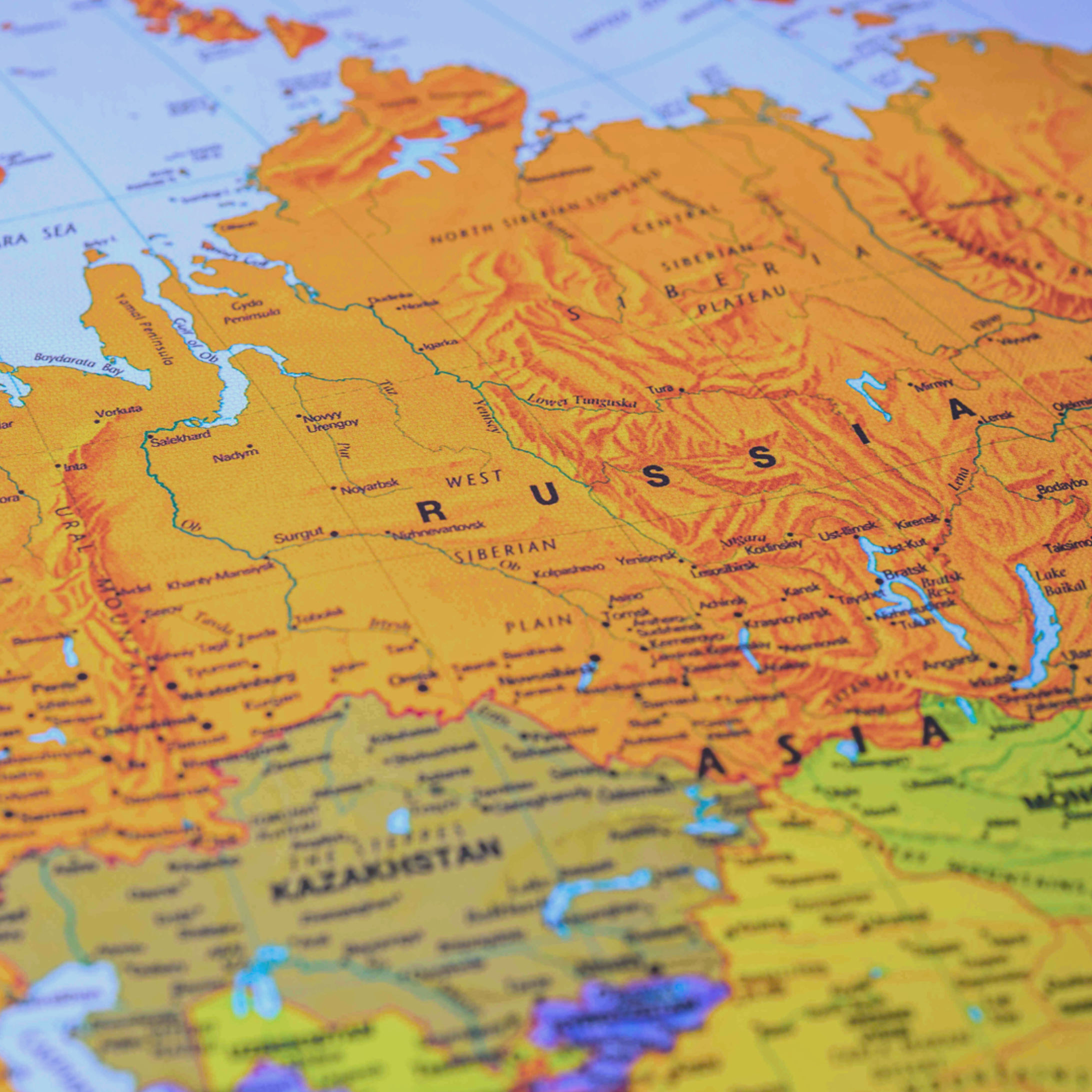
Founded in 2005 within Ifri, the Russia/Eurasia Center conducts research and organizes debates on Russia, Eastern Europe, Central Asia, and the South Caucasus. Its goal is to understand and anticipate the evolution of this complex and rapidly changing geographical area in order to enrich public discourse in France and Europe and to assist in strategic, political, and economic decision-making.