




Japan
Japan, the powerhouse of the Indo-Pacific, is an essential partner for Europe and France, against a backdrop of Sino-American rivalry and transformation of the international order.
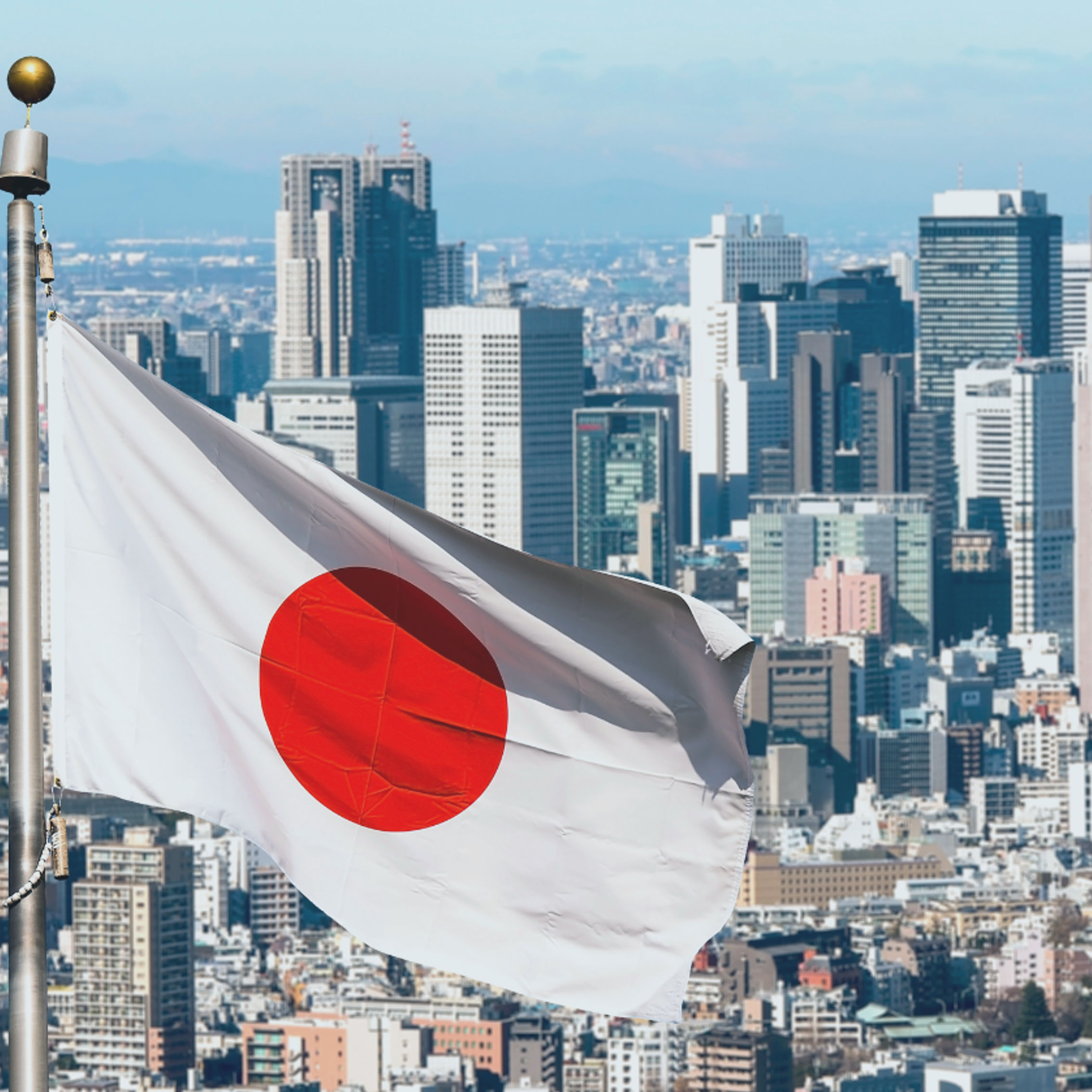


China's Fortress Fleet-in-Being and its Implications for Japan's Security
This paper analyzes the rise of maritime China and its implications for Japan’s security policy.
Security Partnerships in Japan's Asia Strategy: Creating Order, Building Capacity and Sharing Burden
During the last decade, Japan has sought partnership with many Asian nations - the drive remaining strong regardless of ruling parties. Newly elected Prime Minister Shinzo Abe of the Liberal Democratic Party of Japan is to continue this trend under the name of ‘value diplomacy".
Japan and the South China Sea: Forging Strategic Partnerships in a Divided Region
In the midst of growing tensions with China, Japan is deepening its strategic engagement in Southeast Asia. Preserving stability in the South China Sea, which is threatened by renewed frictions around contested territories, is a vital interest for sea lane-dependent Japan. Moreover, Tokyo considers Southeast Asian countries as crucial partners in balancing against an increasingly powerful and more assertive China.
Ballistic Missile Defense in Japan: Deterrence and Military Transformation
In December 2003, Japan decided to be the second country in the Asia-Pacific to deploy a ballistic missile defense (BMD) system.
Crossing the line: A new status quo in the East China Sea?
The decision of the Japanese Government to purchase a number of the Senkaku/Diaoyu islands from their private owner sparked fury in Beijing. Such spikes of fever between China and Japan are not without precedent. However, the gravity of this latest episode raises the question of whether a point of no return has been reached in the Sino-Japanese relationship.

Globalization of Japanese firms: Long-run Trends, Cross-sectional Variations, and Policy Implications
Japanese firms are increasingly involved in various global business operations - not only in traditional international trade in goods, but also in offshore production and the new mode of globalization: offshore outsourcing.
Rare Earths and the East China Sea: Why hasn't China embargoed shipments to Japan?
As tensions persist between China and Japan in the East China Sea, it is interesting to note that one of the most symbolic actions of the previous crisis has yet to make an appearance this time around.
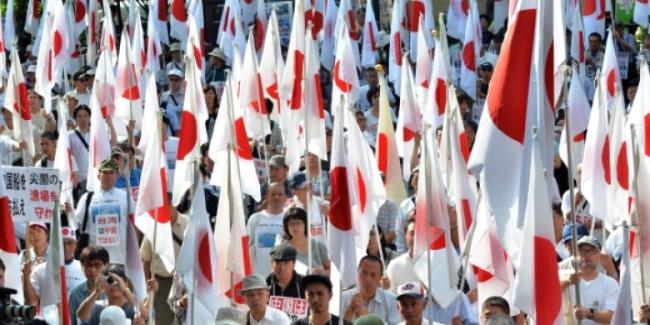
Positioning of Nuclear in the Japanese Energy Mix
Nuclear fission was discovered in the late 1930s. The first application went towards military use, and gradually expanded to civil use such as power generation. Power generation gained importance in two stages: firstly, to shift away from oil in power generation after the oil shocks in the 1970s, and second, to arrest climate change due to CO2-free nature of nuclear power more recently. This typically applies to Japan, which has become the world third largest in nuclear power generation. However, nuclear power is violent by nature, and major accidents of nuclear power plants shook the public confidence in nuclear safety. Japan has been put into such situation in a most radical way due to the Fukushima nuclear disaster of March 2011.
The Ongoing Economic Crisis - 3 & 4: The US Authorities and the Financial Crisis / Fiscal Austerity as a Mistake
This series of policy papers, published by Ifri and the Canon Institute for Global Studies, provides a Japanese perspective on the causes, the mechanisms and the consequences of the global economic crisis, as well as the measures implemented by the States to cope with it.
The Fukushima Nuclear Accident and a Long-Term Energy Vision for Japan
Ifri and the Canon Institute for Global Studies are launching a series of policy papers presenting the analyses of senior Japanese researchers on how the triple disasters that hit the archipelago last March have impacted Japan's economic, environmental and energy policies as well as country's crisis management system.
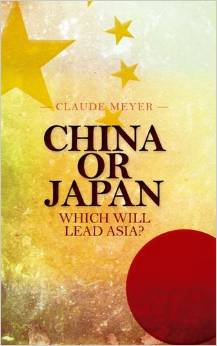
Innovation Policy Challenges for Japan: An Open and Global Strategy
Productivity is increasingly important in the Japanese economy as an aging and shrinking population is expected to constrain labor input. Thus, the creation of innovation is critical for realizing economic growth and maintaining Japan's international competitiveness. Specifically, emerging countries such as China and South Korea are quickly catching up on Japan's level of technological prowess in electronics and other high-tech industries. For that reason, continual investment in R&D and provision of products and services that are competitive in the global market are crucial for Japan's international competitiveness.
The Great East Japan Earthquake and Sino-Japanese Reconciliation
Ifri and the Canon Institute for Global Studies are launching a series of policy papers presenting the analyses of senior Japanese researchers on how the triple disasters that hit the archipelago last March have impacted Japan's economic, environmental and energy policies as well as country's crisis management system.
Japan: How Should Funds Be Raised for Rebuilding After the Disaster?
Ifri and the Canon Institute for Global Studies are launching a series of policy papers presenting the analyses of senior Japanese researchers on how the triple disasters that hit the archipelago last March have impacted Japan's economic, environmental and energy policies as well as country's crisis management system.
Special Farming Zones and Land-Use Planning for Reviving the Agricultural Industry
Ifri and the Canon Institute for Global Studies are launching a series of policy papers presenting the analyses of senior Japanese researchers on how the triple disasters that hit the archipelago last March have impacted Japan's economic, environmental and energy policies as well as country's crisis management system.
Restoring Health Care and Welfare Services after the Great East Japan Earthquake
Ifri and the Canon Institute for Global Studies are launching a series of policy papers presenting the analyses of senior Japanese researchers on how the triple disasters that hit the archipelago last March have impacted Japan's economic, environmental and energy policies as well as country's crisis management system.
Ifri, a foundation recognized as being of public utility, relies largely on private donors – companies and individuals – to guarantee its sustainability and intellectual independence. Through their funding, donors help maintain the Institute's position among the world's leading think tanks. By benefiting from an internationally recognized network and expertise, donors refine their understanding of geopolitical risk and its consequences on global politics and the economy. In 2026, Ifri partners with over 90 French and international companies and organizations.

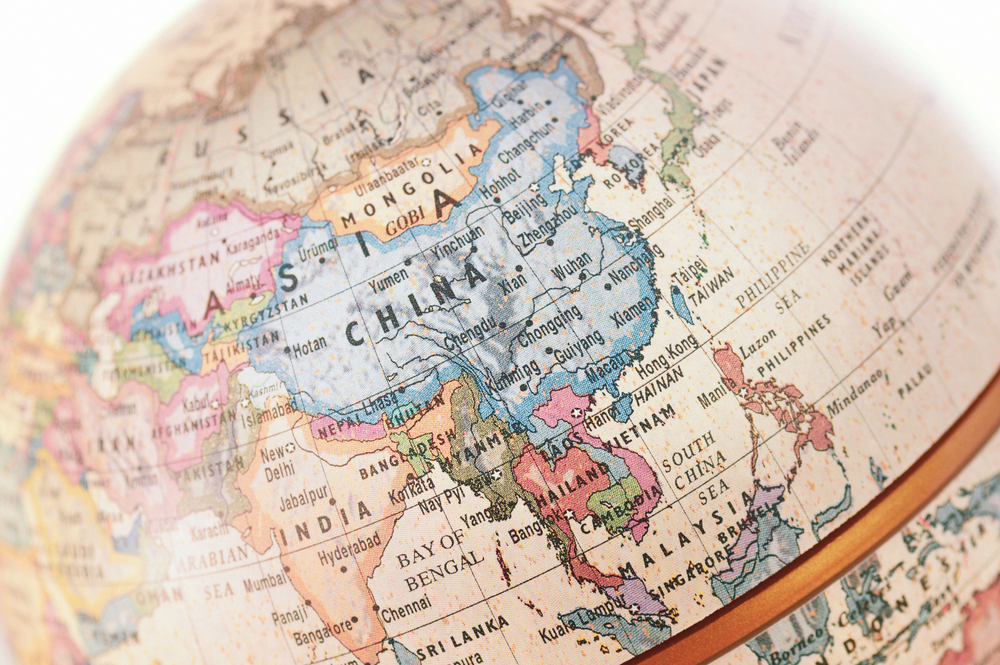
Asia is a nerve center for multiple global economic, political and security challenges. The Center for Asian Studies provides documented expertise and a platform for discussion on Asian issues to accompany decision makers and explain and contextualize developments in the region for the sake of a larger public dialogue.
The Center's research is organized along two major axes: relations between Asia's major powers and the rest of the world; and internal economic and social dynamics of Asian countries. The Center's research focuses primarily on China, Japan, India, Taiwan and the Indo-Pacific, but also covers Southeast Asia, the Korean peninsula and the Pacific Islands.
The Centre for Asian Studies maintains close institutional links with counterpart research institutes in Europe and Asia, and its researchers regularly carry out fieldwork in the region.
The Center organizes closed-door roundtables, expert-level seminars and a number of public events, including an Annual Conference, that welcome experts from Asia, Europe and the United States. The work of Center’s researchers, as well as that of their partners, is regularly published in the Center’s electronic journal Asie.Visions.