




North Africa and Middle East
Analysis of changing dynamics in the North Africa/Middle East region, against a backdrop of increasing conflicts and their political, economic and energy consequences.
→ Discover our series of analyses, "Gaza Through the World’s Eyes", exploring international perceptions of the Israeli-Palestinian conflict and its geopolitical repercussions.
Related Subjects
Ifri, a foundation recognized as being of public utility, relies largely on private donors – companies and individuals – to guarantee its sustainability and intellectual independence. Through their funding, donors help maintain the Institute's position among the world's leading think tanks. By benefiting from an internationally recognized network and expertise, donors refine their understanding of geopolitical risk and its consequences on global politics and the economy. In 2026, Ifri partners with over 90 French and international companies and organizations.

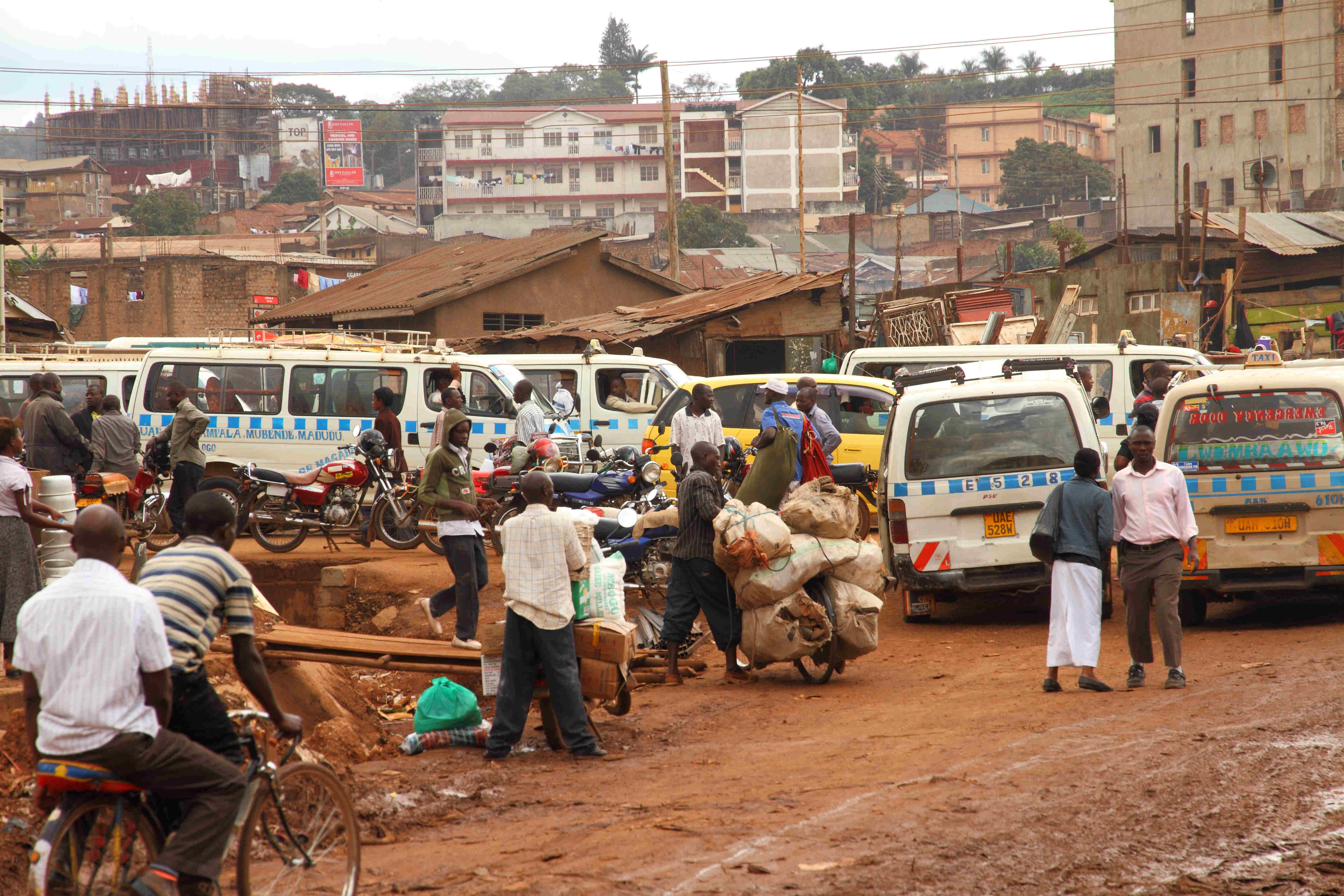
Sub-Saharan Africa's cities are experiencing the fastest growth rates in the world. By 2050, most of the countries in the region will have made an urban transition, meaning that more than 50% of their population will live in urban areas. Urban growth is often presented as a cornerstone of the continent's socio-economic development.
To assess these challenges Ifri’s Sub-Saharan Africa Center is launching, in May 2022, a research program looking into the major socio-economic and geopolitical challenges of urban dynamics on the continent.
The program deals with urban development in Africa through a sectoral and cross-cutting approach based on three key sectors:
- Land issues are the foundation of urban life. Each urban project triggers changes within the relationship between land and its inhabitants.
- Urban infrastructure is often presented as a solution to the challenges of demographic growth in cities. However, the lack of infrastructure and its financing remains a concern for specialists.
- The mobility of goods, people and financial flows is characteristic of urban life and drives the multiple links between cities and the countryside. Analyzing the urban-rural continuum is at the heart of this program's objectives.
Research will be conducted at the macro (continental), meso (country), and micro (city/neighborhood) levels and will be promoted through events and publications.
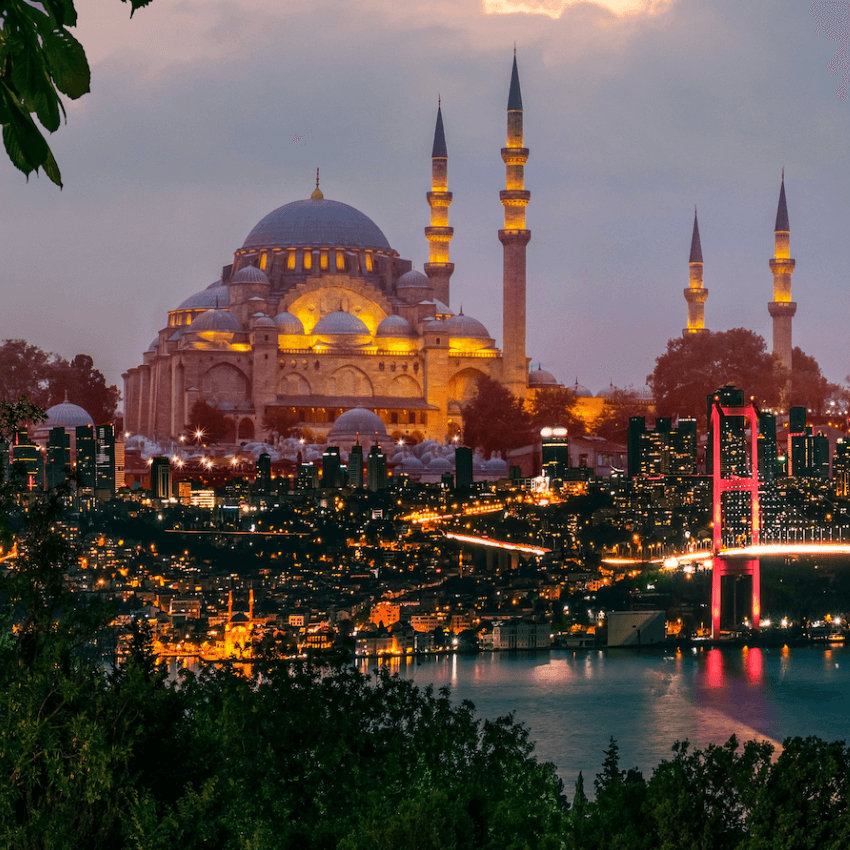
Ifri's Turkey/Middle East Program aims to provide expertise on the trends and developments in politics, societies and economies across the region.
The programme has the following objectives:
- Proposing a new approach towards the MENA region through an analysis of local, regional, and international dynamics with the potential to guide and influence new policies.
- Highlighting the role of foreign powers which have traditionally been present in the region and analyzing the new role taken on by emerging countries ;
- Anticipating new directions and outlooks in each country.
- Interpreting risks and potentials and putting forward new templates for analysis.
The programme has built a dense network of researchers and experts who provide expertise on the MENA region and working together on a range of crosscutting themes.