


Russia-Eurasia
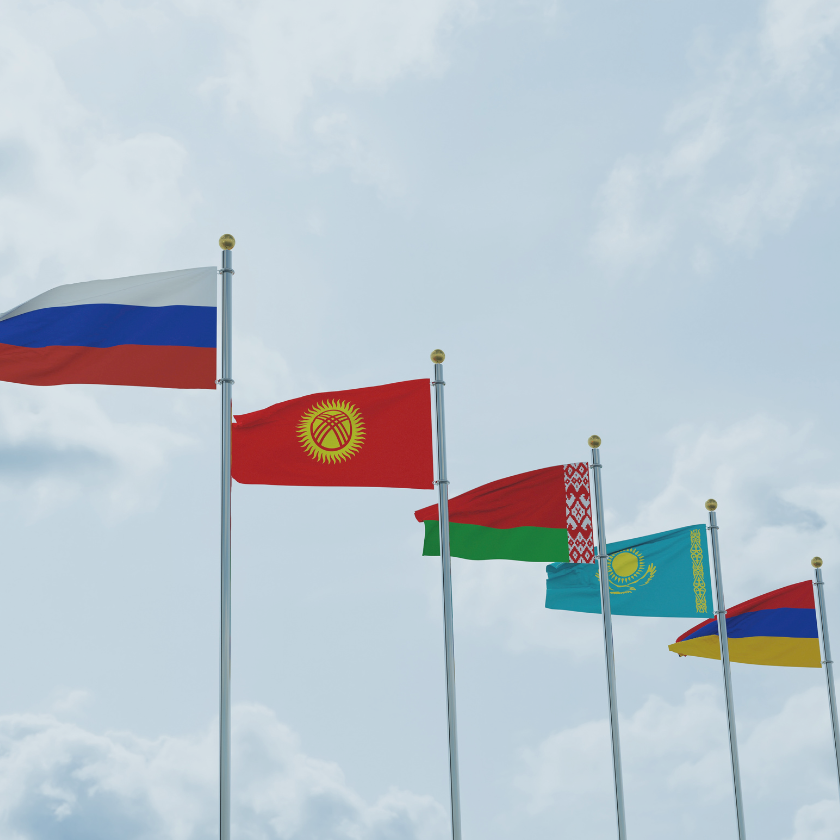
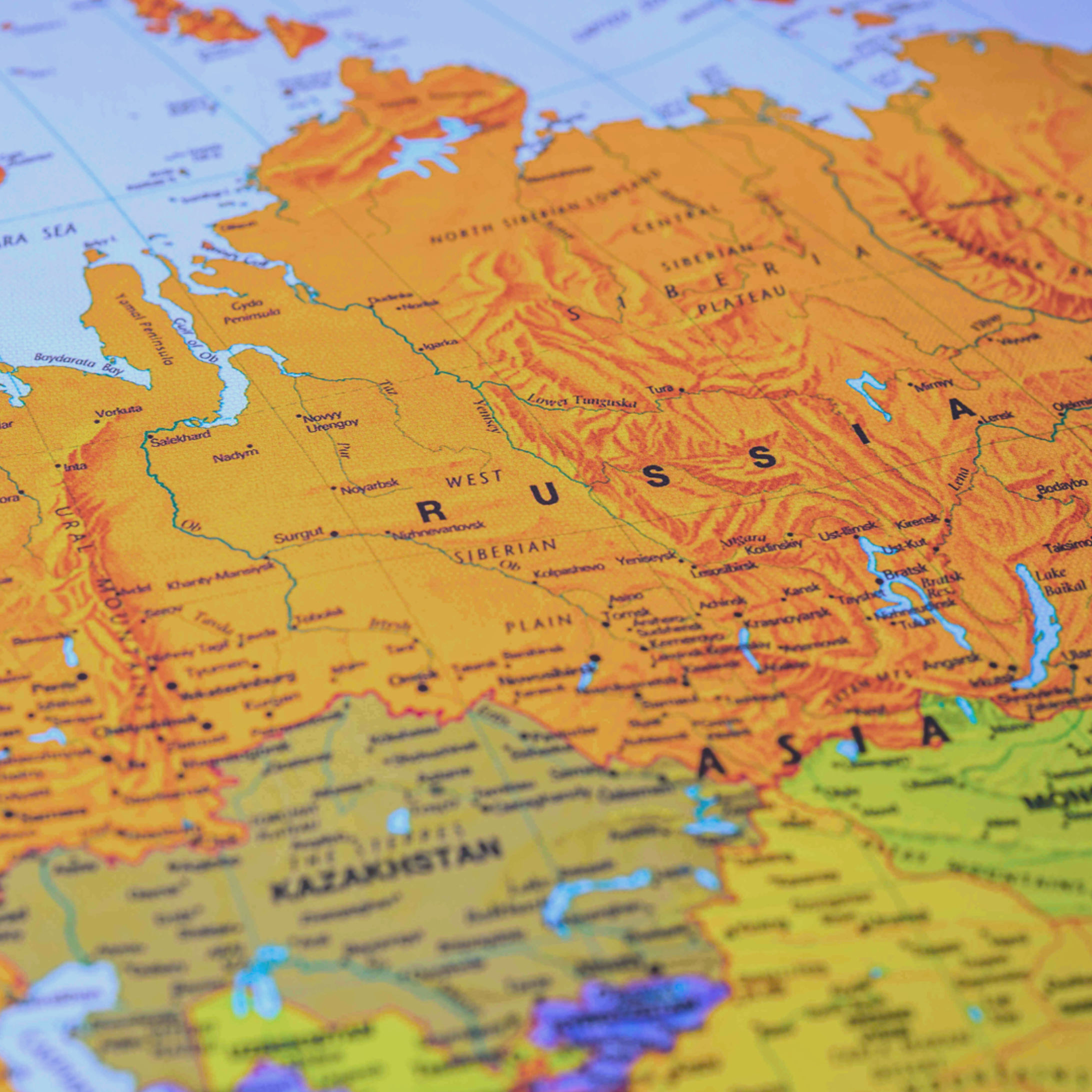
Eurasia is undergoing profound changes. While the Soviet past has left a lasting imprint, Russia and the countries of Eastern Europe, Central Asia and the South Caucasus have their own trajectory.
Related Subjects
Europe-Russia: Balance of Power Review
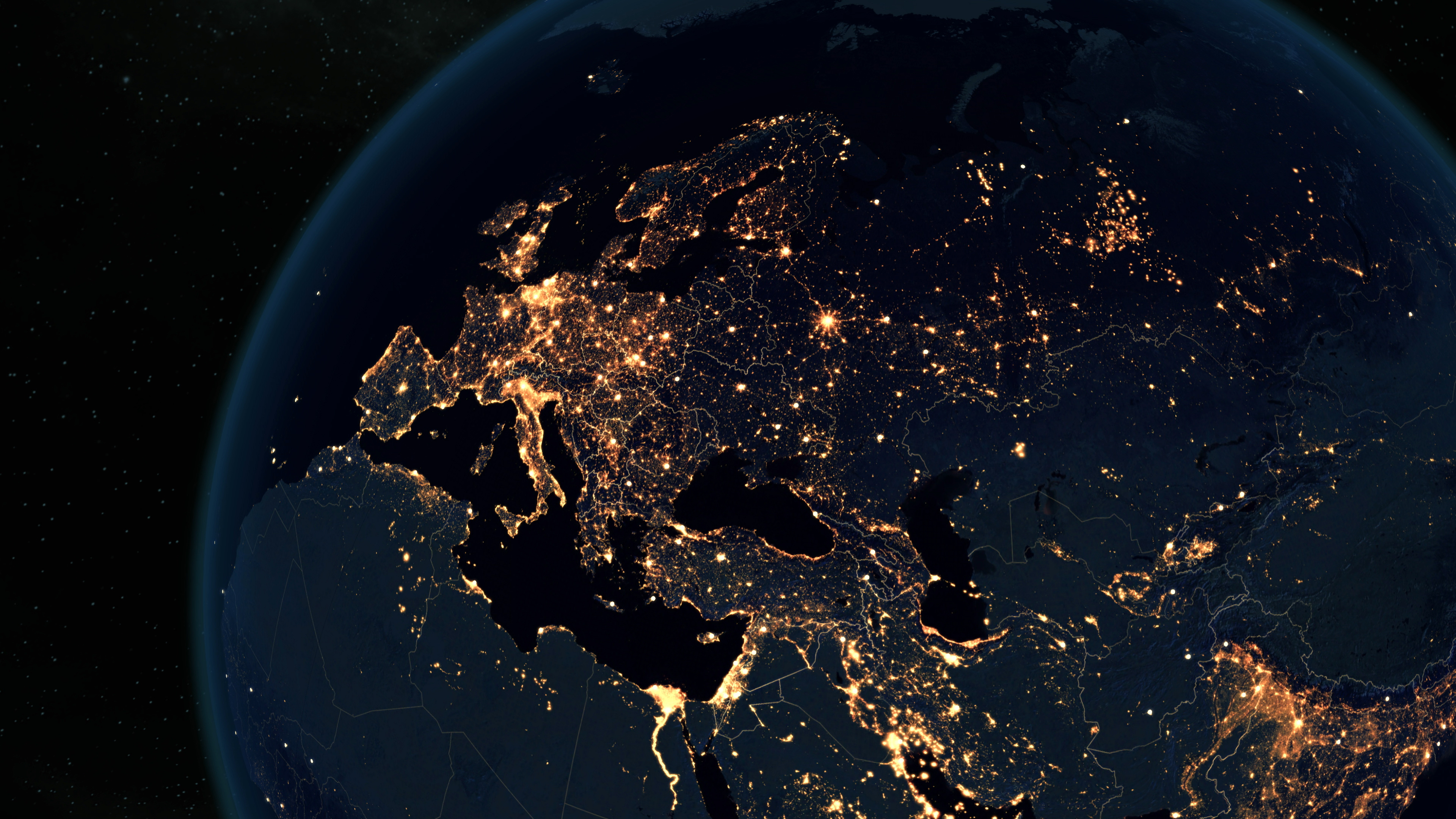
European countries can no longer avoid the "Russian question," as Russia has chosen war. They have the necessary potential—that is, the economic means, military capabilities, and technological expertise—to face Russia by 2030, provided they demonstrate the political will to do so.


Global Focus: Has the War in Ukraine United Europe?
Does the war in Ukraine change the prospect of European Union enlargement? What is the possibility and future of Europe's common foreign and security policy? Does russian aggression unite or unify Europe and what is the role of the European political community? What is Russia's ultimate strategic goal?


Military briefing: How will Russia’s mobilisation affect the war in Ukraine?
Kyiv expects new recruits to appear within two months but Moscow struggles with training and logistical obstacles.
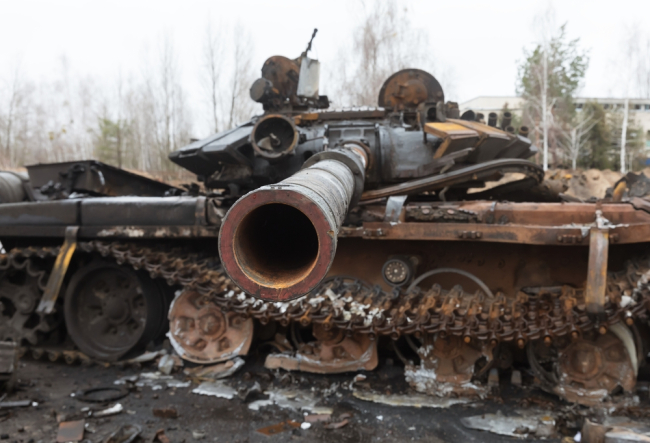
Russian army hobbled by shortage of soldiers
Following the last Ukrainian victories over the Russian Army in the Kharkiv oblast, Russian administration currently faces controversies. As a matter of fact, many question the degree of intensity Russian general staff has decided, avoiding for now general mobilization. According to Dimitri Minic, researcher attached to the Russia / NIS center at the French Institutes of International Relations and expert in russian armed forces, the current russian army not only lacks men but also modern equipment.

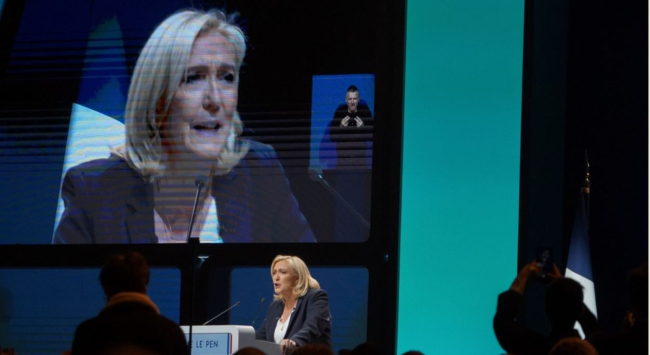
Le Pen Closer Than Ever to the French Presidency (and to Putin)
As elections approach Sunday, the far-right candidate is linked to the Russian president by a web of financial ties and a history of support that has hardly dimmed despite the war in Ukraine.


War In Ukraine: Why Mariupol Is A Priority Target For Russia
Since the beginning of the Russian invasion, the port city of Mariupol, located on the Sea of Azov, has been of great strategic interest to Moscow. Vladimir Putin has made it a symbolic objective.

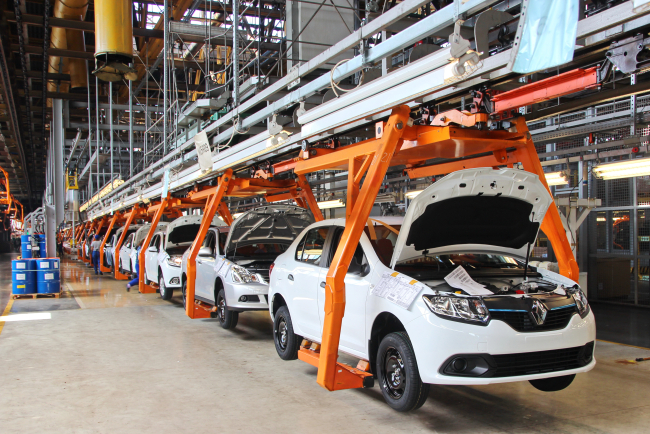
Renault’s Russia dilemma
Renault had for months been plotting to export a newfangled version of the Lada to the reste of the world. although realising that ambition remained some way off, it would have capped the revival of a brand arguably more synonymous with the Soviet Union than any other and which Renault first took a punt on in 2007 after then chief Carlos Ghosn identified Russia as a promising market.

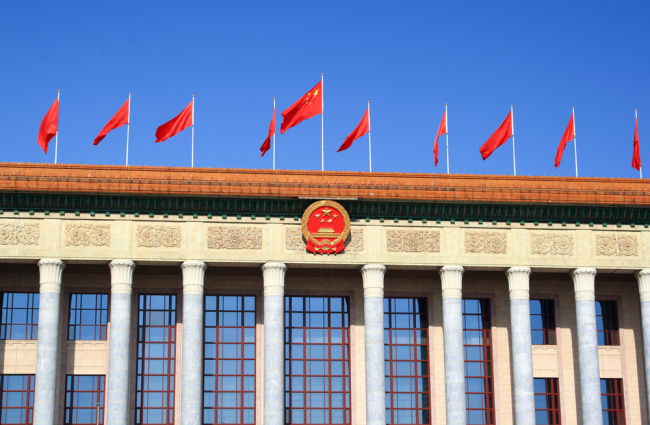
China sees at least one winner emerging from Ukraine war: China
Officials in Beijing believe it can take advantage of a distracted US and weakened Russia. The war in Ukraine is far from over, but a consensus is forming in Chinese policy circles that one country stands to emerge victorious from the turmoil: China.

After the riots, a new era in Kazakhstan?
In January 2022 Kazakhstan underwent its most serious political crisis since its independence, proclaimed on December 16, 1991. The increase in the price of fuel has set ablaze the west of the country in the grip of socio-economic marginalization, then the southern regions, traditionally more resistant to central power. What actually happened, and what consequences did these troubles have at the national and regional levels?
Putin’s War is Stuck, Beware The Rising Risks
Data on the concentration of Russian troops was solid; the diplomatic offensive executed by Moscow was deliberately disagreeable; yet, many experts (myself including) refused to accept the proposition on the coming war as “inevitable”.

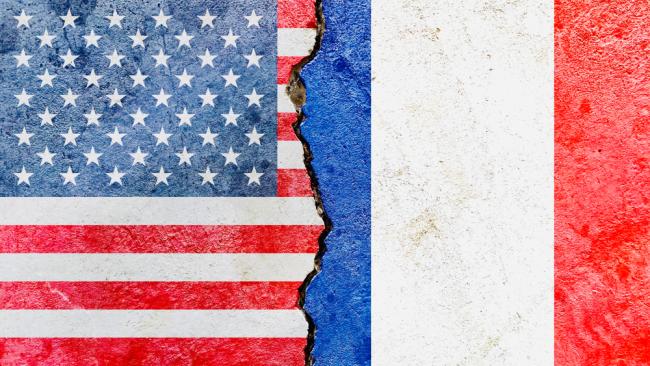
Sub snub just one symptom of longtime French unease with US
Born of a revolution fought for liberty, ties between the United States and its oldest ally, France, have long been fraternal, but they've also been marked by deep French unease over their equality.
Support independent French research
Ifri, a foundation recognized as being of public utility, relies largely on private donors – companies and individuals – to guarantee its sustainability and intellectual independence. Through their funding, donors help maintain the Institute's position among the world's leading think tanks. By benefiting from an internationally recognized network and expertise, donors refine their understanding of geopolitical risk and its consequences on global politics and the economy. In 2025, Ifri supports more than 80 French and foreign companies and organizations.
Related centers and programs
Russia/Eurasia Center
Founded in 2005 within Ifri, the Russia/Eurasia Center conducts research and organizes debates on Russia, Eastern Europe, Central Asia, and the South Caucasus. Its goal is to understand and anticipate the evolution of this complex and rapidly changing geographical area in order to enrich public discourse in France and Europe and to assist in strategic, political, and economic decision-making.