




3456 publications
The Gulf Economies and Energy Transition
The economies of the Persian Gulf are highly dependent on their petrol exports, particularly to Asia.
The Gulf: from Geopolitics to Plain Politics
The geopolitical shadow of the Gulf now extends far beyond the Middle East as a function the external dealings of Iran and the countries of the Arabian Peninsula.
Safe and Legal Pathways for Refugees: Can Europe Take Global Leadership?
More than 70 million people were forcibly displaced at the end of 2018. In that context, more safe and legal pathways to countries of asylum is a crucial challenge for the international protection regime. A toolkit is available to States and UNHCR, more particularly refugee resettlement.
The Green Deal’s External Dimension. Re-Engaging with Neighbors to Avoid Carbon Walls
The European Union (EU)’s Green Deal is a game changer with attention so far focused on forthcoming actions plans, the Climate Law, financial resources, the revision of the 2030 targets and of the emissions trading system (ETS).

U.S. Immigration Policy: The Making of a Crisis
Donald Trump’s election to the White House appeared to be the beginning of a profound change in the United States’ immigration policy. He reneged on bipartisan consensus that recognized the “positive contribution” of immigration to the country. This resulted in an increase in policies that affected all aspects of immigration. However, it is the most symbolic of Donald Trump’s goals: building a wall between the United States and Mexico that caused the longest government shutdown in American history.
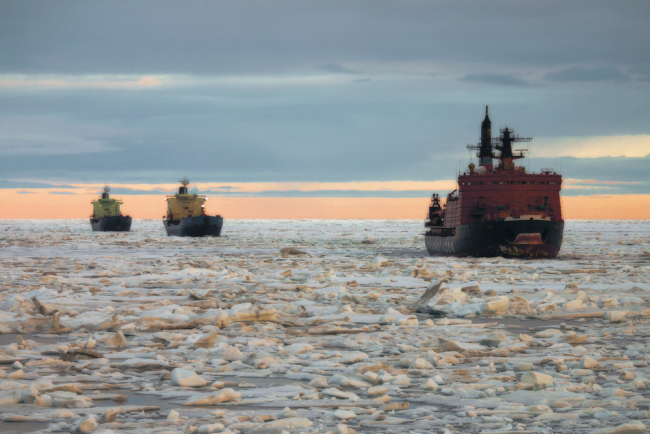
Russia’s Arctic Policy: A Power Strategy and Its Limits
Despite the deterioration of its relations with the West and economic stagnation limiting its room for maneuver, Russia continues to have an ambitious policy for the Arctic region.
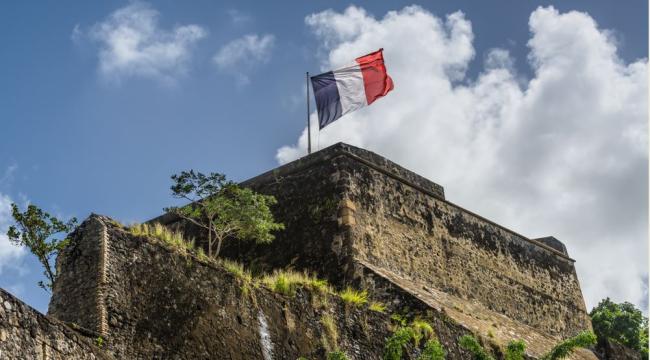
Confettis d’empire ou points d’appui ? L’avenir de la stratégie française de présence et de souveraineté
France is one of the few nations in the world to benefit from a permanent global military presence. With more than 10,000 military personnel from all three services, deployed across the five continents and the three main oceanic basins, it benefits from the second largest network of prepositioned forces in the world.
Japan’s Trade Policy in the Midst of Uncertainty
The multilateral trading system under the World Trade Organization (WTO) has been of the utmost importance for Japan’s trade policy.