






3452 publications
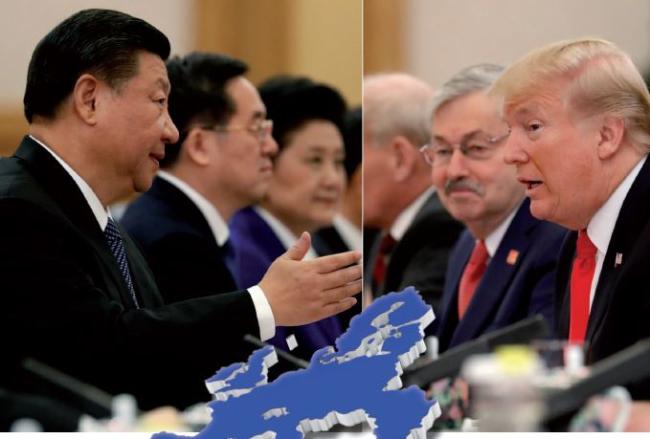
Europe in the Face of US-China Rivalry
Navigating the mounting tensions between the United States and China is a geopolitical minefield. Is Europe up to the challenge?

Sanctions and the End of Trans-Atlanticism. Iran, Russia, and the Unintended Division of the West
Sanctions have become the dominant tool of statecraft of the United States and other Western states, especially the European Union, since the end of the Cold War.
Civilian nuclear energy’s strategic dimension
French stakeholders in civilian nuclear energy are making a full diagnosis of the industry in order to cope with disappointments and lay down the conditions for relaunching programs for building reactors.
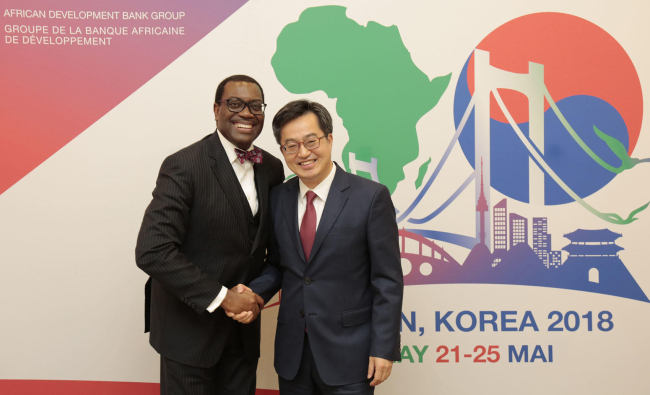
Korea in Africa: Between Soft Power and Economic Interests
Through development assistance and economic engagement, South Korea has sought to project itself as a different kind of partner for Africa. In reality, it is not so unique.

The Future of Europe in the Context of Sino-American Competition - Foreword
In this special issue of Politique étrangère devoted to the proceedings of the conference organized by Ifri on April 10, 2019, in the Grand Amphitheater of the Sorbonne, on the occasion of its fortieth anniversary, discover the speech by Bruno Le Maire, Minister of Economy and Finance.
The World of Yesterday and Tomorrow
In this special issue of Politique étrangère devoted to the proceedings of the conference organized by Ifri on April 10, 2019, in the Grand Amphitheater of the Sorbonne, on the occasion of its fortieth anniversary, discover the speech by Thierry de Montbrial, Founder and Executive Chairman of Ifri.
What Can Europe Hope to Achieve in Tomorrow's World?
In this special issue of Politique étrangère devoted to the proceedings of the conference organized by Ifri on April 10, 2019, in the Grand Amphitheater of the Sorbonne, on the occasion of its fortieth anniversary, discover the debate moderated by Christine Ockrent between Franziska Brantner, Jean-Louis Boulanges, Bernardino Leon, and Igor Yurgens.
The Future of Europe from the US and Asian Point of View
In this special issue of Politique étrangère devoted to the proceedings of the conference organized by Ifri on April 10, 2019, in the Grand Amphitheater of the Sorbonne, on the occasion of its fortieth anniversary, discover the debate moderated by Sylvie Kauffmann between John Allen and Kishore Mahbubani.