




Europe’s Power Grid Challenge: A Make-or-Break for Accelerating Electrification
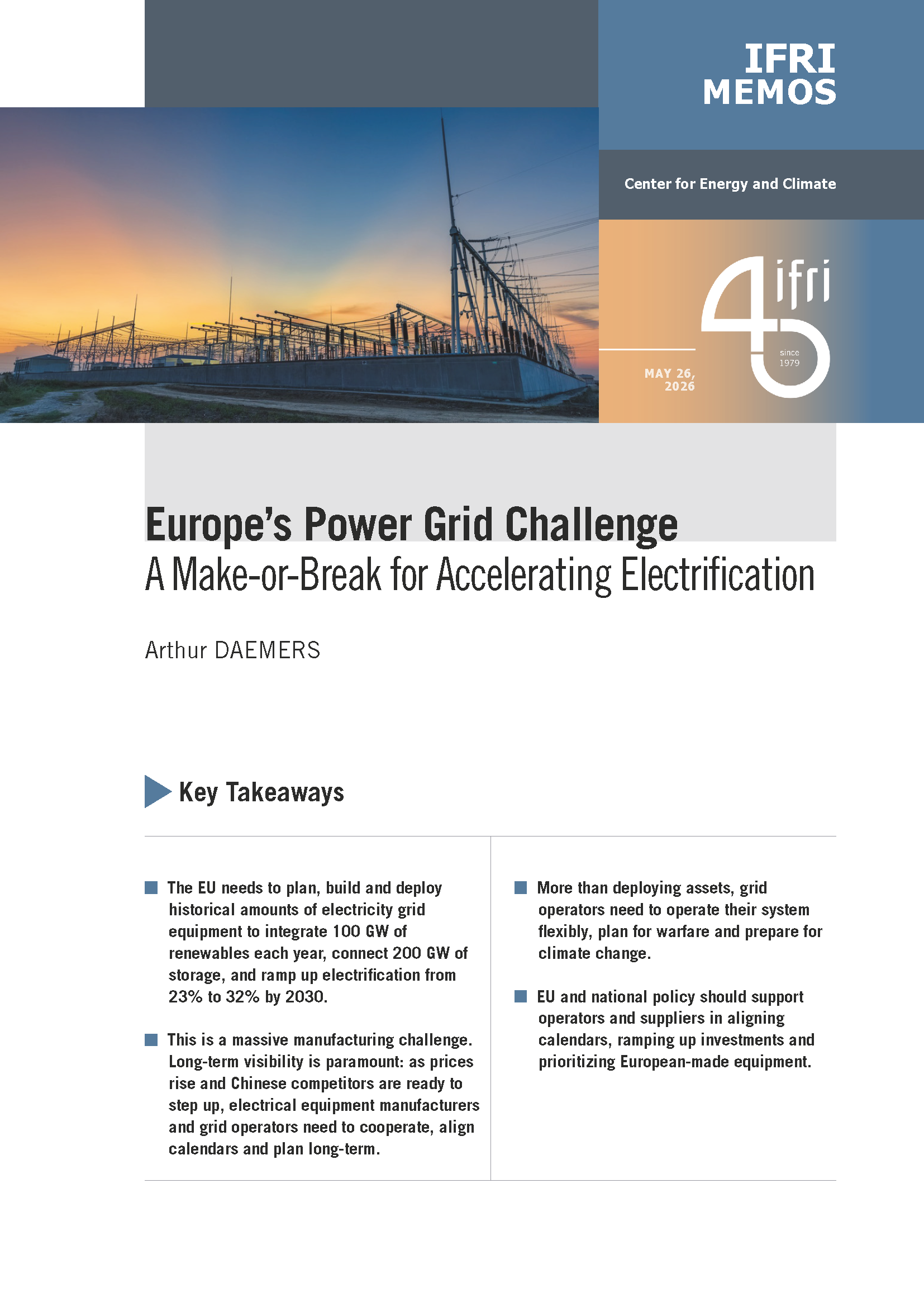
In April 2023, The Economist published an article pointing to the vast amounts of electricity infrastructure needed to reach energy transition goals.
Titre
Key takeaways
The EU needs to plan, build and deploy historical amounts of electricity grid equipment to integrate 100 GW of renewables each year, connect 200 GW of storage, and ramp up electrification from 23% to 32% by 2030.
This is a massive manufacturing challenge. Long-term visibility is paramount: as prices rise and Chinese competitors are ready to step up, electrical equipment manufacturers and grid operators need to cooperate, align calendars and plan long-term.
More than deploying assets, grid operators need to operate their system flexibly, plan for warfare and prepare for climate change.
EU and national policy should support operators and suppliers in aligning calendars, ramping up investments and prioritizing European-made equipment.
The article acts as a witness to Europe’s newfound interest in the grid’s challenge, which later materialized with policy proposals in the Grids Action Plan and Grids Package.
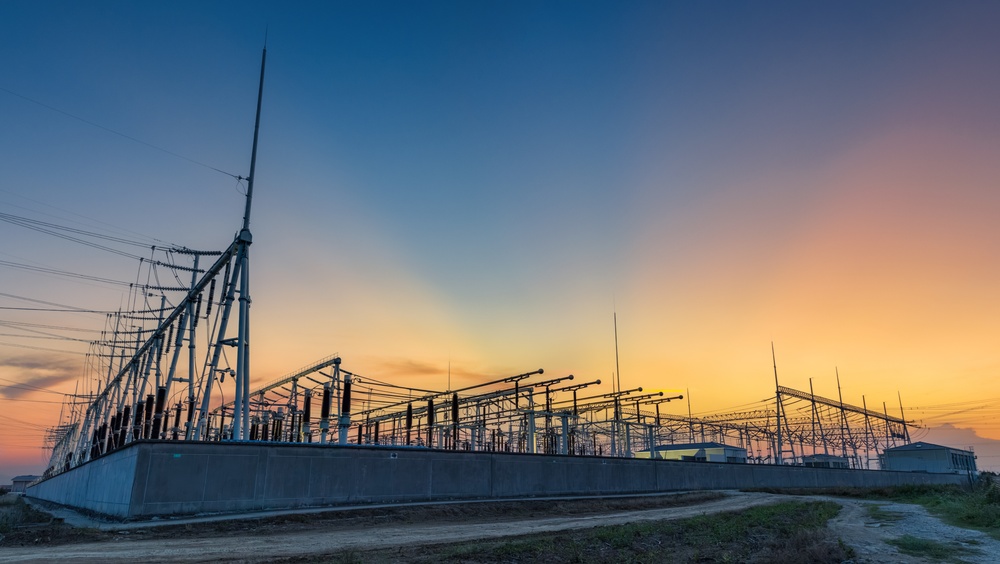
Integrating 100 gigawatt (GW) of cumulated solar photovoltaic (PV) and wind capacity each year and increasing the electrification rate from 23% to at least 32% by 2030 requires historical investments at every level. According to the European Commission (EC), the European Union (EU) needs to invest €1.2 trillion in electricity grids by 2040.
At a time of international warfare, shocks on oil & gas markets and heightened climate change impacts, the EC is choosing to double down on the energy transition. This legislative proposal mostly addresses the need for improved EU coordination in grid planning and accelerated permitting. However, crucial parts of the challenge remain, notably ramping up grid supply chains.
The grid buildout is limited by heavy constraints on the electrical equipment supply chains, which feature limited transparency and flexibility in ramping capacity up and down.
This forces system operators and other market participants to think of ways to optimize those investments, such as by signing long-term framework agreements and operating the system in a flexible way.
The infrastructure also needs to be built and operated in ways to make it resilient: adapted to climate change, acceptable for communities and prepared for military threats.
The EU’s entire energy transition can succeed or fail based on the continent’s ability to secure materials, build up supply chain capacities, plan, build and connect historical amounts of electricity grids in the next few years. This requires historical levels of coordination among operators, regulators and industry, who have no choice but to get this right, together.
>> Discover all of Ifri’s news and analyses on Energy and Climate.

Available in:
Themes and regions
ISBN / ISSN
Share
This page contains only a summary of our work. If you would like to have access to all the information from our research on the subject, you can download the full version in PDF format.
Europe’s Power Grid Challenge: A Make-or-Break for Accelerating Electrification



Center for Energy & Climate
Ifri's Energy and Climate Center carries out activities and research on the geopolitical and geoeconomic issues of energy transitions such as energy security, competitiveness, control of value chains, and acceptability. Specialized in the study of European energy/climate policies as well as energy markets in Europe and around the world, its work also focuses on the energy and climate strategies of major powers such as the United States, China or India. It offers recognized expertise, enriched by international collaborations and events, particularly in Paris and Brussels.
China’s Hydrogen Economy Five Years On
China’s hydrogen sector is not new. It is the world’s largest industrial hydrogen system, rooted in ammonia, methanol, refining, coal chemicals and by-product gas streams.
27 Plans for 2027: Turning the Electrification Action Plan into National Action
With the aim of structurally reducing the European economy’s dependence on fossil fuel imports and accelerating the energy transition, the European Commission has opted for electrification.
How to Make European e-SAF Production under RefuelEU Aviation Fly?
Three and a half years before the scheduled entry into force of the European regulation ReFuelEU Aviation (RFEUA), which requires aviation fuel suppliers at Union airports to offer a sustainable synthetic alternative (e-SAF), no sizeable commercial production unit (greater than 10,000 tons per year) is active within Europe yet, nor has it even passed the Final Investment Decision (FID). Is a major step in the European Union (EU) plans for decarbonizing air transport at risk of not happening, or at least being postponed for several years? Is Europe losing its bet to create a market for e-SAF? Under what conditions can this bet still be won? Could sovereignty and energy security preoccupations unlock necessary public support and help to overcome economic, financial, logistical or administrative obstacles?
The European Biomethane Sector at a Critical Juncture: Stronger Policy Alignment Will Matter
The European biomethane sector is at a critical juncture.