




3456 publications
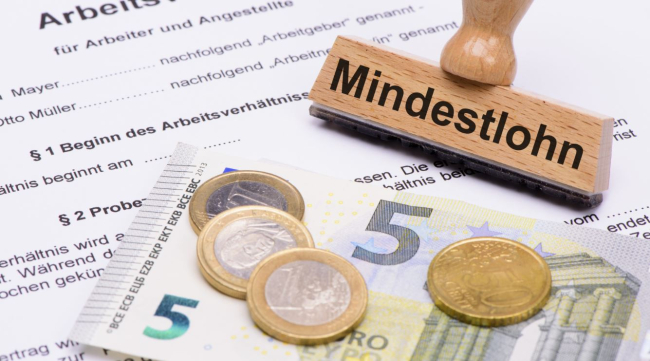
The introduction of the minimum wage in Germany: a first assessment
Germany introduced a minimum wage on January 1st, 2015 – a first in a country that had hitherto left it to the social partners to agree on salaries. This introduction came after vivid debates between those who fought against ever deeper inequalities and those who defended the nation’s competitiveness.

A Point of View on the UK Energy Policy
The United Kingdom chose to leave the European Union at a crucial moment for the Energy Union, and in a period when the necessity of leading a coherent energy transition is strongly shared by EU countries. In the light of this conjunction of events, this study analyses the determining factors of the UK energy policy.
The NPT and the Origins of NATO’s Nuclear Sharing Arrangements
Russia has recently accused the United States and NATO Allies of violating the Treaty on the Non-Proliferation of Nuclear Weapons (NPT) by arguing that NATO's nuclear sharing arrangements are not permitted under the Treaty.
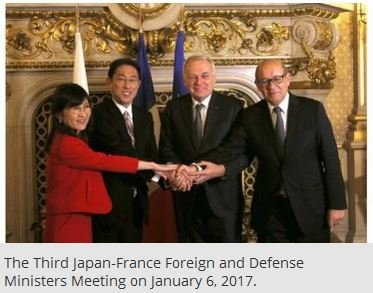
Japan and France: Slowly but Surely Moving Forward on Security Cooperation
Despite being geographically distant, France and Japan share a number of converging interests.
Central Asia: Facing Radical Islam
Twenty-five years after the fall of the Soviet Union and the declaration of independence by the republics of Central Asia, the issue of guaranteeing stability and security still looms large on Central Asia’s agenda.
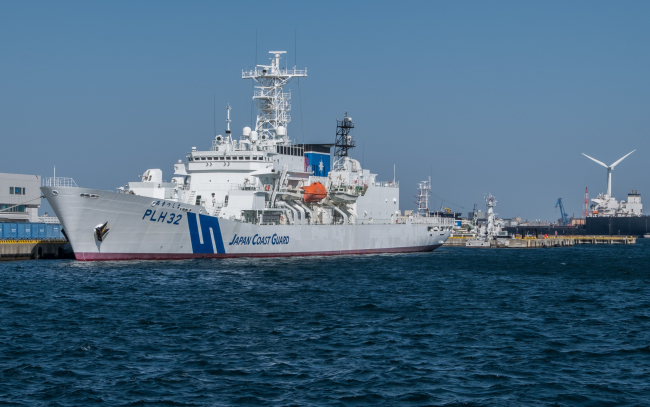
Japan’s Coast Guard and Maritime Self-Defense Force in the East China Sea: Can a Black-and-White System Adapt to a Gray-Zone Reality?
This essay examines the need for growing coordination between the Japan Coast Guard (JCG) and the Japan Maritime Self-Defense Force (JMSDF) to better cope with gray-zone situations.

Cyber Attacks and Energy Infrastructures: Anticipating Risks
This study analyses the likelihood of cyber attacks against European energy infrastructures and their potential consequences, particularly on the electricity grid. It also delivers a comparative analysis of measures taken by different European countries to protect their industries and collaborate within the European Union.

France vs. Jihadism: The Republic in a New Age of Terror
This paper assesses the current state of the jihadist threat to France, as well as the French authorities’ security response. With the upcoming presidential election, 2017 will be a decisive year for the country. Terrorism will be at the heart of the campaign and ISIS will most likely try to strike again.