




Strategic positioning and energy challenges for Türkiye in the Black Sea

Practical information
Themes and regions
Related centers and programs
This is a private event.
Learn more about our corporate support packagesThe Black Sea has become a battleground in the Russian-Ukrainian war. While Moscow asserts its ambitions for power at sea and on land, Ankara controls maritime access through the strait. Turkey plays the role of mediator to ensure the security of grain and hydrocarbon convoys, but the situation seems blocked and the future remains open: to what extent does Turkey ensure the dual security of energy and food in the Black Sea?
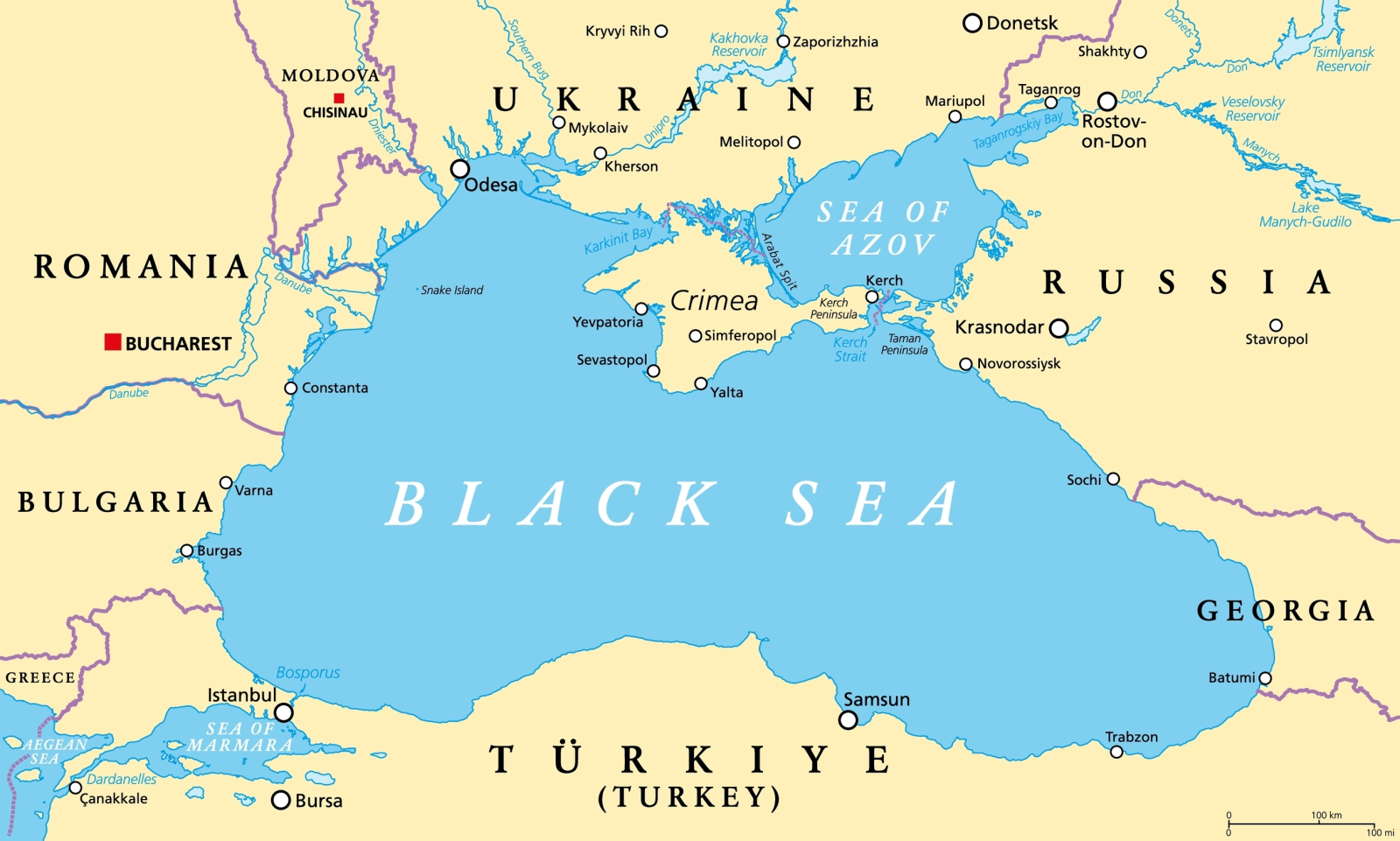
Co-organized by Ifri and the Ankara office of the think tank GMF (German Marshall Fund of the United States), this event will bring together Turkish and French experts to better understand Turkish options in the Black Sea against the backdrop of the Russian-Ukrainian conflict.
This conference will take place in English and in person at Ifri only.
All times are listed in Paris time (CET).
PROGRAM
3.00-4.30 PM
Panel 1 : Russia-Ukraine War and Implications for Security in the Black Sea and Caucasus Region
- Mustafa Aydın, professor of international relations, Kadir Has University and president of the International Relations Council of Türkiye
- Isabelle Lasserre, senior reporter, Le Figaro
Chair: Dorothée Schmid, Director of the Türkiye/Middle East program at IFRI
4.30-5.00 PM Coffee break
5.00-6.30 PM
Panel 2: EU-Türkiye Cooperation on Energy Security and Transition
- Kadri Taştan, GMF expert, non-resident senior fellow in GMF’s Brussels office
- Noemie Rebiere, energy security expert
Chair: Özgür Unluhisarcikli, GMF Ankara Office Director.
> The summary of the event is available via the following link: Strategic positioning and energy challenges for Türkiye in the Black Sea
Related Subjects
Other events
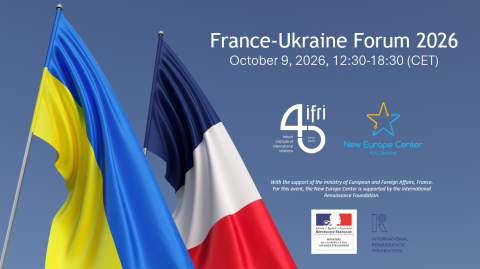
France-Ukraine Forum 2026
More than four and a half years after the start of the full-scale war launched by Russia against Ukraine, the 2026 France-Ukraine Forum will bring together policymakers, experts, academics, and civil society representatives from both countries to discuss three main topics: the formats and conditions for a lasting diplomatic settlement; Ukraine’s Euro-Atlantic integration, encompassing both the EU accession process and closer ties with NATO; and the societal transformations of postwar Ukraine, as well as its prospects for reconstruction.
The EU in a World of Economic Warfare: Trade, Geopolitics, and the Battle for Economic Sovereignty
The international trading system has become a primary theatre of geopolitical competition. Tariffs, sanctions, and technology controls have replaced dialogue as the default instruments of economic relations.
The Road to 27 Electrification Action Plans: Planning and Investing in Europe’s Electric Future
The European Commission’s Electrification Action Plan places the continent on an electric path to structurally reduce dependence on fossil fuel imports and boost the energy transition in industry, transport and buildings.