





After the Hydrogen Bubble Bursts: The Factors Shaping and Possibly Unfolding International Hydrogen Value Chains
The laws of physics and the geographic realities will prevail over the myths of hydrogen (H2): it will essentially be delivering carbon-neutral feedstocks to the chemical and steelmaking industries, carbon-neutral fuels to shipping and aviation, and eventually ensuring security in fully decarbonized power grids.
Green Batteries: a Competitive Advantage for Europe’s Electric Vehicle Value Chain?
Aligning its climate and industrial policies, the European Union (UE) is introducing sustainability requirements for the whole life-cycle of electric vehicle (EV) batteries. This initiative would not only ensure that EVs fit with Europe’s climate-neutrality and resource-efficiency pledges, but also give European new entrants a better chance to compete.
Consequences of the coal phase-out on the electricity production in Germany: a best practice model for Europe?
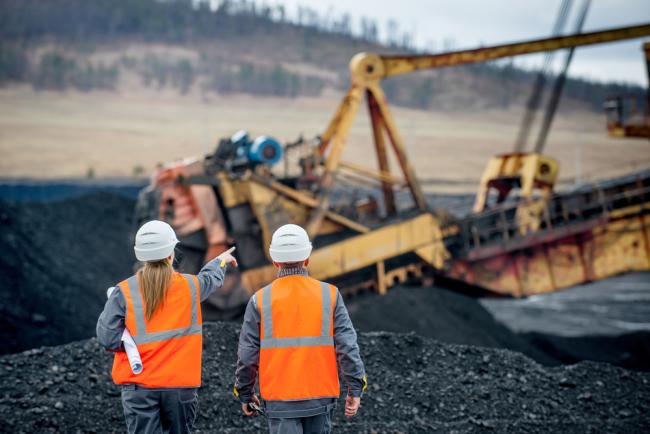
2020 marked the beginning of the total phasing out of electricity production based on coal, as well as coal extraction in Germany. Laws implemented in 2020 concluded a governmental process started in 2015, which itself resulted from a prior broader debate on the role of coal in a viable and sustainable energy and economic system.
The Automotive Industry: The Achilles’ Heel of German Economy?
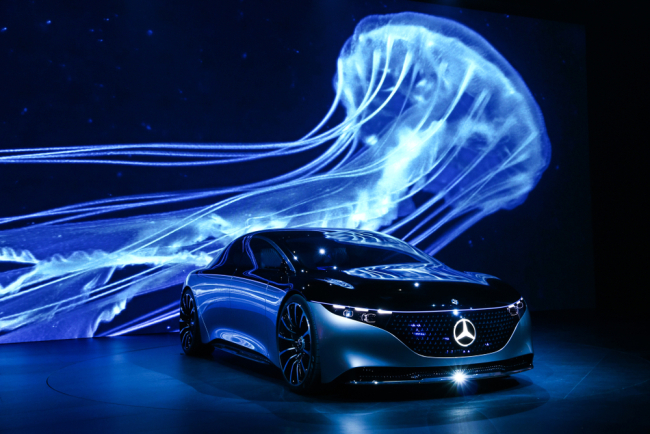
The global car market has been shrinking since 2018. This is a key economic sector for Germany whose producers belong to the Top 15 carmakers worldwide. Yet they are running the risk of being outclassed and eventually replaced, given emerging actors in the USA and China.
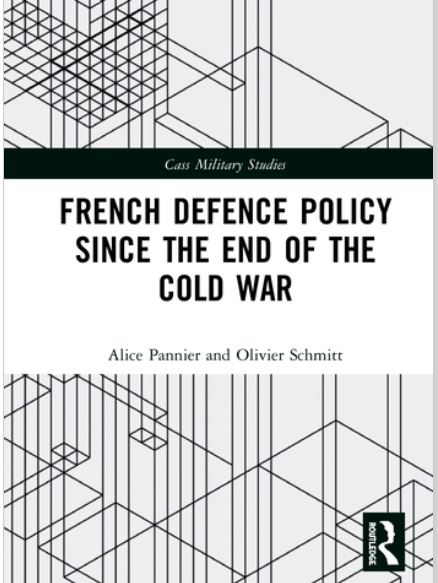
French Defence Policy Since the End of the Cold War
With a look at evolutions over the past three decades, the thematic chapters cover French defense institutions and civil-military relations, the transformation of armed forces, nuclear deterrence, the defense industry, military interventions, and alliances.
Industry Response to New Protectionism
In this special issue of Politique étrangère devoted to the proceedings of the conference organized by Ifri on April 10, 2019, in the Grand Amphitheater of the Sorbonne, on the occasion of its fortieth anniversary, discover the debate moderated by Thierry de Montbrial between Jean-Paul Agon and Patrick Pouyané.
The European Battery Alliance is Moving up a Gear
French battery cell manufacturer Saft and Opel, the German subsidiary of automaker PSA Group, are finalising the details of a major investment project in battery cell manufacturing. Is the European Union (EU) finally challenging Asia’s dominance on battery cells production? What chances of success for the European Battery Alliance (EBA) and what implications for the EU industrial policy?
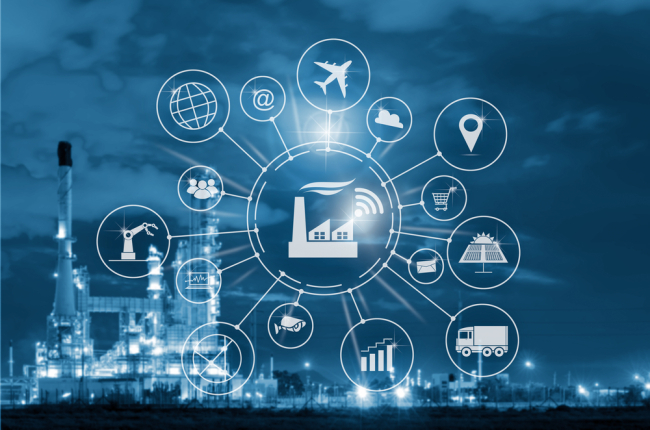
Digital Transformation of the Industry: The Franco-German Challenge
The issue of the digital transformation of the industry provoked in France as in Germany the return of the state and the introduction of a subsidiary industrial policy. Feeling threatened in its industrial leadership, Germany mobilized its resources through industry 4.0 by building a vision around the concept of “cyber-physical system” before developing in each Land an accompanying offer. France has forged the concept of the industry of the future by following a logic of modernization of the production tool, reinforcing particularly the automation and building on the integration of new technological bricks.

Corée du Sud, la septième armée du monde ?
As Democratic Republic of Korea’s (DPRK) continuous development of non-conventional weapons and challenges of the international community reaches a new level, Republic of Korea (ROK) appears more than ever as the frontline state on which most of North-East Asia security depends.
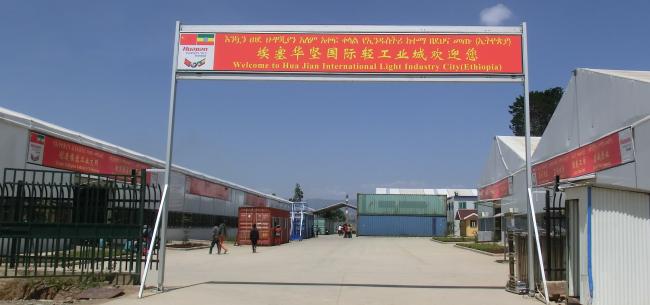
Chinese Investors in Ethiopia: The Perfect Match?
Since the fall of the Derg regime in 1991, cordial relations have developed between China and Ethiopia, forming a positive political backdrop in front of which the two countries’ interests have increasingly converged.

Russia's Economic Modernization: The Causes of a Failure
In this short study of attempts that have been made in recent years to modernize the Russian economy, the author explains why they have all ended in failure. Unlike most experts, he focuses on politics and ideology.
The Impact of the Development of Shale Gas in the United States on Europa's Petrochemical Industries
The shale gas revolution has led to strong falls in energy prices, reducing significantly the raw material costs of the US petrochemical industry. Between 2008 and 2012, US gas prices fell by two thirds.
The Economic Opportunities and Constraints of Green Growth: The Case of South Korea
The Politics of Amnesty in the Niger Delta : Challenges Ahead
Armed groups, many affiliated to the Niger Delta-wide political organisation MEND, the Movement for the Emancipation of the Niger Delta, proliferated throughout the oil producing states, particularly from early 2006 onwards. In January 2006, MEND declared war on the oil industry pending the resolution of long term political grievances relating to poverty and underdevelopment, the poor regulation of an environmentally polluting oil industry, and the alienation of local people from rights to land and resources in the Niger Delta.
MALE Drones: Europe's Options?
European countries, lead by France, are expected to take a decision soon on the development and acquisition of MALE drones.
Their choices will be crucial not only for the preservation of European operational sovereignty in military terms but also to guarantee the future of the European aerospace industry.
The Economic Opportunities and Constraints of Green Growth: The Case of South Korea
The Politics of Amnesty in the Niger Delta : Challenges Ahead
Armed groups, many affiliated to the Niger Delta-wide political organisation MEND, the Movement for the Emancipation of the Niger Delta, proliferated throughout the oil producing states, particularly from early 2006 onwards. In January 2006, MEND declared war on the oil industry pending the resolution of long term political grievances relating to poverty and underdevelopment, the poor regulation of an environmentally polluting oil industry, and the alienation of local people from rights to land and resources in the Niger Delta.
MALE Drones: Europe's Options?
European countries, lead by France, are expected to take a decision soon on the development and acquisition of MALE drones.
Their choices will be crucial not only for the preservation of European operational sovereignty in military terms but also to guarantee the future of the European aerospace industry.
Ifri, a foundation recognized as being of public utility, relies largely on private donors – companies and individuals – to guarantee its sustainability and intellectual independence. Through their funding, donors help maintain the Institute's position among the world's leading think tanks. By benefiting from an internationally recognized network and expertise, donors refine their understanding of geopolitical risk and its consequences on global politics and the economy. In 2026, Ifri partners with over 90 French and international companies and organizations.
