




Energy Policies
How can the Green Deal be implemented at all levels and synchronized with global governance? How are power strategies evolving, and under what conditions can they converge?
Related Subjects
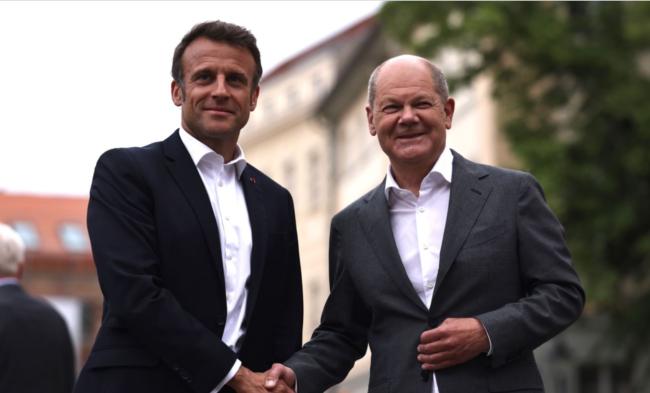
New Impulses for Stagnant Relationships - German-French Ministerial Council Meets in a New Format
As the doors of the illustrious Hôtel Beauharnais on Rue de Lille 78 swung open on the evening of 4 October, and the masses streamed into the German Embassy in Paris to celebrate German Unity Day, the reports of the currently strained state of Franco-German relations seemed almost surreal.
EU-Mercosur: An Unsolvable Trilemma Between Competition Rules, Normative Ambitions and Supply Chain Diversification
The EU-Mercosur trade deal was believed to be heading toward the finish. The election of Luiz Inácio Lula da Silva as the president of Brazil, as successor to the right-wing populist Jair Bolsonaro, and the Spanish presidency of the European Union (EU), raised hopes for its conclusion. But the reservations expressed by several EU member states and some Latin American countries have dashed hopes.
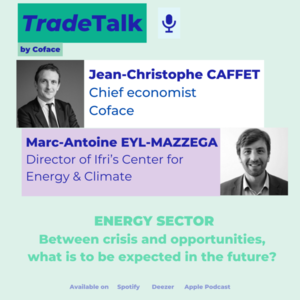

Energy sector: outlook and opportunities
The recent energy crisis has highlighted our economies' dependence on energy resources. With fossil fuels becoming less available, and a necessary transition to more decarbonised alternatives, could tomorrow's energy not become more expensive and less certain in availability?
IRA: Towards Clean Hydrogen Leadership in the U.S.
Although late in adopting clean hydrogen (H2) and defining a national strategy–a draft was presented by the Department of Energy (DOE) in September 2022–, the United States (US) has strongly reinforced its support to clean hydrogen with the passage of the Inflation Reduction Act (IRA) in August 2022.

Macron and Rutte grow closer to each other through geopolitical shifts and a personal click
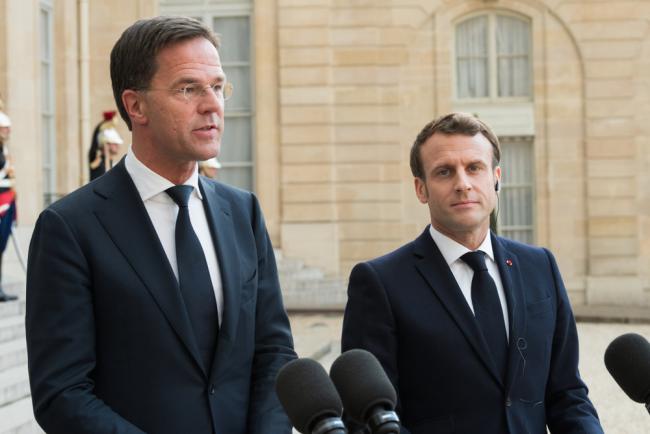
French President Emmanuel Macron will visit Prime Minister Mark Rutte in The Hague on Monday evening. He mainly hopes for Rutte's support for a European rebuttal to Biden's protectionist green industrial policy.
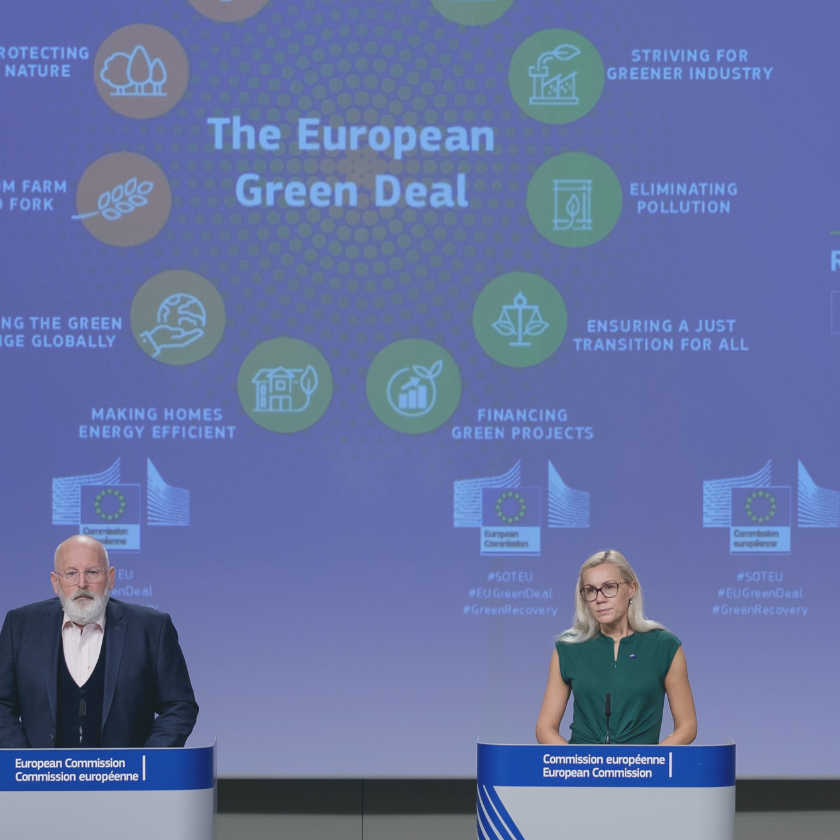
The European Green Deal Three Years On: Acceleration, Erosion, Fragmentation?
The European Green Deal (EGD) is the single most defining policy initiative of the von der Leyen Commission. Since its publication in December 2019, it has become the European Union’s (EU) new raison d’être: protecting the planet and Europeans from environmental degradation, through a holistic approach to the energy transition, while promoting sustainable growth and a just transition with no social group or territory left behind.

Winter is coming: How to shield the most vulnerable and preserve the consensus on the war
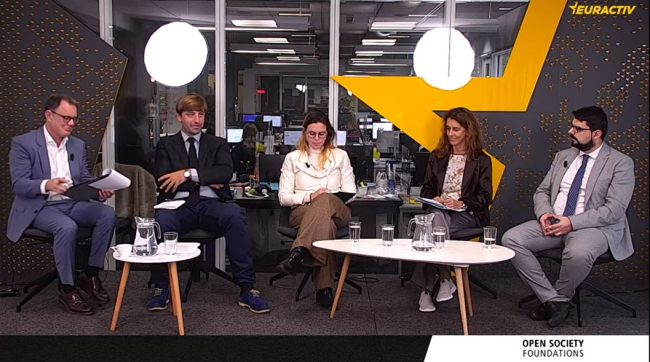
Some of Europe’s poorest countries and communities would be hardest hit by disruptions of Russian energy supplies. With a difficult winter ahead, Europe’s ability to redistribute costs equitably and to shield the most vulnerable will determine whether it can preserve social cohesion and the consensus on the war in Ukraine.
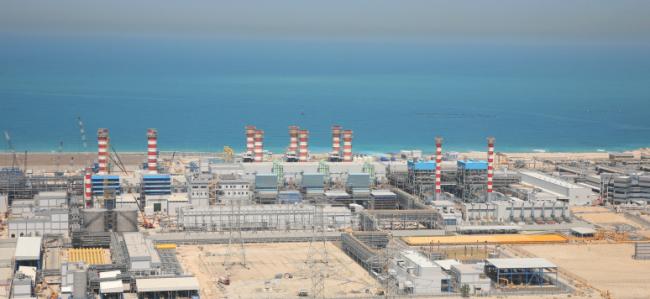
The Geopolitics of Seawater Desalination
Water desalination is gradually emerging as the leading solution to cope with increasing water stress: i.e., the imbalance between water demand and quantities available. The United Nations estimates that by 2025, two-thirds of the world’s population will be affected by such challenges. The causes of water scarcity are multiple, including climate change, intensive agriculture, and population growth. This requires states to rethink their water policies, which are central to preserving their stability, resilience and sovereignty.
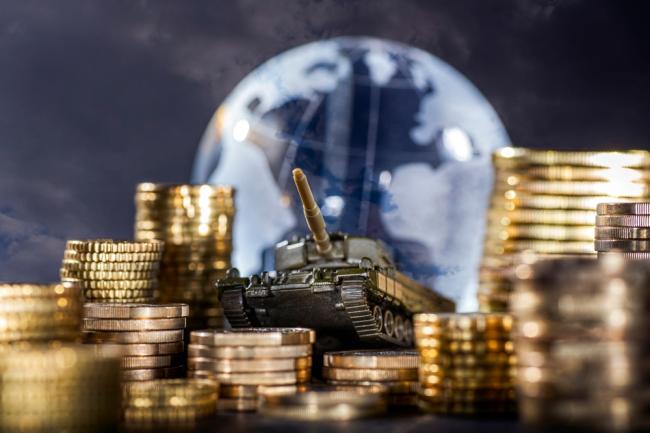
“Don’t Bank on the Bombs” New European Standards Affecting the Defense Industry
While Russia’s invasion of Ukraine on February 24, 2022, has underlined the need to upgrade the European armed forces, the urgency of the fight against climate change—as illustrated by reports from the Intergovernmental Panel on Climate Change (IPCC)—requires the political mobilization of the European Union (EU) to carry out the transition to climate neutrality.
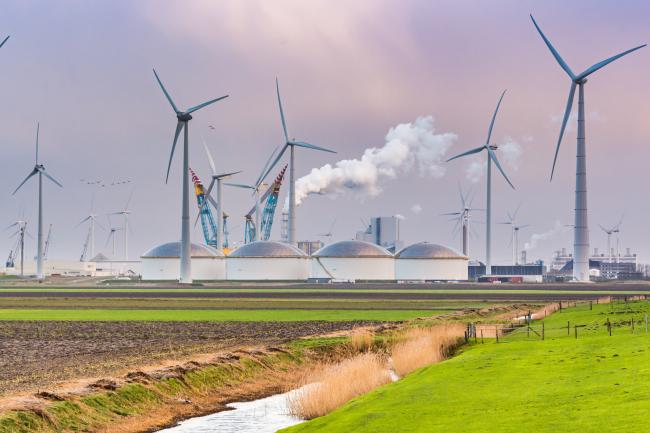
Redefining the Netherlands' Energy Future : Societal Implications of the Nearing End of Dutch Natural Gas
For decades, the large Groningen gas field has been a central pillar of the Dutch welfare state. The availability of gas was so self-evident that many generations still identify with the slogan “Nederland gasland” (“The Netherlands, a gas country”). The nearing end of Dutch gas now requires a mentality shift.
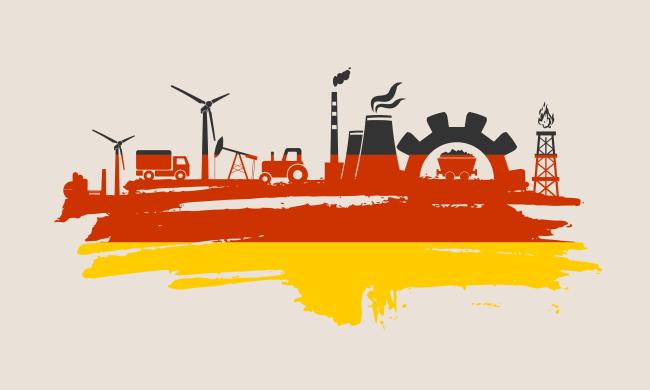
The German Industrial Power in Danger: The Double Shock of Energy Transition and Geopolitical Risk
The German manufacturing industry at the heart of the German economic activity has been confronted in the past years with conjunctural shocks, which question its existence on the German territory: the energy transition which hinders it in the short term to resort to fossile energy from Germany and nuclear energy; a questioning of fossile energy imports from Russia which keeps production sites of fossile energy and nuclear energy in Germany; the currently small capacity of renewable energy to satisfy the important energy needs of the manufacturing industry and the putting into place of alternatives to the importation of energy resources.
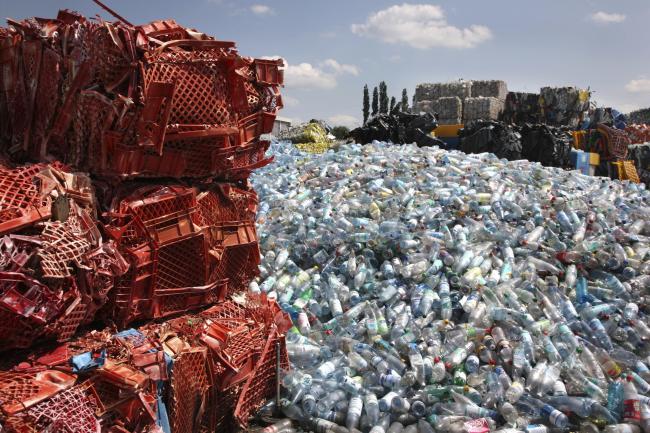
Five Years after China’s Plastic Import Ban: Have Europeans Taken Responsibility?
After the 2017 Chinese waste import ban, the international and European Union (EU) legislative framework on waste exports has been revised.
The Impact of the War in Ukraine on the Energy Sector
The outbreak of war in Ukraine dealt a shock to energy markets.

Ukraine: Between Two Peaces?
We have reentered the world of war. In its first special report, Politique étrangère offers a range of in-depth analyses of the military and political dynamics at work in a Europe that has just woken up from its dream of enduring peace. The direct confrontation between Ukraine and Russia has pitted two military and defense systems against each other, whose asymmetrical logics, strengths, and weaknesses we are discovering as the conflict unfolds.
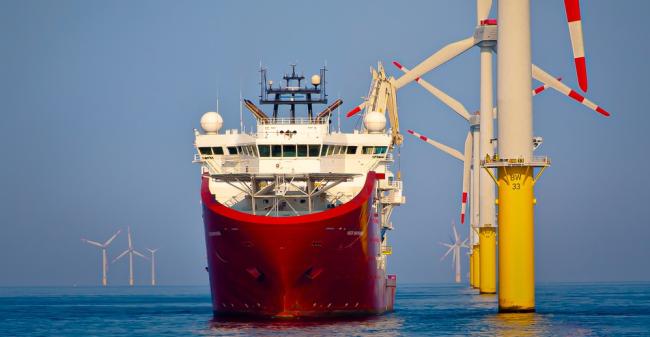
The EU’s Renewables Expansion Challenge Towards 2030: Mobilizing for a Mission Almost Impossible
Only eight years are left to expand by almost three times the current total installed wind and solar energy capacity in the European Union (EU) in adding around 600 gigawatts (GW), and so reach the highly-ambitious 2030 targets. This requires a mobilization whose scale is immense – amidst times of unprecedented crises and uncertainties.
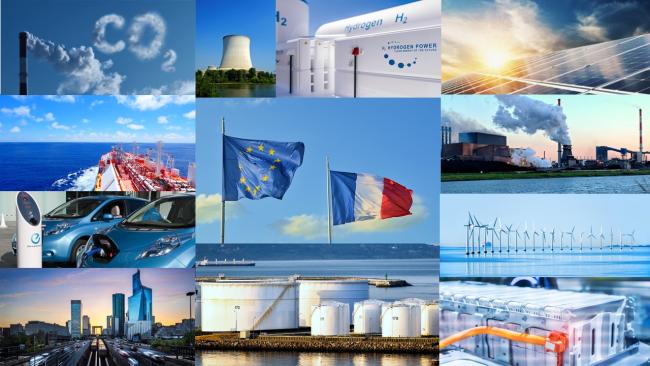
Accelerating the energy transition in France: drawing inspiration from best practice in our European neighbours
The success of energy transition is first and foremost a question of good governance, which must be based on expertise and collective deliberation.
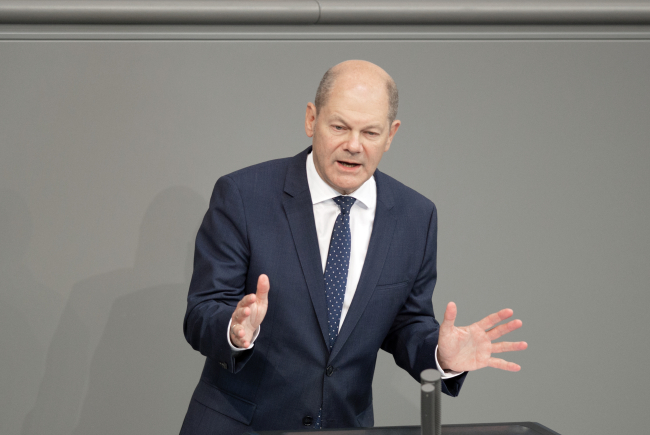
A “New Era”? Toward a Realignment of German Foreign Policy after the Russian Invasion of Ukraine
German Chancellor Olaf Scholz’s speech to the Bundestag on February 27, 2022, announced a new orientation in foreign policy and challenged the principles that had been the consensus in Germany for the past thirty years.
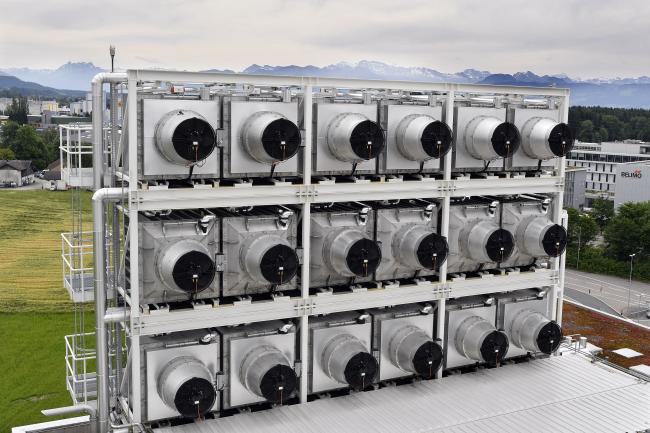
Geoengineering to the climate's rescue? Issues, actors and perspectives of an anthropocene symbol
Geoengineering is a catchword for a wide range of techniques, and it is becoming an international issue that will grow in importance as the costs of certain technologies fall or as greenhouse gas emissions continue to decline, making these techniques more attractive.
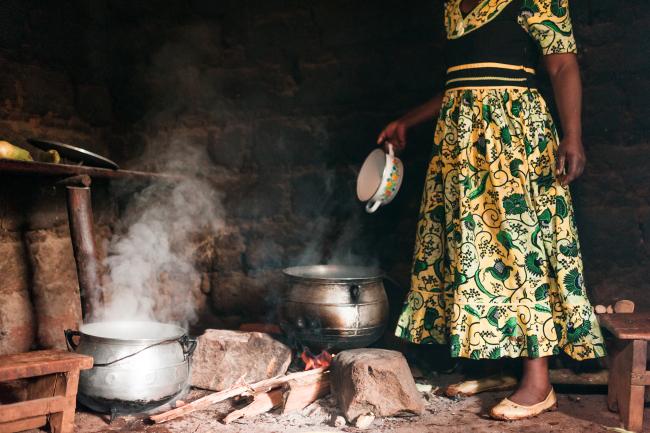
Power to the Cooks! New Clean Cooking Opportunities for Sustainable Development in Sub-Saharan Africa
2.6 billion people globally and 1 billion in Sub-Saharan Africa (SSA) cook using biomass fuel. The detrimental effects on the environment and public health, as well as the time and money lost are considerable. If nothing new is done, this situation will worsen further in SSA.
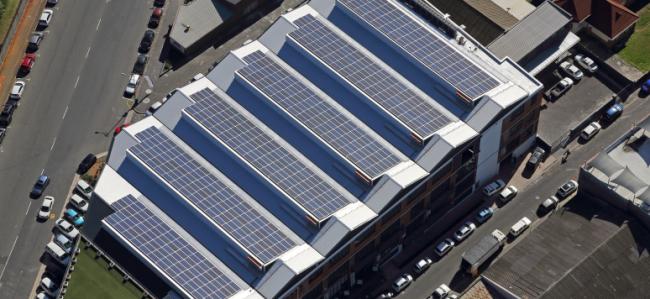
Booming Decentralized Solar Power in Africa’s Cities. Satellite Imagery and Deep Learning Provide Cutting-Edge Data on Electrification
The market for decentralized solar systems first developed in rural Africa, and today it is expanding to the continent’s cities, though these areas are already covered by each country’s central network.
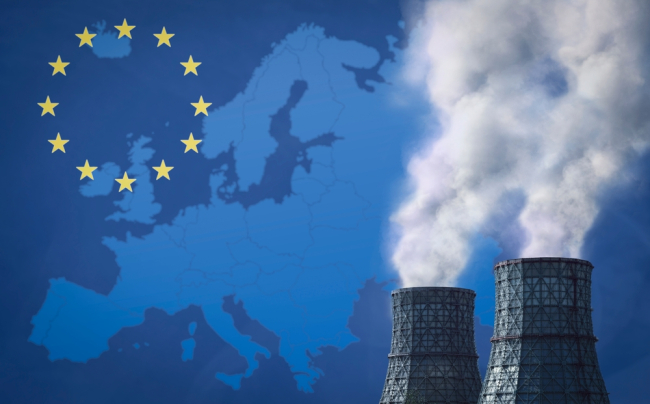
Reconnecting With Europe's Nuclear DNA: a Political Question
As Europe's main source of low-carbon electricity, nuclear power is a strategic asset for tackling climate and geopolitical challenges.
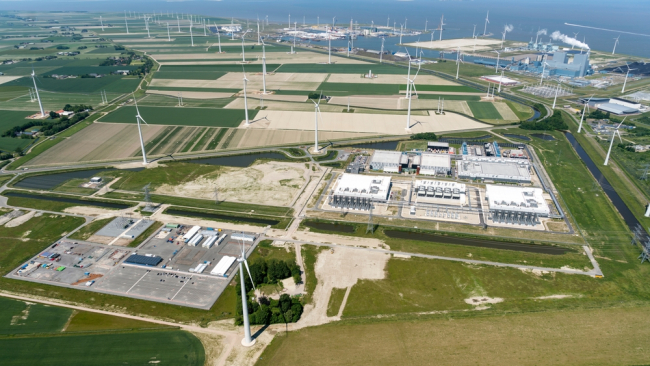
The Strategic Dimension of Power System Flexibility: Opportunities in Europe
The European Union has embarked on an energy transition aimed primarily at replacing fossil fuels by electrifying demand.
From Crisis Hotspots to Convening Powers. African Cities Launch Diplomacy to Create Climate Mobility Partnerships
African local governments cannot afford to turn into climate mobility hotspots without taking proactive action – drawing on local knowledge, convening power and access to affected communities.
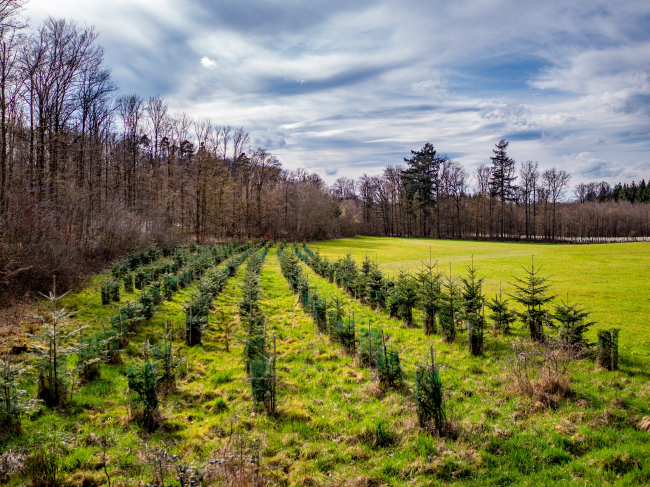
Can carbon markets make a breakthrough at COP29?
Voluntary carbon markets (VCMs) have a strong potential, notably to help bridge the climate finance gap, especially for Africa.
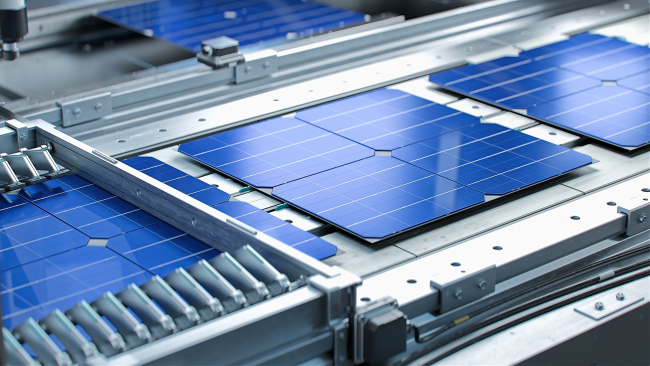
European Solar PV Manufacturing: Terminal Decline or Hope for a Rebirth?
While solar photovoltaic (PV) installations are booming in Europe (and in other parts of the world), the local industry is closing down. Over the past two years, the European installed solar PV capacity has been multiplied by two. On the other hand, the remaining European manufacturers of solar PV panels are dying.
COP28: A Tale of Money, Fossil Fuels, and Divisions
“Humanity has opened the gates of hell”, said the UN Secretary General Antonio Guterres during the Climate Ambition Summit, in New York, in September 2023, three months before COP28. The sense of urgency that he conveyed seems shared across the international community.
IRA: Towards Clean Hydrogen Leadership in the U.S.
Although late in adopting clean hydrogen (H2) and defining a national strategy–a draft was presented by the Department of Energy (DOE) in September 2022–, the United States (US) has strongly reinforced its support to clean hydrogen with the passage of the Inflation Reduction Act (IRA) in August 2022.
The Green Deal’s External Dimension. Re-Engaging with Neighbors to Avoid Carbon Walls
The European Union (EU)’s Green Deal is a game changer with attention so far focused on forthcoming actions plans, the Climate Law, financial resources, the revision of the 2030 targets and of the emissions trading system (ETS).
Russia-Ukraine Gas Relations: The Mother of All Crises or a New Start to 2030?
Ten years after the January 2009 gas crisis, Russian-Ukrainian gas relations are at another turning point: the then concluded contracts are terminating on 31 December 2019. While trilateral talks brokered by the European Commission (EC) have started in July 2018, the real negotiations about the future of this relationship can be expected to start no earlier than in December, that is in the midst of the winter and a second to midnight. Crucial months lie ahead.
Xi Jinping’s Institutional Reforms: Environment over Energy?
During its two sessions (lianghui) in March 2018, the National People’s Congress (NPC) announced China’s most important institutional reforms in the last 30 years. These changes occurred right after Xi Jinping consolidated his power and at a time when stakeholders working in the energy field were expecting more clarity on policy orientations.
Ifri, a foundation recognized as being of public utility, relies largely on private donors – companies and individuals – to guarantee its sustainability and intellectual independence. Through their funding, donors help maintain the Institute's position among the world's leading think tanks. By benefiting from an internationally recognized network and expertise, donors refine their understanding of geopolitical risk and its consequences on global politics and the economy. In 2026, Ifri partners with over 90 French and international companies and organizations.
