




Energy Policies
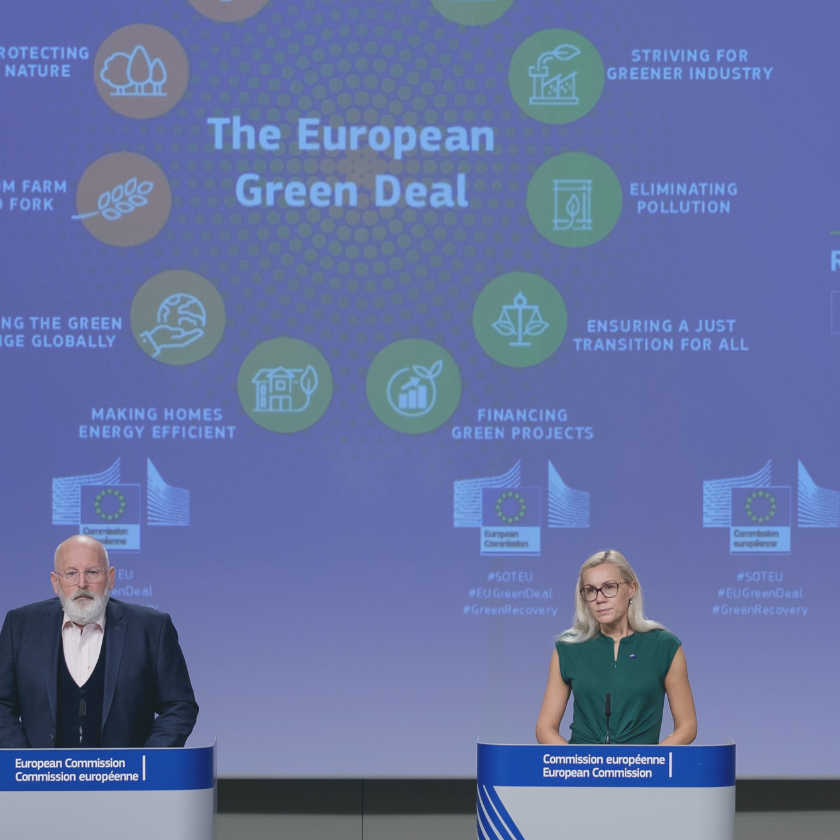
How can the Green Deal be implemented at all levels and synchronized with global governance? How are power strategies evolving, and under what conditions can they converge?
Related Subjects
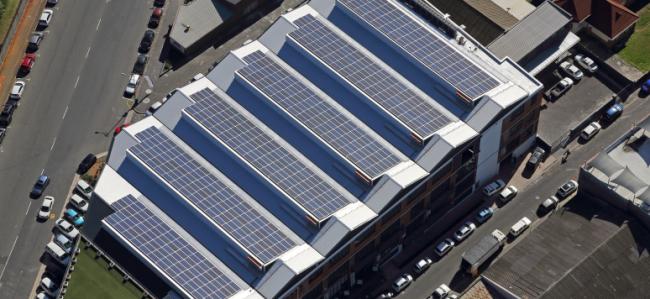
Booming Decentralized Solar Power in Africa’s Cities. Satellite Imagery and Deep Learning Provide Cutting-Edge Data on Electrification
The market for decentralized solar systems first developed in rural Africa, and today it is expanding to the continent’s cities, though these areas are already covered by each country’s central network.
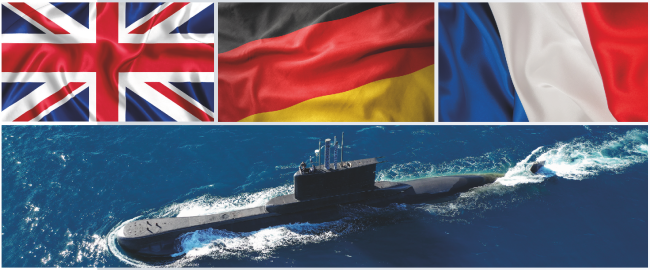
The Dilemma of Middle Powers: How AUKUS Has Reshaped the Potential for E3 Cooperation in the Indo-Pacific
The Indo-Pacific region is increasingly becoming the center of gravity of economy and geopolitics. It covers 60% of the world’s population, triggers 30% of international trade and drains 60% of global gross domestic product (GDP).
Advancing Europe: Green for Danger?
In France, the prospect of the Greens entering the German government this fall raises both hopes and fears.
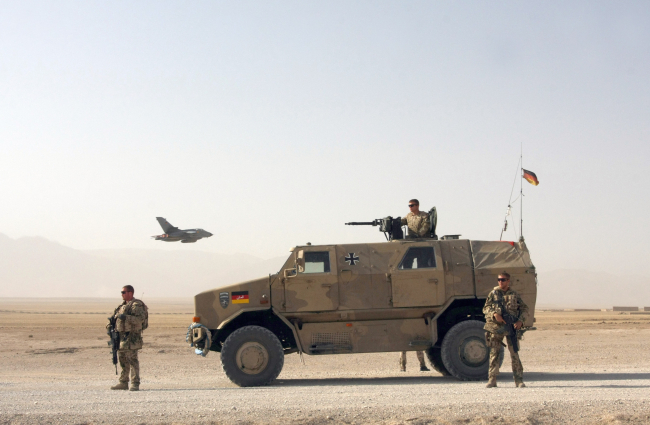
Circumstantial Pacifism: Political Parties and the Participation of the Bundeswehr in Foreign Operations
In Germany's parliamentary democracy, political parties play an important role in mandating Bundeswehr missions abroad and in overseeing their deployment. The political debate on these deployments is polarized between opponents, who are called “pacifists”, and supporters, who are called “militarists”.
Baden-Württemberg under Green Leadership – Balance Sheet of Two Government Periods under Winfried Kretschmann
Baden-Württemberg's economic and social structure offered good starting conditions for center-right parties from the beginning, which the Christian Democratic Union of Germany (CDU) initially knew how to use for itself. From 1953 to 2011 the Prime Minister belonged to the CDU. In 2011 the Greens and the Social Democratic Party of Germany (SPD) won an election over the CDU for the first time. Winfried Kretschmann was elected the first Green Prime Minister in a German state.
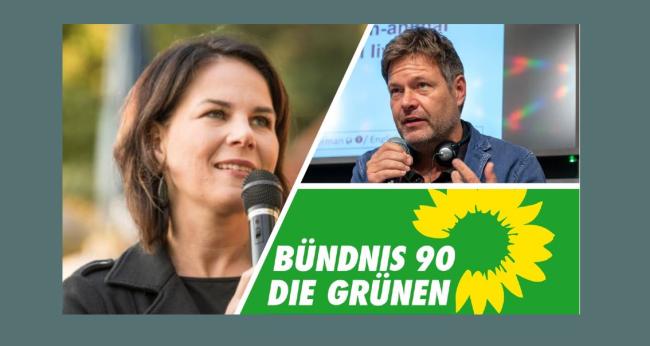
The German Green Party, a new People's Party?
In the context of increasing awareness of the climate crisis, environmental parties across the EU obtained high scores in the European elections of May 2019, reaching 20% in Germany, 17% in Ireland, 16% in Finland and 13 % in France. Meanwhile, far-right parties gained strength.
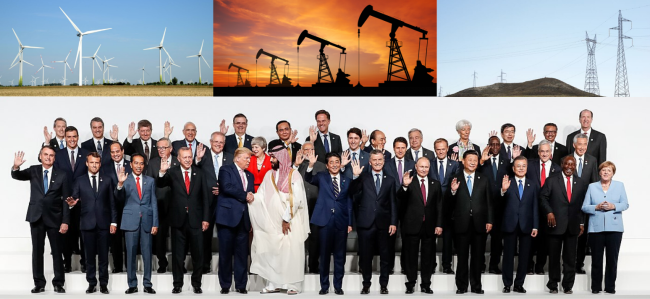
Energy, Climate and the Covid-19 Shocks: Double or Quits
The shocks from COVID-19 likely to affect energy and the climate are multiple and unprecedented in scale and scope.
Shocks from collapsing prices due to plummeting and then paralyzed demand combined with overproduction: this is the case for oil, but also to a lesser extent for electricity and gas. Other raw materials are also being affected.
Shocks to investments, because oil as well as electricity companies are experiencing dramatic falls in earnings while waiting for the peak of the pandemic to pass. They are cutting spending and revising or postponing projects. Jobs and smaller company survival are under threat.
Contribution to the Task Force Sustainable Energy, Water and Food Systems of T20 Saudi Arabia
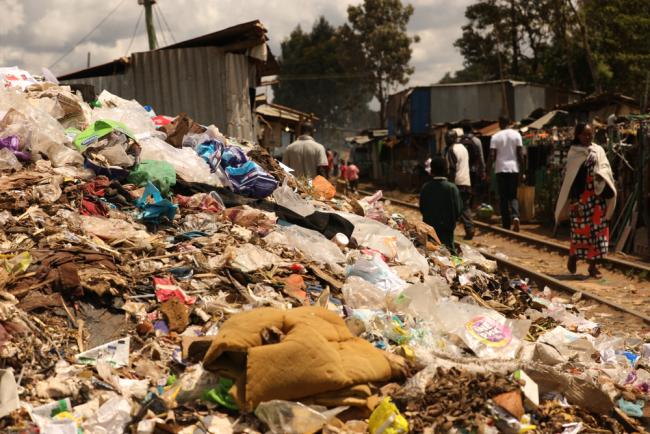
Waste-to-energy plants appear as an effective means of dealing with two problems of electricity access and waste management at once.
The Green Deal’s External Dimension. Re-Engaging with Neighbors to Avoid Carbon Walls
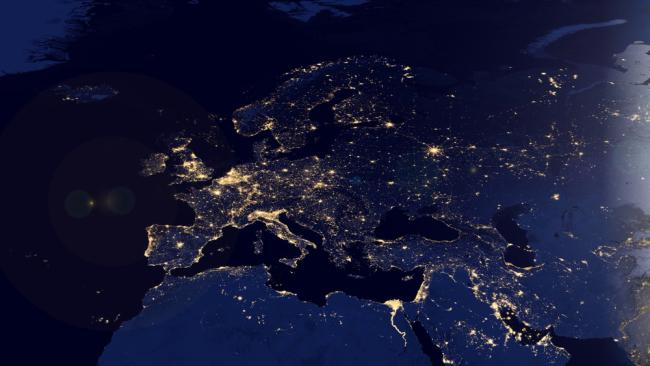
The European Union (EU)’s Green Deal is a game changer with attention so far focused on forthcoming actions plans, the Climate Law, financial resources, the revision of the 2030 targets and of the emissions trading system (ETS).
Waste Management and Electricity Generation in Africa: Developing Waste-to-Energy to the Benefit of Sustainable Cities?
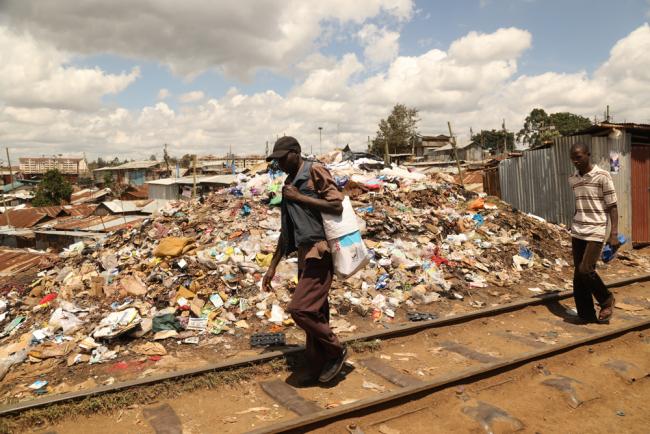
With the expansion of modern production and consumption patterns to large African cities, population growth and urbanization, production of municipal waste has risen sharply. Unregulated dumps are becoming numerous and have strong negative health effects by polluting the local environment.
China’s Quest for Gas Supply Security: The Global Implications
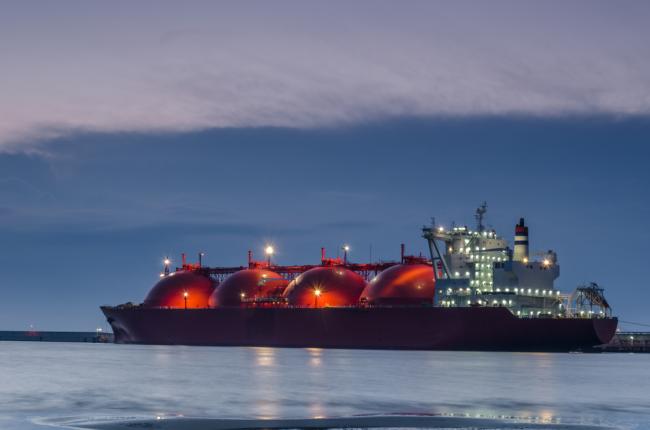
The major transformations that are occurring on the Chinese gas market have profound repercussions on the global gas and LNG markets, especially on trade, investment and prices. In just two years, China has become the world’s first gas importer and is on track to become the largest importer of Liquefied natural gas (LNG).
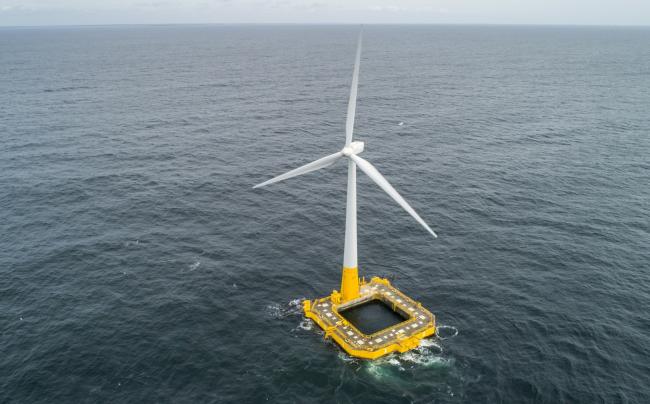
Offshore Wind Power Floating in its Industrial and Technological Dimension
Europe has become a frontrunner in fixed offshore wind. Can this success story be replicated with floating offshore wind, a technology that would lift the sea depth constraint and thus open up wider market opportunities? This research study looks at the main success factors for this emerging industry.
Russia-Ukraine Gas Relations: The Mother of All Crises or a New Start to 2030?
Ten years after the January 2009 gas crisis, Russian-Ukrainian gas relations are at another turning point: the then concluded contracts are terminating on 31 December 2019. While trilateral talks brokered by the European Commission (EC) have started in July 2018, the real negotiations about the future of this relationship can be expected to start no earlier than in December, that is in the midst of the winter and a second to midnight. Crucial months lie ahead.
The roots of anti-environmentalism in the U.S.
An interview with Peter Jacques, Professor of Political Science, University of Central Florida.
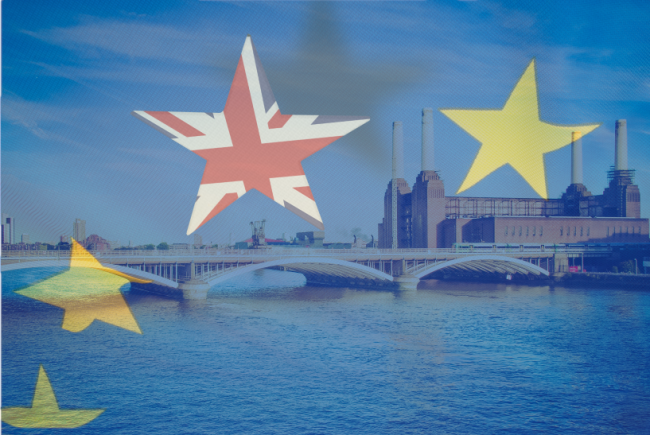
Brexit, Electricity and the No-Deal Scenario: Perspectives from Continental Europe, Ireland and the UK
When it comes to energy and electricity in particular, there can be no winner in the Brexit negotiations. The only reasonable objective should be to minimise losses and avoid trade friction.
Xi Jinping’s Institutional Reforms: Environment over Energy?
During its two sessions (lianghui) in March 2018, the National People’s Congress (NPC) announced China’s most important institutional reforms in the last 30 years. These changes occurred right after Xi Jinping consolidated his power and at a time when stakeholders working in the energy field were expecting more clarity on policy orientations.
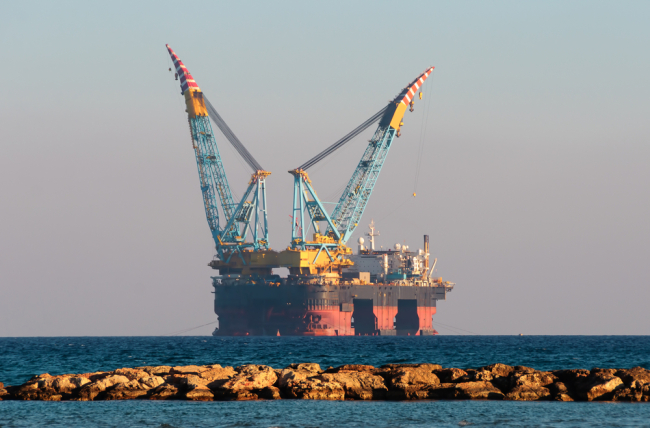
L’Égypte, nouvelle plateforme gazière en Méditerranée orientale
Recent offshore gas discoveries in the Eastern Mediterranean, primarily in Egypt as well as in Israel, but also around Cyprus, are dramatically changing these countries' energy perspectives and economies, and also influence geopolitical balances in the region.
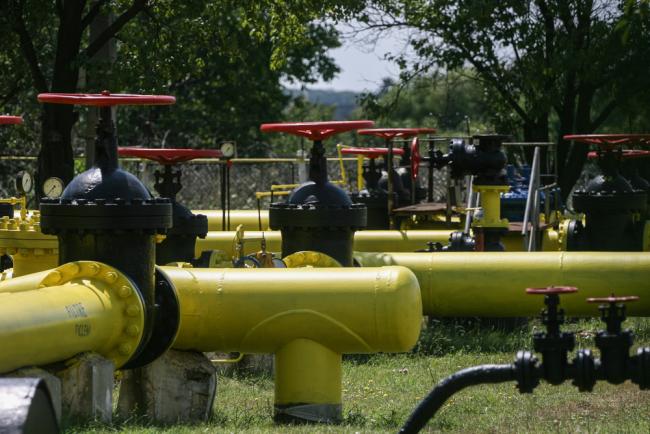
Romania: a key player in the Energy Union for the security of natural gas supply?
In 2015, Maroš Šefcovic, Vice President of the European Commission for Energy Union, was writing about Romania as being «at a crossroads - both in strategic and physical terms.


Super-synergies could arise from cross-border projects
Shared projects, shared tenders and joint R&D projects could see low-cost offshore windfarms and interconnectors criss-crossing the North Sea.
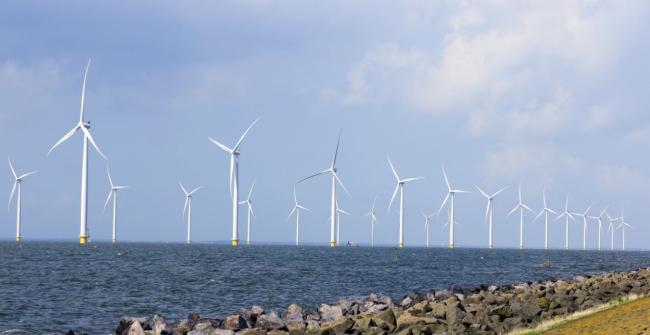
The Expansion of Offshore Wind Power in the North Sea: A Strategic Opportunity for the European Union
The North Sea is the cradle of the global offshore wind industry. The favourable wind patterns in the Southern part and the low depth of water have created an enabling environment for the construction of the first wind turbines in the world. Public policies have progressively encouraged their deployment in the best-endowed countries: Belgium, Denmark, Germany, the Netherlands and the United-Kingdom.
Xi Jinping’s Institutional Reforms: Environment over Energy?
During its two sessions (lianghui) in March 2018, the National People’s Congress (NPC) announced China’s most important institutional reforms in the last 30 years. These changes occurred right after Xi Jinping consolidated his power and at a time when stakeholders working in the energy field were expecting more clarity on policy orientations.
Romania: a key player in the Energy Union for the security of natural gas supply?
In 2015, Maroš Šefcovic, Vice President of the European Commission for Energy Union, was writing about Romania as being «at a crossroads - both in strategic and physical terms.

The Last-ditch Attempt to Build the Energy Union
Nearly one year after the presentation of the Energy Union project, while 2016 promises to be a critical year for its implementation, what is the status of this flagship project of the Juncker Commission?
Exploring the strengths and weaknesses of European innovation capacity within the Strategic Energy Technologies (SET) Plan
The purpose of this policy report is to explore the strengths and weaknesses of European innovation capacity within the Strategic Energy Technologies (SET) Plan Integrated Roadmap.
Ifri’s conference on the New Frontiers of Energy Identified Strategic Orientations for the European Energy Union
The Ifri Center for Energy held its annual conference in Brussels on March 4th, 2015. The event gathered more than 150 participants, together with prominent policy makers, industry leaders and distinguished academics to discuss how the European energy policy can deliver effective results in light of geopolitical upheavals, technological developments and governance issues.
To download the presentations, click here
Energy Union: What's Inside the Defence Walls?
Conflicts in Ukraine and Middle East are giving resonance to the proposal for an Energy Union, originated by Poland, and, initiated by the European Commission. Indeed, access to affordable energy stands as a major concern for all EU citizens and becomes, as such, a strong political argument for the Juncker Commission to back-up an Energy Union.
The European Energy Policy: Building New Perspectives
“After 17 years of supranationality, we are still seeking how to define a common energy policy and what it might be. [...] Could we have done more in one generation? Or were goals only established to achieve a political balance which it was explicitly agreed to ignore, once the machinery began to operate? Historians will have a hard task to distinguish between excessive ambitions and national hypocrisies”.
Commission Communication of the EU Energy External Policy: Was There an Alternative?
EU is the world’s largest net energy importer and consumer, so why do its Members continue to negotiate individually with the rest of the world rather than as one big market with a big voice?
European Energy Policy: Energy Savings Glass 2/3 Empty
Summing up Europe’s climate policies suggests we still haven’t grasped the full potential for energy savings. We act as if we were living in a system with infinite resources easily exploited by human innovation and ingenuity. We focus on the efficiencies we can gain from components of our system, but not on the system as a whole and we do not consider how the other billions of people on earth can achieve our level of comfort with a resource or carbon-constrained future and with aspirations that necessarily imply sharply growing energy consumption.
Energy Efficiency: Smart but not Sexy
Marie C. DONNELLY, DG Energy, reported that the EU is “unlikely to achieve a 20% reduction on the current set of policies” [1] by 2020. According to her, based on a modelling exercise, the estimate of energy savings “would be somewhere between 9 and 11% on current policies” in spite of the contribution of the economic crisis to decreasing the EU primary energy consumption.
Ifri, a foundation recognized as being of public utility, relies largely on private donors – companies and individuals – to guarantee its sustainability and intellectual independence. Through their funding, donors help maintain the Institute's position among the world's leading think tanks. By benefiting from an internationally recognized network and expertise, donors refine their understanding of geopolitical risk and its consequences on global politics and the economy. In 2026, Ifri partners with over 90 French and international companies and organizations.
