




The Energy Transition in a Scenario of Sustained Low Fossil Fuel Prices
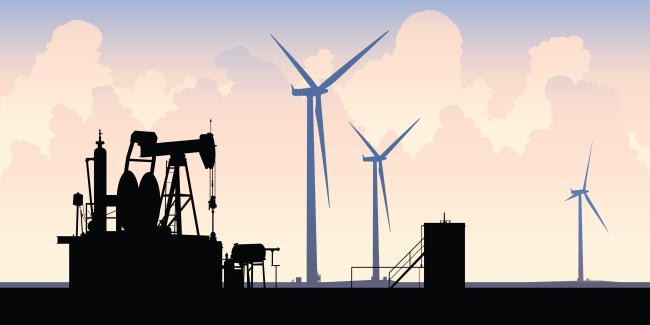
This HET report assesses the impact of sustained low fossil fuel prices on the transition to a low carbon energy system.
Sustainable Development Goals: The EU at the Global Partnership Forefront
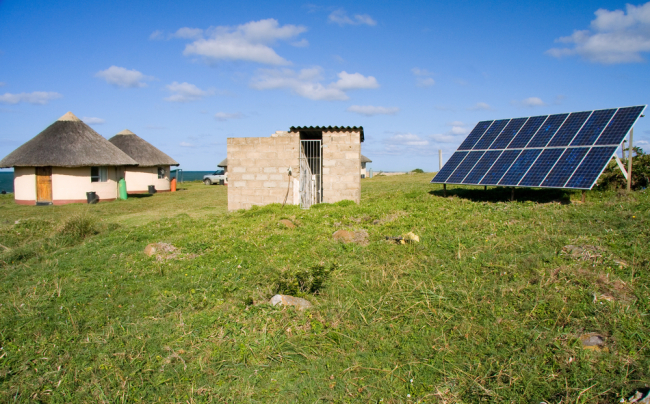
In September 2015, the United Nations General Assembly adopted the 2030 Agenda for Sustainable Development; featuring a set of 17 measurable and time-bound Sustainable Development Goals (SDGs) with 169 associated targets for 2030. This Hot Energy Topic analyzes advancement to SDG7 (access to a clean energy) and SDG13 (combat and adapt to climate change) in Africa through the prism of SDG17 (partnership).
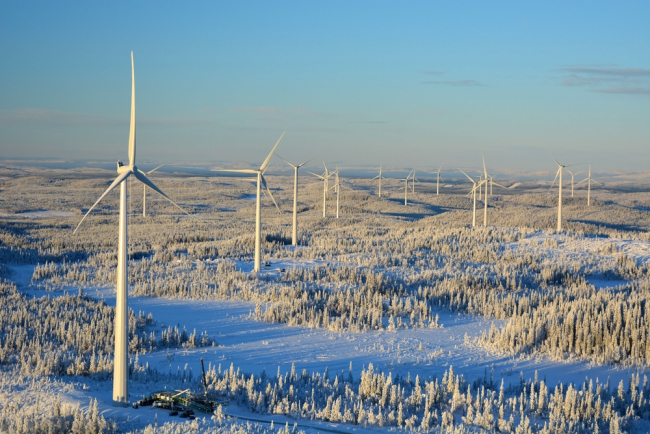
The Energy Transition in Sweden
This study analyses the evolutions of Sweden's energy choices, including in terms of nuclear power policy, carbon tax and renewable energies development. Considered as one of the most outstanding example of successful energy transition, Sweden might well face difficulties similar to those of other European countries in the near future.

The Role of Sub-National Actors in Climate Change Policy. The Case of Tokyo
Tokyo is known as a pioneer throughout the history of Japan’s environmental policy, often being compared to California in the United States or Paris in France. Following the global trend of growing local initiatives tackling climate change, Tokyo introduced a cap-and-trade scheme in 2010 ahead of a national implementation.

Middle East, the new "Great Game"
Will a divided Middle East become the center of a new “Great Game”? The world’s global powers are aligned in it: the United States, falsely tempted by retraction; Russia, establishing its position in an unexpected state of play, France, destabilized by the contradictions of its own policy… In addition are tussles for regional hegemony between Iran, Turkey, and Saudi Arabia.
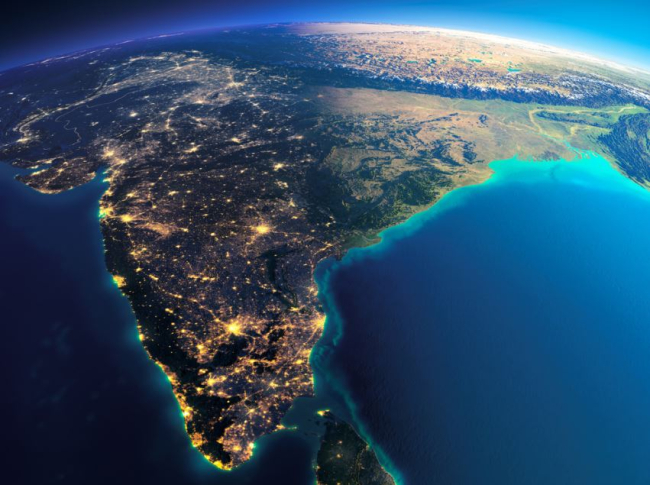
Sustainable Electrification for Asia and Africa
Complementary solutions to national grid extensions let hope for significant improvements in the field of energy access, consistent with current economic and environmental challenges. This Note explores the regulatory and economic prerequisites that must be enhanced in order to support the emergence of mini-grid and off-grid technologies.
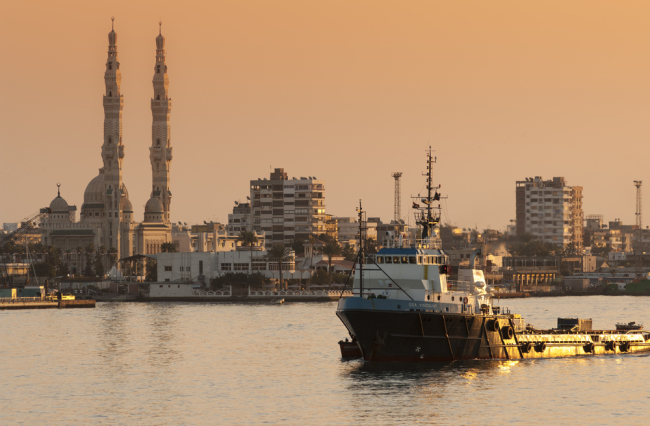
Hopes for a New Energy Independency in Egypt
The recent discovery of the giant Zohr's gas field will drastically change the energy future of Egypt, which is today increasingly dependent on imports to meet its growing domestic demand.
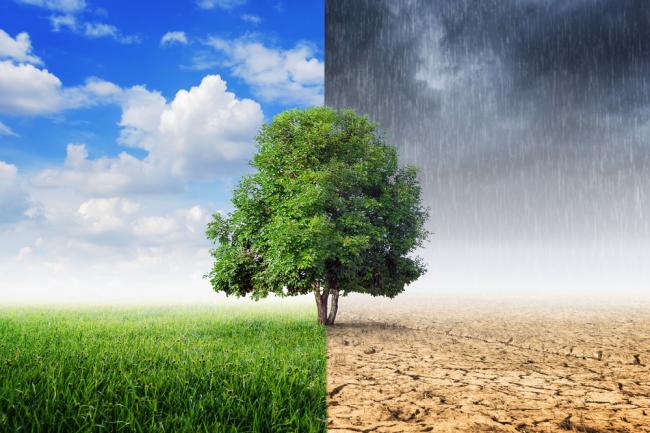
Innovation: a New Mode of Climate Action
A range of announcements of energy and climate coalitions have been made during COP21. Beyond their important diplomatic objectives, these new forms of coalitions bring scientists and industry leaders towards new long term visions of energy consumption modes.

OPEC not to cut output production target in near future
OPEC will not cut the output production target at the next meeting on Dec. 4 because the goal to defend its market share has not been reached yet, Director of Center for Energy in French Institute of international Relations (IFRI) Marie-Claire Aoun believes.
A New Era of Oil Abundance?
From 2014 to 2015, the price of oil fell.
Assessing the Achievements of International Criminal Justice / A New Era of Oil Abundance?
Born from the ashes of two world wars, the concept of international criminal justice took nearly half a century to become anchored in institutions and legal concepts that are independent of specific conflicts. The International Criminal Tribunal for the former Yugoslavia, that for Rwanda, and the creation of the International Criminal Court, among others, bear witness to the real progress made during the 1990s. This issue of Politique étrangère offers a series of articles that shed light on these achievements and their limits.

Renewables bringing down the cost of clean energy
Article published in Nikkei Asian Review
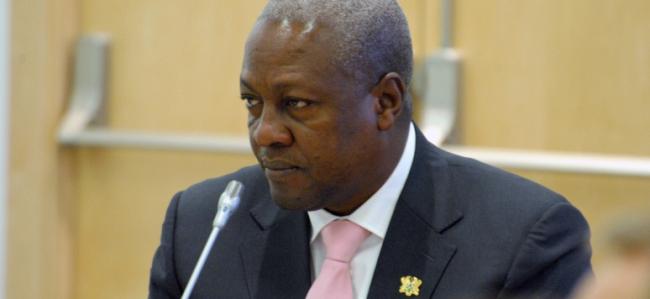
Ghana and the Oil Sector: Beyond the Resource Curse?
Four years after the Jubilee block went into production, we can make an initial assessment of the governance of Ghana’s oil resources. In terms of its institutional structure, Ghana is seen as a model for the entire continent.
Algeria’s Permanent State of Economic Crisis (1999-2015)
When President Bouteflika came to power in 1999, he sought to liberalise the country’s economy. But these reforms were reversed after only a few years.
The Political and Commercial Dynamics of Russia's Gas Export Strategy
A wide-ranging look at the way Gazprom interacts with an increasingly challenging global gas market for Russia.
The Evolution and Limits of the Algiers-Moscow Relationship
During the Cold War, Algeria was one of the Soviet Union’s favored partners. Ties between the two countries deteriorated during the 1990s before going through a renewal around fifteen years ago.
Self-consumption of electricity from renewable sources
A report released by Insight_E, the European energy consortium specialised on energy policy research and analysis
Lead author: Joris Dehler (KIT). Authoring team: Dogan Keles (KIT), Thomas Telsnig (IER), Benjamin Fleischer (IER), Manuel Baumann (KIT), David Fraboulet (KIC-IE/CEA), Aurélie Faure (IFRI), Wolf Fichtner (KIT). Reviewer: Paul Deane (UCC), Volker Stelzer (KIT)
Local Content Strategies in the Oil and Gas Sector: How to Maximise Benefits to Host Communities
Editor: Deborah Sherwood, published by Institut francais des relations internationales (Ifri)
Climate: Injustice for the South
While climate change is already producing devastating effects, climate negotiations so far have been largely unsuccessful.
Vladimir Putin’s Non-Economic Logic
Russia’s economic crisis was not caused by decisions taken by the West following the Russia-Ukraine conflict. It was predicted and widely mediatized.
Rising (Oil-linked) Gas Prices: A Message from Shale Gas
One benefit that should flow soon from large new sources of shale gas that have been and will be unleashed into world markets - is the realization that gas prices linked to oil prices don’t make sense any more.
The Effects of Baghdad Politics on Kurdistani Gas Prospects
This paper examines the effects of internal Iraqi politics on the potential for exporting Kurdistani natural gas. It examines Baghdad’s policy with regards to both oil and gas, and predicts what effects it will have on Kurdistan’s gas prospects.
Renewables in Transport: Directive 2009/28/EC - Devils in its Details
This Actuelle precedes a longer and more exhaustive paper on Electric Vehicles, under the title "The Electric Vehicle in the Climate Change Race: Tortoise, Hare or both?" by Maïté de Boncourt.
As part of the 3*20 targets reached in December 2008, the EC decided that the EU should, by 2020, source 20% of its Final Energy Consumption (FEC) renewably.
The Electric Vehicle in the Climate Change Race: Tortoise, Hare or Both?
Europe is seeking ways to decrease the growing negative impact of passenger cars on climate, currently responsible for up to 12% of total EU CO2 emissions. After biofuels in the nineties and hydrogen in 2000, the new answer to climate change appears to be electric. But contrary to many marketing messages, electric cars are not zero emissions cars. They will not necessarily contribute to actual CO2 emission reductions before 2020 and even then, not in every country.
Oil and Gas Delivery to Europe: An Overview of Existing and Planned Infrastructures. New Edition
The European Union’s hydrocarbon energy supply depends heavily on imports. While the European Commission has recommended diversifying and increasing domestic resources, notably with renewable resources which should grow to 20% by 2020, dependence on hydrocarbon imports will remain not only substantial, but will increase.
The Politics of Amnesty in the Niger Delta : Challenges Ahead
Armed groups, many affiliated to the Niger Delta-wide political organisation MEND, the Movement for the Emancipation of the Niger Delta, proliferated throughout the oil producing states, particularly from early 2006 onwards. In January 2006, MEND declared war on the oil industry pending the resolution of long term political grievances relating to poverty and underdevelopment, the poor regulation of an environmentally polluting oil industry, and the alienation of local people from rights to land and resources in the Niger Delta.
Lessons Learned from Oily Pelicans? A Comparative Policy Paper on Maritime Oil Spill Disasters
Turn on the news or open the paper and sure enough there will be mention of the disastrous oil spill in the Gulf of Mexico. Although it has retreated from the big headlines, the disaster still looms large as people deal with the aftermath of the BP catastrophe.
Jurassic Oil
Why do we have to drill through a mile of water and then three miles of rock to get oil? Surely there are better options in the world’s geologic resource base than deep, acidic, high pressure deposits that threaten the waters and coasts of the Gulf of Mexico, Gulf of Guinea, Campos Basin, Barents Sea and the Caspian. Most of this is oil that got deposited even before continental drift started.
Disaster in Gulf not a Disaster for Obama
Pundits argue that the BP accident in the US Gulf is a final nail in the coffin of President Obama’s energy and environment legislation. They conclude that American energy and environment policy will be left in disarray with little hope for key decisions before the crucial Cancun climate change talks.
Copenhagen's Legacy Is Ambiguity
The third Ifri Annual Energy Conference held at the Plaza Hotel, Brussels in February 2010 posed the question: “How do we begin effectively to close the gap between climate change policies and current practices - or put another way between climate change rhetoric and market reality”.
Ifri, a foundation recognized as being of public utility, relies largely on private donors – companies and individuals – to guarantee its sustainability and intellectual independence. Through their funding, donors help maintain the Institute's position among the world's leading think tanks. By benefiting from an internationally recognized network and expertise, donors refine their understanding of geopolitical risk and its consequences on global politics and the economy. In 2026, Ifri partners with over 90 French and international companies and organizations.
