Adjustment Is Back: The Political and Financial Crisis in Central African Oil-Producing Countries. Gabon and Congo-Brazzaville
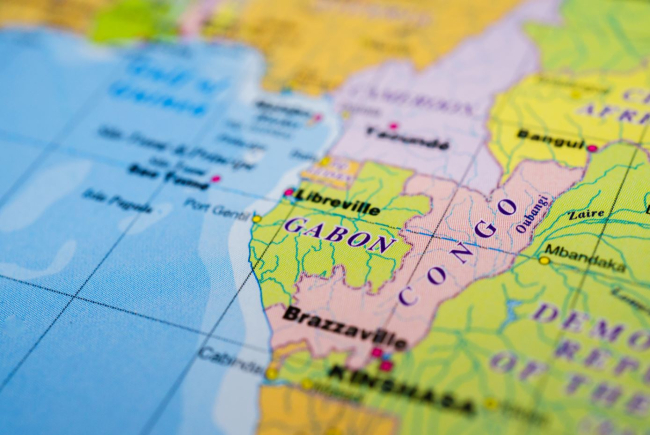
This paper aims to highlight both the financial, economic and political adjustment cycle, affecting two Central African petro-states, Gabon and the Republic of Congo (Congo-Brazzaville).
The Expansion of Offshore Wind Power in the North Sea: A Strategic Opportunity for the European Union
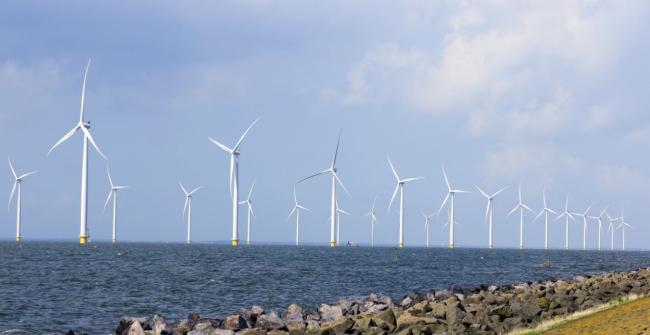
The North Sea is the cradle of the global offshore wind industry. The favourable wind patterns in the Southern part and the low depth of water have created an enabling environment for the construction of the first wind turbines in the world. Public policies have progressively encouraged their deployment in the best-endowed countries: Belgium, Denmark, Germany, the Netherlands and the United-Kingdom.
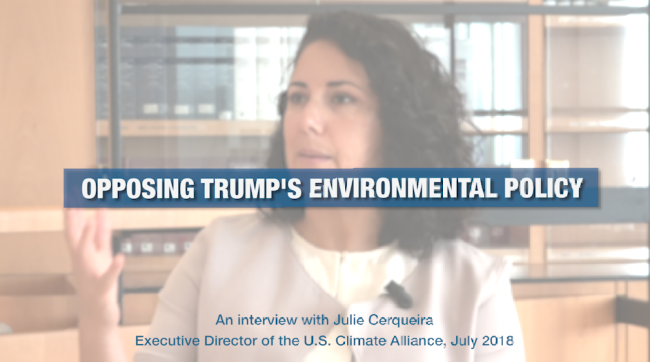
Opposing Trump's Environmental Policy
An interview with Julie CERQUEIRA, Executive Director of the U.S. Climate Alliance.
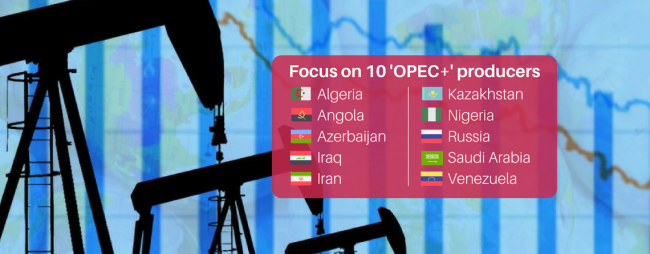
Navigating the Storm: ‘OPEC+’ Producers Facing Lower Oil Prices
On 22 June 2018, “OPEC+” oil Ministers (Organisation of Petroleum Exporting Countries members and an ad hoc alliance with several non-OPEC producers, notably with Russia, Kazakhstan and Azerbaijan) will gather in Vienna to discuss the status and future of their production limitation agreement which was initiated in November 2016 and runs until the end of December 2018.
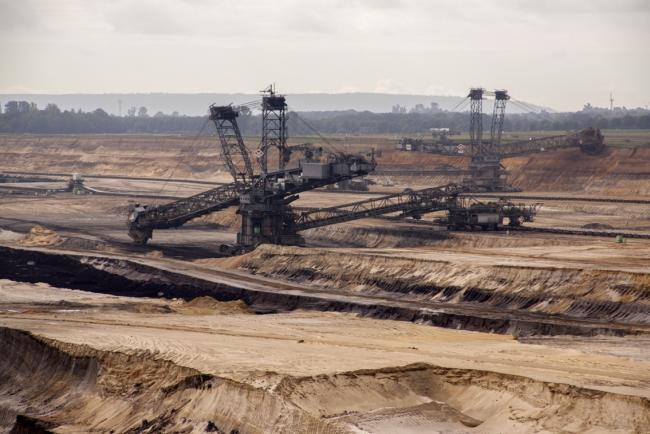
Coal Exit or Coal Expansion? A Review of Coal Market Trends and Policies in 2017
Coal in the power sector is the principal focus of climate-related policies due to its high carbon intensity, making CO2 emissions from coal a leading contributor to climate change.
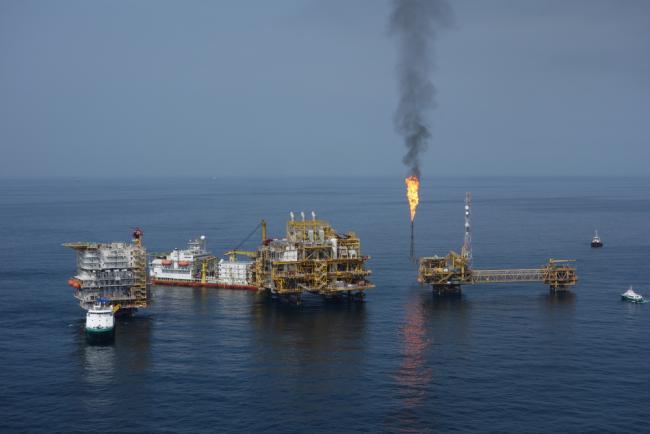
Oil Exploration and Production in Africa since 2014. Evolution of the Key Players and their Strategies
The fall in oil prices, which began in fall 2014, had a significant influence on the strategies of the key players in the oil industry in Africa.
More renewables in the European Union? Yes, we can
The European Union is about to adopt new renewable energy targets for 2030. While going beyond the initially-planned 27% is absolutely feasible, the EU strategy can only be credible if it is based on a good mix between performance and effort obligations, and also includes possible review clauses.

Trump's Tax Reform and Trade Policy: Renewables Spared, Oil Industry Wins
The energy sector is one where the break between the Trump and Obama administrations is the most pronounced. The three officials in charge, Rick Perry at the Department of Energy (DoE), Scott Pruitt at the Environmental Protection Agency (EPA) and Ryan Zinke at the head of the Department of the Interior (DoI), share the same indifference to the issue of climate change, the same will to encourage oil and gas production in the USA in order to bring an era of American “energy dominance”, the same desire to promote the extraction of “beautiful, clean coal”, to paraphrase President Trumps’s State of the Union address, and the same deep mistrust of renewable energies such as wind and solar.
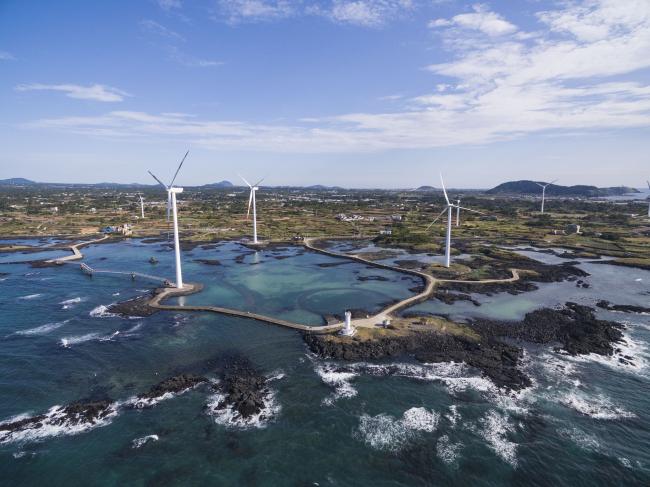
South Korea's New Electricity Plan. Cosmetic Changes or a Breakthrough for the Climate?
Shortly after his inauguration in May 2017, the President of South Korea, Moon Jae-In, announced a major policy shift away from nuclear and coal power, and toward renewables and gas. This would have meant a complete U-turn from previous policies, considering that nuclear and coal produced 40% and 30% respectively of Korea’s total electricity in 2016.
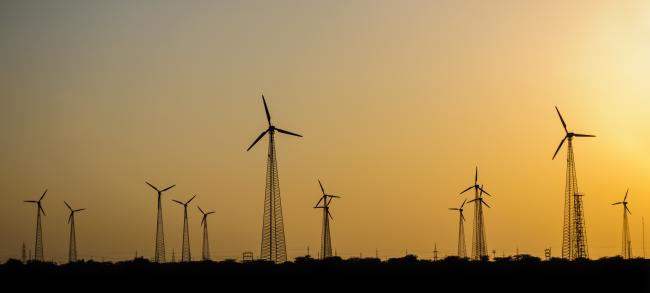
Renewable Energy in India: Solutions to the Financing Challenge
India has committed to ambitious action on climate change, but financing its renewable energy goals remains a significant challenge.
The Energy Transition and the Challenge of Critical Raw Materials
The geopolitical analyses of energy markets are traditionally focused on fossil fuels, and less on renewable energy sources.
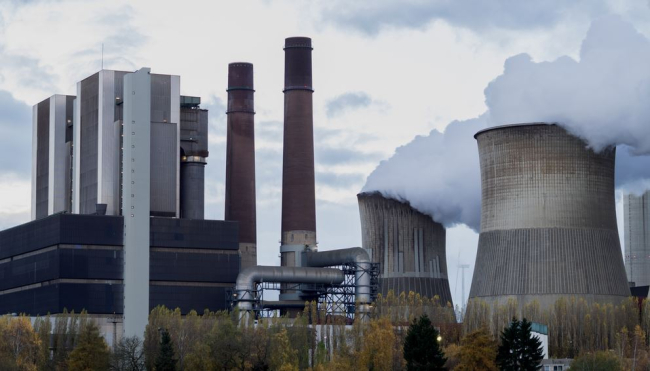
Decarbonizing Germany’s Power Sector: Ending Coal with a Carbon Floor Price?
Germany has a long tradition of climate policy programmes with ambitious greenhouse gas emission reduction targets and comprehensive climate and energy policy packages.
This target-driven policy approach is, however, increasingly facing challenges due to the lack of progress on greenhouse gas emission reductions in key sectors, i.e. the power, the transport and the building sector.


France’s Macron takes lead in climate change battle, with the U.S. absent
PARIS — The United States may have withdrawn from the Paris climate change accord, but on Tuesday dozens of world leaders and philanthropists met to find solutions to the swiftly warming planet — and send a message of resolve to the White House. More symbolic than policy-driven, Tuesday’s summit comes two years after the landmark COP21 conference in Paris, when 196 participating countries — including the United States — vowed to keep this century’s global temperature increase below 3.6 degrees Fahrenheit. In one of the most controversial moments of his young presidency, President Trump announced in June that the United States would leave the Paris accord.
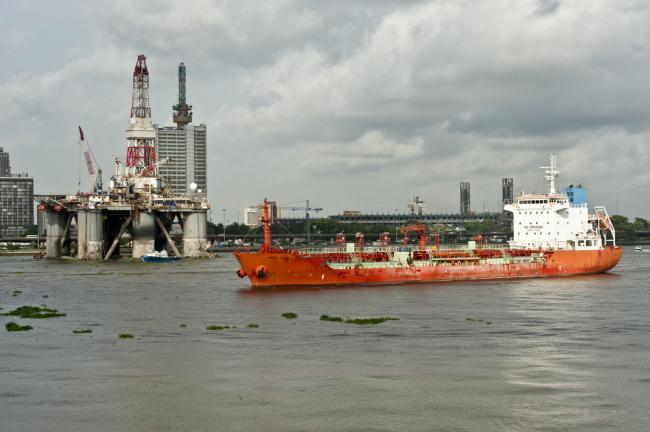
Strategies of African national oil companies
The study and comparison of different National Oil Companies (NOC) help understanding the political history of Algeria, Nigeria and Angola. The NOC’s role and activities depend on several economic and political aspects. For example, Angolan Sonangol has been the coffer for the Popular Movement of Liberation of Angola (MPLA) party to fund its struggle against the National Union for the Independence of Angola (UNITA) party during civil war.
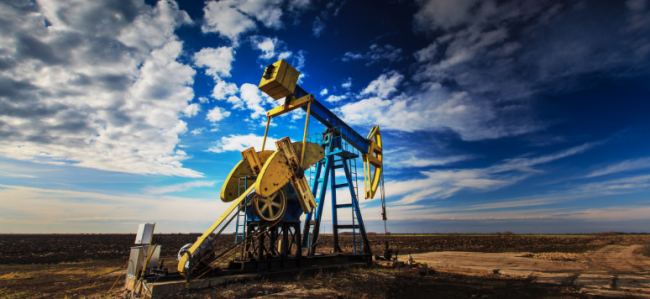
The Resurgence of Shale Oil
This study addresses the resilience factors of the American production of light tight oil, in particular regarding the evolution of the financial model, and the regulatory changes with the authorisation of exports for crude oil. The paper also evaluates the development perspectives of the production on the medium and long term.
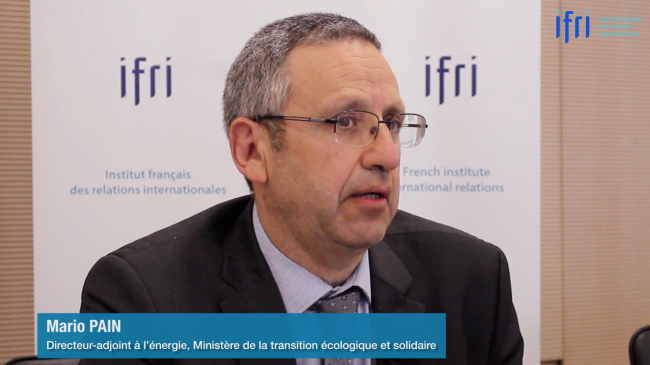
The Transformation of the Electricity French System in 2030 - Mario Pain
Deputy Director, Ministère de la transition écologique et solidaire, describes the main challenges for the French energy system at the 2030 horizon and highlights the need to find the right balance between EU harmonization and national measures to achieve energy transition at the lowest cost.
Reforming the EU electricity markets - Florian ERMACORA
Florian Ermacora, Head of the Internal Energy Market Unit in DG Energy, explains how the Clean Energy Package will improve the functioning of the internal electricity market, and how the new market design will help integrating larger shares of renewables.
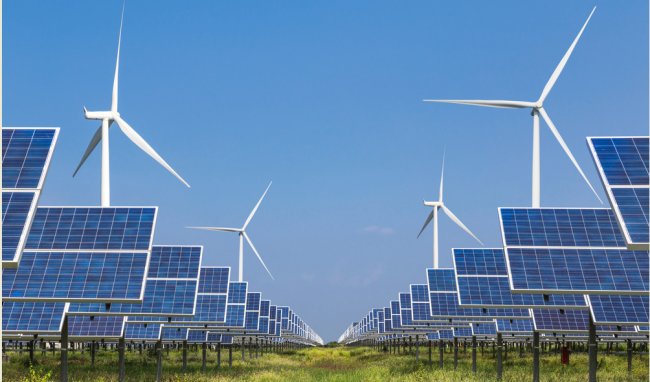
The Landscape of Renewable Energy Sources in Europe in 2030
The study analyses the European rules designed to promote renewable energy, highlighting their innovations and the difficulties they will raise. The study highlights the consequences of some of the measures envisaged and pays particular attention to the electricity market.
What Perspectives on the US Oil Policy ?
This Edito highlights how oil, since its discovery in 1859, has played a major role in the US international policy and economy throughout decades, becoming a key tool of the american leadership.

France: Reducing Nuclear Dominance and Promoting a Low Carbon Energy System
This chapter covering the French energy transition model is part of a broader study conducted by the Institute of Advanced Sustainability Studies (IASS), in preparation of the German Presidency of the G20. Based on the analysis of fourteen national strategies, the IASS study considers the potential of the G20 to shape a global transition to sustainable energy, urgently needed in order to achieve the United Nations' climate and sustainability goals.
The U.S. Oil and Gas Boom
A funny thing happened in the last few years when no one was paying attention. J.R. Ewing, the legendary Texas oilman, and his wife Sue Ellen sold Southfork, their ranch near Dallas, and moved to a new home in Pennsylvania (Northfork?). JR immediately began buying subsurface mineral rights for acres of land above the Marcellus and Utica shale formations in the Appalachian Basin.
Key Trends in the European Earth Observation Sector
An ambitious Earth Observation (EO) policy could bring significant benefits to Europe both regarding the fight against climate change and the competitiveness of its EO industry and service sectors.
IEA Crisis Management: Evolving with the Risks
Last week the IEA chose not to renew its June strategic stock release. It was the right decision. The volumes of strategic crude and product taken up by the market will be reaching refineries now and incremental volumes produced in the Arabian Gulf will be steaming towards markets.
A Look at the IEA 2011 Release of Strategic Oil Reserves
This paper examines the motivations and the potential consequences of the International Energy Agency’s coordinated action to release petroleum stocks on June 23, 2011.
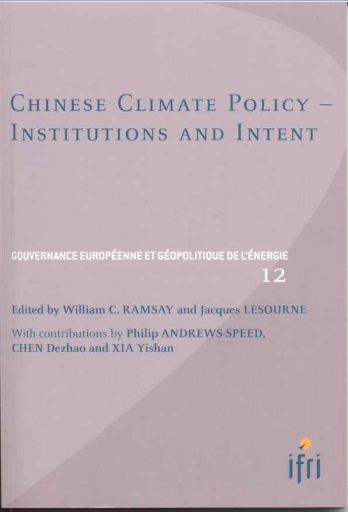
Chinese Climate Policy: Institutions and Intent
Until the late 1990s, the balance of Chinese energy production and consumption was treated by the rest of the world as a net figure. No one knew what was going on inside the Chinese economy - it was a black box. As far as anyone was concerned, the Chinese would not soon be a major factor in world energy markets.
OPEC: It Is about More Oil - Not Quotas
OPEC has certainly gone out of its way to show how little relevance it has in today’s oil market. It has successfully imported all the political rhetoric and malaise of some of its most unstable members.
German Nuclear: Green Is Good Politics
In polarized politics, the voter must take on faith the wisdom inherent in the principled political position. Who cannot be impressed by the nuclear catastrophe at Fukushima, especially after living through the fallout from Chernobyl? But is it reasonable to send the voter to the booth with only half the information? Does the German voter have any idea what it means to shut down its nuclear power in just ten years? Have German politicians made any effort to tell them?
Decoupling the Oil and Gas Prices: Natural Gas Pricing in the Post-Financial Crisis Market
This paper looks into natural gas pricing in the post-financial crisis market and, in particular, examines the question whether the oil-linked gas pricing system has outlived its utility as global gas markets mature and converge more rapidly than expected and as large new resources of unconventional gas shift the gas terms-of-trade.
Political Oil Prices: A Measured Response if Any
Oil prices are becoming an increasingly worrisome factor in today’s economies. They have risen dramatically over the past 6 or 7 months and are now driving inflation in many economies and acting as a drag on nearly all. They are not at these levels because markets are fundamentally out of balance.
European Energy Policy: Energy Savings Glass 2/3 Empty
Summing up Europe’s climate policies suggests we still haven’t grasped the full potential for energy savings. We act as if we were living in a system with infinite resources easily exploited by human innovation and ingenuity. We focus on the efficiencies we can gain from components of our system, but not on the system as a whole and we do not consider how the other billions of people on earth can achieve our level of comfort with a resource or carbon-constrained future and with aspirations that necessarily imply sharply growing energy consumption.
Ifri, a foundation recognized as being of public utility, relies largely on private donors – companies and individuals – to guarantee its sustainability and intellectual independence. Through their funding, donors help maintain the Institute's position among the world's leading think tanks. By benefiting from an internationally recognized network and expertise, donors refine their understanding of geopolitical risk and its consequences on global politics and the economy. In 2026, Ifri partners with over 90 French and international companies and organizations.