




Green Recovery for Sub-Saharan Africa: Boosting Sustainable Electrification
If sub-Saharan Africa followed the same model of economic development as the rest of the world, focused on the growth of carbon intensive industries, cities and infrastructures, it would seal the planet's climate future. Africa’s emissions today are among the lowest per capita in the world: 0.8 tons/capita.
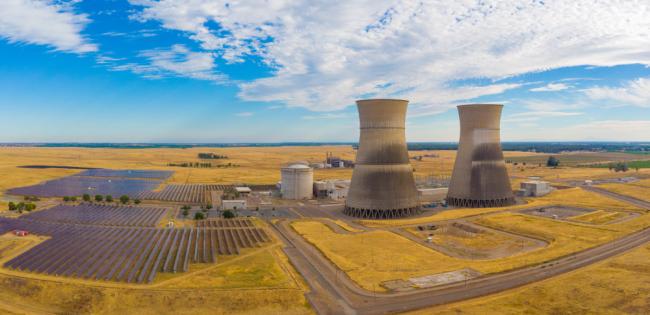
The Herculean Task of Decarbonizing the American Power System by 2035
The Biden Administration has so far taken the focus of the Biden candidate on climate issues seriously, especially the commitment made during the campaign of a net zero power system by 2035.
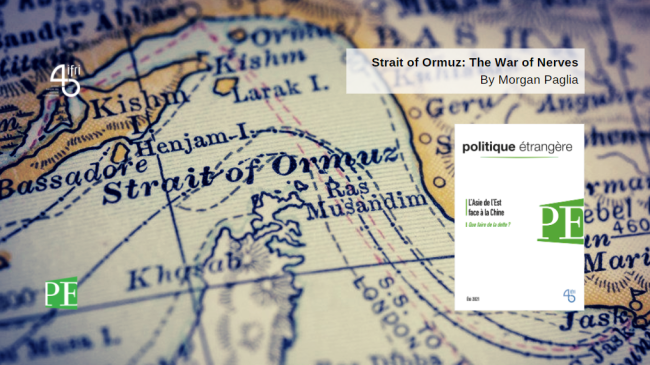
Strait of Hormuz: The War of Nerves
In the event of a major conflict, Iran could decide to close the Strait of Hormuz, which would cause a global energy crisis.
The Adaptation Game — Russia and Climate Change
Russia is an outlier in the international consensus on climate change.
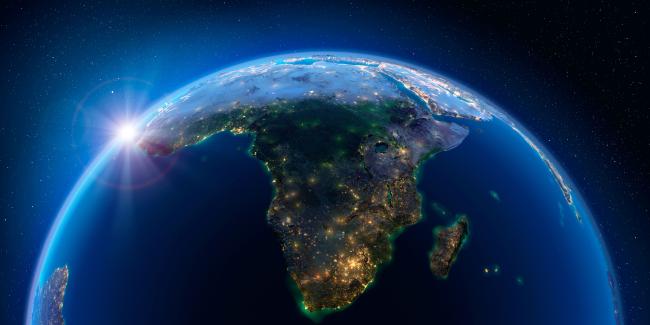
The Potential of Digital Technologies for Centralized Electricity Systems in Sub-Saharan Africa
Affordable and reliable electricity access is a prerequisite for the economic development of sub-Saharan Africa.

Turkey’s New Gas Discovery in the Black Sea and Its Potential Implications
Turkish President Recep Tayyip Erdogan announced Turkey’s biggest gas discovery ever on August 21, 2020. Initial findings show that the estimated reserve capacity is 320 billion cubic meters (bcm) of gas.
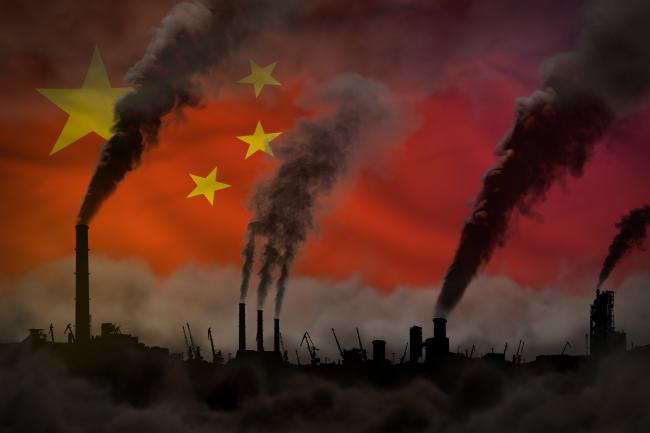
Ambitious New Climate Goals Shouldn't Let China off the Hook
Xi Jinping’s announcement of carbon neutrality is impeccably timed, but the hard part lies ahead.

RAMSES 2021. At the Edge?
RAMSES 2021. At the Edge?, written by Ifri's research team and external experts, offers an in-depth and up-to-date analysis of geopolitics in today’s world.
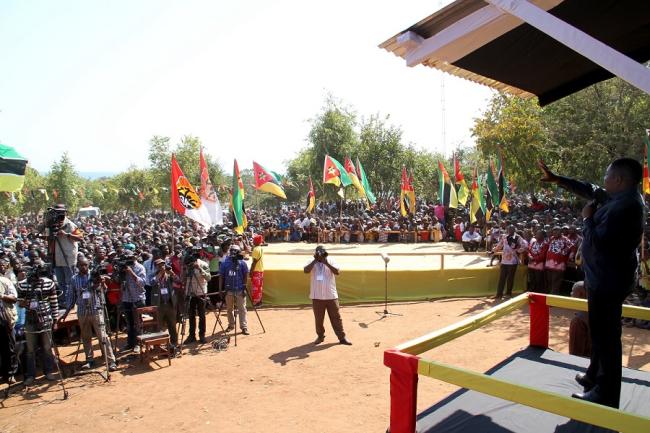
Mozambique: Security, Political and Geopolitical Challenges of the Gas Boom
The vast gas discoveries in Mozambique, some 160 trillion cubic feet (4,530 billion cubic meters), will make this very poor country (6th lowest gross national income (GNI) per capita – the lowest in Africa) one of the world’s future major producers of liquefied natural gas (LNG) within two decades.
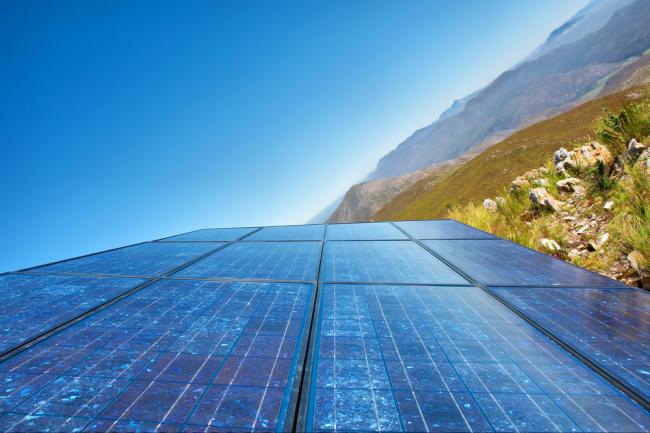
Solar Power in Sub-Saharan Africa after COVID-19: Healing the Ills of the Sector
The electrification of sub-Saharan Africa is one of the great challenges of the 21st century. It is essential if we are to succeed in creating the 20 million jobs each year necessary to absorb the demographic growth of the region,[1] which is set to have 2.1 billion inhabitants in 2050, compared to 1.1 billion today.[2]
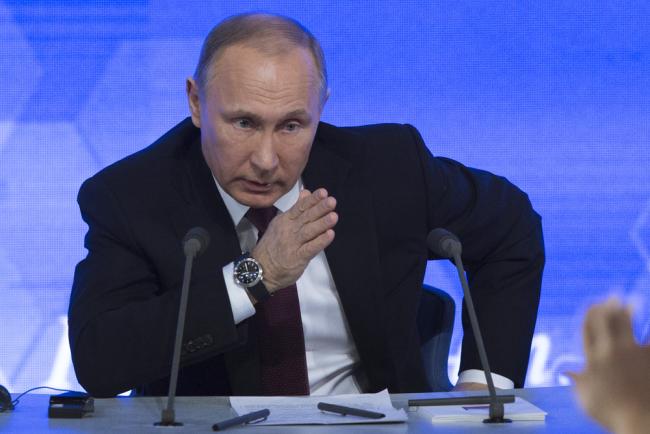
Russia, the Global Sanitary Crisis and Oil Meltdown: Revisiting Power and the Enemy
In global affairs, the Covid-19 virus makes all countries, powers and individuals equal in one dimension: none is immune to or spared from contamination. In an open and interdependent world, we are all exposed to global sanitary and environmental degradations. Russia is no exception: it has gone into lockdown, with increasing economic and social costs adding up to the fall in oil and gas prices and upcoming impacts of the global recession.
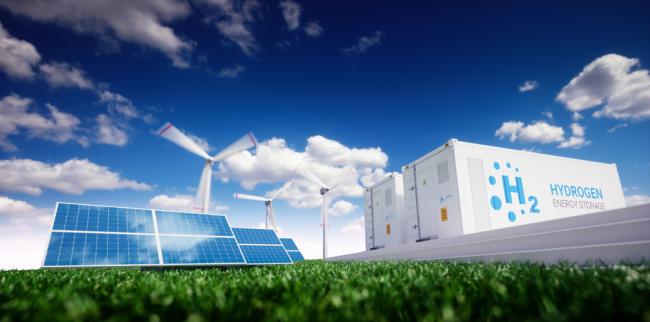
Perspectives on a Hydrogen Strategy for the European Union
There is now a wide understanding that larger use of clean hydrogen in future can be an important mean to achieve decarbonisation of the European economy.
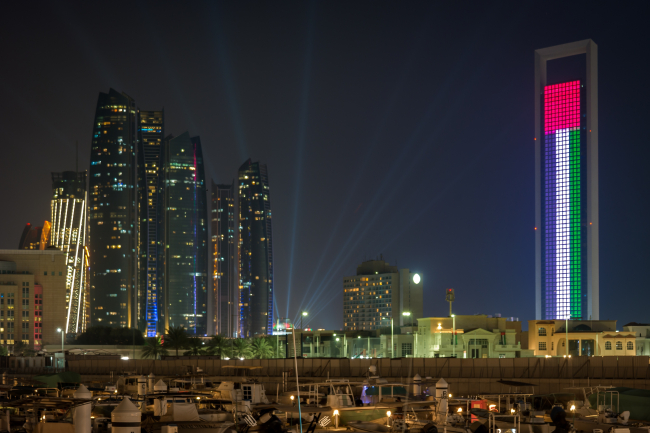
The Middle East: The Economy in The Race for Power
Middle Eastern geopolitics is currently undergoing structural changes: the regional order is in transition in the aftermath of the Arab Spring that undermined authoritarian governance, and triggered the competition for power against a backdrop of American withdrawal.
The Gulf Economies and Energy Transition
The economies of the Persian Gulf are highly dependent on their petrol exports, particularly to Asia.
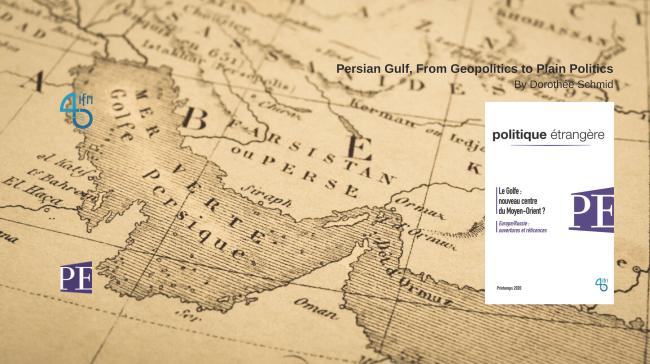
The Gulf: from Geopolitics to Plain Politics
The geopolitical shadow of the Gulf now extends far beyond the Middle East as a function the external dealings of Iran and the countries of the Arabian Peninsula.
The Gulf: New Center of the Middle East?
Amid the shift in major powers, the Persian Gulf is asserting its position at the heart of the Middle East.
U.S. foreign policy and the World's new power balance: an interview with Gordon Adams
Gordon Adams, Professor Emeritus of International Relations, School of International Service, American University speaks about U.S. foreign policy and the World's new power balance on the sidelines of Ifri's 18th annual U.S. conference held on December 6, 2019.
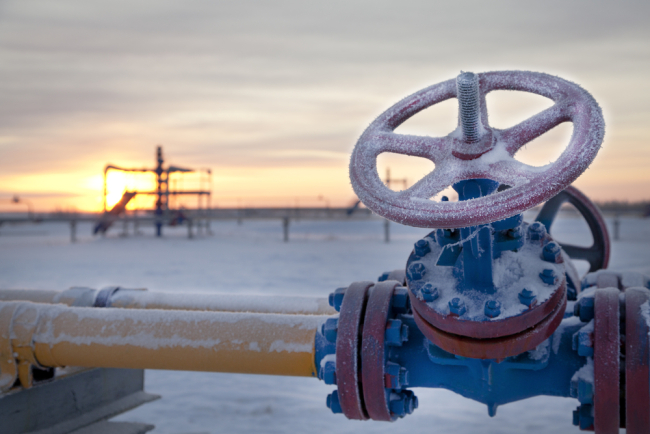
Russia’s Energy Strategy-2035: Struggling to Remain Relevant
Russia’s Energy Strategy to 2035 (ES-2035) enters, finally, the home stretch. The Ministry of Energy submitted its version of the document to the Russian Government in early October 2019.
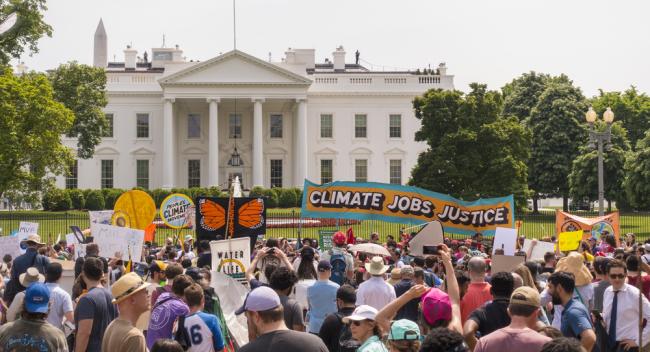
The Battle Heats Up: Climate Issues in the 2020 US Presidential Election
Environmental issues have frequently enjoyed bipartisan support in American history: the Clean Air Act was enacted in 1963 under Democratic President Johnson, and the Environmental Protection Agency (EPA) was established in 1970 under Republican President Nixon.
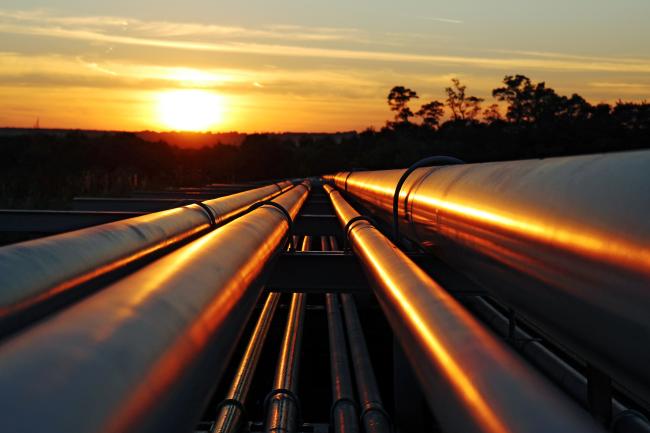
The Development of Hydrocarbons in East Africa: Political and Security Challenges
East Africa has the potential to experience a gas and liquefied natural gas (LNG) export boom in the coming years due to several projects that have been released.
Xi Jinping’s Institutional Reforms: Environment over Energy?
During its two sessions (lianghui) in March 2018, the National People’s Congress (NPC) announced China’s most important institutional reforms in the last 30 years. These changes occurred right after Xi Jinping consolidated his power and at a time when stakeholders working in the energy field were expecting more clarity on policy orientations.
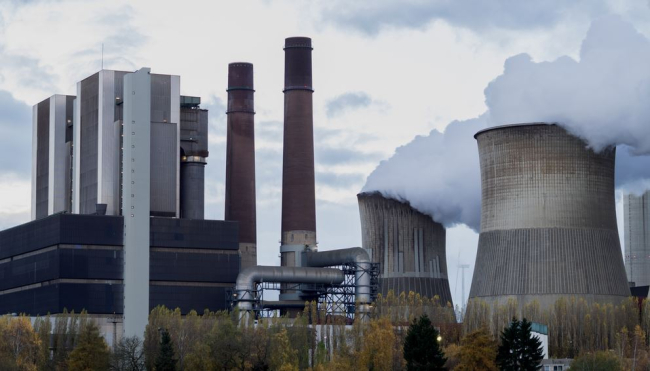
Decarbonizing Germany’s Power Sector: Ending Coal with a Carbon Floor Price?
Germany has a long tradition of climate policy programmes with ambitious greenhouse gas emission reduction targets and comprehensive climate and energy policy packages.
This target-driven policy approach is, however, increasingly facing challenges due to the lack of progress on greenhouse gas emission reductions in key sectors, i.e. the power, the transport and the building sector.
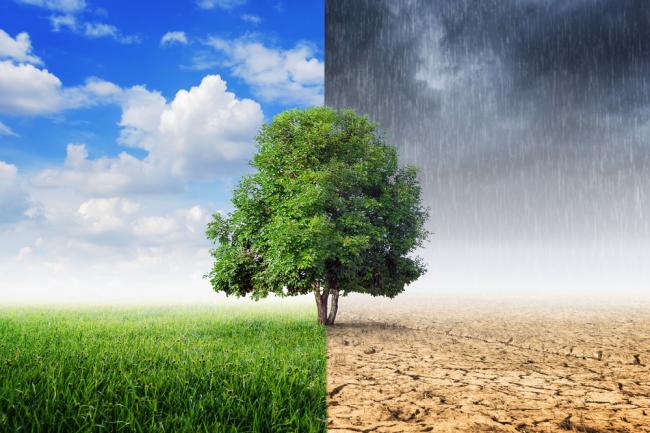
Innovation: a New Mode of Climate Action
A range of announcements of energy and climate coalitions have been made during COP21. Beyond their important diplomatic objectives, these new forms of coalitions bring scientists and industry leaders towards new long term visions of energy consumption modes.
The Political and Commercial Dynamics of Russia's Gas Export Strategy
A wide-ranging look at the way Gazprom interacts with an increasingly challenging global gas market for Russia.
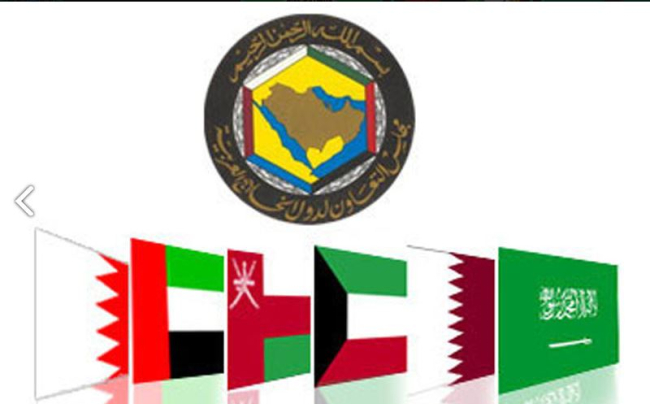
Persistence and Evolutions of the Rentier State Model in Gulf Countries
A general economic model of understanding Middle Eastern states was elaborated by political scientists around the 1980’s, based on the concept of rent as a factor of wealth around which the economic model as much as the governance of energy-rich countries was re-organized. The particular case of GCC’s countries as rentier state has been at the cornerstone of this concept since they own the most important share of energy resources in the world.
Road to Paris: What Would Be a Successful Outcome for COP21?
Eight months before the opening of the Paris climate conference (COP21), it can be reasonably argued that a global climate agreement is now within reach.
The US Shale Oil Revolution: The Test of the Business Model is Underway
Since 2010, the United States has been undergoing a second shale revolution with the very rapid development of Light Tight Oil (LTO) or shale oil, following the revolution in shale gas. This development has allowed the production of oil and liquids to increase, so that the US is the world’s largest producer today, ahead of Saudi Arabia and Russia.
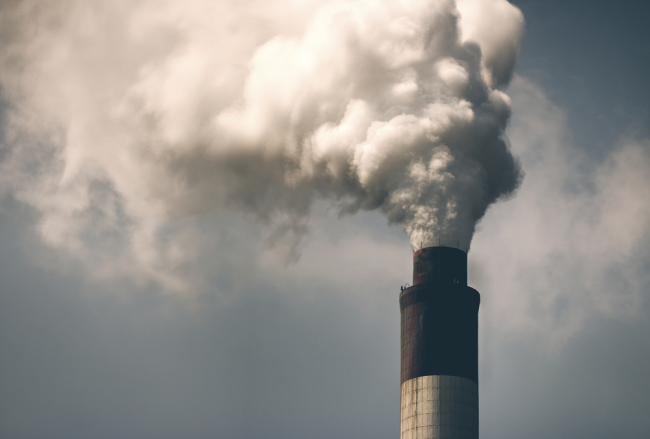
Coal and Climate Change: the "Chinese Way" ?
This article, issued after Asia Center and ASEF's international conference on coal issues in China (26th and 27th of June 2014 in Beijing), tackles the challenges the country is facing in restructuring its coal industry, in a context of severe and recurrent air, soil and water pollution outbursts.
Raising the Costs to President Putin
-by building dissonance within. Some like to remember fondly the call by Ronald Reagan for Gorbachev “to tear down this wall”. The United States “Won the Cold War” said George Bush Senior in his State of the Union Address. We need to step back and recognize with some humility that the Soviet Union fell largely of its own weight rather than as a result of external pressure. Again today Russia is economically weak. It has become an exporter of raw materials, its industrial sector is weak, and its revenues are already falling. Conditions now offer the opportunity to aggravate Russia’s economic frailty – let’s focus on that.
Reading Rouhani Right
Poll numbers are the life blood of politics these days. Anything expressed in digits has a claim to truth that assertions without digits cannot make. They inspire confidence - especially among those aspiring to public office - that they actually understand what public sentiment is. If you lived between nuclear-armed Israel and Pakistan and had as many world class enemies as Iran has accumulated - would you give up your pursuit of a nuclear weapon?
Ifri, a foundation recognized as being of public utility, relies largely on private donors – companies and individuals – to guarantee its sustainability and intellectual independence. Through their funding, donors help maintain the Institute's position among the world's leading think tanks. By benefiting from an internationally recognized network and expertise, donors refine their understanding of geopolitical risk and its consequences on global politics and the economy. In 2026, Ifri partners with over 90 French and international companies and organizations.
